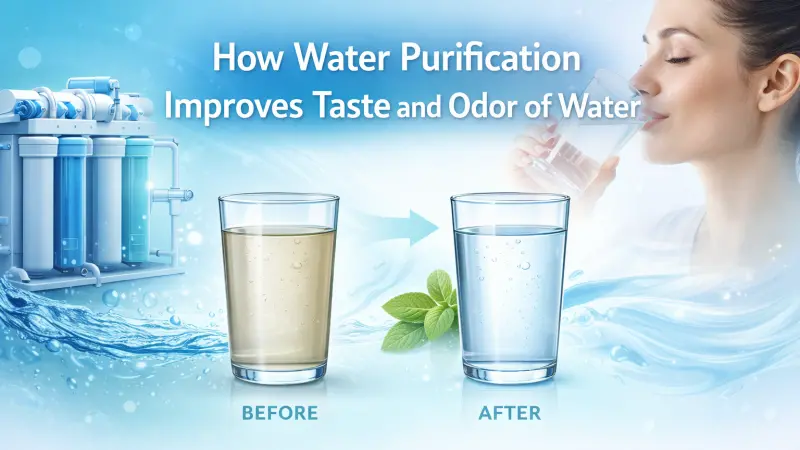
Have you ever paused to consider why the glass of water you draw from a tap in one region of the country might possess a distinctively crisp profile, while in another, it carries a faint metallic tang or the clinical scent of chlorine? This sensory variation is rarely a matter of chance; rather, it is the result of a complex interplay between geological sources, industrial processing, and the chemical composition of the fluid as it travels through aging infrastructure. In the United Kingdom, where water standards are among the highest in the world, the journey from reservoir to glass involves rigorous intervention to ensure that what reaches the consumer is not only safe for consumption but also palatable and refreshing to the senses.
The Science of Sensory Perception in Hydration
To understand how purification affects the experience of drinking water, one must first explore the biology of taste and olfaction. While humans are traditionally thought to perceive five basic tastes—sweet, sour, salty, bitter, and umami—the experience of drinking water is often defined by "mouthfeel" and the absence of off-putting aromas. The olfactory system plays a dominant role here; what we perceive as a strange taste is frequently an airborne molecule detected by the nasal cavity as the water is consumed.
Dissolved minerals and organic compounds are the primary architects of these sensory experiences. For instance, calcium and magnesium, which contribute to water hardness, can provide a slightly sweet or "heavy" characteristic that many find pleasant. Conversely, high concentrations of iron or manganese can introduce a bitter, metallic finish that persists on the palate. Purification technologies are designed to balance these elements, removing the excess while retaining the characteristics that define high-quality drinking water.
Common Culprits Behind Unpleasant Odours and Flavours
Before examining the solutions, it is vital to identify the various contaminants and natural occurrences that alter the sensory profile of water. These generally fall into three categories: chemical additives, biological activity, and mineral leaching.
Chlorine and Disinfection By-products
In the United Kingdom, chlorine is the most common disinfectant used to keep water free from harmful pathogens during its transit through the network. While essential for public health, it is the most frequent cause of the "swimming pool" smell that many households experience. When chlorine reacts with trace amounts of organic matter, it can create trihalomethanes, which not only affect the scent but can also subtly alter the flavour profile to something more medicinal.
Geosmin and MIB
Have you ever noticed an "earthy" or "musty" smell in your water, particularly during late summer? This is often caused by non-toxic biological compounds like Geosmin and Methyl-isoborneol (MIB). These are produced by certain types of algae and bacteria found in surface water sources like reservoirs. The human nose is incredibly sensitive to these compounds, able to detect them at concentrations as low as a few parts per trillion.
Metallic Leaching and Infrastructure
For many residents in older UK towns, the state of the domestic plumbing can be a significant factor. Lead, copper, and galvanised iron pipes can leach ions into the water, especially if the water
is slightly acidic or has been sitting stagnant for several hours. This results in a sharp, metallic taste that can ruin the flavour of tea, coffee, and cooked meals.
Modern Purification Technologies and Their Sensory Benefits
The transition from raw water to a high-quality product involves several stages of physical and chemical refinement. Each technology targets specific sensory inhibitors to produce a neutral and clean result.
Activated Carbon Filtration
Activated carbon is perhaps the most effective tool for improving taste and odour. It works through a process called adsorption, where organic molecules and chlorine stick to the vast surface area of the carbon particles. This process is particularly adept at removing the "chemical" taste of treated water and neutralizing the earthy notes produced by seasonal algal blooms. By stripping away these volatile organic compounds, the water returns to its natural, neutral state.
Reverse Osmosis (RO)
Reverse osmosis is a sophisticated process that forces water through a semi-permeable membrane, leaving behind almost all dissolved solids, including salts, minerals, and heavy metals. For areas with exceptionally hard water or high mineral content, RO systems can significantly soften the taste profile. However, because it removes almost everything, the resulting water can sometimes taste "flat" to those used to mineral-rich sources. Many advanced systems include a remineralisation stage to add back a hint of calcium for a more rounded flavour.
Ion Exchange
Commonly found in water softeners, ion exchange replaces calcium and magnesium ions with sodium or potassium ions. While primarily used to prevent limescale buildup in appliances, it also changes the mouthfeel of the water. Softened water often feels "slippery" or "smooth," which can be a preferred characteristic for many users, though the slight increase in sodium may be detectable to sensitive palates.
The Importance of Water Quality in the United Kingdom
In a real-world UK context, the consistency of water quality is a cornerstone of both domestic comfort and commercial viability. Businesses in the hospitality sector, from independent coffee shops in London to major breweries in the Midlands, rely heavily on purified water to ensure their products meet exacting standards without the interference of local mineral variances. For the individual, investing in local filtration solutions ensures that the water consumed daily is free from the variations caused by regional infrastructure, ultimately benefiting the health and wellbeing of the household through improved hydration habits.
Addressing Biological and Organic Factors
Beyond the inorganic minerals, the presence of organic matter—even when harmless—can create a "swampy" or vegetative taste. This is often an issue in rural areas where water is drawn from moorland catchments.
The high tannin content from peat can discolour the water and give it a bitter, astringent quality. Advanced oxidation processes and ultra-filtration are employed to break down these long-chain organic molecules, ensuring that the water is clear, bright, and free from any organic aftertaste.
The removal of these substances is not merely about aesthetics. Water that tastes and smells good encourages higher consumption, which is vital for maintaining cognitive function and physical health. When the sensory barriers to hydration are removed, individuals are far more likely to choose tap water over sugary alternatives or bottled water, which has positive implications for both personal finances and environmental sustainability.
UV Sterilisation and Its Subtle Effects
While Ultraviolet (UV) light is primarily a disinfection tool, it plays a secondary role in taste improvement by allowing for a reduction in chemical disinfectant levels. By using light to neutralise bacteria and viruses, water treatment facilities can lower the dose of chlorine required, leading to a significant reduction in the associated odours. This "multi-barrier" approach ensures safety while prioritising the sensory experience of the end-user.
Sediment Filtration and Clarity
Turbidity, or cloudiness in water, is caused by suspended particles like silt, clay, or rust. While these might not always have a strong taste on their own, they provide a surface for other odorous compounds to latch onto. Fine sediment filtration ensures that the water is aesthetically pleasing to the eye, which is the first stage of sensory satisfaction. Clear water is subconsciously associated with purity, and the removal of physical particles prevents any "gritty" texture during consumption.
Practical Examples of Water Improvement
- Culinary Excellence: Professional chefs often use purified water for stocks and delicate poaching, as the absence of chlorine and heavy minerals allows the natural flavours of the ingredients to shine through.
- Brewing and Coffee: The "third wave" coffee movement has highlighted how specific mineral balances (and the removal of taints) are essential for extracting the complex acidity and sweetness from high-quality beans.
- Skincare and Hygiene: While not related to taste, the removal of harsh minerals and chlorine during the purification process can prevent skin irritation and hair dryness, showcasing the broader benefits of water treatment.
Maintaining Water Purity and Sensory Consistency
For any purification system to remain effective, regular maintenance is essential. Filters that become saturated with contaminants can eventually "break through," releasing a concentrated amount of the very substances they were meant to remove.
This can lead to a sudden and noticeable decline in water quality. In the UK, where water chemistry can vary significantly between the soft water of Scotland and the hard water of the South East, tailoring the maintenance schedule to local conditions is vital for ensuring a consistent experience.
The Role of Connectivity and Professional Services
In the modern era, the demand for high-quality hydration has led to a surge in specialized service providers across the country. Whether it is a technician installing a complex reverse osmosis system or a consultant testing local mineral levels, the expertise required to manage water quality is significant. These professionals and their associated business listing uk options allow consumers to find the help they need to improve their domestic or commercial environments. As more people look to optimize their living standards, the visibility of these experts becomes paramount. Utilizing a free uk business listing directory ensures that reputable service providers are easily discoverable by those seeking to enhance their water quality. Ultimately, fostering an online presence through a business listing directories uk free platform helps bridge the gap between technical water solutions and the communities that require them, ensuring that every household can enjoy a glass of water that is as pure in taste as it is in appearance. This synergy between local expertise and Local Page UK digital visibility is what drives the standard of living forward in our interconnected society.
Frequently Asked Questions
This is usually caused by hydrogen sulphide gas, often produced by bacteria in the plumbing or a failing water heater anode. It can be addressed through aeration or specific carbon filtration.
Systems like reverse osmosis remove minerals that give water its "character." Many people find this "pure" taste refreshing, but remineralisation filters can be added to restore a more traditional mineral profile.
The levels of chlorine used in the UK are strictly regulated and safe for consumption. However, the taste and odour can be unpleasant, which is why many choose to remove it using a simple jug filter or an under-sink system.
Boiling can remove volatile compounds like chlorine and some organic gases, but it will actually concentrate non-volatile contaminants like heavy metals or nitrates as the water evaporates.
Most domestic filters should be changed every 3 to 6 months, depending on the
volume of water used and the level of contaminants in your local area.
If water sits in metal pipes for a long time, it can leach ions. Simply flushing the taps for a few minutes after returning from a trip usually resolves this issue.