
Professional Water Purification for UK Restaurant Systems Guide
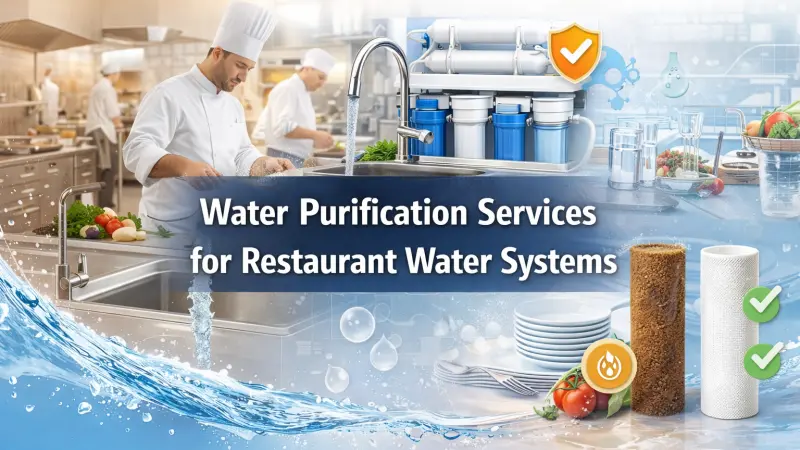
Did you know that water constitutes over ninety per cent of a standard cup of coffee and serves as the primary medium for almost every culinary process in a professional kitchen? In the United Kingdom, the chemical composition of mains water varies significantly from the soft moorland waters of Scotland to the mineral-rich hard water found across South East England. For a restaurant, water is not merely a utility but a critical raw ingredient that dictates the longevity of expensive machinery, the clarity of ice, and the nuanced flavour profiles of delicate sauces. Achieving consistent quality across a hospitality estate requires a sophisticated understanding of water purification technologies and their specific applications within a high-pressure commercial setting.

The Fundamental Importance of Water Quality in Gastronomy
The standard of water delivered through the municipal grid, while safe for human consumption according to national health standards, often contains traces of chlorine, organic compounds, and dissolved minerals that can negatively influence the sensory experience of dining. In the context of a fine-dining establishment or a high-volume bistro, these subtle inconsistencies can lead to variations in food quality that undermine a chef's precision. For example, excessive chlorine can impart a chemical aftertaste to blanched vegetables, while high mineral content can prevent the proper extraction of oils during the coffee brewing process.
Beyond the plate, the mechanical health of the kitchen is at stake. Steam ovens, dishwashers, and espresso machines are the lifeblood of modern catering. When hard water is heated, calcium and magnesium ions precipitate to form limescale. This chalky deposit acts as an insulator on heating elements, forcing machines to work harder, consuming more energy, and eventually leading to catastrophic component failure. Therefore, implementing a robust purification strategy is a matter of both gastronomic excellence and operational sustainability.
Common Contaminants and Challenges in British Water Supplies
British water infrastructure is among the most advanced in the world, yet the journey from reservoir to tap introduces variables that a professional kitchen must manage. Understanding these variables is the first step toward selecting an appropriate filtration or purification solution.
Sediment and Particulate Matter
Even in well-maintained systems, micro-particles of rust, sand, or silt can enter the plumbing. These particulates can clog the fine mesh screens in glasswashers or cause abrasive wear on the internal valves of combi-steamers. Primary sediment filtration is essential to protect secondary, more expensive purification stages.
Chlorine and Chloramines
Water authorities use chlorine as a disinfectant to ensure biological safety. However, the pungent aroma of chlorine is highly undesirable in a restaurant environment. It can bleach the colour of certain ingredients and react with organic matter to create trihalomethanes, which can affect the odour and taste of drinking water served to patrons.
Mineral Hardness
The "hardness" of water refers to its dissolved mineral content. In regions like London, East Anglia, and the Midlands, the presence of calcium carbonate is particularly high. While minerals are essential for health, they are the primary cause of scale buildup. In a restaurant, this leads to cloudy glassware, spotted cutlery, and inefficient boilers.
Core Purification Technologies for the Hospitality Sector
There is no universal solution for water treatment; rather, a tiered approach based on specific needs is usually required. Most modern establishments employ a combination of the following technologies to ensure their water meets the highest standards.
Carbon Filtration Systems
Activated carbon is the gold standard for removing taste and odour issues. By a process known as adsorption, the large surface area of the carbon particles traps organic molecules and neutralises chlorine.
For beverage stations and drinking water taps, carbon blocks or granular activated carbon filters are indispensable for providing a crisp, clean profile.
Ion Exchange and Water Softening
Water softeners operate by replacing calcium and magnesium ions with sodium or potassium ions. This is traditionally achieved through a resin bed that requires periodic regeneration with salt. Softened water is ideal for dishwashers and laundry facilities, as it allows detergents to lather more effectively and prevents the formation of scale on heating elements.
Reverse Osmosis (RO)
Reverse Osmosis is perhaps the most comprehensive form of purification available to a restaurant. By forcing water through a semi-permeable membrane at high pressure, RO systems remove up to 99% of all dissolved solids, including heavy metals, nitrates, and salts. RO water is frequently used for high-end coffee brewing and in "spot-free" rinse systems for glassware, ensuring that wine glasses emerge from the machine perfectly transparent without the need for manual polishing.
Strategic Implementation for Different Kitchen Appliances
A sophisticated restaurant water strategy recognises that different appliances have different requirements. Treating all water to the highest possible standard is often unnecessarily expensive; instead, a targeted approach is more efficient.
Steam and Combi-Ovens
Combi-ovens rely on the production of steam to cook food evenly while maintaining moisture. If the water used is high in minerals, the steam generators will rapidly scale up. Many manufacturers specify that water must be treated to a certain level of hardness to maintain the warranty. Hydro-hydrogen or polyphosphate feeders are often used here to sequester minerals and prevent them from bonding to the oven's interior surfaces.
Coffee and Espresso Machines
The relationship between water and coffee is complex. While some mineral content (specifically magnesium) is necessary to pull flavour from the beans, too much will ruin the machine and the taste. Professionals often use "re-mineralisation" filters which first strip the water of impurities and then add back a precise amount of minerals to achieve the perfect TDS (Total Dissolved Solids) level for extraction.
Ice Machines
Clear ice is a hallmark of a quality bar. Cloudy ice is caused by trapped air and impurities. By using highly filtered water, ice machines can produce crystal-clear cubes that melt slower and do not alter the flavour of the spirit they are cooling. Furthermore, filtration reduces the growth of slime and algae within the machine's reservoir, which is a common health and safety concern.
Regulatory Compliance and Health Standards
In the United Kingdom, all water systems must comply with the Water Supply (Water Fittings) Regulations 1999. These regulations are designed to prevent contamination of the mains supply through backflow. Any purification system installed in a restaurant must be WRAS (Water Regulations Advisory Scheme) approved. This ensures that the materials used in the filters do not leach harmful chemicals into the water and that the installation prevents any treated water from flowing back into the public network.
Furthermore, the Food Standards Agency (FSA) requires that water used in food preparation must be of potable quality. Regular testing and maintenance of purification systems are not just about quality control; they are legal requirements for maintaining a food business's hygiene rating. Documenting filter changes and system services is a critical part of a restaurant's HACCP (Hazard Analysis and Critical Control Point) plan.
Environmental Considerations and Sustainability
Modern consumers are increasingly aware of the environmental footprint of the businesses they patronise. Many restaurants are moving away from bottled mineral water in favour of in-house purified water served in reusable glass carafes.
This significantly reduces plastic waste and the carbon emissions associated with the transport of heavy glass bottles.
Additionally, modern RO systems are becoming more water-efficient. Older models often wasted a significant amount of "reject" water, but new high-recovery membranes and permeate pumps have dramatically reduced this waste. Investing in energy-efficient water treatment is an excellent way for a hospitality business to demonstrate its commitment to green practices while also reducing utility costs.
The Role of Professionals in Water Management
Given the complexity of water chemistry, most restaurant owners benefit from consulting with specialists who can conduct on-site water analysis. This testing identifies the specific mineral balance and potential contaminants at the location, allowing for the design of a bespoke system. Proper installation and a scheduled maintenance contract ensure that the purification equipment continues to perform at its peak, protecting both the culinary reputation and the physical assets of the business.
The successful integration of water treatment technologies is a hallmark of a well-run establishment. Across the UK, from bustling city brasseries to quiet rural gastropubs, the benefits of high-quality water are evident in the consistency of the service and the longevity of the equipment. Businesses that prioritise this often invisible ingredient find that they are better equipped to handle the demands of a discerning public while maintaining a more efficient and profitable back-of-house operation.
Enhancing Operational Longevity and Brand Reliability
The long-term success of a culinary venture often hinges on the reliability of its infrastructure. When a restaurant invests in advanced filtration, it is essentially buying insurance against downtime. A kitchen that has to close because its boiler has scaled up or its coffee machine has failed is a kitchen that is losing revenue. By controlling the environment at the molecular level, operators gain peace of mind and the ability to focus on what they do best: creating exceptional dining experiences.
The Future of Water in the British Hospitality Sector
As technology advances, we are seeing the rise of smart filtration systems. These IoT-enabled devices can monitor water usage and filter life in real-time, sending alerts to managers' smartphones when a replacement is due. This proactive approach eliminates guesswork and ensures that water quality never dips below the required threshold. In an era where data-driven management is becoming the norm, water purification is no longer a "set and forget" utility but a monitored and optimised component of the modern restaurant ecosystem.
Digital Visibility and Modern Service Discoverability
In the contemporary landscape, the efficacy of back-of-house systems is only one half of a successful business model; the other half is ensuring that the expertise behind these systems is accessible to those who need it most. For specialists providing these essential technical services, maintaining a strong online presence is vital for connecting with restaurant owners who are actively seeking ways to improve their operations. When a technician or a consultancy utilises uk business directory free listing sites, they increase the likelihood of being discovered by local hospitality managers looking for reliable maintenance and installation support.
This type of digital discoverability is a cornerstone of growth for niche service providers within the United Kingdom. By appearing on a Local Page UK, these businesses can showcase their specialised knowledge in water chemistry and mechanical engineering, bridging the gap between technical necessity and commercial demand. Ultimately, the synergy between high-quality physical services and modern digital visibility ensures that the standard of British gastronomy remains world-class through better infrastructure and shared expertise.
Frequently Asked Questions
How often should a restaurant change its water filters?
Most commercial filters require replacement every six to twelve months, depending on the volume of water processed and the local water quality. Many systems feature pressure gauges or digital flow meters to indicate exactly when capacity has been reached.
Is a water softener enough for a coffee machine?
While a softener prevents scale, it does not remove chlorine or organic impurities that affect taste. For coffee, a combination of softening and carbon filtration, or a dedicated coffee-spec filter, is recommended to achieve the best flavour profile.
What is the benefit of Reverse Osmosis over standard filtration?
Standard filtration removes particulates and chlorine, but only Reverse Osmosis can significantly reduce dissolved minerals and salts. This makes it superior for applications requiring extremely high purity, such as spot-free glass washing and laboratory-grade culinary precision.
Does filtered water help with dishwashing results?
Yes. Removing minerals from the water allows detergents to break down greases more effectively and prevents "water spots" from forming on plates and cutlery as they dry, leading to a much higher standard of presentation.
Is it expensive to maintain these systems?
While there is an ongoing cost for replacement cartridges, this is usually offset by the reduction in energy bills, the lower requirement for descaling chemicals, and the extended lifespan of the kitchen's primary appliances.

Disclaimer: The information provided in this article is for general informational and research purposes only. Company details, features, services, and market positions may change over time. Readers are advised to visit official company websites and conduct independent research before making any business decisions or purchasing services.
Most Searchable Keywords

Recent Blogs
-

Explore Supermarkets in Chepstow and the Surrounding Wye Valley
-
Elite Guide to Taxi and Private Hire Services in Hereford
-
Explore Fuel and Roadside Convenience Across Beckington Today
-
Explore Abergavenny Tyre Services with Expert Local Fitters
-
Claim Your HMRC UK Tax Refund Before Application Deadlines



Related Listings




Categories
- Accountants (295)
- Advertising Agencies (559)
- Architects (149)
- Automobiles (376)
- Beauty (300)
- Carpenters (146)
- Cleaning Services (386)
- Dentists (189)
- Driving (61)
- Electricians (215)
- Energy (7)
- Event Organiser (683)
- Finance (597)
- Guide (3358)
- Health (2205)
- Information technology (206)
- Legal Services (352)
- Logistics (6)
- Maintenance (65)
- Manufacturing (35)

Sponsored Listings in Plumbers
Related Blogs

Explore Supermarkets in Chepstow and the Surr...
Read this insightful article "Explore Supermarkets in Chepstow and the Surrounding Wye Valley" to expand your knowledge!

Elite Guide to Taxi and Private Hire Services...
Read this insightful article "Elite Guide to Taxi and Private Hire Services in Hereford" to expand your knowledge!

Explore Fuel and Roadside Convenience Across...
Read this insightful article "Explore Fuel and Roadside Convenience Across Beckington Today" to expand your knowledge!
Questions & Answers – Find What
You Need, Instantly!
How can I update my business listing?
Is it free to manage my business listing?
How long does it take for my updates to reflect?
Why is it important to keep my listing updated?
