
Incorporating Water Purification in UK Home Renovations
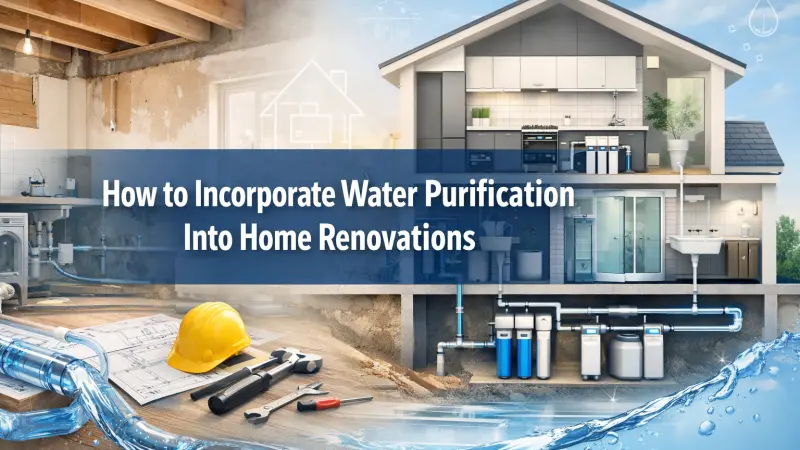
Have you ever considered the intricate journey water takes before it reaches your kitchen tap or showerhead? While the United Kingdom boasts some of the most stringent water quality standards globally, the transition from treatment works through miles of Victorian-era piping can introduce various elements that homeowners may wish to address. Integrating a sophisticated water purification system during a home renovation is an increasingly popular strategy for those seeking to enhance the longevity of their plumbing infrastructure and the purity of their daily supply.

Understanding the Fundamental Need for Residential Filtration
The primary motivation for installing purification systems during a major refurbishment is often related to the specific mineral content of local supplies. In many regions of southern and eastern England, groundwater is extracted from chalk and limestone aquifers, resulting in high concentrations of calcium and magnesium carbonates. While safe for consumption, this "hard water" leads to the gradual accumulation of limescale within boilers, heat exchangers, and household appliances, significantly reducing their operational efficiency and lifespan.
Beyond mineral content, modern homeowners are frequently concerned with the presence of chlorine, which is used by utility companies to maintain microbial safety throughout the distribution network. While essential for public health, residual chlorine can affect the taste and odour of drinking water and may cause dryness for those with sensitive skin. A renovation provides the ideal window to install point-of-entry systems that address these issues before the water reaches any outlet in the property.
Strategic Planning During the Design Phase
Successful integration of water treatment technology requires early consultation with architects and plumbing engineers. Unlike portable jugs or simple tap-mounted filters, comprehensive systems require dedicated physical space, often near the main internal stopcock. During a renovation, walls are often opened and floorboards lifted, allowing for the seamless routing of bypass loops and drainage lines that would be disruptive to install later.
Analysing Your Local Water Profile
Before selecting hardware, it is prudent to obtain a detailed water quality report from your local provider or to commission independent laboratory testing. This data dictates whether the renovation should focus on mechanical filtration, ion-exchange softening, or advanced reverse osmosis. For instance, properties in the north of the UK may deal with softer water but might require sediment filtration if the local infrastructure is particularly aged, whereas London residences almost universally benefit from scale reduction technologies.
Types of Purification Systems Suited for Modern Renovations
There are two primary categories of treatment: Point-of-Entry (POE) and Point-of-Use (POU). A thorough renovation typically aims for a
hybrid approach, ensuring the entire house is protected while providing high-grade drinking water in the kitchen.
Whole House Filtration Systems
These systems are installed where the main water line enters the property. They usually consist of a multi-stage process:
- Sediment Pre-filtration: Removes physical particles such as sand, rust, and silt that can damage valve seals and ceramic cartridges in modern taps.
- Activated Carbon Blocks: Utilise a vast surface area to adsorb chlorine, organic compounds, and certain pesticides, improving the sensory quality of water for bathing and laundry.
- Kinetic Degradation Fluxion (KDF): Employs copper-zinc granules to reduce heavy metals and inhibit the growth of bacteria within the filter media.
Water Softening Units
Ion-exchange water softeners remain the gold standard for tackling limescale. During a renovation, these units should be positioned with easy access for salt replenishment. It is critical to ensure that at least one kitchen tap remains on a hard-water line for drinking, as softened water contains elevated sodium levels. Modern "block salt" softeners are compact enough to fit inside standard kitchen cabinetry, making them ideal for contemporary kitchen designs.
Reverse Osmosis (RO) for the Kitchen
For the ultimate in drinking water purity, reverse osmosis systems force water through a semi-permeable membrane, removing up to 99% of dissolved solids, including fluorides, nitrates, and lead. Incorporating an RO system during a kitchen refit allows for the installation of a dedicated "designer" tap or a three-way tap that dispenses hot, cold, and filtered water from a single unit, maintaining a clean aesthetic on the worktops.
Technical Implementation and Plumbing Logistics
The installation of purification hardware during a renovation is not merely about connecting pipes; it involves careful hydraulic considerations. Every filter and membrane introduces a degree of pressure drop. If the property uses a gravity-fed system with a header tank in the loft, a booster pump might be necessary to ensure adequate flow rates, particularly if high-performance rain showers are being installed simultaneously.
Managing Drainage and Backwashing
Many advanced systems, including water softeners and certain iron filters, require a "backwash" cycle to clean the media. This necessitates a nearby drain connection with an air gap to prevent cross-contamination.
Architects should ensure that the utility room or basement design includes a trapped waste pipe specifically for this purpose. Failure to plan for drainage often leads to unsightly external pipework that detracts from the renovated facade.
The Environmental and Economic Argument
Incorporating water purification is a significant step toward a more sustainable household. By producing high-quality drinking water at home, families can virtually eliminate the need for single-use plastic bottles, reducing their carbon footprint and household waste. Furthermore, the protection of heating elements in washing machines and dishwashers means these appliances run more efficiently, consuming less energy and requiring less frequent replacement, which aligns with circular economy principles.
In the UK, the real-world context of water treatment is deeply tied to regional geology and the age of urban infrastructure. Both homeowners and commercial enterprises benefit from these systems by safeguarding expensive equipment and ensuring a consistent experience for occupants. Professional installation by qualified technicians ensures that these systems meet Water Regulations Approval Scheme (WRAS) standards, which is vital for maintaining the integrity of the national network.
Future-Proofing Your Smart Home
Modern water treatment is increasingly integrated into the "Internet of Things" (IoT). During a renovation, it is wise to provide a power outlet and Wi-Fi coverage near the filtration area. Smart softeners can alert the homeowner via a smartphone app when salt levels are low or if a leak is detected elsewhere in the plumbing system. This level of monitoring provides peace of mind, especially in high-spec renovations where water damage to bespoke flooring or cabinetry would be catastrophic.
The Integration of Water Purification in Professional Renovations
Effective home transformation projects frequently involve a holistic approach to utility management where water quality is given as much priority as thermal insulation or electrical safety. For many homeowners across the country, ensuring that the fundamental building blocks of the home are robust means looking beyond the aesthetic and addressing the invisible variables of the environment. High-quality water filtration provides a foundation for health and home maintenance that yields dividends for decades. Businesses that specialise in these installations find that providing clear, accessible information about their expertise allows them to connect with a wider audience.
In the digital age, being easily found through uk directory sites for business free is essential for specialists to showcase their technical capabilities to local residents. Establishing a strong online presence via a uk directory listing business free ensures that when a homeowner begins their renovation journey, they can find reputable consultants nearby. Ultimately, as more people search for specialized services, the availability of a business directory uk online free helps bridge the gap between complex engineering needs and local professional solutions. Utilizing a Local Page UK entry helps these service providers remain visible in an increasingly competitive marketplace, ensuring that every renovation project has access to the best water purification technology available.
Frequently Asked Questions
Does a water softener make water safe to drink?
Water softeners are designed to remove minerals that cause hardness, not to purify water of biological or chemical contaminants. While softened water is generally safe, it has higher sodium levels, so it is recommended to keep a separate unsoftened supply for drinking and cooking.
How much space is needed for a whole-house system?
A standard whole-house filtration unit typically requires a space approximately 60cm wide and 150cm high, usually located in a garage, utility room, or under a large kitchen sink near the mains entry point.
Will a filtration system affect my shower pressure?
Some pressure drop is inevitable, but by selecting a system sized correctly for the number of bathrooms in your home, the effect is usually negligible. High-flow systems are available specifically for homes with unvented cylinders or power showers.
How often do filters need to be replaced?
Sediment and carbon filters typically require changing every 6 to 12 months, depending on water usage and quality. Reverse osmosis membranes can last between 2 and 5 years.
Is professional installation mandatory for these systems?
While some point-of-use filters are DIY-friendly, whole-house systems and softeners involve modifications to the main plumbing and must comply with UK Water Regulations.
Professional installation is highly recommended to ensure valid warranties and safety.
Can I install a purification system in a flat?
Yes, though space is often a constraint. Compact point-of-use systems under the kitchen sink or inline filters for showerheads are excellent alternatives when a full whole-house system is not feasible due to shared plumbing.

Disclaimer: The information provided in this article is for general informational and research purposes only. Company details, features, services, and market positions may change over time. Readers are advised to visit official company websites and conduct independent research before making any business decisions or purchasing services.
Most Searchable Keywords

Recent Blogs
-

Explore Supermarkets in Chepstow and the Surrounding Wye Valley
-
Elite Guide to Taxi and Private Hire Services in Hereford
-
Explore Fuel and Roadside Convenience Across Beckington Today
-
Explore Abergavenny Tyre Services with Expert Local Fitters
-
Claim Your HMRC UK Tax Refund Before Application Deadlines



Related Listings




Categories
- Accountants (295)
- Advertising Agencies (559)
- Architects (149)
- Automobiles (376)
- Beauty (300)
- Carpenters (146)
- Cleaning Services (386)
- Dentists (189)
- Driving (61)
- Electricians (215)
- Energy (7)
- Event Organiser (683)
- Finance (597)
- Guide (3358)
- Health (2205)
- Information technology (206)
- Legal Services (352)
- Logistics (6)
- Maintenance (65)
- Manufacturing (35)

Sponsored Listings in Plumbers

Related Blogs

Explore Supermarkets in Chepstow and the Surr...
Read this insightful article "Explore Supermarkets in Chepstow and the Surrounding Wye Valley" to expand your knowledge!

Elite Guide to Taxi and Private Hire Services...
Read this insightful article "Elite Guide to Taxi and Private Hire Services in Hereford" to expand your knowledge!

Explore Fuel and Roadside Convenience Across...
Read this insightful article "Explore Fuel and Roadside Convenience Across Beckington Today" to expand your knowledge!
Questions & Answers – Find What
You Need, Instantly!
How can I update my business listing?
Is it free to manage my business listing?
How long does it take for my updates to reflect?
Why is it important to keep my listing updated?
