
The Connection Between Water Purification and Environmental Protection
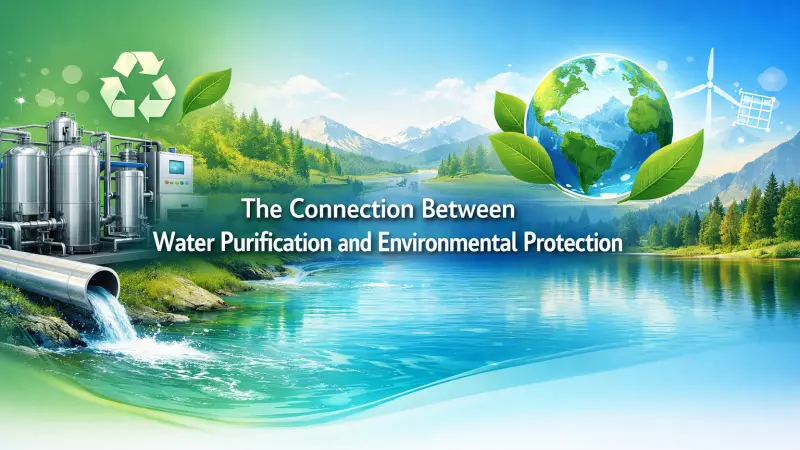
Did you know that the quality of the water flowing through our rivers and into our homes serves as a direct mirror to the health of our surrounding natural ecosystems? As global populations expand and industrial activities intensify, the strain on freshwater resources has reached an unprecedented level. Water purification is no longer merely a matter of individual health or domestic convenience; it has become a fundamental pillar of modern environmental stewardship. By removing contaminants before water enters our drainage systems and ensuring that the water we consume is treated with minimal ecological impact, we participate in a broader cycle of conservation that protects biodiversity and sustains the planet.

The Fundamental Principles of Water Treatment
At its core, the process of cleaning water involves the removal of undesirable chemicals, biological contaminants, suspended solids, and gases. In the United Kingdom, the standard for what constitutes "clean" is exceptionally high, governed by rigorous regulations that ensure safety from the source to the tap. However, the environmental perspective extends beyond simple safety. It looks at the energy required for filtration, the chemicals used in disinfection, and the eventual disposal of the concentrated waste products removed during the process.
Mechanical Filtration and Sedimentation
The first line of defence in any purification system is mechanical. This involves the physical separation of large debris and fine silt from the liquid. From a conservation standpoint, effective sedimentation reduces the "turbidity" of water. High turbidity can be devastating to aquatic life, as it blocks sunlight from reaching underwater plants and can damage the gills of various fish species. By capturing these sediments early, purification plants prevent them from accumulating in sensitive downstream habitats.
Chemical Impacts and Eco-Friendly Alternatives
Historically, the purification of water relied heavily on aggressive chemical agents such as chlorine. While effective at killing pathogens, the runoff from such processes can introduce harmful by-products into the soil and groundwater. Modern environmental protection strategies favour advanced oxidation processes, ultraviolet (UV) light disinfection, and ozone treatment. These methods provide high levels of hygiene without leaving behind persistent chemical residues that might disrupt the delicate pH balance of local streams.
The Role of Activated Carbon
Activated carbon is a remarkable tool in the environmentalist’s toolkit. Derived from natural sources like coconut shells or wood, it uses adsorption to trap organic molecules and volatile organic compounds. This is particularly important for removing pesticides and herbicides that have leached from agricultural land into the water table.
By neutralising these pollutants through carbon filtration, we prevent their bioaccumulation in the food chain, thereby protecting predators and avian species that rely on aquatic ecosystems.
The UK Context and Sustainable Resource Management
In the United Kingdom, the management of water resources is a complex interplay between historical infrastructure and modern environmental targets. Effective water treatment is essential for maintaining the integrity of the nation's unique chalk streams and diverse coastal waters, ensuring that urban expansion does not come at the cost of ecological collapse. Individuals and businesses across the country benefit immensely from these systems, as reliable access to high-quality water supports everything from public health to high-tech manufacturing. Furthermore, general reference to service providers ensures that the technology remains accessible, allowing both residential users and commercial enterprises to meet their sustainability goals through efficient resource usage.
Biological Purification and Managed Wetlands
One of the most fascinating intersections of technology and nature is the use of biological purification. In many parts of the UK, managed wetlands are used to treat wastewater naturally. Plants like reeds and various microbial communities work together to break down nitrates and phosphates. These nutrients, if left unchecked, cause "eutrophication"—a process where algae blooms deplete oxygen levels, effectively creating aquatic dead zones. Using nature to clean water not only purifies the resource but also creates vital habitats for migratory birds and rare insects.
Reducing Plastic Waste through Filtration
A significant but often overlooked environmental benefit of domestic and commercial water purification is the reduction in single-use plastics. When high-quality purified water is available directly from a tap or specialized dispenser, the necessity for bottled water diminishes. This directly impacts the amount of plastic waste entering our oceans and landfills. Since plastic production is carbon-intensive and its degradation takes centuries, the simple act of choosing filtered water is a powerful contribution to national carbon reduction targets.
Energy Efficiency in Modern Systems
Purifying water requires energy, particularly in processes like reverse osmosis which use high-pressure pumps. The modern environmental mandate is to make these systems as energy-efficient as possible. Innovations in membrane technology and energy recovery devices mean that more water can be treated with less electricity.
For a country aiming for Net Zero, the integration of renewable energy sources into the water treatment grid is a vital step forward.
The Circular Economy of Water
Environmental protection is increasingly viewed through the lens of the circular economy. Rather than a linear "take-use-dispose" model, water purification allows for the reuse of greywater for irrigation and industrial cooling. By treating water to a specific standard for non-potable use, we reduce the demand on pristine groundwater and reservoirs. This preserves natural water levels in our landscape, which is crucial during the increasingly frequent periods of drought experienced in the British Isles.
Enhancing Community Discoverability and Local Impact
The transition toward sustainable water management relies heavily on the collaboration between informed citizens and skilled professionals who implement these technologies. As the demand for ecological solutions grows, the visibility of specialists who can provide these essential services becomes paramount. When a consumer seeks out expertise, they often turn to a local business listing uk free to find reputable technicians and consultants in their immediate area. This level of connectivity ensures that the benefits of modern purification are felt at a community level, fostering a network of environmental responsibility. For those seeking broader options, consulting a uk local listing directory free can provide a wealth of information regarding regional experts. Ultimately, a strong online presence on a Local Page UK allows service providers to demonstrate their commitment to environmental standards, making it simpler for the public to access the tools needed for a greener future. Through a dedicated free local listing uk, the bridge between innovative technology and the end-user is strengthened, ensuring that every household and business can contribute effectively to the protection of our natural world.
Frequently Asked Questions
By removing toxins, heavy metals, and excess nutrients like phosphates, purification prevents these substances from entering natural
habitats where they could harm fish, amphibians, and the birds that feed on them.
Yes, significantly. Filtering your own water eliminates the need for plastic bottles, which reduces carbon emissions from manufacturing and transport, and prevents plastic pollution in ecosystems.
Ultraviolet (UV) light and ozone treatment are considered highly eco-friendly as they do not require the addition of chemicals to the water, meaning no harmful by-products are released back into the environment.
Yes, by reducing the reliance on commercially packaged drinks and improving the efficiency of water-using appliances (by preventing limescale buildup), a purification system can lower a household's overall environmental impact.
Wetlands use a combination of physical filtration through soil and roots, and biological breakdown by
microbes and plants to remove pollutants from water as it moves through the landscape.
In professional facilities, these are often concentrated into a sludge which can sometimes be treated and used as a bio-fertiliser or safely disposed of in controlled environments to prevent re-entry into the water cycle.

Disclaimer: The information provided in this article is for general informational and research purposes only. Company details, features, services, and market positions may change over time. Readers are advised to visit official company websites and conduct independent research before making any business decisions or purchasing services.
Most Searchable Keywords

Recent Blogs
-

Explore Supermarkets in Chepstow and the Surrounding Wye Valley
-
Elite Guide to Taxi and Private Hire Services in Hereford
-
Explore Fuel and Roadside Convenience Across Beckington Today
-
Explore Abergavenny Tyre Services with Expert Local Fitters
-
Claim Your HMRC UK Tax Refund Before Application Deadlines



Related Listings


Categories
- Accountants (295)
- Advertising Agencies (559)
- Architects (149)
- Automobiles (376)
- Beauty (300)
- Carpenters (146)
- Cleaning Services (386)
- Dentists (189)
- Driving (61)
- Electricians (215)
- Energy (7)
- Event Organiser (683)
- Finance (597)
- Guide (3358)
- Health (2205)
- Information technology (206)
- Legal Services (352)
- Logistics (6)
- Maintenance (65)
- Manufacturing (35)

Sponsored Listings in Plumbers

Related Blogs

Explore Supermarkets in Chepstow and the Surr...
Read this insightful article "Explore Supermarkets in Chepstow and the Surrounding Wye Valley" to expand your knowledge!

Elite Guide to Taxi and Private Hire Services...
Read this insightful article "Elite Guide to Taxi and Private Hire Services in Hereford" to expand your knowledge!
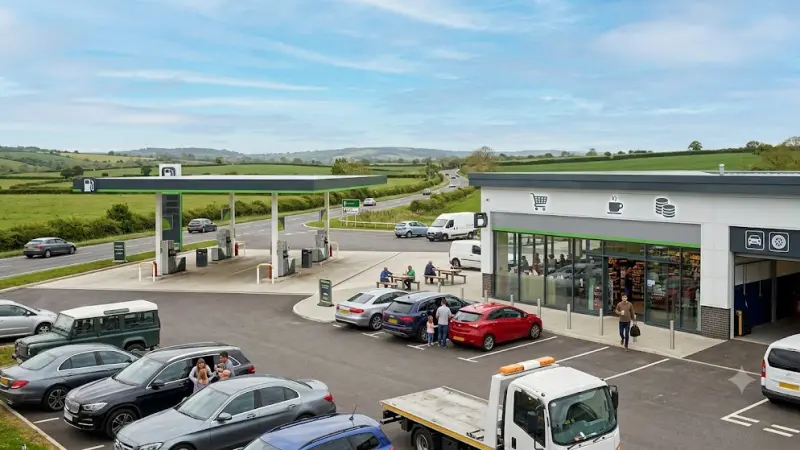
Explore Fuel and Roadside Convenience Across...
Read this insightful article "Explore Fuel and Roadside Convenience Across Beckington Today" to expand your knowledge!
Questions & Answers – Find What
You Need, Instantly!
How can I update my business listing?
Is it free to manage my business listing?
How long does it take for my updates to reflect?
Why is it important to keep my listing updated?
