
Industrial Cleaning Equipment: A Buyer’s Guide for Businesses
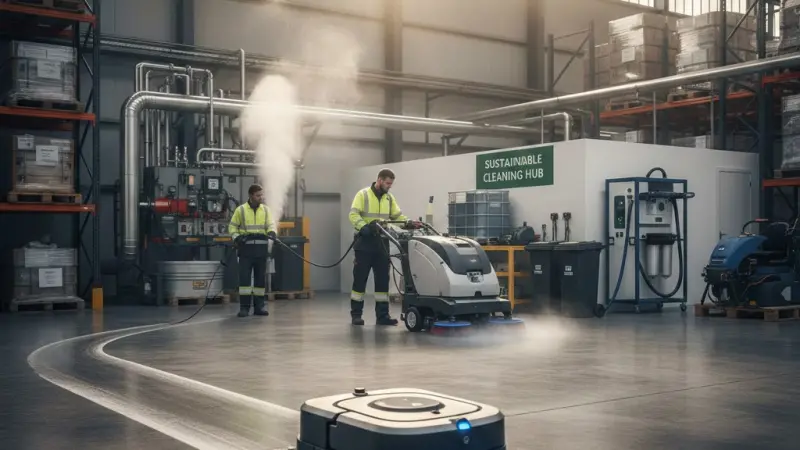
The industrial cleaning equipment sector in the United Kingdom stands as a cornerstone of the nation’s infrastructure and public health strategy. Often operating behind the scenes, this industry is responsible for maintaining the hygiene standards of our manufacturing plants, hospitals, warehouses, and transport hubs. In the current economic climate, the importance of high-calibre cleaning machinery cannot be overstated; it is the first line of defence against operational downtime and workplace hazards.

For any modern British enterprise, investing in industrial-grade equipment is no longer a luxury but a fundamental necessity for compliance and efficiency. The UK market is characterised by a sophisticated network of manufacturers, distributors, and service providers. These entities ensure that the wheels of industry continue to turn in environments that are not only productive but also safe for the workforce. As businesses look to streamline their operations, many turn to a uk business directory to identify the most reliable suppliers in their specific region.
The economic footprint of this sector is substantial. With thousands of people employed in the manufacture, sale, and maintenance of these heavy-duty machines, the industry contributes significantly to the UK’s GDP. Moreover, the "cleanliness economy" has a multiplier effect: well-maintained facilities lead to higher employee morale, better product quality, and a more professional brand image. As we delve into this buyer’s guide, we will explore why selecting the right equipment is a strategic business decision that resonates far beyond simple janitorial concerns.
The Landscape of Cleaning Equipment – Industrial in the UK
The UK market for industrial cleaning equipment has undergone a profound transformation over the last decade. Historically a fragmented market, it has matured into a high-tech sector driven by precision engineering and digital integration. Current market valuations suggest a steady growth trajectory, with the industry proving remarkably resilient despite broader economic headwinds. Key regions of activity remain concentrated in the industrial heartlands of the West Midlands, the North West, and the M4 corridor, where manufacturing and logistics hubs demand constant sanitation.
Post-pandemic, the evolution of the industry has accelerated. The COVID-19 era shifted the perception of cleaning from an "invisible cost" to a "critical safeguard." We have seen an unprecedented surge in demand for autonomous cleaning robots, electrostatic sprayers, and high-capacity steam cleaners. Businesses are no longer looking for the cheapest mop; they are seeking data-driven solutions that provide proof of cleanliness. To find these innovative providers, many facility managers now consult a uk online business directory to compare local specialists.
This evolution has also seen a move toward "Cleaning as a Service" (CaaS). Rather than simple equipment ownership, many UK firms are opting for long-term lease and maintenance contracts. This shift allows for better capital expenditure management while ensuring that the machinery on-site is always the latest model. The market is now a mix of heritage British engineering firms and global conglomerates, all competing to offer the most durable and efficient solutions to a discerning British clientele.
Comprehensive Services Breakdown
Navigating the sheer variety of industrial cleaning equipment requires an understanding of specific application needs. The "Industrial" tag covers everything from heavy-duty vacuum systems to high-pressure water jetting units.
Floor Maintenance Machines
Floor scrubbers and sweepers are the workhorses of the industry. Whether it’s a ride-on unit for a massive distribution centre or a walk-behind scrubber for a retail environment, these machines are designed for high-traffic durability. In the UK, there is a growing trend towards battery-powered, emissions-free units that allow for daytime cleaning without disrupting the workforce.
Pressure Washers and Steam Cleaners
For degreasing machinery or cleaning external facades, high-pressure equipment is essential. Professional-grade steam cleaners are particularly valued in the food processing and healthcare sectors because they can sanitise surfaces without the need for harsh chemicals. To learn more about specific applications, businesses often seek a business listing uk for specialist contractors who provide these niche services.
Industrial Vacuums and Extraction Systems
Beyond simple dust collection, industrial vacuums are built to handle hazardous materials, liquids, and combustible dust. In woodworking or chemical manufacturing, these systems are critical for ATEX compliance (explosive atmospheres).
Specialist Decontamination Equipment
The rise of specialised fogging machines and UV-C light disinfection units has created a new sub-category of equipment. These tools are used in "clean room" environments and high-spec laboratories.
For those looking to procure such advanced tech, checking uk service listings is the most efficient way to find verified distributors.
How to Choose the Right Service Provider
Selecting a supplier for industrial cleaning equipment is a high-stakes decision. Unlike domestic appliances, industrial machines require expert commissioning, operator training, and a robust after-sales support structure.
Accreditations and Compliance
A reputable UK provider should hold relevant ISO certifications (specifically ISO 9001 for quality management). Furthermore, membership in trade bodies like the British Institute of Cleaning Science (BICS) or the Cleaning & Support Services Association (CSSA) is a hallmark of professional integrity. These memberships ensure the provider is up-to-date with the latest health and safety legislation.
Insurance and Liability
Never engage a provider without verifying their public and product liability insurance. Industrial equipment can be dangerous if handled incorrectly; you must ensure that your supplier is fully covered for any on-site incidents during delivery, training, or maintenance.
Local Reputation and Reviews
While global brands offer scale, local providers often offer faster response times for repairs. A uk local business search can reveal suppliers with strong roots in your community. Look for case studies or testimonials from businesses within your specific industry (e.g., if you run a brewery, find a supplier who understands the unique acidic cleaning needs of that environment).
Maintenance Agreements (SLAs)
A Service Level Agreement is vital. Does the provider offer 24-hour breakdown cover? Are spare parts kept in stock in the UK? An idle machine is a drain on resources, so ensure your provider has the logistics to support your uptime requirements.
Industry Challenges & Future Outlook
The industrial cleaning equipment sector is currently facing a "triple threat" of challenges: technological disruption, the drive for sustainability, and evolving regulations.
The Rise of Cobotics
"Cobotics"—collaborative robotics—is the next frontier. Unlike fully autonomous robots that replace humans, cobots are designed to work alongside cleaning staff, taking over the repetitive, physically taxing "dull, dirty, and dangerous" tasks. This allows human workers to focus on detail-oriented cleaning.
The Green Initiative
Sustainability is no longer optional. The UK’s commitment to Net Zero is forcing manufacturers to rethink machine lifecycles. We are seeing a move away from single-use plastics in components and a massive push for water-recycling scrubbers. Furthermore, many businesses are now listing their sustainable credentials on a business listing uk to attract eco-conscious B2B clients.
Regulatory Changes
Post-Brexit, the UK is establishing its own regulatory frameworks for chemical safety and electrical standards (UKCA marking). Staying compliant requires constant vigilance from both manufacturers and end-users. Businesses must ensure their equipment meets the latest UK REACH standards for chemical usage.
Business Tips for Cleaning Equipment – Industrial Professionals
For professionals operating within this sector—whether as manufacturers, distributors, or specialist contractors—the competitive landscape is fierce. Technical excellence is no longer enough; you must master digital visibility to survive.
Digital Presence and Local SEO
In a B2B environment, the buyer’s journey almost always starts with a search engine. If a warehouse manager in Leeds needs a scrubber-dryer, they will search for local experts.
Being featured in a uk professional services listings platform is essential for capturing this "high-intent" traffic.
Content as a Sales Tool
Don't just sell machines; sell solutions. Create whitepapers on "How to Reduce Water Consumption by 30%" or "Managing Silica Dust in Construction." This positions your brand as an authority, making you the first point of contact when a purchase decision is made.
Networking and B2B Directories
Building a presence on a uk small business directory helps bridge the gap between your warehouse and your potential clients. It builds trust and provides a platform for verified customer feedback, which is the most powerful marketing tool in the industrial sector.
Wrapping Up & Local Page Integration
The industrial cleaning equipment industry is the silent engine of the UK’s commercial success. From the heavy-duty sweepers that keep our airports operational to the precision vacuums used in high-tech manufacturing, these tools define the standards of our modern working world. As we have explored, the journey from identifying a need to maintaining a fleet of machines involves careful research, a focus on sustainability, and the selection of reputable local partners.
For UK businesses seeking to navigate this complex market, or for equipment professionals looking to expand their reach, visibility is the key to growth. Finding the right partner or being found by the right client requires a centralised, trusted platform. This is where Local Page UK comes into play. As a premier resource for the UK business community, it simplifies the process of connection, ensuring that quality equipment meets the businesses that need it most.
Boost Your Visibility with Local Page UK
In the Cleaning Equipment – Industrial sector, your reputation is your most valuable asset, but it only works if people can find you. Whether you are a supplier of high-end machinery or a maintenance specialist, standing out in the digital crowd is essential for long-term viability. By securing a business listing uk, you place your business in front of decision-makers who are actively searching for your expertise. Don't let your competitors take the lead; join the directory that understands the unique needs of the British business landscape and start reaching more customers today.
Frequently Asked Questions
1. What is the difference between commercial and industrial cleaning equipment?
Industrial cleaning equipment is designed for much higher intensity and longer run-times than commercial versions. While commercial equipment might be suitable for an office or a small shop, industrial machines are built with heavy-duty components to handle harsh environments like factories, construction sites, and large-scale warehouses. They often feature higher pressure ratings, larger tank capacities, and more robust chassis designs to withstand 24/7 operation.
2. Is it better to buy or lease industrial cleaning machinery in the UK?
The decision depends on your capital flow and how quickly you need to upgrade. Buying equipment outright means it is an asset on your balance sheet, but you are responsible for all maintenance. Leasing often includes a service contract, ensuring your equipment is always in top condition and allowing you to upgrade to newer, more efficient models every few years without a large upfront cost.
3. What safety certifications should I look for in UK cleaning equipment?
You should primarily look for the UKCA (UK Conformity Assessed) mark, which replaced the CE mark in Great Britain. Additionally, for specific environments, you may need ATEX certification for
explosive dust areas or HEPA H13/H14 ratings for vacuums used in hazardous dust extraction to ensure compliance with Health and Safety Executive (HSE) guidelines.
4. How often should industrial floor scrubbers be serviced?
Most manufacturers recommend a professional service every 6 to 12 months, depending on usage hours. However, daily maintenance by the operator—such as cleaning filters, checking squeegee blades, and rinsing out recovery tanks—is essential to prevent premature wear and ensure the machine continues to operate at peak efficiency.
5. Where can I find a reliable local supplier of cleaning equipment?
You can search for verified local experts and specialist distributors through a reputable online platform like Localpage. These directories allow you to filter by region and service type, making it easier to find a provider who can offer quick response times for parts and repairs in your specific area of the UK.
6. Are there eco-friendly industrial cleaning solutions available?
Yes, the industry is shifting rapidly toward sustainability. Many modern machines now use "chemical-free" cleaning technology, such as stabilised aqueous ozone or high-temperature dry steam. There is also a significant trend toward water-recycling systems that filter and reuse water during the scrubbing process, significantly reducing the environmental footprint of large-scale cleaning operations.
7. What training is required for staff to operate industrial cleaning machines?
Operators should receive formal training from the manufacturer or an accredited trainer. This training should cover safe operation, daily maintenance routines, and the correct use of any associated chemicals. In the UK, keeping a training log is often a requirement for insurance purposes and to demonstrate compliance with the Provision and Use of Work Equipment Regulations (PUWER).
8. How do I choose the right size of floor sweeper for my warehouse?
You should calculate the "theoretical productivity" of the machine, which is the cleaning width multiplied by the average walking or driving speed. A good rule of thumb is to choose a machine that can clean your entire facility within a single shift while allowing for a 20% overlap. Consider the narrowest aisle in your facility to ensure the machine can navigate all areas.
9. Can industrial vacuums handle combustible dust?
Only specifically rated ATEX vacuums are safe for combustible dust. Standard industrial vacuums can create static sparks or have motors that get hot enough to ignite fine dust from wood, flour, or certain metals. Always consult a specialist if you are dealing with potentially explosive materials to ensure you are using the correct class of vacuum.
10. What are the benefits of autonomous cleaning robots?
Autonomous robots can perform consistent cleaning tasks without human intervention, allowing your staff to focus on deep-cleaning or high-touch surfaces. They often provide digital "proof of clean" reports, showing exactly which areas were covered. While the initial investment is higher, the long-term savings in labour costs and the improvement in cleaning consistency are significant.
11. How do I maintain my pressure washer during the winter?
In the UK, frost damage is a common cause of pressure washer failure. You must ensure the pump is drained of water or protected with an appropriate anti-freeze solution if stored in unheated areas. Regularly checking hoses for cracks and ensuring the water inlet filter is clean will also help prevent damage during cold spells.
12. What is "Cleaning as a Service" (CaaS)?
CaaS is a model where a business pays a monthly fee for a guaranteed clean environment rather than owning the equipment. The provider supplies the machinery, the consumables, and the maintenance. This shifts the risk of equipment failure to the provider and ensures the business always has access to the most effective cleaning technology.
13. How do I dispose of old industrial cleaning equipment?
Under the WEEE (Waste Electrical and Electronic Equipment) regulations, you cannot simply throw away industrial machinery. Most reputable UK suppliers will offer a take-back scheme when you purchase new equipment, ensuring the old unit is recycled or disposed of in an environmentally responsible manner.
14. Are battery-powered machines better than cable-powered ones?
Battery-powered machines offer much greater flexibility and eliminate the "trip hazard" of a trailing cable, making them ideal for daytime cleaning. Modern lithium-ion batteries provide long run-times and fast charging.
Cable-powered machines are generally cheaper and offer unlimited run-time but are restricted by the proximity of power outlets and safety concerns in busy areas.
15. How can I verify the reputation of a new equipment supplier?
Checking a professional Local page listing is a great starting point. You should look for how long they have been in business, read customer reviews, and check if they have any official partnerships with major manufacturers. A reliable supplier will be happy to provide references from other businesses in your sector.

Disclaimer: The information provided in this article is for general informational and research purposes only. Company details, features, services, and market positions may change over time. Readers are advised to visit official company websites and conduct independent research before making any business decisions or purchasing services.
Most Searchable Keywords

Recent Blogs



Related Listings


Categories
- Accountants (295)
- Advertising Agencies (559)
- Architects (149)
- Automobiles (377)
- Beauty (300)
- Carpenters (146)
- Cleaning Services (386)
- Dentists (189)
- Driving (62)
- Electricians (215)
- Energy (8)
- Event Organiser (685)
- Finance (599)
- Guide (3365)
- Health (2207)
- Information technology (206)
- Legal Services (353)
- Logistics (6)
- Maintenance (65)
- Manufacturing (35)

Sponsored Listings in Locksmith Services


Related Blogs

Gen Z Political Reporters and News Creators i...
Read this insightful article "Gen Z Political Reporters and News Creators in the UK" to expand your knowledge!

Famous Female Social Media Influencers Across...
Read this insightful article "Famous Female Social Media Influencers Across the UK" to expand your knowledge!

Your UK Sponsor Licence 2026 Step by Step Gui...
Read this insightful article "Your UK Sponsor Licence 2026 Step by Step Guide" to expand your knowledge!
Questions & Answers – Find What
You Need, Instantly!
How can I update my business listing?
Is it free to manage my business listing?
How long does it take for my updates to reflect?
Why is it important to keep my listing updated?
