
Locating Cleaning Services for Exterior Building Maintenance
- 👤 Alex
- 👁️ 81 Views
- Last Updated: April 21, 2026
- 🏷️ Cleaning Services
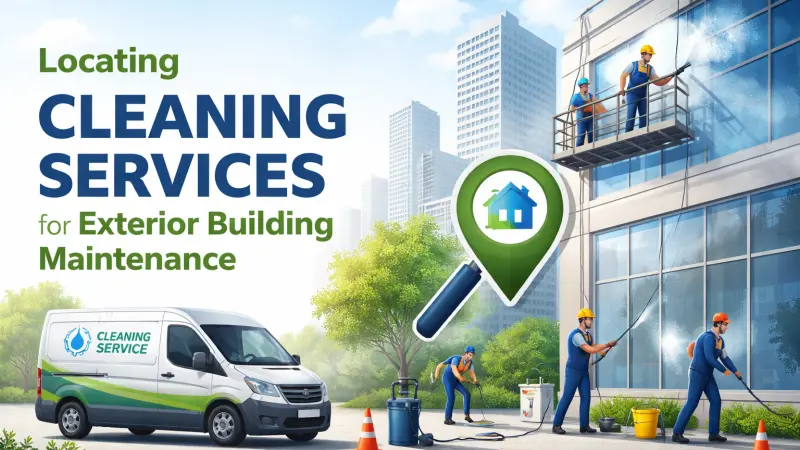
The exterior of a building serves as its first impression, a protective shield against the elements, and a significant asset that requires consistent care. However, locating cleaning services for exterior building maintenance that possess the technical proficiency, safety equipment, and environmental awareness necessary for modern architecture can be a daunting task. Maintaining a structure’s facade is not just about aesthetics; it is a critical component of preventative maintenance that prevents the degradation of materials like stone, brick, metal, and glass. This article provides a deep dive into the world of professional exterior maintenance, offering objective strategies to help you identify the right partners for your property. We will explore the various methodologies used in the industry today, from high-pressure cleaning to delicate chemical soft washing, ensuring you have the knowledge to protect your investment for years to come.

The Strategic Importance of Exterior Maintenance
Many property owners view exterior cleaning as a luxury or a purely cosmetic endeavor. In reality, it is a fundamental requirement for structural longevity. Environmental pollutants, biological growth, and mineral deposits do more than just look unsightly—they actively corrode the building’s envelope.
Preserving Material Integrity
Different building materials react uniquely to their environment. For instance, limestone is highly susceptible to acid rain and carbon deposits, while modern metal cladding can suffer from oxidation and salt air corrosion. A professional maintenance service understands these chemical interactions and uses pH-neutralizing agents or specific surfactants to halt the decay. By removing these contaminants, you extend the life of the building’s substrate, significantly delaying the need for expensive structural repairs or resurfacing.
Enhancing Health and Safety
External surfaces often harbor mold, mildew, and algae, especially in shaded or damp areas. These biological growths can become slippery hazards on walkways and can eventually migrate into the building’s interior through ventilation systems or cracks in the facade. Regular exterior cleaning mitigates these health risks and ensures that the environment surrounding the building remains safe for tenants, employees, and visitors alike.
Methodologies in Professional Exterior Cleaning
When locating cleaning services for exterior building maintenance, it is vital to understand the "how" behind the work. Not all surfaces can handle the same level of pressure or heat.
Pressure Washing vs. Power Washing
While often used interchangeably, there is a technical difference. Pressure washing uses cold water at high pressure to blast away dirt, whereas power washing adds heat to the mix. Power washing is exceptionally effective for removing grease or oil from parking structures and loading docks but can be too aggressive for historical masonry or delicate trim.
Soft Washing: The Modern Standard
For roofs, siding, and many commercial facades, soft washing is the preferred method. This technique relies on specialized cleaning solutions to break down organic growth at the root level, followed by a low-pressure rinse (often no more powerful than a garden hose). This protects the integrity of the surface while providing a longer-lasting clean by killing the spores that lead to regrowth.
Steam Cleaning and DOFF Systems
For historic or heritage buildings, specialists often use DOFF systems, which utilize high-temperature steam (up to 150°C) at very low pressure. This is the safest way to remove biological matter and paint from fragile stone without causing thermal shock or mechanical damage.
A Step-by-Step Guide to Locating the Right Service Provider
Finding a qualified contractor requires a systematic approach to ensure they can handle the specific complexities of your property.
Step 1: Define Your Scope of Work
Before reaching out, document the surfaces that need attention. Is it just the facade, or do you also need gutter cleaning, roof moss removal, and window washing? Are there specific access challenges, such as tight alleys or significant height? Having a clear brief allows contractors to provide accurate, comparable quotes.
Step 2: Source Local Specialists
Look for companies that specialize specifically in exterior building maintenance rather than general janitorial services. Specialists will have invested in heavy-duty equipment like trailer-mounted pressure units, reach-and-wash systems, and specialized scaffolding or cherry pickers.
Step 3: Verify Insurance and Safety Protocols
The risks involved in exterior maintenance are significant. Ensure any company you consider provides proof of:
-
Comprehensive General Liability Insurance: To cover property damage.
-
Employer Liability Insurance: To cover their staff.
-
Health and Safety Policy: Documentation of how they manage risks like working at height and chemical handling.
-
Method Statements and Risk Assessments (RAMS): Professional firms will provide these for every job.
Step 4: Request Case Studies and References
A reputable firm will have a portfolio of similar projects. Ask for references from properties of a similar scale or material composition to yours. Speaking directly with past clients can reveal much about a company's punctuality, professionalism, and the longevity of their results.
Common Mistakes to Avoid During Your Search
Even experienced property managers can fall into certain traps when hiring exterior maintenance crews.
Choosing Based Solely on Price
In the exterior cleaning industry, the lowest price often signals a lack of professional equipment or, more dangerously, a lack of insurance. Hiring an uninsured "man with a van" might save money upfront, but one accidental scratch on a glass curtain wall or a fall on your property could lead to catastrophic financial liability.
Overlooking Environmental Impact
Runoff from cleaning chemicals and the debris removed from a building can enter local waterways through storm drains. Ensure your chosen provider uses biodegradable chemicals and has a plan for "wash water reclamation" or follows local regulations regarding wastewater disposal.
Neglecting Post-Cleaning Protection
Cleaning a building opens up the "pores" of many materials. Failing to ask about or apply protective sealants or biocidal treatments after a deep clean can result in the building getting dirty again within months. A specialist will often offer a treatment plan to keep surfaces cleaner for longer.
Tips for Long-Term Building Preservation
Maintenance is a cycle, not a one-time event. Following these tips will help maintain the results of a professional clean.
-
Annual Inspections: Walk around the property once a year to look for early signs of algae growth or masonry cracks.
-
Vegetation Control: Ensure trees and ivy are kept away from the building envelope to prevent moisture retention and root damage.
-
Gutter Maintenance: Blocked gutters are a primary cause of exterior wall staining and dampness. Ensure they are cleared at least twice a year.
Supporting Local Business Visibility Beyond Core Marketing Efforts
Property owners often rely on digital infrastructure to find the most qualified local technicians. When a business takes the time to establish its presence on a Local Page UK, it creates a transparent window into its operations for the community. This level of digital organization is a key factor in modern business discoverability.
Many reputable contractors choose to advertise company uk directory sites to ensure that their specialized services are found by those who value quality over cost. Effective directory marketing uk allows a maintenance firm to showcase its certifications and past work in a centralized location.
Trust is further established when a client can view verified company ratings uk before making a hiring decision. This feedback loop ensures that high standards are maintained across the industry.
Furthermore, a firm's presence in a free business database directory acts as a credibility signal, confirming that the business is a legitimate, tax-paying entity with a consistent physical or service-area footprint.
Achieving Lasting Results
Locating cleaning services for exterior building maintenance is a critical responsibility for any property steward. By prioritizing safety, specialized methodology, and proven experience over the allure of the lowest price, you ensure that your building remains a source of pride and a sound financial asset. The exterior of your property is a complex environment that requires a nuanced approach—one that understands the difference between a century-old brick and a modern composite panel. As you begin your search, remember to look for partners who demonstrate a commitment to both the quality of their work and the safety of the environment. With the right specialists by your side, your building will not only shine today but will be better equipped to stand the test of time.
Frequently Asked Questions (FAQs)
Q1: Will pressure washing damage the mortar between my bricks?
A: If done incorrectly, yes. High pressure can blast away aged mortar. This is why specialists often use a "soft wash" approach for masonry, using chemicals to clean and low pressure to rinse, preserving the structural integrity of the joints.
Q2: How often should a commercial building be cleaned?
A: Most buildings benefit from a full exterior clean every 3 to 5 years. However, high-traffic areas or buildings in high-pollution urban centers may require annual maintenance for the lower floors.
Q3: Can you clean a building in any weather?
A: Light rain is generally not an issue for exterior cleaning. However, high winds make working at height dangerous, and freezing temperatures can cause water to expand in masonry cracks, potentially causing damage.
Q4: Is "Soft Washing" just a fancy name for using bleach?
A: While sodium hypochlorite is a common component, professional soft washing involves a sophisticated blend of surfactants, scent maskers, and residual inhibitors. It is a controlled process designed to be effective yet safe for the building's specific materials.
Q5: How do cleaners reach the top of high-rise buildings?
A: Depending on the height and architecture, they may use "Reach and Wash" water-fed poles
(up to 80ft), mobile elevating work platforms (cherry pickers), or industrial rope access (abseiling).
Q6: Does exterior cleaning remove graffiti?
A: Yes, but graffiti removal is a specialized subset of exterior cleaning. It often requires specific solvents that "lift" the paint without smearing it further into the porous stone or brick.
Q7: Will the cleaning process disrupt my tenants?
A: Professional services can often work outside of standard business hours or on weekends to minimize disruption. They also use noise-reduction baffles on their machinery to keep sound levels to a minimum.
Q8: Why is there a white powdery substance on my brick after it dries?
A: This is likely efflorescence—salt migrating to the surface of the brick. A specialist can treat this with specific acidic cleaners designed to dissolve the salts without damaging the brickwork.
Q9: Do I need to provide a water source for the cleaners?
A: Most professional exterior cleaning companies have large onboard water tanks, but for larger jobs, they may request access to an external water tap to refill their systems.
Q10: Are the chemicals used safe for the building's windows?
A: Yes, provided they are used correctly. Specialists are careful to "pre-wet" glass and rinse thoroughly to ensure that no chemical etching or spotting occurs on the window surfaces.
Q11: Can metal cladding be cleaned without scratching the finish?
A: Absolutely. Specialists use non-abrasive detergents and soft-bristled brushes specifically designed for powder-coated or anodized metal surfaces. This removes oxidation and dirt without marring the protective coating.
Q12: Is it possible to clean a building without any chemicals at all?
A: Yes, for certain types of dirt. Steam cleaning or using deionized "pure" water can remove a significant amount of surface grime. However, for biological growth like black mold or lichen, a biocide is usually necessary to prevent rapid regrowth.
Q13: How can I tell if my window seals have failed during a building clean?
A: Professional cleaners often spot failed seals first. If you see condensation or a "misty" appearance between the two panes of glass that doesn't go away after the exterior is cleaned, it indicates the double-glazing seal has perished.

Disclaimer: The information provided in this article is for general informational and research purposes only. Company details, features, services, and market positions may change over time. Readers are advised to visit official company websites and conduct independent research before making any business decisions or purchasing services.
Most Searchable Keywords

Recent Blogs
-

Explore Supermarkets in Chepstow and the Surrounding Wye Valley
-
Elite Guide to Taxi and Private Hire Services in Hereford
-
Explore Fuel and Roadside Convenience Across Beckington Today
-
Explore Abergavenny Tyre Services with Expert Local Fitters
-
Claim Your HMRC UK Tax Refund Before Application Deadlines


Related Listings
-
Platinum Exterior Cleaning
-
End of Tenancy Cleaning Agency
-
Royal Cleaning
-
FastKlean
-
Fantastic Services



Categories
- Accountants (295)
- Advertising Agencies (559)
- Architects (149)
- Automobiles (376)
- Beauty (300)
- Carpenters (146)
- Cleaning Services (386)
- Dentists (189)
- Driving (61)
- Electricians (215)
- Energy (7)
- Event Organiser (683)
- Finance (597)
- Guide (3358)
- Health (2205)
- Information technology (206)
- Legal Services (352)
- Logistics (6)
- Maintenance (65)
- Manufacturing (35)

Sponsored Listings in Cleaning Services

Related Blogs
Explore Supermarkets in Chepstow and the Surr...
Read this insightful article "Explore Supermarkets in Chepstow and the Surrounding Wye Valley" to expand your knowledge!

Elite Guide to Taxi and Private Hire Services...
Read this insightful article "Elite Guide to Taxi and Private Hire Services in Hereford" to expand your knowledge!
Explore Fuel and Roadside Convenience Across...
Read this insightful article "Explore Fuel and Roadside Convenience Across Beckington Today" to expand your knowledge!
Questions & Answers – Find What
You Need, Instantly!
How can I update my business listing?
Is it free to manage my business listing?
How long does it take for my updates to reflect?
Why is it important to keep my listing updated?
