
Radiator Servicing Explained: Prevent Overheating & Costly Repairs
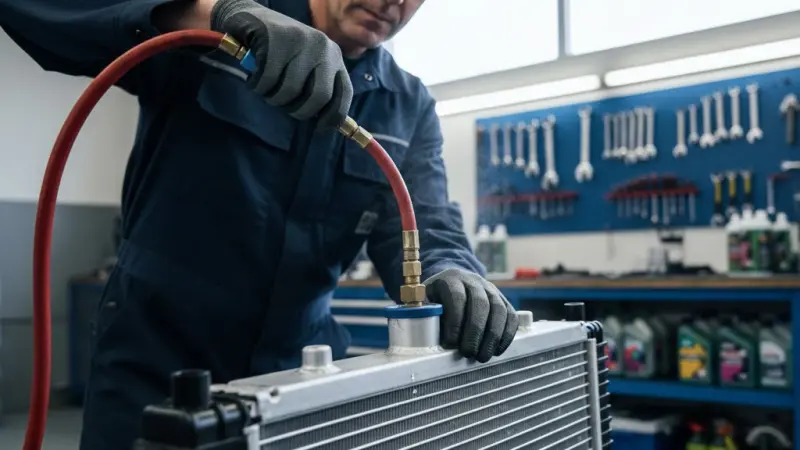
The automotive aftermarket in the United Kingdom is a cornerstone of the national economy, contributing significantly to the UK's industrial output and providing employment for hundreds of thousands of skilled professionals. Within this vast ecosystem, the car radiator servicing and repairs sector occupies a critical niche. As the primary component of a vehicle's cooling system, the radiator is the literal heart of thermal management. In the temperate but often unpredictable British climate, maintaining engine temperatures is not merely a matter of performance—it is a matter of vehicle longevity and road safety.
From an economic perspective, the radiator repair sector supports a wide array of small-to-medium enterprises (SMEs) across the country. Whether it is a traditional radiator specialist in the industrial heartlands of the West Midlands or a modern mobile technician serving Greater London, these businesses ensure that the UK's fleet of over 30 million cars remains operational. The cost of neglect is high; engine overheating is a leading cause of roadside breakdowns reported by the RAC and AA, often resulting in catastrophic engine failure and expensive "head gasket" repairs that can exceed the value of older vehicles.
In today's digital-first economy, the visibility of these specialist services is paramount. Consumers no longer rely on physical phone books; they utilize a uk online business directory to identify vetted specialists in their immediate vicinity. This shift towards digital discovery has transformed the radiator servicing industry from a word-of-mouth trade into a competitive online marketplace. As we delve into this guide, we will explore why proactive radiator maintenance is an essential investment for the British motorist and a vital service provided by the UK’s robust network of automotive professionals.
The Landscape of Car Radiator Servicing & Repairs in the UK
The UK radiator repair market has undergone a significant transformation over the last decade. Historically, the sector was dominated by "recore" shops—artisans who would dismantle copper and brass radiators to replace the internal cooling fins. However, as vehicle manufacturers transitioned toward lightweight plastic-tank and aluminium-core units, the industry shifted its focus from deep manual repairs to technical diagnostics and component replacement.
Currently, the market size for automotive cooling services is estimated to be worth hundreds of millions of pounds annually. Key regions of activity mirror the UK’s population density and industrial hubs, with high concentrations of specialists found in the M4 corridor, the North West, and Central Scotland. Post-pandemic, the industry has seen a resurgence. During the lockdowns, many vehicles sat idle, leading to internal corrosion and the degradation of coolant fluids. As the country returned to work, the demand for cooling system flushes and radiator replacements spiked as motorists addressed deferred maintenance.
Modern car owners are increasingly savvy about where they spend their money. They are looking for a business listing uk to compare service prices and specialist capabilities. The evolution of the industry has also been marked by the rise of "All-Makes" specialists who invest in high-tech pressure testing equipment and infrared thermal imaging to detect "cold spots" in a radiator—a sign of internal blockage that would have previously required a complete teardown to identify. This technological advancement has made servicing faster and more accurate, though it requires a higher level of technician training than in previous generations.
Comprehensive Services Breakdown
A professional radiator service in the UK is far more than just "checking the water." It is a comprehensive health check of the entire thermal management system. Modern specialists offer a tiered range of services designed to keep engines running at their optimal temperature (usually between 90°C and 105°C).
1. Coolant Flush and Replacement
Over time, the corrosion inhibitors in antifreeze/coolant break down. In the UK, where temperatures can drop below freezing, old coolant can lead to internal rust and "sludge" formation. A professional flush removes these contaminants and replaces the fluid with the specific OAT (Organic Acid Technology) or HOAT fluid required by the manufacturer.
2. Pressure Testing and Leak Detection
Specialists use pressurized pumps to simulate the high-stress environment of a hot engine. This reveals pinhole leaks in the radiator core, faulty hoses, or a failing radiator cap. In many cases, what appears to be a broken radiator is simply a failed seal or a cracked expansion tank.
3. Radiator Recoring and Custom Fabrication
For vintage and classic car owners—a massive market in the UK—specialists still provide bespoke services. They may use a business listing uk to market their unique ability to repair brass-era radiators or build custom high-performance aluminium units for track-day enthusiasts.
4. Thermostat and Water Pump Integration
The radiator cannot function without a working water pump to circulate fluid or a thermostat to regulate flow. A comprehensive service usually includes a diagnostic check of these peripheral components to ensure the radiator isn't being blamed for a systemic failure elsewhere.
How to Choose the Right Service Provider
Choosing a radiator specialist requires more than just picking the cheapest quote. Because the cooling system is so
critical to engine health, a poor repair can lead to thousands of pounds in damages.
When searching local business listings uk, consumers should look for specific markers of quality:
Accreditations: Look for members of the Retail Motor Industry Federation (RMI) or the Institute of the Motor Industry (IMI). These organizations ensure that technicians are kept up to date with modern cooling system complexities.
Reviews and Reputation: Genuine customer feedback is the gold standard. Look for detailed accounts of how the business handled complex problems, not just "quick oil changes."
Warranty: A reputable specialist will offer a minimum 12-month warranty on parts and labour. In the UK, many aluminium radiators come with a manufacturer-backed 2-year guarantee.
Insurance: Ensure the workshop has public liability insurance and "defective workmanship" cover. This protects you if a radiator failure causes secondary engine damage.
By utilizing a uk local business search, motorists can filter for specialists who have a physical workshop rather than just "van-based" operations, which is often preferable for complex cooling system overhauls that require heavy lifting and specific disposal facilities for hazardous waste fluids.
Industry Challenges & Future Outlook
The radiator servicing industry faces a crossroads as the UK marches toward its 2035 ban on new petrol and diesel vehicle sales. Internal Combustion Engines (ICE) rely heavily on traditional radiators, but Electric Vehicles (EVs) present a different challenge. While EVs don't "burn" fuel, their batteries and power electronics require sophisticated liquid cooling systems to maintain efficiency and safety.
This shift means that the "radiator shop" of the future will likely focus on thermal management for battery packs. This involves intricate heat exchangers that are often more delicate than traditional radiators. Furthermore, sustainability is becoming a regulatory priority. The UK government is tightening rules around the disposal of ethylene glycol (coolant), which is toxic to the environment. Businesses that adopt "green" recycling processes for old aluminium and chemical fluids are seeing increased patronage from eco-conscious consumers.
To navigate these changes, many shops are diversifying. They are listing themselves as a business listing uk to attract a wider range of automotive work while they transition their skill sets toward EV thermal management. Those who fail to adapt to the electronics-heavy nature of modern cooling modules risk becoming obsolete.
Business Tips for Car Radiator Servicing & Repairs Professionals
For the radiator specialist, technical skill is only half the battle; the other half is being found by the customer at their moment of need. Most radiator failures are "distress purchases"—the car is overheating, and the owner needs a solution immediately.
Digital visibility is the primary driver of new business. A local workshop must ensure they appear in the uk service listings for their specific town or county.
Claim Your Profile: Ensure your business name, address, and phone number (NAP) are consistent across all platforms.
Optimize for Mobile: Most people will search for "radiator repair near me" from a smartphone on the side of the road. Ensure your listing or website loads quickly.
Visual Proof: Post photos of complex repairs or custom radiator builds. This demonstrates expertise that a general garage might not possess.
Local SEO: Use keywords like "radiator flush [Your City]" or "cooling system repair [Your County]" to capture local search intent.
By appearing on a uk verified business listings platform, you build immediate trust with a customer who is likely stressed and worried about the cost of their car repair.
Wrapping Up & Local Page Integration
The car radiator servicing and repairs industry remains an essential pillar of the UK's automotive infrastructure. Whether it is preserving a classic Jaguar or maintaining a modern fleet of delivery vans, the expertise of a cooling system specialist prevents billions of pounds in lost productivity and engine replacement costs every year.
As the industry evolves with new technologies and greener practices, the bond between the local specialist and the community grows stronger. For the consumer, finding a reliable tradesperson has never been easier, and for the business owner, the opportunity to scale through digital visibility has never been greater.
For any UK business in this sector looking to thrive, Local Page serves as the premier solution. It bridges the gap between the workshop and the motorist, providing a robust, high-traffic environment for businesses to showcase their expertise. By integrating your business into a trusted uk business directory, you ensure that when a radiator fails, your phone is the one that rings.
Boost Your Visibility with Local Page UK
In the competitive world of automotive repairs, standing still is the same as moving backwards. To reach more customers and dominate your local market, you need a digital footprint that commands authority. We encourage all radiator specialists and automotive professionals to claim their business listing uk today. Join the thousands of UK businesses that are already seeing the benefits of increased search engine rankings and direct customer enquiries through our platform.
Frequently Asked Questions (FAQs)
1. How often should I have my car radiator serviced in the UK?
In the UK, it is generally recommended to have your cooling system inspected annually and your coolant flushed every two to three years. However, this depends on your vehicle manufacturer’s guidelines and the type of coolant used.
Long-life coolants (OAT) can last up to five years, but an annual check-up by a specialist ensures that hoses haven't perished and that the radiator core is free from debris like road salt, which is common on British roads in winter.
2. What are the most common signs of a failing radiator?
The most obvious sign is the temperature gauge rising into the red zone or a warning light on your dashboard. However, you should also look for "puddles" of brightly coloured fluid (pink, orange, or green) under your car, a sweet "syrup-like" smell after driving, or visible steam coming from the bonnet. If you notice any of these, you should immediately search for a specialist via a uk top rated local businesses list.
3. Can I drive my car if the radiator is leaking?
No, you should not drive a car with a known radiator leak. Even a small leak can lead to a sudden drop in pressure, causing the engine to overheat within minutes. This can result in warped cylinder heads or a seized engine. If you detect a leak, it is safer to have the vehicle towed to a professional listed in a uk local trades directory to avoid a repair bill that could easily triple.
4. Is it worth repairing an old radiator or should I just replace it?
For modern vehicles with aluminium cores and plastic tanks, replacement is usually more cost-effective and reliable than repair. The plastic tanks tend to become brittle with age, and a repair in one area often leads to a failure in another. However, for classic cars with copper/brass radiators, a professional "recore" is a fantastic way to maintain originality while improving cooling efficiency.
5. How much does a typical radiator repair cost in the UK?
Prices vary significantly based on the vehicle and the extent of the damage. A simple coolant flush might cost between £60 and £100, while a full radiator replacement for a standard hatchback usually ranges from £250 to £500, including parts and labour. For luxury or performance vehicles, costs can be higher. You can find competitive quotes by browsing Localpage for specialists in your area.
6. Does my car’s air conditioning affect the radiator?
Yes, they are closely linked. The AC condenser is usually located directly in front of the radiator. If the condenser is clogged with dirt or damaged, it can restrict airflow to the radiator, leading to engine overheating. When you have your radiator serviced, it is wise to ask the technician to check the condenser and the cooling fans to ensure the entire thermal stack is functioning correctly.
7. What is the difference between "universal" and "OEM" radiators?
OEM (Original Equipment Manufacturer) radiators are built to the exact specifications of your car brand, ensuring a perfect fit and optimal cooling. Universal radiators are designed to fit a variety of models but may require modifications or have lower cooling capacities. For long-term reliability, UK specialists generally recommend OEM or high-quality aftermarket brands that meet or exceed original specifications.
8. Why does my radiator need "antifreeze" in the summer?
The fluid in your radiator is a mixture of water and "antifreeze," but a more accurate name is "engine coolant." While it prevents the water from freezing in winter, it also raises the boiling point of the water in summer and contains essential corrosion inhibitors. Without it, the internal aluminium and iron parts of your engine would rust and corrode from the inside out.
9. Can I use tap water in my radiator in an emergency?
In a dire emergency, tap water is better than no water, but it should be replaced as soon as possible. Tap water contains minerals like calcium that can create "scale" build-up inside the narrow radiator channels, significantly reducing cooling efficiency. Professionals always use de-ionized or distilled water mixed with the correct ratio of coolant to prevent this mineral build-up.
10. What causes a radiator to "blow" or crack?
The most common causes are excessive pressure (often due to a failed thermostat or radiator cap), internal corrosion eating through the metal, or extreme temperature fluctuations. In the UK, road debris like stones can also fly through the grille and puncture the delicate cooling fins. Regular maintenance by a vetted professional helps identify these weaknesses before they lead to a blowout.
11. Are modern "plastic" radiators as good as the old metal ones?
While they aren't as easily repaired, modern aluminium and plastic radiators are actually more efficient at heat dissipation and much lighter, which helps with fuel economy. They are designed to last about 8 to 12 years under normal conditions. Their main weakness is the seal between the plastic tank and the aluminium core, which can fail over time due to the different expansion rates of the materials.
12. Do I need to service the radiator on an Electric Vehicle (EV)?
Yes, although the requirements are different. EVs use radiators to cool the battery pack and the electric motors. The coolant used is often a specialized non-conductive fluid. While EVs don't have "exhaust heat" to deal with, maintaining the battery at the correct temperature is vital for range and charging speed, so checking the cooling system is still a part of an EV's scheduled maintenance.
13. How can I tell if my radiator cap is failing?
A failing radiator cap can't maintain the pressure required to keep the coolant from boiling. Signs include a collapsed radiator hose (when the engine is cool) or coolant leaking from the overflow tank. Since the cap is a cheap part, many UK specialists replace it as a precaution during a major cooling system service to ensure the system remains pressurized.
14. What is a "radiator flush" and how does it work?
A radiator flush involves adding a cleaning chemical to the cooling system, running the engine to circulate it, and then draining the entire system to remove rust, scale, and old fluid.
This is followed by a "neutralizer" and finally fresh coolant. This process clears blockages that a simple "drain and refill" would miss, ensuring the radiator can flow at its maximum designed capacity.
15. Where can I find a reliable radiator specialist in my local area?
The most efficient way to find a verified, high-quality specialist in the UK is to use a dedicated online portal. These platforms allow you to filter by location, service type, and customer rating, ensuring you find a professional who understands your specific vehicle's needs. For the best results and a wide selection of vetted providers, we recommend visiting Local page.
Disclaimer: The information provided in this article is for general informational and research purposes only. Company details, features, services, and market positions may change over time. Readers are advised to visit official company websites and conduct independent research before making any business decisions or purchasing services.
Most Searchable Keywords
Recent Blogs


Related Listings

Categories
- Accountants (295)
- Advertising Agencies (559)
- Architects (149)
- Automobiles (377)
- Beauty (300)
- Carpenters (146)
- Cleaning Services (387)
- Dentists (189)
- Driving (62)
- Electricians (215)
- Energy (8)
- Event Organiser (686)
- Finance (602)
- Guide (3374)
- Health (2207)
- Information technology (206)
- Legal Services (354)
- Logistics (6)
- Maintenance (65)
- Manufacturing (35)
Sponsored Listings in Travel Agencies


Related Blogs

Meet the Fair Work Agency Changing UK Work Ru...
Read this insightful article "Meet the Fair Work Agency Changing UK Work Rules in 2026" to expand your knowledge!

Collective Redundancy Errors Now Carry Higher...
Read this insightful article "Collective Redundancy Errors Now Carry Higher 2026 Penalties" to expand your knowledge!

Explore Dog Friendly Walks in the Cotswolds f...
Read this insightful article "Explore Dog Friendly Walks in the Cotswolds for 2026" to expand your knowledge!
Questions & Answers – Find What
You Need, Instantly!
How can I update my business listing?
Is it free to manage my business listing?
How long does it take for my updates to reflect?
Why is it important to keep my listing updated?
