
The Critical Importance of Water Purification in Disaster Relief and Survival
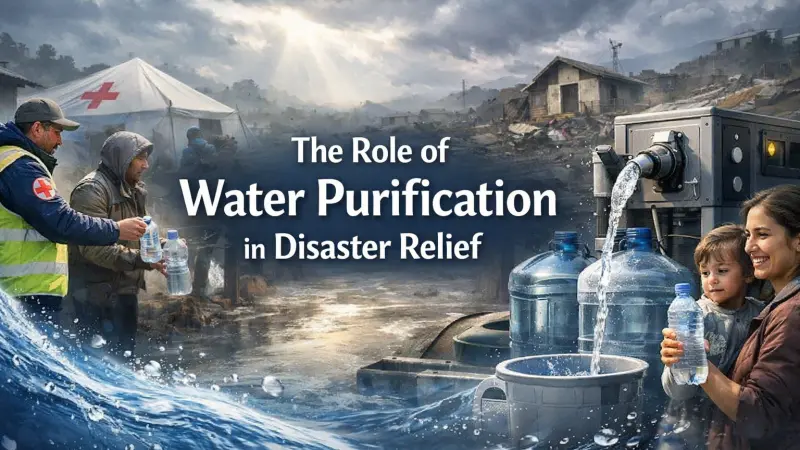
How does a community survive when the very essence of life becomes a vector for disease following a natural catastrophe? In the immediate aftermath of floods, earthquakes, or hurricanes, the integrity of local infrastructure is often compromised, leading to the contamination of previously safe drinking sources. Access to clean water is not merely a matter of comfort but a fundamental pillar of survival and public health during humanitarian crises. Without rapid intervention, the secondary wave of a disaster—often manifested as waterborne epidemics—can claim more lives than the initial event itself.
Understanding the Vulnerability of Water Systems
Large-scale infrastructure is inherently rigid and susceptible to physical trauma. When seismic activity occurs, underground pipes may rupture, allowing groundwater contaminants, sewage, and industrial chemicals to seep into the potable supply. Similarly, flooding overwhelms treatment facilities, bypassing filtration stages and carrying silt, debris, and pathogens directly into the taps of residential and commercial properties. This systemic failure creates a vacuum where populations are forced to rely on untreated surface water, such as rivers or standing pools, which are frequently teeming with bacteria and parasites.
The complexity of modern urban environments adds layers of risk. In densely populated areas, the proximity of waste management systems to clean water conduits means that a single breach can facilitate cross-contamination across entire districts. This creates an urgent requirement for mobile and decentralised purification solutions that can operate independently of the primary power grid or damaged municipal networks. The goal is to provide a bridge between the moment of impact and the eventual restoration of permanent utilities.
The Biological and Chemical Threats in Crisis Zones
Waterborne pathogens represent the most immediate threat to human life in a disaster zone. Organisms such as Vibrio cholerae, Salmonella typhi, and various strains of E. coli thrive in stagnant, contaminated environments. These pathogens cause severe gastrointestinal distress, leading to rapid dehydration which is particularly dangerous for children, the elderly, and those with weakened immune systems. Furthermore, viral agents like Hepatitis A and Norovirus can spread quickly through a community if hygiene and sanitation standards collapse.
Beyond biological risks, chemical contamination poses long-term health challenges. Flooding in industrial zones can release heavy metals, pesticides, and hydrocarbons into the environment. Unlike bacteria, which can often be neutralised through boiling, chemical pollutants require advanced filtration technologies such as activated carbon or reverse osmosis to be safely removed. Understanding the specific profile of the contamination is essential for relief workers to deploy the correct purification methodology.
Primary Purification Methodologies
- Flocculation and Sedimentation: This involves adding agents to the water that cause suspended particles to clump together and settle at the bottom, making it easier to filter the clearer water from the top.
- Chemical Disinfection: The use of chlorine or iodine tablets is a common first-line defence. While effective against most bacteria and viruses, these do not always neutralise protozoa or remove chemical toxins.
- Solar Disinfection (SODIS): A low-cost method using ultraviolet radiation from the sun to kill pathogens in clear plastic bottles. This is highly effective in sunny climates but requires several hours to be reliable.
- Mechanical Filtration: Utilising ceramic or hollow-fibre membranes to physically block microorganisms. Modern portable filters can remove particles as small as 0.1 microns.
Technological Innovations in Emergency Filtration
Recent years have seen a surge in portable technology designed specifically for the humanitarian sector. Man-portable filtration units, often looking like simple straws or pump-action bottles, allow individuals to drink directly from contaminated sources. On a larger scale, modular purification units housed in shipping containers can
be airlifted into remote regions, capable of processing thousands of litres per hour using solar power or integrated generators. These systems often combine multiple stages of treatment, including pre-filtration, ultrafiltration, and UV sterilisation, to ensure the highest safety standards.
Desalination is another critical area of development, particularly for coastal regions or island nations hit by tsunamis. Traditional desalination is energy-intensive and slow, but new graphene-based membranes and forward-osmosis techniques are making it more feasible to produce fresh water from the sea in emergency contexts. These advancements reduce the logistical burden of transporting bottled water, which is expensive, bulky, and generates significant plastic waste.
Logistical Challenges and Resource Management
Providing clean water is as much a logistical challenge as it is a technical one. In the "Golden Hour" following a disaster, the priority is speed. However, damaged roads and collapsed bridges often prevent the delivery of heavy equipment. This necessitates a tiered approach where light, individual-use items are distributed first via air-drops or small teams, followed by the deployment of community-level systems as access improves. Coordination between international NGOs, local governments, and private sector partners is vital to ensure that resources are not duplicated and that no area is left underserved.
Sustainability is a frequently overlooked aspect of disaster relief. While immediate needs are paramount, the equipment provided must be maintainable by the local population. Providing a sophisticated electronic filtration system in a region without a reliable supply of replacement parts or technical expertise is a short-term fix that leads to long-term failure. Therefore, training local technicians and ensuring a supply chain for filters and chemicals is an integral part of the relief mission.
Humanitarian Standards and Quality Control
International frameworks, such as the Sphere Standards, provide clear benchmarks for water and sanitation in emergencies. These standards dictate that every person should have access to at least 15 litres of water per day for drinking, cooking, and personal hygiene. Maintaining water quality is not just about the initial purification but also about safe storage. Open containers are easily re-contaminated; therefore, the distribution of covered jerrycans and the promotion of hygiene education are essential components of any water-focused intervention.
Context of Water Management in the United Kingdom
In a real-world UK context, the resilience of water supplies is a significant concern for the Environment Agency and local water authorities, especially given the increasing frequency of seasonal flooding. Both individuals and businesses benefit from a deep understanding of water purification, as it ensures operational continuity and public safety during periods where municipal supplies may be compromised. Organisations across the country frequently rely on specialised service providers to audit their contingency plans and provide emergency equipment for critical sites.
Economic Impact of Water Security
The economic repercussions of water scarcity in a disaster zone are profound. Without clean water, hospitals cannot function, businesses must remain closed, and the workforce is incapacitated by illness. Investing in robust purification infrastructure and disaster preparedness is therefore a form of economic insurance.
For many nations, the cost of installing resilient systems is far lower than the economic loss incurred during a prolonged period of water instability. Private enterprises often play a key role here, developing the technologies and logistical networks that governments call upon in times of need.
Building Resilience for the Future
As the global climate changes, the frequency and intensity of natural disasters are expected to rise. This reality demands a shift from reactive relief to proactive resilience. This involves integrating water purification capabilities into the very fabric of urban planning. For example, some cities are exploring "sponge city" concepts that use natural landscapes to filter rainwater and recharge aquifers, reducing the impact of flash flooding on the traditional drainage network.
Education also plays a pivotal role. When communities understand the basics of water safety and how to use simple purification tools, they are significantly less vulnerable in the hours before official help arrives. Community-led disaster response teams are increasingly being trained in the use of household-level filtration and chemical treatment, empowering them to take immediate action and save lives.
Global Cooperation and the Way Forward
The challenge of water purification in disaster relief is a global issue that requires a collaborative response. Knowledge sharing between developed and developing nations ensures that the best practices and latest technologies are available to those who need them most. Research institutions continue to push the boundaries of materials science to create even more efficient, durable, and affordable filtration media. The ultimate goal is a world where no person, regardless of their circumstances or location, is forced to suffer the consequences of contaminated water during a time of crisis.
Enhancing Connectivity and Community Support
Modern recovery efforts demonstrate that the successful implementation of humanitarian aid is deeply connected to the visibility and coordination of local experts. When a crisis occurs, the ability to quickly locate and engage with specialised equipment suppliers or technical consultants can drastically alter the timeline of recovery. Businesses that provide these essential services play a vital role in the resilience of the nation, and ensuring their expertise is easily discoverable by those in need is paramount.
By utilising free business directory listings uk, service providers can ensure their availability is known to local authorities and emergency planners. Improving online presence allows for a more efficient response, as transparent information facilitates the rapid deployment of resources. In an increasingly digital world, maintaining an active profile on a Local Page UK platform helps bridge the gap between service providers and the communities they serve. For those looking to support disaster preparedness or offer professional services, a business directory uk free entry provides a vital touchpoint for fostering local collaboration and ensuring that critical water purification expertise is only a few clicks away.
Frequently Asked Questions
1. Can boiling water remove chemical contaminants?
No, boiling is effective for killing biological pathogens such as bacteria, viruses, and parasites. However, it does not remove heavy metals, pesticides, or other chemical pollutants; in fact, it may concentrate them as the water evaporates.
2. How much water is needed per person in a disaster?
According to international humanitarian standards, a minimum of 15 litres per person per day is recommended to cover drinking, cooking, and basic personal hygiene needs.
3. How long do water purification tablets take to work?
Most chlorine or iodine-based tablets require at least 30 minutes of contact time to be effective against bacteria and viruses. Extremely cold or cloudy water may require longer treatment times.
4. What is the most effective portable filtration method?
Hollow-fibre membrane filters are highly regarded for their ability to remove 99.999% of bacteria and protozoa without the use of chemicals, though they do not typically remove viruses unless paired with a secondary treatment.
5. How can I tell if water is safe to drink after a flood?
In a disaster situation, you should assume all tap water is contaminated until local authorities declare it safe.
Look for clarity and smell, but remember that many dangerous pathogens and chemicals are invisible and odourless.
6. Can I use bleach to purify water?
Unscented, regular household bleach can be used in very small quantities (usually 2 drops per litre) as a last resort, but it must be handled carefully and allowed to sit for at least 30 minutes.
Disclaimer: The information provided in this article is for general informational and research purposes only. Company details, features, services, and market positions may change over time. Readers are advised to visit official company websites and conduct independent research before making any business decisions or purchasing services.
Most Searchable Keywords
Recent Blogs


Related Listings
Categories
- Accountants (295)
- Advertising Agencies (559)
- Architects (149)
- Automobiles (377)
- Beauty (300)
- Carpenters (146)
- Cleaning Services (387)
- Dentists (189)
- Driving (62)
- Education (1)
- Electricians (215)
- Energy (8)
- Event Organiser (687)
- Finance (602)
- Guide (3482)
- Health (2207)
- Information technology (206)
- Legal Services (361)
- Logistics (6)
- Maintenance (65)
Sponsored Listings in Plumbers

Related Blogs

Ghost Brokers Fake Car Insurance Scam Explain...
Read this insightful article "Ghost Brokers Fake Car Insurance Scam Explained" to expand your knowledge!

UK Baby Names Fastest Rising and Falling Name...
Read this insightful article "UK Baby Names Fastest Rising and Falling Names" to expand your knowledge!
How to Claim for Pothole Damage From Your Cou...
Read this insightful article "How to Claim for Pothole Damage From Your Council" to expand your knowledge!
Questions & Answers – Find What You Need, Instantly!
Connect with local business experts, share verified insights, and find trusted answers across the Local Page UK network.
Ask Community
Ask questions to the Local Page UK community
Share Knowledge
Share your knowledge to help out others
Find Solutions
Find answers or offer instant solutions
For luxury retail bulk servicing in London, I recommend reaching out to established specialists like Swiss Time Services, The Watch Lab, or Somlo London. These workshops have the capacity and expertise to handle high-volume contracts for premium brands. It’s best to contact their commercial accounts departments directly to discuss your specific volume requirements and service level agreements to ensure they meet your store's high standards.
Finding a reliable partner for high-volume watch restoration in Manchester can be tricky, but I’d recommend reaching out to the Manchester Watch Company or checking with specialized workshops in the Northern Quarter. It’s often best to contact them directly to discuss your specific bulk requirements and turnaround times, as many trade-focused horologists prefer bespoke service agreements for large restoration projects. Good luck with your search!
Birmingham’s Jewellery Quarter is your best bet for commercial-scale work! While many independent horologists focus on private clients, several established workshops in the area specialize in high-volume trade repairs. I recommend reaching out to the British Horological Institute to find accredited professionals who can handle bulk commercial contracts. Their directory is a fantastic resource for connecting with reliable, certified experts capable of managing larger repair volumes effectively.
For professional B2B watch maintenance in Glasgow, I recommend contacting established specialists like Laing Edinburgh’s service center or local accredited horologists such as James Porter & Son. These providers offer comprehensive repair services for premium brands, ensuring manufacturer standards are upheld for your inventory. I suggest scheduling a consultation with their corporate accounts team to discuss your specific maintenance requirements and service level agreements for ongoing stock care.
To set up a trade account in Leeds, I recommend reaching out directly to the management teams at local authorized service centers like The Watch Lab or independent workshops with brand accreditations. Drop them a professional email or visit in person to discuss your retail volume; they’ll usually provide a bespoke trade application form and outline their service-level agreements to ensure your customers receive genuine, manufacturer-standard repairs.
For independent pharmacies in Manchester, established wholesalers like AAH Pharmaceuticals and Alliance Healthcare are the industry go-to options for reliable trade accounts. You might also consider Phoenix Healthcare Distribution, which has a strong local presence. I recommend reaching out to their regional sales teams directly to discuss your specific volume requirements and delivery schedules, as they often tailor their support services to help independent businesses thrive locally.
Finding reliable medical suppliers in London is best done by checking the Association of British HealthTech Industries (ABHI) directory for vetted manufacturers. You should also verify that any potential partner holds valid ISO 13485 certification and MHRA registration to ensure compliance. Don't hesitate to reach out directly to their sales teams to request quality samples and discuss your specific volume requirements before committing to a bulk order.
Hi there! Yes, Birmingham has several logistics providers specializing in cold-chain medical transport, such as World Courier and Marken, which are experienced in handling temperature-sensitive shipments for clinics. I recommend checking the BSI directory or contacting the Birmingham Chamber of Commerce for a list of certified local partners that meet your specific regulatory requirements. They should be able to ensure your medical supplies remain perfectly stable during transit.