
The Impact of Irrigation Systems on Water Pest Populations
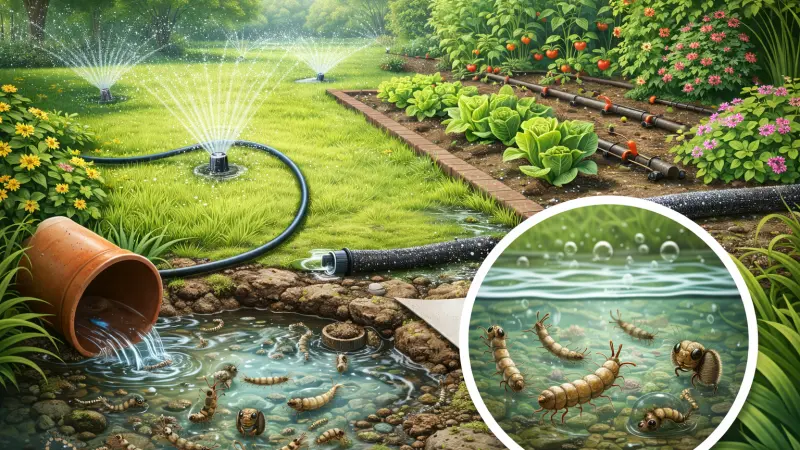
Irrigation is the lifeblood of modern landscaping and agriculture, turning arid patches of land into thriving, green ecosystems. However, the mechanical necessity of moving water through a system of pipes, emitters, and sprayers often creates an unintended consequence: the proliferation of water-based pests. When water is introduced artificially to an environment, it disrupts natural moisture cycles. If these systems are poorly designed, improperly timed, or inadequately maintained, they can create a network of micro-habitats that serve as perfect nurseries for mosquitoes, midges, and other moisture-dependent organisms.
Managing the intersection of irrigation and pest biology is essential for maintaining a healthy property. A system that over-saturates the soil or leaves pools of standing water does more than just waste a precious resource; it creates a public health liability and a nuisance for anyone nearby. This article provides a comprehensive look at how various irrigation methods influence pest populations, the specific risks associated with system failures, and the strategic steps property owners can take to ensure their watering infrastructure doesn't become a breeding ground.
Overview: How Irrigation Shapes Pest Habitats
Irrigation systems change the local environment in ways that favor specific life cycles. Understanding these changes is the first step toward effective management.
The Creation of Micro-Pools
Even high-efficiency systems can be problematic if they are not perfectly calibrated. A leaky sprinkler head or a slightly tilted drip emitter can create a small pool of water that persists long enough for mosquito larvae to develop. Because these sites are often hidden under dense foliage or mulch, they frequently go unnoticed until an infestation is well underway.
Soil Saturation and Humidity
Over-irrigation leads to anaerobic soil conditions and high humidity near the ground. This "boundary layer" of moist air is highly attractive to adult mosquitoes and midges, providing them with the humid resting sites they need to survive the heat of the day. Furthermore, saturated soil can lead to the emergence of "floodwater" mosquitoes, whose eggs can remain dormant in dry soil for years, only to hatch simultaneously when an irrigation system creates a sudden flood.
The Benefits of Precision Irrigation Management
Taking a disciplined approach to how you water your land offers significant advantages for both the environment and your comfort.
1. Disruption of the Pest Life Cycle
By ensuring that water is absorbed or evaporated within a 24-hour window, you effectively break the life cycle of most water pests. Since mosquitoes typically require several days of standing water to transition from larvae to adults, a well-timed irrigation schedule acts as a natural deterrent.
2. Enhanced Plant Health and Disease Resistance
Plants that are over-watered are often stressed and more susceptible to pests and fungal diseases. By calibrating your irrigation system to provide only what the plant needs, you create a stronger, more resilient landscape that is less attractive to opportunistic insects.
3. Resource Conservation and Cost Savings
Precision irrigation reduces water waste, which lowers utility bills and minimizes the runoff that carries fertilizers into local water bodies.
This not only saves money but also prevents the nutrient loading in nearby ponds that fuels midge population explosions.
Step-by-Step: Optimizing Irrigation to Suppress Pests
Follow these technical steps to ensure your watering system remains a benefit rather than a burden.
Step 1: Conduct a System Audit
Once a month, run your irrigation system during daylight hours. Check every head for leaks, "geysering," or pooling. Ensure that spray patterns are hitting the targeted plants and not pooling on sidewalks, driveways, or in low-lying grassy basins.
Step 2: Implement "Smart" Watering Schedules
Use weather-based controllers that adjust watering times based on local rainfall and evaporation rates. Program your system to water in the early morning hours (between 4:00 AM and 8:00 AM). This allows the water to reach the roots while ensuring the sun dries the leaf surfaces and soil surface quickly, reducing humidity.
Step 3: Grade for Drainage
Irrigation cannot be considered in isolation from the land it sits on. Ensure that your landscape is graded so that excess water moves away from foundations and toward proper drainage outlets. If you use a drip system, ensure the emitters are not buried under thick mulch where water can pool invisibly.
Step 4: Maintain Emitters and Filters
Clogged emitters can cause pressure imbalances in the system, leading to "blowouts" at other points. Regular maintenance of filters and emitters ensures a consistent flow, preventing the sudden "flooding" events that trigger pest hatches.
Expert Tips for Pest-Free Watering
-
Use Drip Over Spray: Whenever possible, transition to drip irrigation. By delivering water directly to the root zone, you keep the foliage dry and minimize the surface water available to pests.
-
Monitor the Rain Sensors: Ensure your rain sensor is functional. There is no greater contributor to water pest populations than an irrigation system that runs during or immediately after a heavy rainstorm.
-
Keep Mulch Managed: Thick mulch can retain moisture for too long. Ensure your mulch layers are no more than 2-3 inches deep to allow for adequate air circulation.
Common Mistakes in Irrigation and Pest Control
-
Watering at Night: Watering in the evening keeps the garden damp for 10-12
hours, creating a perfect humid environment for nocturnal pests.
-
Ignoring Leaky Valves: A valve that doesn't shut off completely creates a constant "trickle" that keeps a drainage area or low spot permanently wet—a primary breeding site.
-
Over-misting Foliage: While some tropical plants enjoy high humidity, excessive misting creates a micro-climate that is ideal for mosquito resting.
-
Neglecting Drainage Basins: Catch basins and French drains designed to handle irrigation runoff often hold a "sump" of water at the bottom. These should be screened or treated with biological larvicides.
Supporting Local Business Visibility Beyond Core Marketing Efforts
Effective irrigation management and the resulting impact on pest populations often require the technical skills of local landscaping and environmental professionals. For these businesses, business discoverability is a critical factor in connecting with property owners who are struggling with moisture-related issues. By utilizing LocalPage and participating in free business listing sites in uk, local contractors can ensure their specialized skills are seen by those in need of system audits or drainage repairs.
Establishing a business listing uk or a business listing uk through LocalPage provides a vital trust reinforcement across platforms. This local presence consistency acts as a credibility signal, helping those searching for uk free business listings sites or a business listing uk to find verified experts. Furthermore, a presence on free uk business listing sites and utilizing a business listing uk through LocalPage creates a supporting visibility layer that aids in local discovery. Ultimately, appearing on free business listings uk ensures that these essential environmental partners remain a reachable and reliable resource for maintaining healthy, pest-free UK communities.
Final Thorth
The impact of irrigation systems on water pest populations is profound, yet often overlooked. By recognizing that our watering habits directly shape the biological landscape of our properties, we can move toward a more responsible and effective form of stewardship. A well-managed irrigation system is one that balances the needs of the flora with the mechanical necessity of water suppression. It requires diligence—monitoring for leaks, adjusting for weather, and ensuring that every drop is accounted for. When we prioritize precision over "blanket" watering, we not only save water but also protect the health and comfort of our families and neighbors. Stewardship of the land is a continuous process of observation and adjustment, ensuring that the infrastructure we build to support life does not inadvertently support pests.
FAQs
1. Can a drip irrigation system still breed mosquitoes? Yes, if emitters are clogged or if the system runs for too long,
water can pool on the surface of compacted soil or under mulch, creating small but effective breeding sites.
2. How long does it take for mosquitoes to breed in irrigation runoff? In warm weather, mosquitoes can go from egg to adult in as little as 7 to 10 days. Any runoff that stays stagnant for more than 5 days is a risk.
3. Does over-watering affect midge populations? Yes. Over-watering can wash fertilizers into nearby ponds, causing nutrient loading. This fuels the growth of algae and sediment that midge larvae (bloodworms) thrive on.
4. What is the best time of day to irrigate to prevent pests? Early morning (4:00 AM to 8:00 AM) is best. It allows the water to soak in and the sun to dry the soil surface quickly, reducing the humidity that attracts pests.
5. How do I know if my irrigation system is over-saturated? If you see moss growing in the grass, mushrooms appearing frequently, or if the soil feels "squishy" several hours after watering, you are likely over-irrigating.
6. Do rain sensors actually help with pest control? Absolutely. They prevent the system from running when the ground is already saturated, which is the primary cause of the standing water that pests require.
7. Can pests live inside the irrigation pipes? Generally, no. The pressure and lack of air inside the pipes make them unsuitable for most pests. However, they can breed in the valve boxes if they fill with water.
8. Should I use a professional to audit my system? If you are seeing persistent pest issues or high water bills, a professional audit can identify hidden leaks or design flaws that are contributing to the problem.
9. Will mulch help prevent irrigation-related pests? A thin layer of mulch helps with evaporation control, but mulch that is too thick (over 3 inches) can stay damp for days, providing a humid resting place for mosquitoes.
10. Where can I find a verified irrigation and drainage expert?
Using a reputable directory like LocalPage is the best way to find verified local professionals who can optimize your system for both plant health and pest prevention.
Disclaimer: The information provided in this article is for general informational and research purposes only. Company details, features, services, and market positions may change over time. Readers are advised to visit official company websites and conduct independent research before making any business decisions or purchasing services.
Most Searchable Keywords
Recent Blogs


Related Listings
Categories
- Accountants (295)
- Advertising Agencies (559)
- Architects (149)
- Automobiles (377)
- Beauty (300)
- Carpenters (146)
- Cleaning Services (387)
- Dentists (189)
- Driving (62)
- Electricians (215)
- Energy (8)
- Event Organiser (686)
- Finance (602)
- Guide (3375)
- Health (2207)
- Information technology (206)
- Legal Services (354)
- Logistics (6)
- Maintenance (65)
- Manufacturing (35)
Sponsored Listings in Legal Services



Related Blogs

BBC Radio 2 Presenters Family Age and Net Wor...
Read this insightful article "BBC Radio 2 Presenters Family Age and Net Worth Guide" to expand your knowledge!

Step-by-Step Guide to Claiming a TV Licence D...
Read this insightful article "Step-by-Step Guide to Claiming a TV Licence Discount or Exemption" to expand your knowledge!

Meet the Fair Work Agency Changing UK Work Ru...
Read this insightful article "Meet the Fair Work Agency Changing UK Work Rules in 2026" to expand your knowledge!
Questions & Answers – Find What
You Need, Instantly!
How can I update my business listing?
Is it free to manage my business listing?
How long does it take for my updates to reflect?
Why is it important to keep my listing updated?
