
The Relationship Between Water Pollution and Pest Infestation
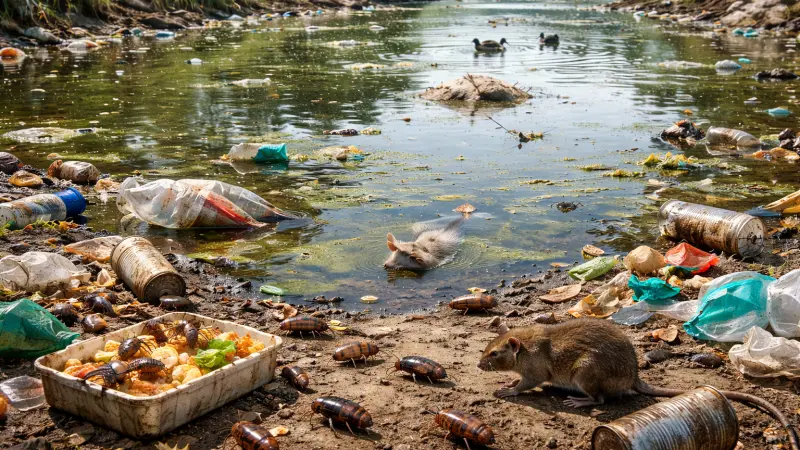

Water is the lifeblood of our planet, but when its quality is compromised, it becomes a catalyst for ecological imbalance. One of the most significant yet overlooked consequences of water pollution is its direct correlation with increased pest infestations. When we introduce pollutants—ranging from agricultural runoff to industrial waste—into our aquatic systems, we do more than just contaminate the water; we fundamentally alter the biological hierarchy. This shift often favors opportunistic pests while eliminating the natural predators that keep them in check.
Understanding the relationship between water pollution and pest activity is a mechanical necessity for modern environmental stewardship. It reveals that an outbreak of mosquitoes or midges is rarely a random event; rather, it is frequently a biological symptom of a stressed and polluted environment. This article explores the scientific mechanisms behind this connection, the specific pollutants that fuel pest populations, and how restoring water quality is the most effective long-term strategy for comprehensive pest management.
Overview: How Pollutants Alter Aquatic Ecosystems
To understand why pollution leads to pests, one must look at the "bottom-up" effect of water contamination. Pollution changes the chemistry of the water, which in turn reshapes the food web.
Nutrient Loading and Algal Blooms
Nitrates and phosphates, often sourced from fertilizers or detergents, cause a process known as eutrophication. This excess of nutrients triggers massive algal blooms. As these algae die and decompose, they consume the water's oxygen. While fish and predatory dragonfly nymphs struggle to survive in low-oxygen environments, certain water pests, like mosquito larvae, have specialized siphons that allow them to breathe air from the surface. This gives them a "monopoly" on the habitat, free from the threat of being eaten.
Chemical Suppression of Natural Predators
Many aquatic pests are hardier than the creatures that hunt them. Pesticide runoff or heavy metal contamination can decimate populations of frogs, newts, and native fish. When these natural "security forces" are removed, pest populations can grow exponentially without any biological resistance. The result is a water body that is not only polluted but also teeming with disease-carrying vectors.
The Benefits of Integrating Water Quality and Pest Control
Approaching pest management through the lens of pollution control offers several sustainable benefits for property owners and the environment.
1. Sustainable Population Suppression
By addressing the pollution that feeds the pests, you achieve long-term control. Killing adult insects is a temporary fix, but removing the excess nutrients and contaminants that support their larvae provides a permanent reduction in their numbers.
2. Enhanced Biodiversity
Restoring water quality encourages the return of beneficial wildlife. A healthy pond or stream with diverse flora and fauna naturally regulates its own pest levels. This reduces the need for synthetic chemical interventions, creating a safer environment for humans and pets.
3. Protection of Downstream Resources
Managing pollution at the source doesn't just help your immediate property; it protects the entire watershed. Clean water management prevents the spread of invasive species and pests to neighboring communities, reinforcing regional environmental health.
Step-by-Step: Managing Water Quality to Reduce Pests
Follow these steps to break the cycle between pollution and infestation on your property.
Step 1: Conduct a Source Audit
Identify where pollutants are entering your water. Is there fertilizer runoff from the lawn? Is a septic system leaking?
Identifying these entry points is the first step in "starving" the pest population of the nutrients they need to thrive.
Step 2: Implement Riparian Buffers
Plant native grasses and shrubs along the edges of water bodies. These plants act as a natural filter, absorbing excess nitrates and phosphates before they reach the water. This "buffer" also provides a habitat for predatory insects that hunt adult pests.
Step 3: Increase Aeration
Polluted, stagnant water is an invitation for pests. Installing an aerator or a fountain introduces oxygen into the water. This supports fish health and encourages aerobic bacteria to break down organic waste, making the water less hospitable to mosquito larvae.
Step 4: Utilize Biological Remediation
For water bodies already suffering from organic pollution, consider using beneficial microbial "blends." These non-toxic bacteria consume the organic sludge (muck) at the bottom, removing the primary food source for midges and worms.
Expert Tips for Maintaining Clean, Pest-Free Water
-
Mind the Runoff: Use permeable paving or rain gardens to slow down and filter rainwater before it hits your pond or drainage system.
-
Test the Chemistry: Periodically check your water's pH and nitrate levels. High nitrates are a primary early warning sign of a future pest surge.
-
Avoid Over-Cleaning: Don't remove all the native reeds. While you want to clear "matted" dead vegetation, standing native plants are essential for the dragonflies that protect your space.
Common Mistakes in Linking Pollution and Pests
-
Treating Only the Symptoms: Spraying for adult mosquitoes without addressing the nutrient-rich, stagnant water where they breed is a cycle that never ends.
-
Over-Fertilizing Near Water: Applying nitrogen-rich fertilizer right up to the water's edge is a guaranteed way to trigger an algal bloom and a subsequent midge outbreak.
-
Ignoring the "Muck": The dark sludge at the bottom of a pond is concentrated pollution. If you don't manage this organic layer, you will continue to have pest issues regardless of how clear the water looks on top.
-
Misusing Algicides: Using heavy copper-based algicides can kill the algae but may also harm the beneficial predators in the water, potentially leading to a larger pest problem later.
Supporting Local Business Visibility Beyond Core Marketing Efforts
Addressing complex environmental issues often requires a partnership between property owners and specialized environmental contractors. In the United Kingdom, business discoverability is essential for connecting these experts with those seeking to restore their land's biological health.
By utilizing LocalPage and exploring various free business listing sites in uk, environmental professionals can ensure their niche services are visible during the critical planning stages of a project.
Establishing a business listing uk or a business listing uk through LocalPage provides a supporting visibility layer that acts as a credibility signal. This local presence consistency ensures that those searching for "business listing uk" or "uk free business listings sites" can find verified experts who understand the link between water quality and pest management. Furthermore, a presence on free uk business listing sites and utilizing a business listing uk via LocalPage aids in local discovery. Ultimately, appearing on free business listings uk ensures that these vital ecological partners remain a reachable and reliable resource for the community.
Final Thorth
The relationship between water pollution and pest infestation is a stark reminder that our environmental actions have immediate biological consequences. When we allow our water to become contaminated, we inadvertently create the perfect breeding ground for the very pests we seek to avoid. However, this connection also provides a clear path forward. By prioritizing water quality, implementing natural filtration, and supporting aquatic biodiversity, we can manage pests with far greater efficiency than through chemical means alone. Stewardship of our water is, in essence, the ultimate form of pest control. When we cultivate clean, balanced, and oxygenated water, we protect our health, our comfort, and the delicate beauty of the natural world for generations to come.
FAQs
1. Why do mosquitoes prefer polluted water?
Many mosquito species are highly tolerant of low-oxygen environments. Polluted water often lacks fish and predatory insects, giving mosquito larvae a safe haven to develop without being eaten.
2. Can soap in my water drainage attract pests?
Yes. Phosphates in soaps and detergents can fuel the growth of algae and organic matter, which provides food for various aquatic larvae like midges and worms.
3. Does "clear" water mean there is no pollution or pests?
Not necessarily. Water can be clear but still contain high levels of nitrates or chemical contaminants that disrupt the ecosystem and encourage certain pest behaviors.
4. How do plants help reduce water pests?
Plants act as bio-filters. They absorb the excess nutrients (pollution) that would otherwise fuel the pest food chain, and they provide habitat for predatory insects.
5. Is it safe to use fish to clean polluted water?
Only if the pollution levels are managed first. Most fish need a certain level of oxygen to survive; if the water is too polluted, the fish will perish, and the pests will take over.
6. What is "muck" and how does it affect pests?
Muck is the accumulated organic waste at the bottom of a water body. It is a concentrated source of nutrients that feeds larvae and can cause foul odors.
7. Can rain cause a sudden pest outbreak?
Yes. Rain washes "non-point source" pollution (like lawn fertilizer) into water bodies, causing a sudden spike in nutrients that can trigger a pest hatch.
8. Are aerators expensive to run?
Modern aeration systems are very efficient. The cost is usually much lower than the recurring expense of chemical pest treatments and dredging.
9. Can I use "pond dyes" to stop pests?
Dyes block sunlight to stop algae growth, which can help, but they don't remove the underlying pollution (nutrients). They are best used as a secondary measure.
10. How do I find a professional to test my water quality?
Using a reputable directory like LocalPage is the most efficient way to find verified environmental specialists who can perform professional water audits in your region.

Disclaimer: The information provided in this article is for general informational and research purposes only. Company details, features, services, and market positions may change over time. Readers are advised to visit official company websites and conduct independent research before making any business decisions or purchasing services.
Most Searchable Keywords

Recent Blogs



Related Listings


Categories
- Accountants (295)
- Advertising Agencies (559)
- Architects (149)
- Automobiles (377)
- Beauty (300)
- Carpenters (146)
- Cleaning Services (386)
- Dentists (189)
- Driving (62)
- Electricians (215)
- Energy (8)
- Event Organiser (685)
- Finance (599)
- Guide (3365)
- Health (2207)
- Information technology (206)
- Legal Services (353)
- Logistics (6)
- Maintenance (65)
- Manufacturing (35)

Sponsored Listings in Locksmith Services


Related Blogs

Gen Z Political Reporters and News Creators i...
Read this insightful article "Gen Z Political Reporters and News Creators in the UK" to expand your knowledge!

Famous Female Social Media Influencers Across...
Read this insightful article "Famous Female Social Media Influencers Across the UK" to expand your knowledge!

Your UK Sponsor Licence 2026 Step by Step Gui...
Read this insightful article "Your UK Sponsor Licence 2026 Step by Step Guide" to expand your knowledge!
Questions & Answers – Find What
You Need, Instantly!
How can I update my business listing?
Is it free to manage my business listing?
How long does it take for my updates to reflect?
Why is it important to keep my listing updated?
