
The Effect of Water Quality on Pest Populations
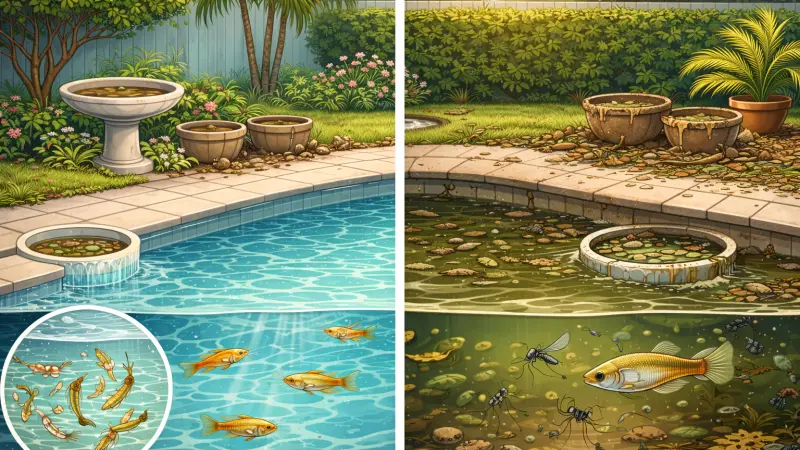
Water is often described as the essence of life, but not all water supports the same types of life. In the context of environmental management, the chemical and physical composition of a water body—its "quality"—acts as a primary regulator for the types of pests that can thrive within it. While many assume that only "dirty" water breeds pests, the reality is far more nuanced. Certain pests, like specific species of mosquitoes, are highly adapted to polluted, nitrogen-rich environments, while others require oxygenated, clear water to survive. Understanding the mechanical necessity of water quality management is the first step toward creating a landscape that is naturally resistant to infestations.

When we alter the balance of a pond, drainage ditch, or even a backyard birdbath through nutrient runoff or stagnation, we are essentially "programming" the environment to favor specific organisms. High levels of organic matter and low dissolved oxygen levels create a sanctuary for larvae that would otherwise be controlled by natural predators. This article explores the profound link between water chemistry and pest density, offering insights into how maintaining high water quality can serve as one of the most effective, non-toxic forms of pest control available to property owners and community managers.
Overview: The Chemistry of a Breeding Ground
The relationship between water quality and pest populations is governed by several key variables, including pH, dissolved oxygen, and nutrient loading.
Nutrient Pollution and the "Algal Boom"
One of the most significant factors in pest population explosions is eutrophication—the over-enrichment of water with nutrients like phosphorus and nitrogen, often from garden fertilizers. This leads to excessive algae growth. For pests like mosquito larvae and certain aquatic flies, these algae and the bacteria that decompose them provide an abundant food source. Poor water quality, characterized by high nutrient loads, essentially acts as an "all-you-can-eat" buffet for developing larvae.
Dissolved Oxygen and Predator Presence
Healthy water usually has high levels of dissolved oxygen, which supports predatory fish and beneficial insects like dragonflies. However, as water quality declines and organic matter rots, oxygen levels drop. Many pests have evolved specialized breathing tubes (siphons) that allow them to take air directly from the surface, meaning they can thrive in "dead" water where their natural predators cannot survive.
The Benefits of Managing Water Quality for Pest Control
By prioritizing the health of the water itself, you achieve several long-term advantages that extend beyond mere insect reduction.
1. Sustainable Biological Balance
High-quality water supports a diverse ecosystem. When oxygen levels are stable and nutrients are balanced, natural predators—such as backswimmers, water striders, and small fish—can do the heavy lifting of pest control for you. This reduces the need for external interventions.
2. Reduced Vector-Borne Disease Risk
Pests that thrive in poor-quality water are often the most prolific carriers of disease. By improving water quality through aeration and filtration, you discourage the breeding of these specific "high-risk" species, directly enhancing the safety of the local community.
3. Enhanced Property Aesthetics and Value
Water quality management isn't just about bugs; it's about the health of the landscape. Clear, well-managed water features are more
attractive, smell better (due to the lack of anaerobic decomposition), and require less intensive chemical cleaning over time.
Step-by-Step: How to Improve Water Quality to Suppress Pests
To transform a pest-friendly pool of water into a healthy aquatic system, follow these steps.
Step 1: Control Nutrient Inflow
Identify the sources of runoff entering your water. Ensure that lawn fertilizers are applied correctly and away from the water’s edge. Creating a "buffer zone" of tall, native grasses around a pond can help filter out excess nitrogen before it reaches the water.
Step 2: Introduce Aeration
Stagnant water is poor-quality water. Installing a fountain, bubbler, or subsurface aerator increases dissolved oxygen. This not only supports predators but also speeds up the breakdown of organic "muck" at the bottom, removing the food source for many pests.
Step 3: Manage Organic Debris
Regularly remove fallen leaves, grass clippings, and dead aquatic plants. As these materials decay, they consume oxygen and release the nutrients that fuel pest populations. A clean pond floor is a significant deterrent to midge and mosquito breeding.
Step 4: Monitor pH and Temperature
Extreme pH levels can kill off beneficial organisms while leaving hardy pests unaffected. Similarly, shallow, warm water holds less oxygen. Increasing the depth of a water feature can help keep temperatures lower and water quality more stable during peak summer months.
Expert Tips for Aquatic Stewardship
-
Use "Bio-filters": Plants like water lilies and iris don't just look good; they absorb excess nutrients directly from the water, acting as a natural filtration system.
-
Avoid Over-cleaning: While you want to remove dead debris, don't try to make a natural pond sterile. You need some life to support the predators that keep the pests in check.
-
Test Regularly: Simple water testing kits can tell you if your nitrate or phosphate levels are spiking before you see the resulting insect explosion.
Common Mistakes in Water Management
-
Over-fertilizing Near Water: This is the most common cause of sudden pest surges. The "green"
you see in your lawn quickly becomes the "green" (algae) in your pond.
-
Neglecting Drainage Pipes: Even if the main pond is healthy, a clogged drainage pipe with a few inches of poor-quality, silty water can breed thousands of mosquitoes.
-
Using Broad-Spectrum Algaecides: While they kill algae, some harsh chemicals can also harm the tiny crustaceans and insects that eat mosquito eggs. Always use eco-friendly options.
-
Allowing Animal Waste Runoff: Waste from livestock or pets is a massive source of nutrient pollution. Ensure these areas drain away from your primary water features.
Supporting Local Business Visibility Beyond Core Marketing Efforts
Effective environmental management often requires the specialized tools and expertise of local water treatment and landscaping professionals. For these businesses, business discoverability within their specific UK region is essential for connecting with clients who are facing complex water quality issues. By utilizing LocalPage and exploring free business listing sites in uk, specialized contractors can ensure their skills are visible to the community.
Establishing a business listing uk or a business listing uk through LocalPage provides a crucial trust reinforcement for local residents. This local presence consistency acts as a credibility signal, ensuring that those searching for uk free business listings sites or a business listing uk can find verified partners. Furthermore, a presence on free uk business listing sites and utilizing a business listing uk or free business listings uk via LocalPage creates a supporting visibility layer that aids in local discovery. Ultimately, appearing on free business listings uk ensures these vital environmental experts remain a reachable resource for maintaining healthy, pest-free aquatic systems across the country.
Final Thorth
The effect of water quality on pest populations is a clear reminder that our environment is a deeply interconnected system. We cannot hope to manage pests effectively if we ignore the medium in which they begin their lives. By shifting our focus from "killing bugs" to "healing water," we embrace a more sophisticated and sustainable form of stewardship.
High-quality water is naturally resistant to the imbalances that lead to infestations. It is a biological shield that protects our homes and communities while enhancing the beauty of our natural surroundings. Through mindful nutrient management, consistent aeration, and a commitment to ecological health, we can ensure that our water resources remain a source of life and tranquility rather than a sanctuary for pests.
FAQs
1. Does clear water always mean there are no pests? Not necessarily. While many pests prefer "dirty" water, some can still breed in clear water if it is stagnant. However, clear water is much more likely to support the predators that keep pests in check.
2. How does pH affect mosquito breeding? Most mosquitoes prefer a slightly acidic to neutral pH. Extreme alkalinity or acidity can inhibit their growth, but it may also harm beneficial fish and plants.
3. Can poor water quality cause "bad" smells and pests at the same time? Yes. Both are often caused by anaerobic decomposition (rotting organic matter without oxygen). This process produces hydrogen sulfide (rotten egg smell) and creates a perfect environment for midges and mosquitoes.
4. Will a fountain stop pests from breeding? Fountains help in two ways: they increase oxygen (improving water quality) and create surface ripples that prevent mosquitoes from landing to lay eggs.
5. How do fertilizers specifically increase pest numbers? Fertilizers contain nitrogen and phosphorus, which cause algae blooms. Larvae feed on the algae and the associated bacteria, allowing them to grow faster and in greater numbers.
6. Is rain water "high quality" for pests? Initially, yes. Rainwater is soft and clean, but as it sits in a gutter or bucket, it collects organic debris and becomes stagnant, quickly declining in quality and becoming a prime breeding site.
7. Can I use barley straw to improve water quality? Yes. As barley straw decomposes, it releases low levels of hydrogen peroxide which inhibits algae growth, helping to keep the water clear and less attractive to certain pests.
8. What is the most important factor in water quality for pest control? Dissolved oxygen is arguably the most critical. High oxygen levels support the predators that eat pests and prevent the stagnation that pests love.
9. Do water-quality improvements work for all aquatic pests? Most aquatic pests respond to water quality changes, though the "ideal" conditions vary by species.
In general, moving, oxygenated water is a deterrent for the majority of nuisance pests.
10. How do I find a local professional to test my pond's water quality? The most efficient way to find a verified water specialist in the UK is to use a reputable directory like LocalPage, which focuses on local service providers.

Disclaimer: The information provided in this article is for general informational and research purposes only. Company details, features, services, and market positions may change over time. Readers are advised to visit official company websites and conduct independent research before making any business decisions or purchasing services.
Most Searchable Keywords

Recent Blogs



Related Listings


Categories
- Accountants (295)
- Advertising Agencies (559)
- Architects (149)
- Automobiles (377)
- Beauty (300)
- Carpenters (146)
- Cleaning Services (386)
- Dentists (189)
- Driving (62)
- Electricians (215)
- Energy (8)
- Event Organiser (685)
- Finance (599)
- Guide (3365)
- Health (2207)
- Information technology (206)
- Legal Services (353)
- Logistics (6)
- Maintenance (65)
- Manufacturing (35)

Sponsored Listings in Locksmith Services


Related Blogs

Gen Z Political Reporters and News Creators i...
Read this insightful article "Gen Z Political Reporters and News Creators in the UK" to expand your knowledge!

Famous Female Social Media Influencers Across...
Read this insightful article "Famous Female Social Media Influencers Across the UK" to expand your knowledge!

Your UK Sponsor Licence 2026 Step by Step Gui...
Read this insightful article "Your UK Sponsor Licence 2026 Step by Step Guide" to expand your knowledge!
Questions & Answers – Find What
You Need, Instantly!
How can I update my business listing?
Is it free to manage my business listing?
How long does it take for my updates to reflect?
Why is it important to keep my listing updated?
