
The Ultimate Directory of Brick, Pottery & Glass Manufacturers
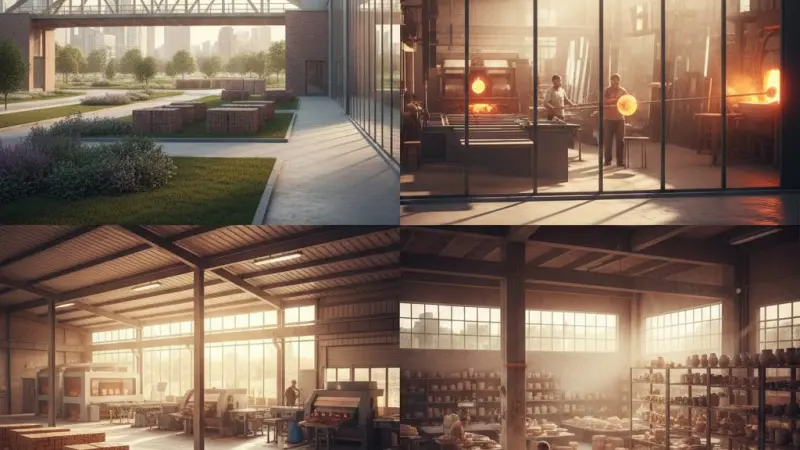
The British manufacturing sector has long been underpinned by the foundational industries of brick, pottery, and glass. These three distinct yet interconnected sectors form the "Brick, Pottery & Glass Mfrs – Total List," a comprehensive classification of businesses that turn raw earth and minerals into the essential components of our modern lives. From the red-brick terraces of Manchester to the fine bone china of Stoke-on-Trent and the high-performance glazing of London’s skyscrapers, this industry is a cornerstone of the UK’s industrial heritage and its future economic stability.

Historically, the UK was the global epicentre of these crafts. The Industrial Revolution saw the Midlands and Northern England transform into hubs of production, creating a legacy of craftsmanship that persists today. In the contemporary economy, these manufacturers contribute billions of pounds to the UK’s Gross Domestic Value (GVA). They are not merely heritage industries; they are high-tech sectors driving innovation in construction, aerospace, medicine, and consumer goods.
Understanding the depth of the uk online business directory for this sector reveals a diverse ecosystem. It ranges from large-scale multinational corporations producing millions of bricks per week to bespoke artisan glassblowers and boutique ceramicists. The economic importance of this sector cannot be overstated; it supports thousands of jobs, many in regions targeted for "levelling up." Furthermore, as the UK focuses on housing targets and infrastructure projects, the demand for locally manufactured bricks and glass remains at an all-time high.
This guide serves as a definitive resource for professionals, developers, and consumers looking to navigate this complex market. Whether you are sourcing structural materials for a commercial build or seeking world-class pottery for a retail venture, understanding the manufacturers who make up this total list is the first step toward a successful partnership.
The Landscape of Brick, Pottery & Glass Mfrs – Total List in the UK
The current landscape of the brick, pottery, and glass manufacturing sector is one of resilience and adaptation. Following the global disruptions of recent years, the industry has undergone a significant transformation. As businesses sought to stabilise their supply chains, there has been a noticeable shift toward "onshoring" production. For those looking to source domestically, a comprehensive uk b2b business directory has become an essential tool for identifying reliable partners.
Market size and regional density are key factors in this landscape. The "Potteries" (Stoke-on-Trent) remains the undisputed heart of the UK’s ceramic industry, home to globally renowned brands. Meanwhile, brick manufacturing is more geographically dispersed, often located near clay deposits in the East Midlands and South East. Glass manufacturing, particularly high-volume flat glass for the automotive and construction sectors, maintains a strong presence in the North West, specifically around St Helens.
Post-pandemic evolution has seen these manufacturers embrace digitisation at an unprecedented rate. No longer reliant solely on traditional trade shows, companies are investing in their digital presence to remain competitive. The move toward "Smart Factories" has allowed many UK manufacturers to increase output while reducing waste. However, the sector has also faced headwinds, including rising energy costs—a critical factor for industries that rely on high-temperature kilns and furnaces.
Despite these challenges, the UK remains a global leader in high-value pottery and technical glass. The export market for British ceramics, in particular, continues to thrive in North America and Asia, where the "Made in Britain" stamp carries significant prestige. For smaller manufacturers, the focus has shifted toward niche markets, such as architectural terracotta or heritage brick-matching services, which require a high degree of manual skill and historical knowledge.
Comprehensive Services Breakdown
The services provided by the Brick, Pottery & Glass Mfrs – Total List are incredibly diverse, catering to a wide array of industrial and consumer needs. To find these specialists, many procurement managers now rely on a business listing uk to filter through providers by region and capability.
Brick Manufacturing
The brick sector provides the literal building blocks of the UK. Services include:
Standard Facing Bricks: Available in thousands of colours and textures.
Engineering Bricks: Known for high compressive strength and low water absorption.
Handmade & Reclaimed Bricks: Essential for restoration projects and high-end residential architecture.
Special Shapes: Custom-moulded bricks for arches, cills, and decorative features.
Pottery and Ceramics
This sector is split between industrial ceramics and tableware:
Tableware & Giftware: Fine bone china, stoneware, and earthenware for domestic and hospitality use.
Sanitaryware: Production of ceramic toilets, basins, and bathroom fixtures.
Technical Ceramics: Advanced components used in electronics, medical implants, and thermal insulation.
Glass Manufacturing
Glass services are perhaps the most varied, involving complex chemical engineering:
Flat Glass: Used in windows, facades, and automotive windscreens.
Container Glass: Bottles and jars for the food, beverage, and pharmaceutical industries.
Specialist Glass: Including toughened safety glass, acoustic glass, and self-cleaning glass.
Artisan Glass: Bespoke decorative pieces, stained glass restoration, and hand-blown glassware.
Many manufacturers also offer "Design-to-Delivery" services. This involves working with architects and designers at the concept stage to develop custom material specifications that meet specific aesthetic and performance criteria. The integration of 3D printing in ceramics and computer-aided design (CAD) in glass production has further expanded the bespoke services available to UK clients.
How to Choose the Right Service Provider
Selecting a manufacturer from the vast array of uk service listings requires a methodical approach. Because these industries are capital-intensive and the quality of the product directly impacts the safety and longevity of a project, "due diligence" is non-negotiable.
1. Accreditations and Standards
Always verify that a manufacturer adheres to British Standards (BS) and International Standards (ISO). For brick manufacturers, look for BES 6001 (Responsible Sourcing). Glass manufacturers should comply with BS EN 12150 for thermally toughened safety glass.
2. Reviews and Local Reputation
While a company may have a glossy brochure, their reputation within the trade is a truer reflection of their reliability. Check for testimonials from long-term clients. In the pottery and glass world, craftsmanship and consistency are key; a manufacturer that consistently misses deadlines or has high "reject" rates can derail a project.
3. Insurance and Liability
Ensure the manufacturer has robust Product Liability Insurance. This is particularly vital in the glass and brick sectors, where material failure can lead to significant structural or safety issues.
4. Sustainability Credentials
With the UK’s push toward Net Zero, choosing a provider with green credentials is a strategic move. Ask for their Environmental Product Declaration (EPD) to understand the carbon footprint of the materials you are purchasing.
5. Technical Support
The best manufacturers don't just sell you a product; they provide technical guidance. This includes advice on mortar compatibility for bricks, thermal stress analysis
for glass, or glaze durability for ceramics. A local reputation for excellent after-sales support is often worth a premium price.
Industry Challenges & Future Outlook
The Brick, Pottery & Glass Mfrs – Total List sector is currently navigating a period of intense structural change. The primary challenge is the "Energy Transition." These industries are among the most energy-intensive in the world. Transitioning from natural gas-fired kilns to hydrogen or electric heating is a monumental task that requires significant investment.
Fortunately, many companies are listing their innovative solutions on a business listing uk to attract investment and partners for green initiatives. We are seeing the rise of "Carbon Capture" technology being trialled at brickworks and the use of recycled "cullet" in glass manufacturing to reduce energy consumption during the melting process.
Regulatory changes are also a major factor. The UK Building Safety Act has placed more scrutiny on the materials used in high-rise buildings, particularly glass and non-combustible cladding (which often involves brick slips). Manufacturers must now provide more transparent data regarding the fire performance and structural integrity of their products.
The future outlook, however, is optimistic. The demand for "Circular Economy" products—where glass and ceramics are recycled back into the production loop—is creating new business models. Furthermore, the advent of "Smart Glass" (glass that changes opacity or generates solar power) and "Smart Bricks" (with embedded sensors) suggests that the sector is on the cusp of a technological revolution. As the UK continues to innovate, these manufacturers will remain at the forefront of global industrial trends.
Business Tips for Brick, Pottery & Glass Mfrs – Total List Professionals
For business owners within this sector, the competition is no longer just local; it is global. To thrive, small and medium-sized enterprises (SMEs) must adopt a proactive marketing stance. Enhancing your visibility on a uk local trades directory is a vital first step in ensuring that local developers and architects can find your services.
Digital Visibility
Most B2B journeys now start with a search engine. If your business isn't appearing for keywords like "bespoke pottery manufacturer UK" or "industrial glass supplier," you are losing leads to competitors. Ensure your website is mobile-friendly, showcases high-quality imagery of your work, and includes technical data sheets that are easy to download.
Content Marketing
Position your brand as an authority. Write articles about the benefits of specific clay types or the science behind acoustic glazing. This not only improves your SEO but builds trust with potential clients who are looking for expert partners, not just vendors.
Networking and Partnerships
The brick, pottery, and glass industries are tight-knit. Engage with trade bodies like the British Ceramics Confederation or the Glass and Glazing Federation (GGF). Building relationships with architects and specifiers through "Continuing Professional Development" (CPD) sessions can secure your products a place in their future project specifications.
Local SEO
Don't overlook the power of being the "local" choice. Many construction firms prefer to source materials locally to reduce transport costs and carbon emissions. Ensure your business is accurately listed in local directories to capture this geographic-specific demand.
Wrapping Up & Local Page Integration
The UK’s brick, pottery, and glass manufacturers are more than just factories; they are the custodians of a rich industrial heritage and the architects of our built environment. As the sector evolves to meet the demands of the 21st century—balancing high production with sustainability and digital innovation—the need for a centralised, reliable way to connect these businesses with their customers has never been greater.
Navigating the uk local business directory landscape can be daunting for both the provider and the seeker. This is where specialized platforms play a crucial role.
For manufacturers, a strong digital presence is no longer an "optional extra"—it is the lifeblood of modern business development.
Local Page stands out as the premier solution for UK businesses looking to bridge the gap between traditional craftsmanship and modern digital reach. By providing a structured, authoritative platform, it allows manufacturers to showcase their unique skills, certifications, and products to a targeted audience. Whether you are a buyer searching for the perfect material or a manufacturer looking to grow your client base, utilizing a dedicated directory is the most efficient path to success in this sector.
Boost Your Visibility with Local Page UK
In the competitive world of the Brick, Pottery & Glass Mfrs – Total List, being invisible online is the same as being closed for business. Local Page UK provides the tools you need to stand out. We invite all manufacturers in this sector to claim their business listing uk today. By joining our network, you place your business in front of local customers, contractors, and developers who are actively searching for your expertise. Don't let your craftsmanship go unnoticed—boost your digital footprint and grow your business with us.
Frequently Asked Questions
1. What is the Brick, Pottery & Glass Mfrs – Total List?
The Brick, Pottery & Glass Mfrs – Total List is a comprehensive industry classification that encompasses all businesses involved in the manufacturing of clay-based building materials, ceramic goods, and various types of glass. This includes everything from large-scale industrial brickworks and technical ceramic labs to artisan glassblowers and domestic tableware producers. In the UK, this sector is highly regulated and vital to both the construction and retail economies.
2. How can I find a reliable brick manufacturer in my local area?
To find a reliable manufacturer, you should consult a verified directory that filters businesses by location and specialism. Look for companies that hold ISO certifications and have a proven track record with local construction projects. Checking for memberships in trade bodies such as the Brick Development Association (BDA) is also a strong indicator of quality and reliability in the British market.
3. What are the current trends in the UK pottery industry?
The UK pottery industry is currently seeing a massive resurgence in artisan and "slow" craft, alongside a push for high-tech technical ceramics in the medical and tech sectors. Sustainability is also a major trend, with manufacturers focusing on lead-free glazes, recycled clay bodies, and energy-efficient firing processes to meet the growing consumer demand for eco-friendly home goods.
4. Why is glass manufacturing considered energy-intensive?
Glass manufacturing requires raw materials like silica sand and soda ash to be heated to temperatures exceeding $1500°C$. Maintaining these temperatures in massive furnaces 24/7 consumes vast amounts of energy. As a result, the industry is currently at the forefront of researching alternative fuels, such as hydrogen and bio-fuels, to reduce its significant carbon footprint.
5. How do I list my manufacturing business on a UK directory?
Listing your business is a straightforward process designed to boost your online visibility. You can navigate to a platform like Localpage and follow the "add listing" prompts. You will typically need to provide your business name, contact details, a description of your services, and any relevant certifications to help potential customers find and trust your services.
6. What should I look for when sourcing glass for a commercial building?
When sourcing glass for commercial use, prioritise safety, thermal efficiency, and acoustic performance. Ensure the manufacturer provides "U-values" for thermal insulation and "G-values" for solar gain. All glass must meet UK building regulations, specifically regarding toughening or laminating in "critical locations" to prevent injury in case of breakage.
7. Can I order bespoke ceramic designs from UK manufacturers?
Yes, many UK manufacturers, particularly those in the Stoke-on-Trent region, specialise in bespoke commissions. This ranges from custom-branded tableware for luxury hotels to architectural terracotta for building restorations. Working with a local manufacturer allows for better collaboration on glaze samples and prototype development.
8. What is the difference between facing bricks and engineering bricks?
Facing bricks are designed primarily for their aesthetic appearance on the exterior of a building, available in various colours and textures. Engineering bricks, however, are chosen for their physical performance. They have high compressive strength and very low water porosity, making them ideal for groundworks, sewers, and damp-proof courses.
9. Are there eco-friendly glass options available in the UK?
Absolutely. The UK glass industry is a leader in "low-E" (low emissivity) glass, which reflects heat back into a room to save energy. Additionally, many manufacturers use a high percentage of "cullet" (recycled glass), which melts at a lower temperature than raw materials, significantly reducing the energy required for production.
10. How has the pandemic affected the UK pottery and glass sector?
While the pandemic initially caused supply chain disruptions, it led to a significant increase in demand for home improvement and domestic goods. This resulted in many UK manufacturers seeing a "boom" in domestic orders. It also accelerated the move toward digital sales and the importance of having a strong presence in online business directories.
11. What is "technical ceramics" and who manufactures it?
Technical ceramics refers to ceramic materials engineered for extreme conditions, such as high heat, wear resistance, or electrical insulation. They are used in jet engines, hip replacements, and electronics. Manufacturers in this niche are often highly specialised engineering firms rather than traditional pottery studios.
12. How do I verify a manufacturer's insurance?
A reputable manufacturer should be able to provide a "Letter of Indemnity" or a copy of their insurance certificate upon request. Ensure they have Public Liability and Product Liability insurance. This protects you in the event that a manufacturing defect causes damage or injury during or after the installation of the product.
13. What is the role of the Glass and Glazing Federation (GGF)?
The GGF is the primary trade association for companies that make, supply, or install glass and glazing products in the UK. They set high technical standards and provide a code of conduct for their members. Choosing a manufacturer who is a member of the GGF provides an extra layer of consumer protection and quality assurance.
14. Is handmade brick more expensive than machine-made?
Generally, yes. Handmade bricks require more labour and have a longer production time. However, they offer a unique aesthetic with slight variations in shape
and colour that machine-made bricks cannot replicate. They are often essential for planning permission in conservation areas or heritage projects.
15. Why should I use a local directory for my business?
Using a local directory helps search engines connect your business with people in your specific geographic area. It improves your local SEO and builds a sense of community trust. For the most comprehensive results and to ensure your business is seen by the right audience, we recommend using a trusted platform like Local page.

Disclaimer: The information provided in this article is for general informational and research purposes only. Company details, features, services, and market positions may change over time. Readers are advised to visit official company websites and conduct independent research before making any business decisions or purchasing services.
Most Searchable Keywords

Recent Blogs



Related Listings


Categories
- Accountants (295)
- Advertising Agencies (559)
- Architects (149)
- Automobiles (377)
- Beauty (300)
- Carpenters (146)
- Cleaning Services (386)
- Dentists (189)
- Driving (62)
- Electricians (215)
- Energy (8)
- Event Organiser (685)
- Finance (599)
- Guide (3365)
- Health (2207)
- Information technology (206)
- Legal Services (353)
- Logistics (6)
- Maintenance (65)
- Manufacturing (35)

Sponsored Listings in Locksmith Services


Related Blogs

Gen Z Political Reporters and News Creators i...
Read this insightful article "Gen Z Political Reporters and News Creators in the UK" to expand your knowledge!

Famous Female Social Media Influencers Across...
Read this insightful article "Famous Female Social Media Influencers Across the UK" to expand your knowledge!

Your UK Sponsor Licence 2026 Step by Step Gui...
Read this insightful article "Your UK Sponsor Licence 2026 Step by Step Guide" to expand your knowledge!
Questions & Answers – Find What
You Need, Instantly!
How can I update my business listing?
Is it free to manage my business listing?
How long does it take for my updates to reflect?
Why is it important to keep my listing updated?
