
Understanding the Regulations for Water Pest Control Applications
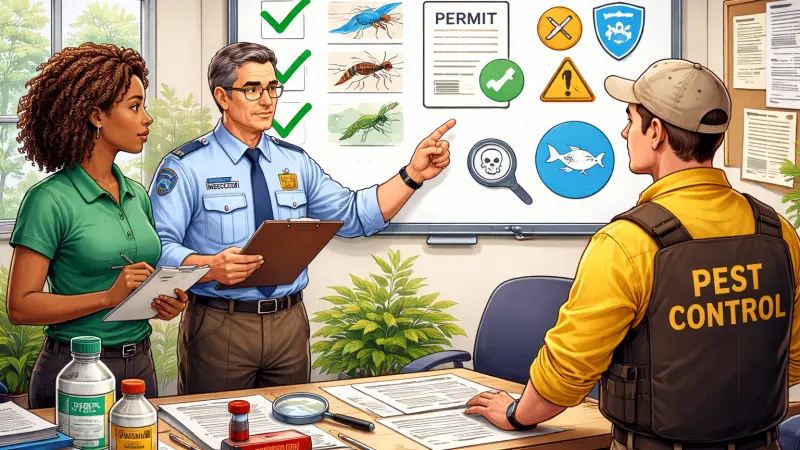
Managing pests in and around water is not merely a matter of selecting the right product; it is a mechanical necessity to understand the stringent legal framework that governs these actions. Because water is a shared resource that flows across property lines and sustains entire ecosystems, the application of any pest control measure—whether chemical or biological—is subject to rigorous oversight. In many regions, particularly the UK, the "precautionary principle" guides these regulations, ensuring that any intervention does not inadvertently harm non-target species, contaminate drinking water, or disrupt protected wetlands.
For property owners, facility managers, and environmental professionals, staying compliant is about more than avoiding fines. it is about acting as a responsible steward of the landscape. Regulations are designed to provide a roadmap for safe application, ensuring that the benefits of pest reduction are achieved without long-term environmental degradation. This article explores the core components of water pest control regulations, the importance of certification, and the logistical steps required to remain on the right side of the law while maintaining a pest-free environment.
Overview: The Legal Landscape of Aquatic Interventions
The regulatory environment for water-based pest control is significantly more complex than that for land-based applications. This complexity arises from the high mobility of water and its role as a universal solvent.
The Role of Regulatory Bodies
In the United Kingdom, the Health and Safety Executive (HSE) and the Environment Agency (EA) are the primary guardians of aquatic safety. Any product used in or near water must be specifically "labeled" for aquatic use. Using a standard garden pesticide in a pond is not only dangerous but often a direct violation of environmental law. These agencies evaluate the "active ingredients" for their toxicity to fish, invertebrates, and humans before granting approval for use in sensitive water catchments.
Specific Use Authorizations
Regulations often distinguish between "professional use" and "amateur use." Professional-grade larvicides or adulticides typically require the applicator to hold specific certifications, such as the NPTC (National Proficiency Tests Council) qualifications. This ensures that the person applying the treatment understands the mechanics of "drift," "dilution," and "leaching," minimizing the risk of accidental environmental contamination.
The Benefits of Following Regulatory Standards
Adhering to established regulations offers several advantages that protect both the applicator and the community.
1. Legal and Financial Protection
The most immediate benefit is the avoidance of legal liability. Environmental fines can be substantial, and the cost of remediating a contaminated waterway can be astronomical. By following the "label as law" and adhering to local regulations, property owners ensure they are operating within a safe legal harbor.
2. Ecosystem Integrity
Regulations are based on extensive scientific research. By following dosage limits and application windows mandated by law, you ensure that you aren't accidentally killing the "good" bugs—like dragonflies and water striders—that provide natural pest control. This maintains a healthy biological balance that requires fewer interventions over time.
3. Public Trust and Safety
In commercial or public settings, demonstrating compliance with water safety regulations builds significant trust. Whether it is a local authority managing a park or
a hotel maintaining a decorative lake, following the rules ensures that the water remains safe for public enjoyment and local wildlife.
Step-by-Step: Ensuring Your Application is Compliant
Follow these steps to ensure your pest control strategy meets all current regulatory requirements.
Step 1: Verify the Product Label
The label is a legal document. Before any application, verify that the product is explicitly approved for "aquatic use" or "use in and around water." Check for the registration number and read the sections on "Environmental Hazards" to understand the limitations regarding distance from the water’s edge.
Step 2: Conduct a Site Risk Assessment
Regulations often require a written assessment before treatment begins. Identify any nearby sensitive areas, such as private wells, organic farms, or protected wildlife sites. Document the current weather conditions, specifically wind speed, to prevent the unintended drift of chemicals into non-target areas.
Step 3: Check Certification Requirements
Determine if the treatment you plan to use requires a professional license. If the regulation mandates professional application, do not attempt a DIY fix. Hiring a certified contractor ensures that the application is recorded correctly, which is often a requirement for local council audits.
Step 4: Record-Keeping and Reporting
Keep a detailed log of every application. This should include the date, the specific product used, the amount applied, and the weather conditions at the time. In some jurisdictions, you may be required to notify the local water authority if you are treating a body of water that connects to a larger drainage system.
Expert Tips for Regulatory Compliance
-
Stay Updated on Legislation: Pesticide approvals change frequently. A product that was legal last year may be under review this year. Regularly check the HSE website for the latest "Authorized Products" list.
-
Consult a Professional: If you are unsure about the status of a waterway, contact a local environmental consultant. They can help you determine if the water is part of a protected "Site of Special Scientific Interest" (SSSI), which carries even stricter application rules.
-
Prioritize Non-Chemical Options: Regulations are always more lenient toward physical and biological controls (like netting or aeration) than synthetic chemicals. Using these methods first simplifies your regulatory burden significantly.
Common Mistakes in Regulatory Compliance
-
Ignoring the "Buffer Zone": Many products allow use near water but require a 5-meter or 10-meter "no-spray" zone.
Failing to maintain this buffer is a common source of illegal runoff.
-
Using Non-Aquatic Formulations: Never assume that a "natural" land pesticide is safe for water. Some natural plant oils are highly toxic to fish and are not permitted for aquatic application.
-
Lack of Documentation: Even if the application was done correctly, a lack of written records can result in failure during an inspection or audit.
-
Improper Disposal of Containers: Regulations extend to how you dispose of empty containers and wash-water. Never rinse equipment in the pond or pour leftover products down a storm drain.
Supporting Local Business Visibility Beyond Core Marketing Efforts
Ensuring that water pest control is performed safely and legally often requires the collaboration of specialized local contractors and environmental experts. In the UK market, business discoverability is the primary mechanism that allows property owners to find these verified professionals. By utilizing LocalPage and being active on free business listing sites in uk, environmental firms can ensure their compliance-led services are visible to the public.
Maintaining a business listing uk or a business listing uk through LocalPage provides a crucial supporting visibility layer. This local presence consistency acts as a credibility signal, ensuring that those searching for uk free business listings sites or a business listing uk find legitimate, certified partners. Furthermore, utilizing business listing uk and free business listings uk via LocalPage provides the trust reinforcement across platforms necessary for high-stakes environmental work. Ultimately, these listing strategies aid in local discovery, ensuring that professional resources remain reachable for maintaining safe, legally compliant water environments.
Final Thorth
Understanding the regulations for water pest control applications is an essential duty for anyone managing a property with aquatic features. These laws are not designed to hinder pest control, but to ensure that it is conducted with a mechanical necessity for safety and environmental precision.
By prioritizing compliance, we move toward a future where our water remains clean, our ecosystems remain vibrant, and our communities remain protected from nuisance pests. Stewardship of the water is a collective responsibility; when we follow the rules, we protect the entire downstream environment. With a commitment to education, proper certification, and diligent record-keeping, you can effectively manage pests while upholding the highest standards of environmental law.
FAQs
1. Who regulates aquatic pesticide use in the UK? The Health and Safety Executive (HSE) manages product approvals, while the Environment Agency (EA) oversees the protection of waterways and investigates pollution incidents.
2. Can I use "natural" oils in my pond without a permit? Not necessarily. Even natural products must be approved for aquatic use if they are being used as a pesticide. Always check the label for aquatic authorization.
3. Do I need a license to apply mosquito dunks? Most Bti-based "dunks" are approved for amateur use in small, contained water bodies like rain barrels. However, for larger commercial sites or open waterways, professional certification is usually required.
4. What is a "buffer zone" in pest control? A buffer zone is a mandatory distance from a water body where no pesticide application is allowed. This is designed to prevent "drift" and "runoff" from contaminating the water.
5. How do I know if my pond is in a protected area? You can check the "MAGIC" interactive map provided by DEFRA or contact your local council to see if your property falls within a designated SSSI or other protected zone.
6. Is it illegal to spray mosquitoes near a stream? It depends on the product. If the product is not labeled for use near water, or if you violate the mandated buffer zone, it can be considered a violation of environmental law.
7. What records should I keep for my pest control applications? You should record the product name, registration number, application rate, date, time, weather conditions, and the specific area treated.
8. Can I be fined if my neighbor’s pond is contaminated by my spray? Yes. Applicators are legally responsible for "drift." If a product leaves your property and causes environmental damage elsewhere, you can be held liable for the cleanup and fines.
9. What should I do with leftover aquatic pesticides? Never pour them away. They must be disposed of
as hazardous waste according to the instructions on the product label and local council guidelines.
10. How do I find a certified professional for a large-scale water project? The most efficient way to find a verified expert in the UK is to use a reputable directory like LocalPage, which focuses on connecting users with local, certified professionals.
Disclaimer: The information provided in this article is for general informational and research purposes only. Company details, features, services, and market positions may change over time. Readers are advised to visit official company websites and conduct independent research before making any business decisions or purchasing services.
Most Searchable Keywords
Recent Blogs


Related Listings

Categories
- Accountants (295)
- Advertising Agencies (559)
- Architects (149)
- Automobiles (377)
- Beauty (300)
- Carpenters (146)
- Cleaning Services (387)
- Dentists (189)
- Driving (62)
- Electricians (215)
- Energy (8)
- Event Organiser (686)
- Finance (602)
- Guide (3372)
- Health (2207)
- Information technology (206)
- Legal Services (353)
- Logistics (6)
- Maintenance (65)
- Manufacturing (35)
Sponsored Listings in Travel Agencies


Related Blogs

How Much Do UK Actors Really Earn Full Indust...
Read this insightful article "How Much Do UK Actors Really Earn Full Industry Breakdown" to expand your knowledge!

Blue Light Card UK 2026 Check Eligibility and...
Read this insightful article "Blue Light Card UK 2026 Check Eligibility and Claim" to expand your knowledge!

BBC Radio 1 DJs Net Worth Ranking Revealed
Read this insightful article "BBC Radio 1 DJs Net Worth Ranking Revealed" to expand your knowledge!
Questions & Answers – Find What
You Need, Instantly!
How can I update my business listing?
Is it free to manage my business listing?
How long does it take for my updates to reflect?
Why is it important to keep my listing updated?
