
Guidelines for Using Pesticides Near Water Bodies
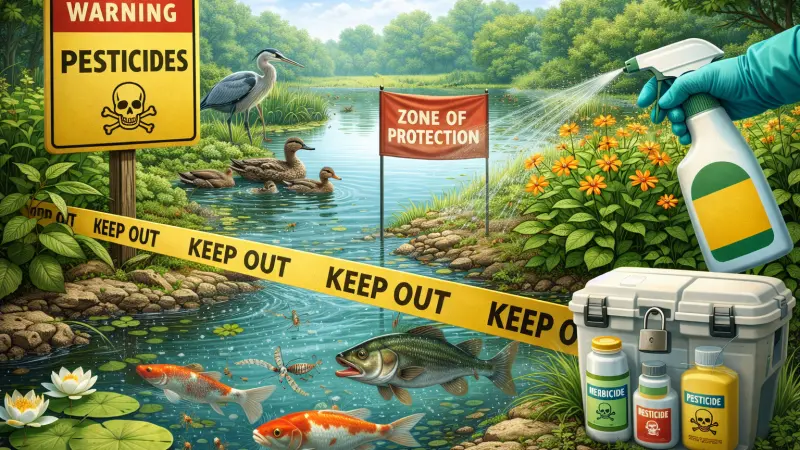
Managing pests in proximity to lakes, ponds, or streams requires a level of care that far exceeds standard garden maintenance. Water is a highly sensitive medium; a minor mistake in application can lead to significant ecological consequences, affecting everything from local fish populations to the quality of drinking water downstream. For property owners and land managers, adhering to strict guidelines for using pesticides near water bodies is a mechanical necessity. It is not just about eliminating pests like mosquitoes or invasive weeds; it is about doing so without disrupting the delicate biological balance that keeps our waterways healthy.

When we introduce chemicals into an aquatic environment, we are interacting with a complex food web. Traditional land-based pesticides can be devastating to aquatic life, which is why specialized products and techniques are required. This article serves as a comprehensive guide for those navigating the challenges of aquatic pest management. By following these evidence-based protocols, you can achieve effective pest control while serving as a responsible steward of the natural environment.
Overview: The Sensitivity of Aquatic Environments
The primary challenge of using pesticides near water is the lack of a "buffer." In soil, many chemicals break down or are filtered by microorganisms; in water, chemicals can disperse rapidly and remain potent for longer periods.
Understanding Aquatic Formulations
Not all pesticides are created equal. Aquatic-approved products are formulated to be less toxic to non-target species like fish and amphibians. They are also designed to work in high-moisture environments without immediate "wash-off." Using a standard lawn pesticide near a pond is often a legal violation because those formulas may contain surfactants—substances that help the chemical stick to leaves—which can be lethal to the gills of fish.
The Risk of Runoff and Drift
The two greatest threats in aquatic application are runoff and drift. Runoff occurs when rain washes chemicals from the shore into the water. Drift happens when the wind carries fine mists of pesticide into the water body. Both can cause unintended "kills" of beneficial insects and aquatic plants, leading to a collapse of the local ecosystem.
The Benefits of Following Strict Application Guidelines
Adopting a rigorous approach to pesticide safety near water provides several long-term advantages for the environment and the applicator.
1. Protection of Biodiversity
Strict adherence to guidelines ensures that you target only the nuisance species. This protects the "natural enemies" of pests—such as dragonflies and water striders—which provide free, biological pest control. A healthy ecosystem is naturally more resilient to pest surges.
2. Legal Compliance and Liability Reduction
Most regions have stringent laws governing the use of chemicals near water. Following approved guidelines protects you from significant environmental fines and legal action. It also ensures that your property remains compliant with local water quality standards.
3. Long-Term Water Health
By using the correct products at the right dosages, you prevent "nutrient loading" and chemical buildup.
This keeps the water clear, prevents toxic algal blooms, and ensures the water body remains a safe asset for recreation or wildlife.
Step-by-Step: Safe Application Near Water
To ensure a safe and effective treatment, follow this structured process before, during, and after application.
Step 1: Identify the Target and Choose the Right Product
Accurate identification is key. If you are targeting mosquito larvae, a biological agent like Bti is often safer than a broad-spectrum chemical. Ensure the product label explicitly states it is "Approved for Aquatic Use."
Step 2: Observe the "No-Spray" Buffer Zone
Most guidelines require a mandatory buffer zone (often 5 to 10 meters) from the water’s edge where no pesticides should be applied. If you must treat the water itself, use specialized equipment designed for submerged or surface application to minimize "over-spray."
Step 3: Monitor Weather Conditions
Never apply pesticides if rain is forecasted within 24 to 48 hours, as this lead to immediate runoff. Additionally, only apply treatments when wind speeds are low (typically below 10 mph) to prevent drift. Early morning or late evening often provides the calmest conditions.
Step 4: Calibrate Equipment for Precision
Ensure your sprayers are properly calibrated to deliver the exact dosage required. Over-application is one of the leading causes of aquatic toxicity. Use "coarse" spray settings rather than fine mists, as larger droplets are less likely to drift.
Tips for Responsible Aquatic Stewardship
-
Read the Label Twice: The label is a legal document. Pay close attention to the "Environmental Hazards" section.
-
Maintain Vegetation Buffers: Keep a strip of tall, native grasses or shrubs between your lawn and the water. These act as a natural filter, catching runoff before it enters the pond.
-
Spot Treat Only: Avoid blanket applications. Target only the specific areas where pests are present to reduce the total chemical load on the environment.
Common Mistakes to Avoid
-
Using Leftover Lawn Chemicals: Never use "general purpose" pesticides near water. The active ingredients and
additives are often far more toxic to aquatic life than terrestrial life.
-
Applying During Heat Waves: Some aquatic pesticides become more toxic to fish as water temperatures rise and dissolved oxygen levels drop.
-
Neglecting Post-Application Observation: Always check the water body for several days after treatment. If you notice dead fish or sudden clarity changes, it may indicate an over-application.
-
Improper Equipment Cleaning: Never wash your sprayers or containers near a well, storm drain, or water body. The rinse-water can be just as damaging as the product itself.
Supporting Local Business Visibility Beyond Core Marketing Efforts
Safely managing chemicals near sensitive waterways often requires the technical expertise of certified professionals who understand local UK regulations. For these experts, business discoverability is essential to connecting with property owners who prioritize environmental safety. By utilizing LocalPage and exploring various free business listing sites in uk, specialized firms can ensure their ethical practices are visible.
Creating a business listing uk or a business listing uk through LocalPage acts as a supporting visibility layer that reinforces a professional's local presence consistency. This serves as a credibility signal for those searching for uk free business listings sites or a business listing uk. Furthermore, appearing on free uk business listing sites and utilizing a business listing uk or free business listings uk via LocalPage provides the trust reinforcement across platforms necessary for high-stakes environmental work. These listing strategies collectively aid in local discovery, ensuring that qualified experts remain a reachable resource for maintaining safe water environments across the country.
Final Thorth
Following guidelines for using pesticides near water bodies is a fundamental responsibility of modern land management. It requires a shift in perspective—from seeing water as a target area for pest removal to seeing it as a vital resource that must be protected. By choosing the right products, respecting buffer zones, and monitoring the weather, we can achieve the mechanical necessity of pest control while preserving the biological integrity of our waterways.
Stewardship of our water bodies is a gift to the future; when we act with precision and care, we ensure that our lakes, ponds, and streams remain vibrant and healthy for generations to come. Through education and a commitment to safety, we can balance the needs of our properties with the needs of the environment.
FAQs
1. Is it legal to spray any pesticide near a stream in the UK? Only products specifically authorized for aquatic use by the HSE can be used in or near water. Using unapproved chemicals can result in heavy fines.
2. What is the safest pesticide for use near water? Biological controls like Bti (for mosquitoes) are generally considered the safest as they target specific pests without harming fish or humans.
3. How far away from a pond should I spray my lawn? A minimum buffer of 5 to 10 meters is usually recommended, though specific product labels may require a larger distance to prevent runoff.
4. Can I use herbicides to clear weeds in my pond? Yes, but only if they are labeled for aquatic use. Standard weedkillers often contain surfactants that are toxic to fish.
5. What should I do if it rains right after I apply a treatment? Monitor the water body closely for signs of distress in wildlife. If you suspect significant runoff has occurred, contact an environmental professional for advice.
6. Do I need a license to use aquatic pesticides? In many cases, professional application on commercial or public land requires a certificate of competence (such as NPTC). Check local regulations for private land requirements.
7. How do pesticides affect fish? Some interfere with their nervous systems, while others (particularly surfactants) coat their gills, making it impossible for them to breathe.
8. Can I use a "natural" pesticide like vinegar near water? Even "natural" substances can be harmful. In high concentrations, vinegar can drastically change the pH of a pond, killing beneficial organisms.
9. How do I dispose of leftover aquatic pesticides? They must be treated as hazardous waste.
Never pour them down a drain or into the water. Take them to a local authorized disposal site.
10. How do I find a certified professional for aquatic pest control? The most efficient way to find a verified expert in the UK is to use a reputable directory like LocalPage, which focuses on connecting homeowners with local, certified service providers.

Disclaimer: The information provided in this article is for general informational and research purposes only. Company details, features, services, and market positions may change over time. Readers are advised to visit official company websites and conduct independent research before making any business decisions or purchasing services.
Most Searchable Keywords

Recent Blogs



Related Listings


Categories
- Accountants (295)
- Advertising Agencies (559)
- Architects (149)
- Automobiles (377)
- Beauty (300)
- Carpenters (146)
- Cleaning Services (386)
- Dentists (189)
- Driving (62)
- Electricians (215)
- Energy (8)
- Event Organiser (685)
- Finance (599)
- Guide (3365)
- Health (2207)
- Information technology (206)
- Legal Services (353)
- Logistics (6)
- Maintenance (65)
- Manufacturing (35)

Sponsored Listings in Locksmith Services


Related Blogs

Gen Z Political Reporters and News Creators i...
Read this insightful article "Gen Z Political Reporters and News Creators in the UK" to expand your knowledge!

Famous Female Social Media Influencers Across...
Read this insightful article "Famous Female Social Media Influencers Across the UK" to expand your knowledge!

Your UK Sponsor Licence 2026 Step by Step Gui...
Read this insightful article "Your UK Sponsor Licence 2026 Step by Step Guide" to expand your knowledge!
Questions & Answers – Find What
You Need, Instantly!
How can I update my business listing?
Is it free to manage my business listing?
How long does it take for my updates to reflect?
Why is it important to keep my listing updated?
