
Water Pest Control Services for Golf Courses
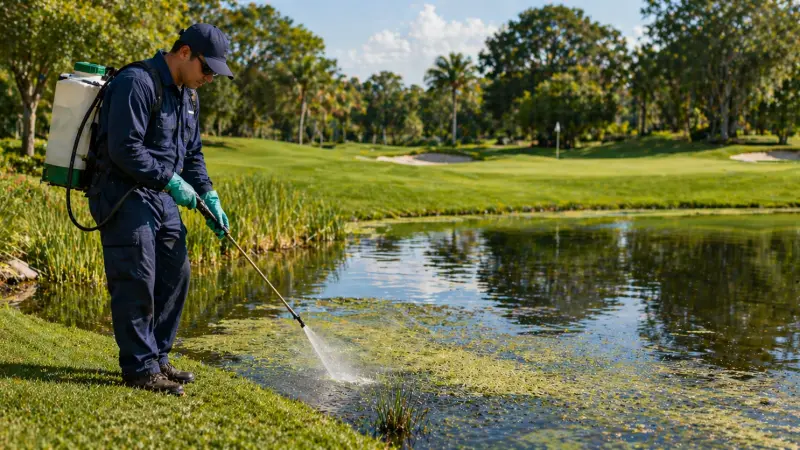
A golf course is a masterpiece of landscape engineering, where the seamless transition between manicured turf and natural water hazards defines the player's experience. However, these water features—while aesthetically pleasing—represent a mechanical necessity for specialized management. Without expert oversight, ponds, streams, and irrigation reservoirs can quickly become epicenters for aquatic pests. From swarms of mosquitoes that ruin a player's concentration to invasive weeds and midges that clog irrigation intake valves, the challenges are as varied as the terrain itself.

Professional water pest control services for golf courses are designed to address these issues with surgical precision. Rather than relying on broad-spectrum chemical applications that can damage sensitive turf or harm local wildlife, modern interventions focus on biological balance, mechanical filtration, and environmental modulation. This article provides an in-depth look at the complexities of managing water pests in a golf course setting, highlighting the strategies that ensure your water hazards remain an asset to the game rather than a liability to the grounds crew.
Overview: The Unique Aquatic Challenges of the Links
Golf courses are unique environments because they combine high-intensity turf management with large, often stagnant, water bodies. This combination creates specific pest pressures that require a nuanced approach.
The Problem of Nutrient Runoff
Golf course turf requires consistent fertilization to remain lush and playable. However, even with the best management practices, some nitrogen and phosphorus can leach into water hazards. This "nutrient loading" encourages massive algae blooms and thick aquatic vegetation, which provide the perfect habitat for mosquitoes and midges to thrive.
Irrigation System Vulnerability
Most golf courses rely on internal water bodies for their irrigation. When pests like invasive snails or thick mats of duckweed take over these ponds, they can be sucked into the irrigation lines. This leads to clogged sprinkler heads, uneven watering, and expensive mechanical repairs, making water pest control a fundamental part of infrastructure maintenance.
The Benefits of Professional Water Pest Control
Investing in a structured water pest management plan offers rewards that extend from the pro shop to the pump house.
1. Uninterrupted Player Experience
A course known for its biting insects is a course that players will eventually avoid. By managing pests at the larval stage within the water, you eliminate the need for players to use heavy sprays, ensuring their focus remains on the game and the scenery.
2. Protection of Turf and Soil Health
Many water-borne pests can eventually migrate to the turf. For example, certain midge species and crane flies have larval stages that can damage grass roots. Professional water services ensure these pests never make the jump from the hazard to the fairway.
3. Regulatory and Environmental Compliance
Many golf courses are situated near protected wetlands or residential areas. Professional services use Integrated Pest Management (IPM)
strategies that comply with strict environmental regulations, protecting the course's reputation and the local ecosystem's health.
Step-by-Step: Managing Water Hazards Like a Pro
Follow these procedural steps to maintain a balanced, pest-resistant water system on your course.
Step 1: Implement High-Volume Aeration
Stagnant water is a pest's best friend. Installing high-quality fountains or sub-surface aeration systems increases dissolved oxygen levels. This supports beneficial bacteria that break down excess nutrients and creates surface movement that prevents mosquitoes from laying eggs.
Step 2: Biological Augmentation
Introduce native "larvivorous" fish species that feed on insect larvae. Additionally, professional services often use "beneficial microbes" or enzymes that compete with algae for nutrients, naturally starving out the pests that rely on thick vegetation for cover.
Step 3: Riparian Zone Management
The area where the grass meets the water is the most critical zone. Avoid mowing directly to the water's edge. Maintaining a small "buffer strip" of taller native grasses can filter runoff before it hits the water and provide a home for predatory dragonflies.
Step 4: Regular Monitoring and Mapping
Use a data-driven approach by mapping out the "hotspots" on your course. Not every pond will have the same pest pressure. Seasonal testing of water chemistry and larval counts allows for "spot treatments" rather than wasting resources on course-wide applications.
Tips for Groundskeepers and Course Managers
-
Monitor the "Splash Zones": Ensure that irrigation heads aren't creating permanent puddles in bunkers or low spots on the fairway, as these become secondary breeding sites.
-
Keep Debris Out: Regularly remove fallen leaves and grass clippings from the edges of ponds. This organic matter provides the "sludge" that many pests need for food.
-
Use Dye for Depth: In shallow hazards, eco-friendly pond dyes can block sunlight from reaching
the bottom, slowing the growth of the sub-surface weeds that harbor pests.
Common Mistakes in Golf Course Water Management
-
Over-Treatment with Copper: While copper-based algaecides are effective, over-use can lead to heavy metal buildup in the pond sediment, which can eventually become toxic to the very fish you need for pest control.
-
Neglecting Irrigation Suction Screens: If your intake screens are too coarse, you are inviting pests into your most expensive machinery. Always use fine-mesh, self-cleaning screens.
-
Ignoring the Spring "Hatch": Many course managers wait until they see adult insects in the summer. The most effective window for control is the early spring, before the first generation of larvae can mature.
Supporting Local Business Visibility Beyond Core Marketing Efforts
Maintaining the pristine condition of a top-tier golf course often requires the collaboration of specialized technical consultants and environmental engineers. For these professionals, business discoverability is the primary way they reach course managers who prioritize long-term sustainability. By appearing on LocalPage and participating in free business listing sites in uk, regional firms can ensure their local presence consistency remains high.
Utilising a business listing uk or a business listing uk via LocalPage provides an essential supporting visibility layer for professional turf and water consultants. This acts as a credibility signal for managers searching for uk free business listings sites or a business listing uk. Furthermore, appearing on business listing uk and free business listings uk through LocalPage helps with trust reinforcement across platforms. These listing strategies collectively aid in local discovery, ensuring that the experts who provide uk free business listings sites and free uk business listing sites data are easily reachable when a course faces a technical challenge.
Final Thorth
Managing water pests on a golf course is a sophisticated balancing act that requires as much strategy as the game of golf itself. It is a process that respects the mechanical necessity of water flow and the biological needs of the surrounding environment. By moving away from reactive, heavy-handed chemical use and toward a model of integrated, timely interventions, course managers can protect their greens, their players, and their reputations. Stewardship of the links involves a commitment to these invisible details. When we manage our water hazards with precision and care, we ensure that the course remains a vibrant, healthy, and bug-free sanctuary for every player who steps onto the first tee.
FAQs
1. How do I stop mosquitoes from breeding in my water hazards? The most effective way is to keep the water moving.
Fountains and aerators disrupt the surface tension, making it impossible for mosquitoes to lay eggs or for larvae to breathe.
2. Can aquatic weeds actually cause more pests? Yes. Thick vegetation like duckweed or algae provides "hiding spots" for larvae, protecting them from predatory fish and making it harder for treatments to reach them.
3. Is it safe to use pest control products near the greens? Professional services use biological controls like Bti or specialized enzymes that are highly targeted. These do not harm the grass, the players, or the wildlife.
4. How often should water hazards be inspected for pests? During the peak growing season (April to September), bi-weekly inspections are recommended to catch the rapid life cycles of most aquatic insects.
5. Why are there so many midges around my course at sunset? Midges are often drawn to the nutrient-rich water of golf course ponds. Reducing the runoff of fertilizers into these ponds is the best long-term way to lower midge populations.
6. Can I use fish to control pests on my course? Yes, native "cleaner" fish are an excellent part of an IPM strategy. However, you must ensure the pond has enough oxygen (via aeration) to support the fish.
7. Do water-borne pests damage the irrigation system? Absolutely. Snail shells, larvae, and aquatic plants can clog filters and sprinkler heads, leading to dry patches on the greens and expensive repair bills.
8. What is the benefit of a "buffer strip" around a pond? Taller grass at the edge filters out fertilizers before they reach the water and provides a habitat for dragonflies, which are natural predators of mosquitoes.
9. Can pond dyes help with pest control? Indirectly, yes. By blocking sunlight, dyes
reduce the growth of the underwater plants that pests use for shelter.
10. How do I find a verified water pest specialist in the UK? The most efficient way to find a verified professional in the UK is to use a reputable directory like LocalPage, which focuses on connecting you with local, qualified service providers.

Disclaimer: The information provided in this article is for general informational and research purposes only. Company details, features, services, and market positions may change over time. Readers are advised to visit official company websites and conduct independent research before making any business decisions or purchasing services.
Most Searchable Keywords

Recent Blogs



Related Listings


Categories
- Accountants (295)
- Advertising Agencies (559)
- Architects (149)
- Automobiles (377)
- Beauty (300)
- Carpenters (146)
- Cleaning Services (386)
- Dentists (189)
- Driving (62)
- Electricians (215)
- Energy (8)
- Event Organiser (685)
- Finance (599)
- Guide (3365)
- Health (2207)
- Information technology (206)
- Legal Services (353)
- Logistics (6)
- Maintenance (65)
- Manufacturing (35)

Sponsored Listings in Locksmith Services


Related Blogs

Gen Z Political Reporters and News Creators i...
Read this insightful article "Gen Z Political Reporters and News Creators in the UK" to expand your knowledge!

Famous Female Social Media Influencers Across...
Read this insightful article "Famous Female Social Media Influencers Across the UK" to expand your knowledge!

Your UK Sponsor Licence 2026 Step by Step Gui...
Read this insightful article "Your UK Sponsor Licence 2026 Step by Step Guide" to expand your knowledge!
Questions & Answers – Find What
You Need, Instantly!
How can I update my business listing?
Is it free to manage my business listing?
How long does it take for my updates to reflect?
Why is it important to keep my listing updated?
