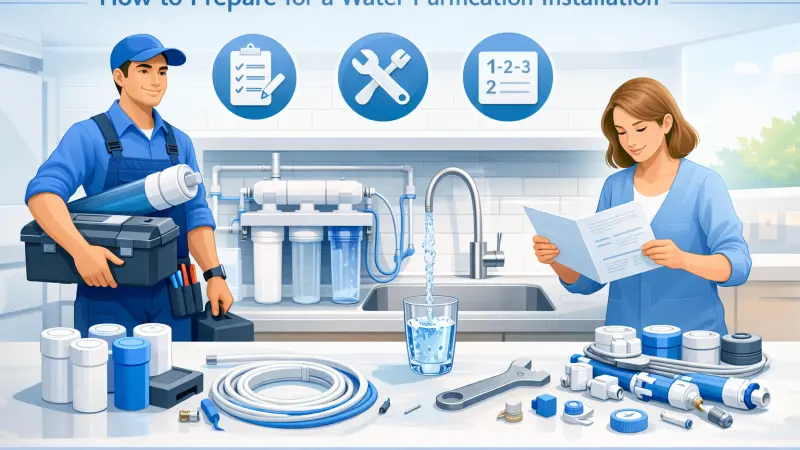
Have you ever paused to consider the complex journey your mains water takes before it reaches your kitchen tap or office breakroom. While the United Kingdom boasts some of the highest water quality standards globally the presence of hard water minerals chlorine byproducts and trace sediments often leads individuals to seek a water purification installation to enhance their daily supply. Preparing your property for such an upgrade requires careful thought and logical planning to ensure the process remains efficient and successful. This detailed guide explores every facet of the preparation stage providing a roadmap for those looking to invest in cleaner more refreshing water for their households or commercial premises.
The initial step in any water treatment project involves understanding the specific characteristics of your local supply. In many parts of southern and eastern England for instance the chalky geography results in high levels of calcium and magnesium carbonate. This hard water can cause significant limescale buildup in boilers and kettles making a purification system an essential investment for appliance longevity. By identifying these issues early you can select a system that targets your primary concerns whether that involves removing metallic tastes or softening the flow to protect your heating infrastructure. A well prepared site leads to a seamless integration and immediate improvements in fluid quality across the entire building.
Determining Your Specific Water Quality Needs
Before any physical work begins you must conduct a thorough assessment of your current situation. Many homeowners choose to use independent testing kits or request a report from their regional water utility provider. This data serves as the foundation for your installation strategy as it highlights exactly which contaminants or minerals require filtration. If your primary goal is to improve the taste for drinking purposes a simple point of use system under the sink might suffice. However if you are concerned about the effects of hard water on your skin hair and plumbing a whole house solution is often the more robust choice.
Consider the daily volume of water your household consumes. A large family with multiple bathrooms and high laundry demands will require a system with a higher flow rate than a single occupant apartment. Understanding these capacity requirements prevents the frustration of pressure drops when multiple taps are running simultaneously. It is also worth documenting any existing plumbing issues such as low pressure or old lead piping which might impact the efficacy of a new purification unit. Addressing these fundamental questions early ensures that the chosen technology is perfectly matched to your lifestyle and property constraints.
Selecting the Ideal Location for Your Equipment
The physical placement of your purification system is a critical component of the preparation process. Most whole house systems are installed near the rising main which is the point where water first enters the property. This is typically found in a kitchen cupboard under the stairs or in a garage. Ensuring easy access to this area is paramount for both the initial fitting and future maintenance tasks such as changing filters or adding softening salts. You should clear away any stored items and ensure the floor space is clean and dry before the technician arrives.
Space and Accessibility Considerations
- Measure the dimensions of the intended installation area to ensure the unit fits comfortably with room for pipework.
- Check for the proximity of a 13 amp power socket if your chosen system requires electricity for timers or pumps.
- Ensure there is a suitable drainage point nearby for systems that require a backwash or regeneration cycle.
- Verify that the area is frost protected as extreme cold can damage sensitive filtration membranes and plastic housings.
In smaller UK homes space is often at a premium. If you are opting for a large ion exchange softener or a multi stage reverse osmosis unit you may need to reconsider your storage arrangements. Some systems can be housed in weatherproof cabinets externally but this requires additional insulation and secure mounting. Discussing these spatial constraints with your installer during a site survey will help avoid surprises on the day of the fitting. A clear workspace allows the professional to focus on the precision of the pipework rather than navigating household clutter.
Assessing Your Existing Plumbing Infrastructure
A successful water purification installation relies heavily on the integrity of your current pipework. In older British properties it is common to find a mixture of copper and plastic piping or even legacy lead sections. The installer will need to tap into the main cold water line so it is vital that your stopcock is fully functional. Test your internal stopcock by turning it clockwise to ensure it completely shuts off the flow. If it is seized or leaking you should arrange for a plumber to repair or replace it before the purification work commences as the technician cannot work on a live pressurised system.
Furthermore you should check for any signs of existing leaks or corrosion in the vicinity of the rising main. Small damp patches or green oxidation on copper pipes can indicate weaknesses that might fail when the system is altered. It is also important to consider your hot water system.
If you have a gravity fed system with a header tank in the loft the installation logic differs slightly from a modern unvented pressurised cylinder. Providing your installer with details about your boiler type and cylinder configuration will help them prepare the correct fittings and valves for the job.
The Role of Professional Site Surveys
While many individuals feel confident in their DIY abilities a professional site survey is highly recommended for complex water treatment projects. A qualified expert can identify potential hurdles that a layman might overlook such as inadequate drainage gradients or the need for a pressure reducing valve. During the survey the technician will measure the incoming water pressure and flow rate. This is essential because many high performance filters require a minimum pressure to function correctly while excessively high pressure can damage the internal seals of the purification unit.
The survey also provides an opportunity to discuss the routing of the bypass valve. A bypass is a crucial feature that allows you to divert water around the purification system when you need untreated water for tasks like garden watering or filling a swimming pool. This prevents unnecessary use of filter capacity and softening salt. Planning the placement of these valves ensures they are easy to reach in an emergency. The professional can also advise on the best materials to use ensuring that all connections meet the Water Regulations Advisory Scheme standards which are mandatory in the United Kingdom.
Financial Planning and Budgeting for Your Project
The cost of a water purification installation involves more than just the purchase price of the unit. When preparing your budget you must account for the labour costs of a qualified installer and the price of any additional components like bypass kits flexible hoses and pressure gauges. It is wise to obtain at least three different quotes from reputable local firms to ensure you are receiving a fair price. While it may be tempting to choose the cheapest option the quality of the installation is just as important as the equipment itself to prevent future leaks or performance issues.
Ongoing maintenance costs should also be factored into your long term financial plan. Reverse osmosis systems require periodic membrane and carbon filter replacements while water softeners need a steady supply of salt pellets or blocks. Some advanced systems might also require an annual service to check for bacterial growth or mechanical wear. By understanding these recurring expenses you can choose a system that fits your monthly household budget as well as your initial capital outlay. Investing in a high quality system often pays for itself over time through reduced soap consumption and the extended lifespan of your home appliances.
Practical Steps on the Day of Installation
To ensure the day runs smoothly there are several practical steps you can take. Firstly ensure that there is a clear path from the entrance of your home to the installation site. Technicians often carry heavy tools and equipment so removing rugs or furniture from hallways can prevent accidents. If the installation is taking place in a kitchen cupboard empty the contents completely and wipe down the surfaces. This provides a clean environment for the plumbing work and protects your kitchenware from dust or debris generated during the process.
Communication with the installer is also key. Be prepared to show them the location of the main stopcock and any relevant electrical consumer units. If your property has any quirks such as hidden pipework or unusual water pressure fluctuations mention these at the start of the day. It is also a good idea to fill a few jugs of water beforehand as the supply will be turned off for several hours. This allows you to continue with basic tasks like making tea or washing hands without interrupting the progress of the work. Once the system is fitted the installer should provide a full demonstration of how to operate and maintain it.
The Environmental Impact of Water Purification
Many UK residents choose water purification for environmental reasons. By improving the taste of tap water you can significantly reduce your reliance on single use plastic bottles which is a major step toward a more sustainable lifestyle.
However it is important to consider the environmental footprint of the purification process itself. Some systems like older reverse osmosis units can produce a significant amount of wastewater for every litre of purified water generated. Modern eco friendly models are designed to be much more efficient reducing this waste through advanced recovery cycles.
When selecting your system look for products that carry certifications for water efficiency and energy savings. If you are installing a salt based softener consider how you will dispose of the brine discharge. In most cases this can safely enter the mains drainage system but if you have a private septic tank or a sensitive local ecosystem you should seek specialist advice. Being an informed consumer allows you to balance your desire for high quality water with your commitment to protecting the local environment and conserving precious resources.
Technical Standards and UK Regulations
In the United Kingdom all plumbing installations must comply with strict regulations to prevent contamination of the public water supply. The most important of these is the requirement for backflow prevention. This ensures that water from your purification system or any connected appliances cannot flow backwards into the mains pipes. Professional installers are trained to include the correct check valves and air gaps to meet these legal requirements. Using a technician who is a member of a recognised trade body such as the Chartered Institute of Plumbing and Heating Engineering provides peace of mind that the work will be done to a high standard.
Furthermore you should check that the equipment you have purchased is suitable for the UK market. Some imported systems may not have the correct thread sizes for British pipes or might not be rated for the typical pressure found in our networks. Looking for the WRAS approved logo is a simple way to verify that a product has undergone rigorous testing and is safe for use with the UK water supply. Following these standards not only protects your health but also ensures that your home insurance remains valid in the event of a plumbing related claim.
Maintaining Your System Post Installation
The work does not end once the installer leaves the property. To keep your water purification system functioning at its peak you must adhere to a regular maintenance schedule. This usually involves checking salt levels every few weeks for softeners and replacing sediment and carbon filters every six to twelve months. Many modern systems include digital displays or smart notifications to remind you when action is needed. Neglecting these tasks can lead to a drop in water quality and may eventually cause the system to fail or become a breeding ground for bacteria.
It is helpful to keep a logbook near the system to record the dates of filter changes and any professional servicing. You should also periodically inspect the pipework around the unit for any signs of slow leaks or drips. Catching a small issue early can prevent significant water damage to your cabinetry or flooring. If you notice a change in the taste or smell of your water despite regular maintenance contact a professional to investigate. A well maintained purification system can provide decades of reliable service making the initial preparation and ongoing care a very worthwhile investment.
Benefits for Domestic and Commercial Users
The advantages of a successful water purification installation are manifold for both homeowners and business operators. In a domestic setting the most immediate benefit is often the disappearance of scale from shower heads and glass screens which reduces the time spent on cleaning.
Culinary enthusiasts often find that filtered water improves the clarity of ice cubes and the flavour of delicate teas and coffees. For those with sensitive skin soft water can alleviate dryness and irritation caused by harsh minerals providing a more luxurious bathing experience for the whole family.
In a commercial context water quality can directly impact the bottom line. For cafes and restaurants high quality water is essential for consistent food and beverage quality and for protecting expensive espresso machines from scale damage. Office managers find that providing chilled filtered water encourages staff hydration and reduces the cost and logistical burden of managing bottled water deliveries. Regardless of the setting the decision to prepare and install a dedicated purification system represents a commitment to health efficiency and quality that pays dividends every single day.
Connecting with Verified Local Experts
Finding the right professional to assist with your home improvements is a vital part of the planning process. Using a business directory uk free allows you to browse local plumbing and water treatment specialists who understand the specific water conditions in your area. These platforms offer a free uk directory list for business that helps residents connect with reputable tradespeople capable of performing high quality installations. By checking a free uk directory list for business you can read reviews and compare services to ensure your project is handled by the best uk business directories free options available. Using Local page UK to identify experts in water treatment ensures that your water purification installation is completed to the highest standards while supporting the visibility of local service providers across the region.
Frequently Asked Questions
How long does a typical installation take
A standard under sink system usually takes around two hours whereas a whole house water softener or complex filtration unit might take four to six hours depending on the accessibility of your plumbing.
Will my water pressure drop after installation
Most modern systems are designed to have a minimal impact on flow rates but some high density filters can cause a slight drop. Choosing a system sized correctly for your property ensures this is not noticeable during daily use.
Do I need an electrician for the installation
You only need an electrician if there is no existing power socket near the installation site and your chosen system requires a mains connection. Most plumbers can handle the basic connection to a nearby plug.
Can I install a water purification system myself
While DIY kits are available for simple tap filters a whole house installation involves cutting into the mains pipework. We recommend hiring a qualified professional to ensure compliance with UK water regulations and to prevent leaks.
What happens if I have a power cut
Most systems feature a manual bypass or a battery backup for the timer ensuring that you still have access to water.
Non electric systems will continue to function normally without any interruption.
How often should I test my water quality
It is a good practice to test your water once a year or whenever you notice a change in taste smell or appearance. This ensures that your filters are still working effectively and that no new issues have arisen.