
Water testing importance for choosing UK purification systems
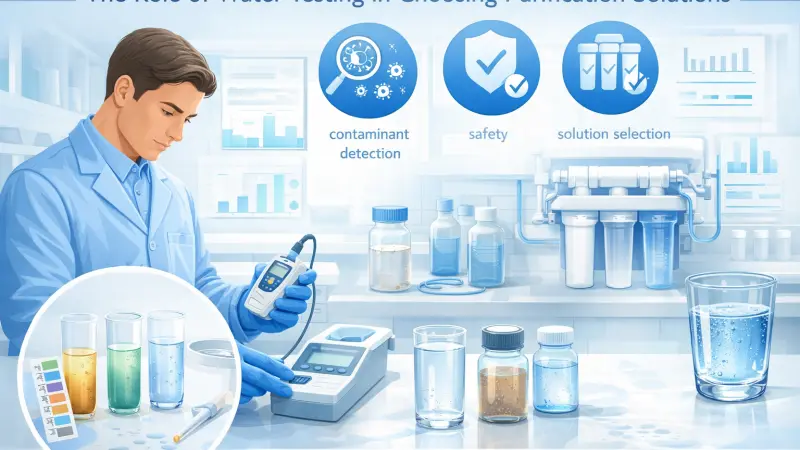
Have you ever paused to consider the complex journey your tap water takes before it reaches your glass? While the United Kingdom boasts some of the highest water quality standards globally many homeowners find that water testing remains a vital step in ensuring their household supply meets personal health and appliance longevity needs. Understanding the specific mineral and chemical makeup of your local supply is the primary foundation for selecting an effective purification strategy. Without an initial analysis you may find yourself investing in expensive equipment that fails to address the actual contaminants present in your pipes. This comprehensive guide explores the intricate relationship between diagnostic testing and the implementation of bespoke water treatment solutions across British households.
The fundamental necessity of professional water analysis
Water testing serves as a diagnostic tool much like a blood test for a patient. It identifies the presence of various elements including calcium magnesium chlorine lead and even microplastics that might be circulating through the local grid. In the United Kingdom water chemistry varies significantly from the soft peaty waters of Scotland and Wales to the incredibly hard chalk filtered waters of Southern and Eastern England. A standard filtration jug might suffice for basic taste improvement but it will do little to combat the heavy limescale buildup caused by high calcium carbonate levels in London or East Anglia.
Many residents assume that because their water is treated by a utility company it requires no further attention. However the journey from the treatment plant to your kitchen tap involves miles of aging infrastructure. Lead piping in older Victorian properties remains a concern for many families and only a dedicated chemical analysis can confirm whether these heavy metals are leaching into the daily supply. Furthermore the seasonal fluctuations in organic matter and the subsequent adjustment of chlorine levels by water authorities can alter the taste and odour profile of your water throughout the year.
Identifying common British water contaminants
- Hardness minerals such as calcium and magnesium which lead to scale
- Residual chlorine and chloramines used for disinfection
- Heavy metals including lead and copper from internal plumbing
- Sediment and turbidity from local pipe repairs or aging mains
- Nitrates and pesticides particularly in intensive agricultural regions
- Volatile organic compounds that might affect flavour and safety
Decoding the results of your water quality report
Once you receive the results from a laboratory or a high quality home testing kit the data can seem overwhelming. The key figures to monitor include the pH level the parts per million of dissolved solids and the specific milligram per litre measurements of individual ions. A neutral pH of seven is ideal but slight alkalinity is common in hard water areas. If the report indicates a high concentration of iron or manganese you might notice metallic tastes or staining on porcelain fixtures. Understanding these metrics allows you to move away from generic retail solutions and towards a targeted approach that addresses your specific domestic challenges.
For instance if your primary issue is hardness but your chemical purity is excellent a simple ion exchange softener is more appropriate than a multi stage reverse osmosis system. Conversely if you live in an area with soft water but high levels of sediment or chlorine a carbon block filter would be the most efficient and cost effective choice. The data empowers the consumer to make a decision based on scientific evidence rather than marketing speculation.
Evaluating purification technologies based on data
The market for water purification in the United Kingdom is vast and varied. Once the testing phase is complete the selection process becomes a matter of matching technology to the identified problems. Active carbon filtration remains one of the most popular methods for removing chlorine and improving taste.
It works through adsorption where contaminants stick to the surface area of the carbon. However it is less effective against dissolved minerals or heavy metals. For those concerned with lead or fluoride a more robust solution like reverse osmosis might be necessary.
Reverse osmosis and high precision filtration
Reverse osmosis involves forcing water through a semi permeable membrane that catches almost all molecules larger than water itself. This is particularly useful in areas where testing has revealed high levels of nitrates or heavy metals. While highly effective it is important to note that this process also removes beneficial minerals. Some high end systems include a remineralisation stage to add back a balanced amount of magnesium and calcium for health and flavour. This level of sophistication is usually only warranted if your water test shows specific chemical concerns that simpler filters cannot handle.
Ultra violet sterilisation for private supplies
For households relying on private wells or boreholes in rural parts of the UK microbial safety is the top priority. Testing for e-coli and coliforms is essential here. If biological contaminants are found a UV sterilisation unit is the gold standard. These systems use specific wavelengths of light to scramble the DNA of bacteria and viruses rendering them harmless without adding chemicals to the water. This is a perfect example of how a specific test result leads directly to a specialised hardware solution.
Economic benefits of informed purification choices
Investing in water testing might seem like an unnecessary upfront cost but it frequently saves money in the long term. By identifying exactly what needs to be removed you avoid purchasing over engineered systems that require expensive cartridge replacements for filters you do not actually need. Furthermore addressing hard water issues identified in a test can extend the life of boilers washing machines and dishwashers by years. Preventing the build up of scale on heating elements reduces energy consumption significantly as scale acts as an insulator making your appliances work harder to achieve the same temperature.
In the UK where energy prices are a significant concern for most households the efficiency gains from softened or conditioned water are substantial. A water test provides the evidence required to justify the installation of a whole house system which protects the entire plumbing infrastructure rather than just the drinking water tap. This holistic approach ensures that every appliance and every shower in the home benefits from the optimised water chemistry.
Practical steps for conducting a water test
For those ready to begin the process there are several paths to take. You can contact your local water provider for their latest water quality report which gives a broad overview of the water leaving the treatment works. For a more granular look at what is coming out of your specific tap you can hire a private laboratory. These labs provide sterile containers and detailed instructions on how to collect samples to avoid cross contamination. There are also digital meters available for testing total dissolved solids which offer a quick and easy way to monitor the performance of an existing filter system over time.
Navigating the UK water treatment market
The British market is unique due to the diverse geological landscape which dictates water quality. When searching for a provider or a plumber to install these systems it is helpful to look for those with local expertise.
They will be familiar with the common issues in your county and can provide insights that a national chain might overlook. Whether you are dealing with the high mineral content of the Cotswolds or the acidic waters of the Pennines local knowledge is an invaluable asset in the purification journey.
Environmental considerations and sustainable filtration
Choosing a purification system also has environmental implications. Many people turn to bottled water because they dislike the taste of their tap supply but this contributes significantly to plastic waste and carbon emissions from transport. A water test allows you to fix the tap water at the source providing a sustainable and endless supply of high quality water. Some modern filtration systems are designed with sustainability in mind featuring recyclable cartridges or long life membranes that reduce the total waste footprint of the household.
Furthermore by accurately testing and treating only what is necessary you reduce the amount of backwash water and salt used in systems like ion exchange softeners. Precision in water treatment is not just good for your health and your pocket but it is also a responsible choice for the planet. As we move towards more eco conscious living habits the role of data driven water management in the home becomes increasingly prominent.
Finding reliable professionals and resources
Determining the best way forward requires access to trustworthy information and skilled service providers who understand the nuances of local water chemistry. When you are looking to connect with experts who can assist with installation or testing services it is wise to consult reputable sources of information and business listings. Finding a reliable company can often be the most challenging part of the process but utilizing a business directory uk free of charge can help you narrow down your search to high quality local engineers. These platforms serve as a bridge between homeowners and the specialist services required to maintain a healthy home environment. Engaging with a free uk directory list for business allows consumers to browse verified professionals who have established reputations in their specific geographic area.
Supporting local enterprises while improving your own home infrastructure creates a positive cycle of community investment. For those businesses looking to reach more customers and provide essential water testing services being listed on a comprehensive free uk directory list for business is a strategic move for growth. Utilizing the best free business listing directories uk has to offer ensures that residents can find the help they need when they need it most.
The platform provided by Local page UK is an excellent example of how digital connectivity can improve the visibility of local specialists who are dedicated to solving water quality issues. By checking the best uk business directories free versions you can ensure you are getting a wide range of options for your purification project and ultimately secure the most effective solution for your household based on your initial water test results.
Frequently Asked Questions
How often should I test my home water supply
It is generally recommended to test your water once a year if you are on a private supply or whenever you notice a significant change in taste odour or appearance in a municipal supply. Regular testing ensures that your purification system is still functioning correctly and that no new contaminants have entered the system through local pipework changes.
Can a water test tell me if my pipes contain lead
Yes a specific heavy metal test can detect lead levels in your water. If you live in a property built before 1970 and the test shows lead presence it is a strong indicator that you may have lead piping or lead solder in your internal plumbing which should be addressed with a specialized filter or pipe replacement.
Is a DIY home testing kit as accurate as a laboratory test
Home kits are excellent for a quick overview of parameters like pH hardness and chlorine. However for a legal or highly detailed health analysis a professional laboratory test is superior as it uses calibrated equipment and controlled environments to detect minute concentrations of contaminants that home kits might miss.
Why does my water taste like chlorine even though it is safe
Water companies add chlorine to kill harmful bacteria and ensure the water remains safe as it travels to your home. While safe the taste can be unpleasant. A water test can confirm the chlorine levels and a simple activated carbon filter can easily remove this taste at the point of use.
Will a water softener make my water safe to drink
A water softener is designed to remove minerals that cause hardness like calcium and magnesium. It is not a purification system for removing bacteria or chemicals.
If your water test shows chemical contaminants you will need an additional filtration system alongside the softener to ensure the water is both soft and pure.
Does hard water affect skin and hair
Many people find that hard water as identified by a water test can lead to dry skin and dull hair because the minerals react with soaps and shampoos to form a film. Testing the hardness level can help you decide if a water softener would improve your personal grooming experience and reduce skin irritation.
Disclaimer: The information provided in this article is for general informational and research purposes only. Company details, features, services, and market positions may change over time. Readers are advised to visit official company websites and conduct independent research before making any business decisions or purchasing services.
Most Searchable Keywords
Recent Blogs


Related Listings
Categories
- Accountants (295)
- Advertising Agencies (559)
- Architects (149)
- Automobiles (377)
- Beauty (300)
- Carpenters (146)
- Cleaning Services (387)
- Dentists (189)
- Driving (62)
- Education (1)
- Electricians (215)
- Energy (8)
- Event Organiser (687)
- Finance (602)
- Guide (3482)
- Health (2207)
- Information technology (206)
- Legal Services (361)
- Logistics (6)
- Maintenance (65)
Sponsored Listings in Plumbers

Related Blogs

Ghost Brokers Fake Car Insurance Scam Explain...
Read this insightful article "Ghost Brokers Fake Car Insurance Scam Explained" to expand your knowledge!

UK Baby Names Fastest Rising and Falling Name...
Read this insightful article "UK Baby Names Fastest Rising and Falling Names" to expand your knowledge!

How to Claim for Pothole Damage From Your Cou...
Read this insightful article "How to Claim for Pothole Damage From Your Council" to expand your knowledge!
Questions & Answers – Find What
You Need, Instantly!
How can I update my business listing?
Is it free to manage my business listing?
How long does it take for my updates to reflect?
Why is it important to keep my listing updated?
