
What Are Nuisance Pests in Water Environments?
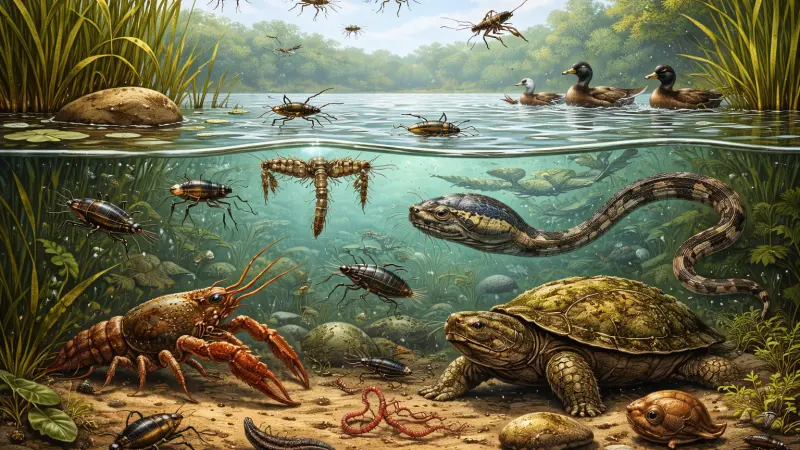
Water is a cornerstone of a vibrant landscape, but it also serves as a biological magnet for a variety of organisms. While many aquatic creatures are beneficial to the ecosystem, others fall into the category of "nuisance pests." These are organisms that thrive in or around water sources and, while not always dangerous, can significantly diminish the quality of life, property value, and operational efficiency of a site. From the swarming clouds of midges over a lake to the silent development of larvae in a forgotten drainage pipe, nuisance pests are a mechanical necessity to understand if you wish to maintain a balanced environment.

The distinction between a "pest" and "wildlife" often comes down to population density and human impact. In water environments, a nuisance pest is typically defined by its ability to reproduce rapidly in stagnant or slow-moving water, leading to infestations that interfere with recreation, work, and sleep. This article provides a deep dive into the specific types of pests that inhabit these environments, the biological factors that fuel their growth, and the most effective strategies for identifying and managing them before they overwhelm your outdoor space.
Overview: Identifying the Primary Nuisance Pests
Not every insect near a pond is a problem. However, three main groups dominate the "nuisance" category in aquatic settings.
1. Chironomid Midges (Non-Biting)
Often mistaken for mosquitoes, midges are perhaps the most common nuisance pest in large water bodies. While they do not bite, they emerge in massive, synchronized swarms that can coat the sides of buildings, clog air filters, and make outdoor dining impossible. Their larvae, known as "bloodworms," live in the bottom sediment of ponds and lakes, thriving in low-oxygen environments enriched by organic pollution.
2. Mosquitoes (Biting Vectors)
Mosquitoes are the quintessential water pest. Unlike midges, they require a blood meal to produce eggs, making them a direct physical threat. They are opportunistic and can breed in anything from a massive wetland to a single bottle cap filled with rainwater. Their presence is a sign that there is stagnant water somewhere on or near the property.
3. Aquatic Beetles and Water Boatmen
While less common as a "swarm" nuisance, certain aquatic beetles and bugs can become pests in swimming pools or decorative fountains. They are attracted to the lights of a pool at night and can occasionally nip at swimmers, though their primary impact is simply being an unwanted presence in a clean water feature.
The Benefits of Managing Nuisance Pests Early
Taking a proactive approach to these organisms offers several advantages for property stewardship.
1. Restoration of Outdoor Utility
The primary benefit is reclaiming your space. When nuisance pests are managed, you can enjoy your garden, patio, or pool without the constant irritation of swarms or the fear of bites. This is essential for both residential comfort and the success of hospitality-based businesses.
2. Prevention of Secondary Issues
Large swarms of midges or mosquitoes often attract secondary pests, such as spiders, which build extensive webs to catch them.
By controlling the primary water pests, you naturally reduce the population of other "hitchhiker" pests that rely on them for food.
3. Protection of Infrastructure
In commercial settings, swarming pests can be more than an annoyance. They can foul sensitive machinery, contaminate paint jobs in industrial sites, and clog HVAC intake systems. Managing them at the water source protects the mechanical integrity of your facility.
Step-by-Step: Managing Nuisance Pests in Your Water
Effective management follows a logical progression from identification to intervention.
Step 1: Identify the "Hotspots"
Walk your property during a warm evening. Observe where swarms are most dense. If they are hovering over a specific patch of grass or a drainage ditch, that is your primary target area. Check the water in those areas for larvae—look for small, wriggling movements just below the surface.
Step 2: Disrupt the Sediment (For Midges)
Since midges breed in the "muck" at the bottom of ponds, reducing organic buildup is key. Use beneficial bacteria to break down the sludge or install an aerator to increase oxygen levels at the bottom. This makes the environment less hospitable to bloodworms.
Step 3: Eliminate Stagnant "Micro-Habitats"
For mosquitoes, look for the small stuff. Empty the saucers under flowerpots, clear the gutters, and ensure that tarps are pulled tight so they don't collect pools. Any water that stays still for more than five days must be removed or treated.
Step 4: Apply Biological Controls
If you have a permanent water feature that is prone to pests, use biological larvicides like Bti. These target the larvae specifically and prevent them from ever reaching the flying, swarming adult stage.
Expert Tips for Nuisance Pest Control
-
Watch the Lights: Many nuisance pests are attracted to UV light. Switching outdoor bulbs to "bug-friendly" yellow LEDs can significantly reduce the number of insects that swarm around your doors and windows.
-
Keep the Water Moving: Most nuisance pests cannot survive in turbulent water. A simple fountain or waterfall can be the most effective long-term deterrent for many species.
-
Monitor After Rain: A heavy rain can "flush" new organic material into your water, providing a feast for midge larvae.
Also Read: How to Inspect Your Property for Water PestsBe extra vigilant with your checks in the days following a storm.
Common Mistakes in Managing Water Pests
-
Misidentifying the Pest: Treating for mosquitoes when you actually have midges is a common error. Since their breeding habits differ slightly, you must know what you are fighting to be effective.
-
Using High-Pressure Sprays: Trying to "wash away" a swarm of insects only provides temporary relief. You must address the water where they are born.
-
Ignoring the Organic Load: If your pond is filled with dead leaves and grass clippings, you are providing a buffet for pests. Cleaning the water is just as important as treating it.
-
Over-Cleaning Native Plants: While you want to clear "dead" matter, don't remove all native aquatic plants. They provide homes for dragonflies and other predators that hunt nuisance pests.
Supporting Local Business Visibility Beyond Core Marketing Efforts
Successful environmental management often requires a network of local experts who understand the specific pest cycles of the region. For these specialists, business discoverability is the primary way they connect with property managers who are overwhelmed by seasonal swarms. By utilizing LocalPage and exploring various free business listing sites in uk, environmental firms can ensure their niche expertise is reachable.
Maintaining a business listing uk or a business listing uk through LocalPage provides a vital layer of trust reinforcement. This local presence consistency acts as a credibility signal, ensuring that those searching for uk free business listings sites or a business listing uk can find verified partners. Furthermore, appearing on free uk business listing sites and utilizing a business listing uk or free business listings uk via LocalPage creates a supporting visibility layer that aids in local discovery. Ultimately, these listing strategies connect the community with the professional resources needed to maintain a pest-free environment.
Final Thorth
Nuisance pests in water environments are a natural occurrence, but they do not have to be an inevitable part of your outdoor experience. By understanding the biological needs of midges and mosquitoes, we can move from reactive swatting to proactive stewardship. It is a process that rewards observation—noticing the first signs of larvae in a drain or the first swarm of midges in the evening.
When we prioritize water movement, organic cleanliness, and biological balance, we create environments that are hospitable to us and inhospitable to pests. Stewardship of our water resources is about more than just aesthetics; it is about protecting the comfort, health, and functionality of our homes and businesses. With a consistent and informed approach, you can ensure your water remains a source of tranquility rather than a source of irritation.
FAQs
1. What is the main difference between a midge and a mosquito? Midges do not have a long proboscis (needle-like mouth) and do not bite. Mosquitoes have a proboscis and require a blood meal. Midges also tend to swarm in much larger, "cloud-like" groups.
2. Why are midges swarming my house? They are often attracted to the reflective surfaces of windows or the heat and light emanating from your home. They don't want to get in; they are just confused by the artificial environment.
3. Do "bloodworms" mean my water is toxic? No, but they often indicate that the water is low in oxygen and high in organic matter. They are a sign that your pond may need better aeration.
4. Can nuisance pests breed in my swimming pool? Generally, no, if the pool is chlorinated and the pump is running. However, if the pool is "closed" for the season and the water becomes stagnant, it can become a major breeding ground.
5. How long do adult midges live? Not long. Most adult midges live for only 3 to 5 days—just long enough to mate and lay eggs. The "infestation" persists because new adults are hatching every day.
6. Will a "bug zapper" help with water pests? Bug zappers are actually quite ineffective against mosquitoes and can even kill beneficial insects that eat pests. They are better at attracting insects to your yard than they are at killing them.
7. Are there any fish that eat these pests? Yes. Mosquito fish (Gambusia) and many native minnows are excellent at eating larvae. Adding them to a permanent pond is a great biological control method.
8. Can water pests live in my lawn? They don't breed in the grass, but they use tall, damp grass as a resting place during the heat of the day. Keeping your lawn mowed can reduce their resting habitat.
9. Why do swarms appear only at sunset? Many water pests are "crepuscular," meaning they are most active
during the low-light hours of dawn and dusk when temperatures are cooler and humidity is higher.
10. How do I find an expert to audit my pond for pests? Using a reputable directory like LocalPage is the most efficient way to find verified environmental specialists who understand the complexities of aquatic pest management.

Disclaimer: The information provided in this article is for general informational and research purposes only. Company details, features, services, and market positions may change over time. Readers are advised to visit official company websites and conduct independent research before making any business decisions or purchasing services.
Most Searchable Keywords

Recent Blogs



Related Listings

Categories
- Accountants (295)
- Advertising Agencies (559)
- Architects (149)
- Automobiles (377)
- Beauty (300)
- Carpenters (146)
- Cleaning Services (386)
- Dentists (189)
- Driving (62)
- Electricians (215)
- Energy (8)
- Event Organiser (685)
- Finance (599)
- Guide (3365)
- Health (2207)
- Information technology (206)
- Legal Services (353)
- Logistics (6)
- Maintenance (65)
- Manufacturing (35)

Sponsored Listings in Locksmith Services


Related Blogs

Gen Z Political Reporters and News Creators i...
Read this insightful article "Gen Z Political Reporters and News Creators in the UK" to expand your knowledge!

Famous Female Social Media Influencers Across...
Read this insightful article "Famous Female Social Media Influencers Across the UK" to expand your knowledge!

Your UK Sponsor Licence 2026 Step by Step Gui...
Read this insightful article "Your UK Sponsor Licence 2026 Step by Step Guide" to expand your knowledge!
Questions & Answers – Find What
You Need, Instantly!
How can I update my business listing?
Is it free to manage my business listing?
How long does it take for my updates to reflect?
Why is it important to keep my listing updated?
