
Why Sustainability Matters in Today Freight Shipping Industry
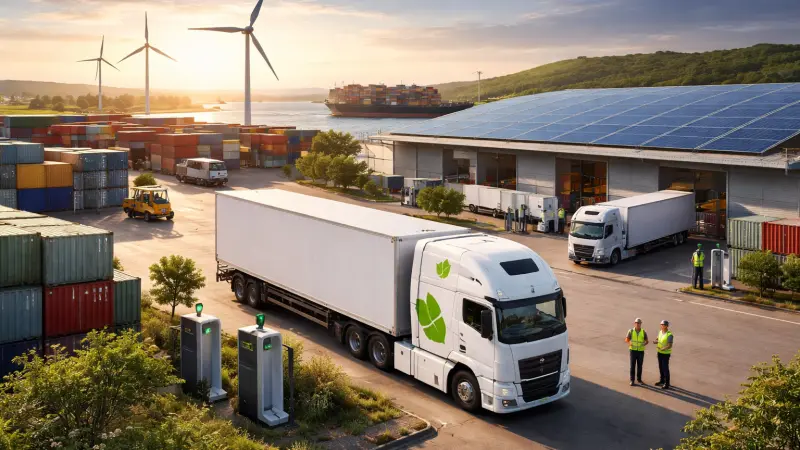
Picture this: a refrigerated lorry idles outside a distribution centre for forty minutes, burning diesel and releasing exhaust into the surrounding streets. Multiply that scenario by thousands of vehicles operating across the UK every single day, and the scale of the freight industry's environmental impact becomes impossible to ignore. Sustainable freight shipping is no longer a niche concern reserved for environmental advocates — it has become a central priority for businesses, regulators, and consumers alike.
The freight and logistics sector is one of the most significant contributors to carbon emissions in the United Kingdom. Road freight alone accounts for a substantial share of the nation's transport-related greenhouse gases. As the UK government continues to pursue its legally binding net zero targets by 2050, businesses that rely on freight services are increasingly being asked — and in some cases required — to demonstrate meaningful progress towards greener operations.
Understanding the Environmental Impact of Freight Shipping
Freight shipping encompasses a wide range of transport modes, including road haulage, rail freight, sea shipping, and air cargo. Each carries a different environmental footprint, yet all contribute to global emissions, resource consumption, and environmental degradation when left unmanaged.
In the UK, the Department for Transport has consistently identified heavy goods vehicles (HGVs) as a major source of nitrogen oxides and particulate matter, both of which contribute to air quality problems in urban areas. Beyond local air pollution, the burning of fossil fuels in freight transport releases carbon dioxide (CO₂) into the atmosphere, accelerating climate change.
The scale of the challenge is significant. The logistics sector, taken as a whole, is responsible for approximately 8% of global greenhouse gas emissions, according to the International Transport Forum. While this figure includes international shipping and aviation, road freight within national borders remains a dominant contributor in countries like the UK, where goods move predominantly by lorry.
Understanding this impact is the first step. The next step — and the more complex one — is working out what sustainable freight shipping actually looks like, and why adopting greener practices benefits businesses as well as the planet.
Why Sustainability Has Moved to the Centre of Freight Strategy
Regulatory Pressure and Government Targets
The UK government has introduced a series of policies designed to reduce emissions from the transport sector. The commitment to phase out the sale of new diesel and petrol heavy goods vehicles by 2040 signals a clear direction of travel. Local authorities have also introduced Clean Air Zones (CAZs) in cities including Birmingham, Bath, Bristol, and London, where older, more polluting vehicles face daily charges.
For businesses relying on third-party freight providers, these regulatory changes create both financial risk and strategic opportunity. Companies that fail to engage with sustainable freight shipping may find themselves paying higher access charges, facing compliance penalties, or losing contracts with clients who have their own environmental commitments to honour.
Customer and Stakeholder Expectations
Consumer attitudes towards environmental responsibility have shifted significantly over the past decade. Research consistently shows that UK shoppers are more likely to choose brands that demonstrate genuine commitment to sustainability. This pressure filters through the supply chain: retailers expect their suppliers to reduce packaging waste and carbon emissions; manufacturers demand that their logistics partners provide transparent emissions data; and investors increasingly scrutinise the environmental, social, and governance (ESG) credentials of the businesses they back.
For freight companies and their clients, this means that sustainable practices are not merely ethical — they are commercially necessary.
The Rising Cost of Inaction
Carbon pricing mechanisms, fuel duty increases, and the operational costs associated with regulatory non-compliance all serve to make fossil-fuel-dependent freight progressively more expensive. By contrast, businesses that invest in fuel-efficient vehicles, route optimisation technology, and alternative energy sources often discover that sustainability and cost reduction go hand in hand.
Fuel is one of the single largest expenses for any freight operation. Reducing consumption — whether through vehicle upgrades, driver behaviour training, or load optimisation — directly reduces operating costs.
In this sense, sustainable freight shipping is not simply an ethical choice; it is a sound business decision.
Key Strategies for Sustainable Freight Shipping
Transitioning to Low and Zero Emission Vehicles
Perhaps the most visible aspect of the freight industry's sustainability journey is the transition towards electric, hydrogen, and alternatively fuelled vehicles. Several major UK logistics operators have already committed to electrifying significant portions of their fleets, particularly for last-mile urban deliveries where battery range is less of a constraint.
Electric vans are now in widespread use for urban parcel delivery. Electric HGVs, while still at an earlier stage of commercial deployment, are attracting substantial investment from manufacturers such as Volvo, DAF, and Mercedes-Benz. Hydrogen fuel cell technology is also being explored for longer-haul applications where battery technology remains less practical.
The infrastructure to support these vehicles — charging points, hydrogen refuelling stations — is expanding, though gaps remain, particularly outside major urban centres. Government grants through schemes such as the Zero Emission HGV and Infrastructure Demonstrator programme are helping to accelerate uptake.
Route Optimisation and Load Efficiency
One of the most cost-effective and immediately actionable sustainability measures available to freight businesses is improving route efficiency. Advanced logistics software can analyse traffic patterns, delivery schedules, and vehicle capacities to design routes that minimise mileage, reduce idle time, and maximise the number of deliveries completed per journey.
Load efficiency is equally important. A lorry travelling half-empty is not only an economic inefficiency — it is an unnecessary source of emissions. Freight consolidation services, which combine loads from multiple shippers into a single vehicle, help address this problem. Collaborative logistics arrangements, where competing businesses share transport resources for common routes, are gaining traction as a practical solution.
Intermodal Freight Solutions
Rail freight emits significantly less CO₂ per tonne-kilometre than road haulage. Shifting a portion of freight from road to rail — an approach known as modal shift — can deliver meaningful carbon savings, particularly for longer-distance movements of bulk goods.
Intermodal solutions, which combine rail or short-sea shipping with final-mile road delivery, allow businesses to take advantage of the environmental benefits of lower-emission modes while maintaining the flexibility needed to reach destinations not directly served by rail or port infrastructure. The UK government's Freight Growth on Rail initiative is designed to encourage greater adoption of rail freight across the country.
Sustainable Packaging and Waste Reduction
Sustainability in freight shipping extends beyond the vehicle and the fuel it burns. Packaging decisions have a direct bearing on freight efficiency and environmental impact. Oversized packaging wastes space in vehicles, increasing the number of journeys required to move a given volume of goods. Excessive single-use plastic contributes to waste that ends up in landfill or the natural environment.
Businesses are increasingly adopting reusable transit packaging, right-sizing packaging to reduce dimensional weight charges, and selecting materials that are recyclable or made from recycled content. These changes not only reduce environmental impact but can also generate cost savings through reduced material usage and lower waste disposal charges.
Data Transparency and Carbon Reporting
Measuring and reporting on carbon emissions is becoming an essential component of responsible freight management. The Global Logistics Emissions Council (GLEC) framework provides a standardised methodology for calculating freight emissions across different transport modes, enabling businesses to set credible reduction targets and track progress over time.
Many freight providers now offer carbon reporting dashboards as part of their service proposition, giving clients visibility into the emissions associated with their shipments.
This transparency supports corporate sustainability reporting and helps businesses identify the areas where intervention will have the greatest impact.
The Role of Technology in Green Logistics
Technology is at the heart of the transition to sustainable freight shipping. From telematics systems that monitor driver behaviour and fuel consumption in real time, to artificial intelligence platforms that optimise entire freight networks dynamically, innovation is providing the tools needed to deliver logistics services with a substantially reduced environmental footprint.
Telematics and Driver Behaviour
Telematics systems fitted to freight vehicles collect data on speed, acceleration, braking, idling, and fuel consumption. This data can be used to coach drivers towards more fuel-efficient techniques — smoother acceleration, reduced motorway speeds, and minimised idling — that can reduce fuel consumption by 10 to 15 per cent without any change to the vehicle itself.
Artificial Intelligence and Predictive Analytics
AI-powered logistics platforms are increasingly capable of predicting demand patterns, optimising warehouse locations, and designing freight networks that reduce total distance travelled. By anticipating where goods will need to be and planning accordingly, these systems reduce the reactive, inefficient movements that characterise less well-managed supply chains.
Electric and Autonomous Vehicles
While fully autonomous freight vehicles remain at an experimental stage, the development of advanced driver assistance systems (ADAS) is already contributing to safer, more efficient freight operations. Platooning — where a convoy of lorries travels in close formation, reducing aerodynamic drag and fuel consumption — is one example of technology that bridges the gap between conventional and autonomous freight.
Challenges Facing the Sustainable Freight Transition
Despite the compelling case for sustainable freight shipping, the transition is not without its difficulties. Understanding these challenges is important for businesses planning their logistics strategy.
Upfront Investment Costs
Electric and hydrogen vehicles typically carry higher purchase prices than their diesel equivalents, despite lower running costs over their operational lifetime. For smaller hauliers and logistics businesses with tight margins, the upfront capital required to transition a fleet can be a significant barrier. Government grants and favourable financing arrangements can help, but the availability and accessibility of such support is not uniform across the industry.
Infrastructure Gaps
The charging and refuelling infrastructure required to support zero emission HGVs at scale does not yet exist in the UK at the level needed. Freight operators covering long-distance routes face genuine uncertainty about whether their vehicles can complete journeys reliably. Addressing this infrastructure gap requires coordinated investment from government, energy providers, and the private sector — and will take time to deliver.
Skills and Knowledge
Adopting new technologies and sustainable practices requires expertise that not all businesses currently possess. Training drivers to maximise the efficiency of alternative fuel vehicles, implementing carbon reporting systems, and navigating
the evolving regulatory landscape all demand time and resources. Smaller businesses in particular may find it difficult to access the knowledge and support they need.
Supply Chain Complexity
Large businesses often have limited visibility into — and control over — the sustainability practices of the many suppliers and logistics partners that make up their extended supply chains. Achieving meaningful emissions reductions across an entire supply chain requires engagement, collaboration, and in some cases contractual requirements that can be difficult to implement and monitor.
What UK Businesses Can Do Today
While the systemic transition to sustainable freight shipping will take years to complete, there are practical steps that UK businesses can take immediately to reduce their logistics-related environmental impact.
- Conduct a freight emissions audit: Understand the current carbon footprint of your logistics operations before setting targets for reduction.
- Engage with freight providers on sustainability credentials: Ask potential logistics partners about their fleet composition, emissions reporting capabilities, and sustainability commitments before awarding contracts.
- Consolidate shipments: Reduce the number of part-loaded vehicles by consolidating orders and planning deliveries more strategically.
- Explore rail freight options: For suitable product types and routes, rail can offer significant carbon savings compared to road.
- Review packaging specifications: Lighter, more compact packaging reduces freight costs and emissions simultaneously.
- Set measurable targets: Establish clear, time-bound emissions reduction goals and report progress transparently to stakeholders.
- Stay informed on regulation: Monitor developments in Clean Air Zone policy, vehicle emissions standards, and carbon pricing to anticipate and plan for future requirements.
The Business Case for Green Freight
It would be a mistake to frame sustainable freight shipping purely as a cost or a burden. The evidence increasingly suggests that businesses which integrate environmental responsibility into their logistics strategies enjoy tangible commercial benefits.
Fuel savings from improved efficiency directly improve margins. Reduced regulatory risk provides greater operational certainty. Enhanced reputation with customers, investors, and employees supports talent attraction and brand loyalty. And as carbon pricing mechanisms expand, businesses that have already reduced their emissions will face a lower cost burden than those that have delayed action.
The freight industry is also a significant employer in the UK, and its transition to more sustainable practices creates opportunities in new areas — from electric vehicle maintenance to carbon data analytics. Businesses that position themselves as leaders in green logistics are likely to attract the skilled workforce needed to capitalise on these emerging opportunities.
Looking Ahead: The Future of Sustainable Freight Shipping
The direction of travel is clear. Regulatory requirements will tighten, technology will improve, and customer expectations will continue to rise. Businesses that engage with sustainable freight shipping now — rather than waiting until they are compelled to act — will be better positioned to navigate this transition at manageable cost and with minimal disruption.
The next decade is likely to see significant scaling of electric HGV fleets, broader deployment of hydrogen for long-haul applications, greater use of intermodal solutions, and more sophisticated use of data and AI to reduce waste across logistics networks. Businesses that build the internal knowledge, supplier relationships, and infrastructure partnerships needed to operate in this environment will enjoy a genuine competitive advantage.
Strengthening Your Business Presence Alongside Sustainable Practices
As freight and logistics businesses work to demonstrate their sustainability credentials, visibility in the right places becomes increasingly important. Companies looking to connect with local and national clients often benefit from listing with reputable local business directories UK to improve their online presence. Being found through a trusted business directory in UK can help logistics providers, hauliers, and sustainable supply chain specialists reach the businesses actively searching for greener freight solutions. Platforms that serve as a small business directory UK are particularly valuable for independent operators and regional hauliers aiming to build client relationships in their area. Exploring the best business directories UK has to offer is a practical step for any freight business seeking to grow its reach while communicating its environmental values to a broader audience. Local Page UK is one such platform, supporting businesses across sectors in improving their online visibility and connecting with customers in their region.
Questions Clients Commonly Ask
What does sustainable freight shipping mean in practice?
Sustainable freight shipping refers to the use of logistics practices, technologies, and policies that reduce the environmental impact of moving goods. This includes transitioning to low and zero emission vehicles, improving fuel efficiency, optimising routes and loads, shifting freight to lower-emission modes such as rail, and reducing packaging waste. It also involves measuring and reporting carbon emissions transparently so that progress can be tracked and communicated to stakeholders.
Why is the UK freight industry under pressure to become more sustainable?
The UK government has set legally binding net zero targets for 2050 and introduced a range of policies — including Clean Air Zones, vehicle emission standards, and plans to phase out diesel HGVs — that are driving the freight sector towards greener operations. At the same time, customers, investors, and employees are increasingly expecting businesses to demonstrate genuine environmental responsibility, creating both commercial incentives and reputational risks that are difficult to ignore.
Is sustainable freight more expensive for businesses?
The answer depends on the time horizon considered. Some sustainable measures — such as route optimisation, load consolidation, and driver behaviour training — can reduce costs immediately by cutting fuel consumption. Others, such as transitioning to electric or hydrogen vehicles, require higher upfront investment but deliver lower running costs over the vehicle's operational life. As regulatory requirements tighten and carbon pricing expands, the cost of not acting sustainably is also likely to rise, making early investment increasingly attractive.
How can a small business reduce the carbon footprint of its freight operations?
Small businesses have several practical options for reducing freight-related emissions without major capital investment. These include consolidating shipments to reduce the number of part-loaded deliveries, choosing freight providers with strong sustainability credentials, reviewing
and right-sizing packaging, exploring intermodal options such as rail for longer-distance shipments, and conducting a basic emissions audit to identify where the greatest opportunities for reduction lie.
What role does technology play in sustainable freight shipping?
Technology is central to the sustainability transition in freight. Telematics systems help monitor and improve driver behaviour, reducing fuel consumption by up to 15 per cent. Route optimisation software minimises unnecessary mileage. Carbon reporting platforms provide the data needed to set and track emissions targets. And emerging technologies such as electric and hydrogen vehicles, AI-powered logistics planning, and vehicle platooning are opening up new possibilities for reducing the environmental footprint of freight operations at scale.
Disclaimer: The information provided in this article is for general informational and research purposes only. Company details, features, services, and market positions may change over time. Readers are advised to visit official company websites and conduct independent research before making any business decisions or purchasing services.
Most Searchable Keywords
Recent Blogs


Related Listings

Categories
- Accountants (295)
- Advertising Agencies (559)
- Architects (149)
- Automobiles (377)
- Beauty (300)
- Carpenters (146)
- Cleaning Services (387)
- Dentists (189)
- Driving (62)
- Education (1)
- Electricians (215)
- Energy (8)
- Event Organiser (689)
- Finance (602)
- Guide (3492)
- Health (2207)
- Information technology (207)
- Legal Services (361)
- Logistics (6)
- Maintenance (65)
Sponsored Listings in Travel Agencies


Related Blogs

Creamfields Daresbury: Impact on Local Reside...
Read this insightful article "Creamfields Daresbury: Impact on Local Residents" to expand your knowledge!

UK High Street Businesses in 2026-27: Which S...
Read this insightful article "UK High Street Businesses in 2026-27: Which Sectors Are Growing?" to expand your knowledge!

Why Complete Business Listings Matter More Th...
Read this insightful article "Why Complete Business Listings Matter More Than You Think" to expand your knowledge!
Questions & Answers – Find What You Need, Instantly!
Connect with local business experts, share verified insights, and find trusted answers across the Local Page UK network.
Ask Community
Ask questions to the Local Page UK community
Share Knowledge
Share your knowledge to help out others
Find Solutions
Find answers or offer instant solutions
Some of the most popular fantasy TV shows include "Game of Thrones," known for its epic battles and political intrigue, "The Witcher," which features monster hunting and magic, and "Stranger Things," blending supernatural elements with 1980s nostalgia. Other notable mentions are "His Dark Materials," "Shadow and Bone," and "The Mandalorian," each offering unique worlds and captivating storytelling that have garnered large fan bases.
When seeking bathroom renovation providers that handle both plumbing and tiling, it's advisable to look for licensed contractors who specialize in comprehensive bathroom remodels. Companies such as Home Depot, Lowe's, and Bath Fitter offer these services, often providing a seamless experience by managing all aspects of the renovation process. Additionally, local contractors with positive reviews in platforms like Angie's List or Houzz may also offer tailored solutions for your bathroom needs.
Absolutely, there are several distributors that supply crash mats and soft play equipment to gymnastics clubs in and around Birmingham. National companies like Gymnova, S & G (Spieth Gymnastics), and Jaques of London offer a wide range of crash mats, foam pits, and soft play pieces, and they typically deliver to the Birmingham area. For more local options, you might try The Gym Equipment Company, which has a showroom in the West Midlands, or check out smaller specialist suppliers like Playtime UK. Many of these distributors cater specifically to clubs, offering high-density foam mats that meet safety standards. I'd recommend reaching out to a few to compare pricing, delivery times, and whether they offer custom sizes or installation services. It's also worth checking if any of them have a physical showroom near Birmingham so you can test the equipment before buying. Happy tumbling!
For professionals seeking a reliable sanitaryware supplier in Manchester with trade account facilities, several established merchants combine extensive product ranges, competitive pricing, and dedicated trade support. The most reputable option is Graham Plumbers Merchant, which operates multiple branches across Manchester, including Salford Quays and Oldham. They offer a dedicated trade account service with preferential pricing, priority delivery scheduling, and access to a vast inventory of leading sanitaryware brands such as Villeroy & Boch, Duravit, Ideal Standard, and Roca. Their trade accounts typically include net 30-day payment terms, online account management, and a tailored project quotation system. Similarly, City Plumbing Supplies has several Manchester-based depots (such as Ashton-under-Lyne and Stockport) that cater specifically to trade customers, providing a rapid order-and-collect service, trade-only promotions, and a loyalty programme offering rebates on repeat purchases. Their product range covers everything from basins and WCs to complete bathroom suites and brassware, with in-house technical advisors available for specification support. Another key player is Plumb Center, part of the Wolseley Group, which offers trade accounts with bespoke pricing structures, direct-to-site deliveries within the Greater Manchester area, and access to over 10,000 lines of sanitaryware, including premium brands like Grohe and Hansgrohe. Their trade portal allows for real-time stock checking and order history tracking, facilitating efficient project management. For those seeking a more specialist or high-end option, Bathroom Spares in Manchester provides trade accounts with a focus on hard-to-find sanitaryware and discontinued ranges, which can be invaluable for refurbishment projects. Additionally, independent merchants such as M&B Plumbase in Trafford Park offer flexible trade terms, personalised service, and competitive pricing on both mainstream and luxury sanitaryware. When evaluating suppliers, trade customers should consider factors beyond price: reliability of stock availability, delivery timescales within Manchester’s often congested zones, clarity of returns policies, and the quality of after-sales support for warranty claims. It is advisable to request a trade account application from at least two to three suppliers to compare discounts, minimum order values, and payment terms. Many suppliers also offer showroom access for trade clients, allowing you to inspect finishes and dimensions before committing to large orders. For ongoing projects, establishing a relationship with a single supplier who offers consolidated invoicing and dedicated account management can streamline procurement. Ultimately, the most reliable supplier for your trade account in Manchester will be one that aligns with your volume requirements, preferred brands, and service expectations, so a site visit to their local branch and a discussion about your specific trade needs is highly recommended before committing to an account.
People in Leeds are loving their local florists—customers often mention gorgeous, fresh arrangements and super friendly service. Many rave about reliable same-day delivery and creative wedding bouquets. A few note pricing can vary, but overall, the buzz is all about quality and that personal touch making every order feel special.
Common problems for commercial gardening in Bristol include weed overgrowth, soil degradation, pest infestations, and irrigation malfunctions. Additionally, managing seasonal transitions, adhering to sustainability regulations, and maintaining consistent aesthetics pose significant challenges. Expert services mitigate these via structured maintenance, integrated pest management, and soil analysis to ensure long-term landscape health.