
Afro Nation Portugal 2026: The Essential First-Timer’s Guide to the World’s Biggest Afrobeats Festival
 Previous

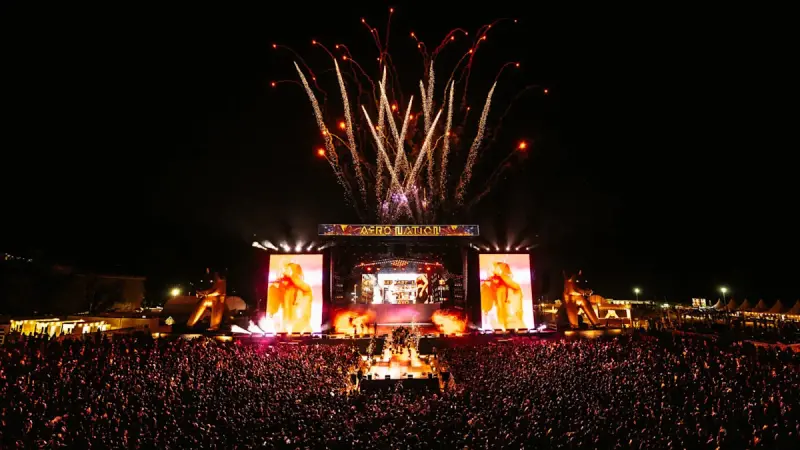
The first thing that hits you at Praia da Rocha isn’t just the salt-tinged Atlantic breeze—it’s the thundering bassline of Amapiano, the soaring harmonies of Afrobeats, and the sight of thousands of bodies moving as one. Flags from Angola to Jamaica ripple above the crowd. The aroma of jollof rice and jerk chicken wafts from food trucks. This is Afro Nation Portugal, the largest festival dedicated to Afrobeats and Amapiano on the planet, and it’s returning to Portimão from July 3–5, 2026—marking a milestone: the first time the event has fallen entirely on a weekend.
For first-timers, the experience can feel overwhelming in the best way. The festival draws over 40,000 attendees from more than 180 countries, transforming a stretch of Algarve coastline into a vibrant, living tableau of the African diaspora. Whether you're a die-hard fan of Burna Boy, Tems, or Dexta Daps—or simply curious about the genre that’s reshaping global pop—this guide will walk you through everything from ticket tiers to travel logistics, ensuring your Euro summer includes a stop you won’t forget.
The Rise of Afro Nation: From Accra to Portimão
Founded in 2019, Afro Nation quickly evolved from a single event in Ghana’s capital into a global franchise with editions in Miami, Puerto Rico, and the Dominican Republic. Its Portuguese outpost, however, has become the flagship. Set against the cliffs and golden sands of Portimão, the festival has positioned itself as a cultural pilgrimage—not just a concert series. The 2025 edition, its fifth anniversary, featured a jaw-dropping lineup that included Mary J. Blige, Amaarae, and Davido, alongside rising stars from across the continent.
Industry insiders credit Afro Nation with accelerating the global acceptance of Afrobeats as a mainstream force. The genre has crossed over into Billboard charts, Super Bowl halftime shows, and luxury brand campaigns. The festival itself has become a showcase for that momentum. “It’s not just music,” says one frequent attendee. “It’s a family reunion for people who love Black culture.”
Afro Nation 2026: Weekend Dates and Early-Bird Strategy
The shift to a Friday-through-Sunday schedule—July 3 to 5—is a game-changer for international travelers. Previous editions started on Thursday, forcing attendees to take additional time off work. With the 2026 dates, a long weekend becomes feasible, opening the door for more U.S. and U.K. visitors who can tack on a few days in Lisbon or Porto.
Pre-sale tickets are already live, and the golden rule applies: buy early. Prices scale upward in phases, with the cheapest general-admission passes available now. Sign up for the festival’s priority-access email list to snag alerts before the next price tier kicks in. For those who can’t wait until summer, Afro Nation also hosts a Punta Cana edition from November 7–9, 2025—a warm-weather preview if you want to test the waters.
Ticket Tiers Explained: Where to Spend and Where to Save
Afro Nation offers three main entry levels, each tailored to different priorities:
- General Admission – Access to all stages and performances. A solid choice if you’re planning to roam, dance, and soak in the atmosphere without needing premium perks.
- VIP – A dedicated area with upgraded bathrooms and exclusive food vendors. Note: the VIP section does not have a direct view of the main stage, so it’s best for those who value comfort over proximity.
- Golden Circle – The premium tier. It grants you the closest view of the main stage, entry into the VIP zone, and daily access to the No Solo Agua Beach Club during morning and afternoon hours. Golden Circle holders even have a private entrance that leads directly from the beach club to the festival grounds.
The 2025 edition expanded the experience beyond the fenced venue. An opening party at No Solo Agua featured DJ Uncle Waffles, multiple boat parties sold out, and the Afrotronic afterparty closed the week with a bang. Expect similar satellite events in 2026—and be prepared to book early.
Planning Your Pilgrimage: Travel, Lodging, and Local Logistics
Getting to Portimão is straightforward, but requires strategic planning. The nearest airport is Faro International (FAO), about 45 minutes east. From Faro, a Vamus bus runs to Portimão for roughly $17—tickets can be purchased at the airport. Many budget-conscious travelers fly into Lisbon (LIS), where flights are often cheaper, then take a three-hour bus. Fares range from $8 to $40 depending on timing.
Accommodation should be booked at least six months out. The prime zone is Praia da Rocha itself, where you can walk to the venue. Avoid Avenida Tomás Cabreira, the main drag—it’s loud and congested. Instead, look for quieter streets a block or two inland. Airbnb and hotels fill up fast; consider splitting a rental with friends to cut costs.
Rideshare services like Uber and Bolt are notoriously unreliable during the festival, with wait times stretching past two hours. If you rent a car, park early and plan to stay put. Most attendees find that walking or using the local bus network is the least stressful option.
Essential Tips for First-Timers: Don’t Learn the Hard Way
Artists and DJs typically start sets around 4 p.m. If you want to be near the rail for a headliner, arrive two to three hours early and stake out your spot. Follow Afro Nation’s social channels for real-time schedule updates—sets can shift due to travel delays or special guests.
What to wear? Daytime is scorching—bathing suits, light dresses, shorts, and cover-ups are standard. Evenings cool off dramatically, so pack a hoodie or light jacket. Comfortable footwear is non-negotiable; you’ll be on your feet for hours. A portable fan or misting spray is a lifesaver in the afternoon heat.
Flag Day on the final Sunday is a highlight: attendees wave the banners of their home countries, creating a sea of colors and a powerful visual of global unity. Bring a hand flag or a larger pole—just be mindful of those around you.
Wristband pickup can be done the day before the festival. That extra trip is worth it: it saves you from the long lines on the first morning. The festival is completely cashless and cardless—load your wristband with funds beforehand to buy food, drinks, and merchandise.
A Cultural Tapestry Beyond the Music
What sets Afro Nation apart from other festivals is its deliberate celebration of the diaspora. The food vendors serve up authentic jollof rice, jerk chicken, and plantains. The fashion is a blend of Ankara prints, modern streetwear, and hand-beaded accessories. Between sets, you might catch a panel on Afrobeats’ economic impact, a dance workshop, or a pop-up art installation.
For many, the festival is also a homecoming. “I came for Davido, but I stayed for the energy,” one attendee from London said last year. “It’s the first time I’ve felt like the mainstream music world was built for me.” That sense of belonging is what organizers aim to replicate each year—and it’s why Afro Nation Portugal has become a non-negotiable date on the global festival calendar.
As July 2026 approaches, the buzz is already building. New artist announcements, special collaborations, and expanded programming are expected in the coming months. Whether you’re a seasoned festival-goer or a curious newcomer, Afro Nation Portugal offers a chance to witness—and participate in—a musical movement that shows no signs of slowing down.
Disclaimer - All celebrity-related content, information, and images on this website are based on publicly available online sources and AI-generated insights/data. Information such as biography, age, career, personal details, and images may change without notice over time. While we strive for accuracy, we do not guarantee the accuracy, completeness, reliability, or timeliness of any information or imagery displayed on this website. This content is provided for general informational purposes only.
Top Trending News of Music Events
👁️ 217 views
🔥 Afro Nation Portugal 2026: The Essential First-Timer’s Guide to the World’s Biggest Afrobeats Festival
Get the ultimate first-timer's guide to Afro Nation Portugal 2026 – the world's largest Afrobeats festival. Dates, tickets, travel tips, and what to expect in Portimão this July.
 👁️ 186 views
🔥 Golden Disc Awards 2026: Rookie Revolution as CORTIS, ALLDAY PROJECT, and Hearts2Hearts Redefine K-Pop's New Wave
Golden Disc Awards 2026 saw an unprecedented rookie sweep as CORTIS, ALLDAY PROJECT, Hearts2Hearts, izna, and KiiiKiii dominated major categories. Read our in-depth analysis of K-pop's new generation takeover and what it means for the industry.










Details
Send Us an Enquiry
We'll get back to you as soon as possible.
Thank You!
Your enquiry has been submitted. We'll be in touch shortly.