AMC Theatres and Arena One Launch Live Concert Series: A New Era of Cinematic Music Events
 Previous

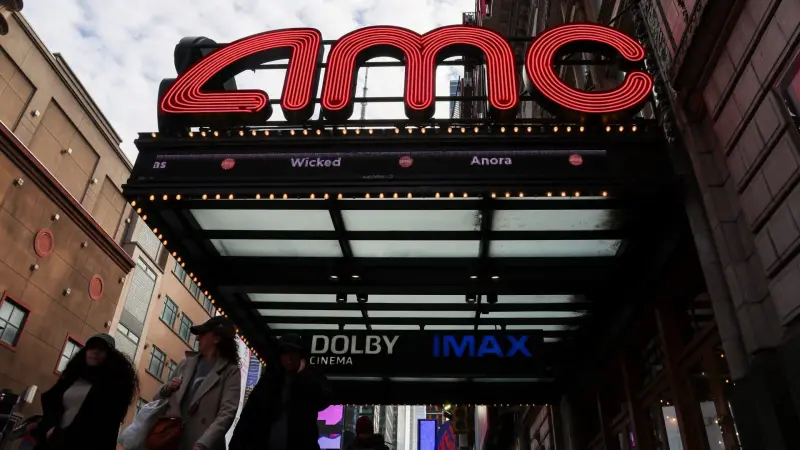

Imagine the roar of a packed arena, the shimmer of stage lights, and the pulse of a live bassline—all from the plush recliner of your local movie theater. AMC Theatres is turning that vision into reality. In a bold move that blurs the line between concert hall and cinema, the world’s largest theater chain has partnered with Arena One, a live entertainment technology firm, to beam real-time concerts onto the big screen starting this June. The initiative, announced during AMC’s quarterly earnings call, promises to redefine how fans experience live music—and how theaters compete in a post-pandemic world.
From ‘Eras Tour’ to Real-Time Spectacle
AMC is no stranger to music on film. The chain scored box-office gold with Taylor Swift’s “The Eras Tour” and Beyoncé’s “Renaissance” concert films, proving that audiences crave communal, larger-than-life musical experiences. But those were pre-recorded screenings. The Arena One partnership takes it a step further: live, simultaneous performances transmitted from specially designed stages to over 300 AMC locations across 89 U.S. markets.
“We built a cinematic stage optimized to translate seamlessly to cinemas, but artists are defining what it becomes,” said Peter Hamilton, CEO of Arena One, in a statement. “They’re not adapting tours; they’re building something new. That’s when a medium sparks reinvention.” The technology includes spatial audio capture and multiple cameras, ensuring that every note and every sweat-drenched guitar solo feels immediate. What’s more, sound from theater audiences will be transmitted back to the performer, creating a two-way, interactive experience.
Who’s on the Virtual Stage?
The launch lineup reads like a festival bill that spans genres: pop hitmaker Bebe Rexha, metaverse-entrepreneur Paris Hilton, and country star Maren Morris. These artists will headline the initial “Arena One at AMC” events, with more acts expected to be announced. Ticket prices, ranging from $40 to $75 depending on the artist and market, position the experience as a premium night out—cheaper than a floor seat at a stadium, but with the added comfort of AMC’s Dolby and IMAX auditoriums.
AMC CEO Adam Aron sees this as a breakthrough. “Music fans across the country will be able to come together for the same live concert, at the same time, all with the accessible premium experience of huge screens, powerful sound, and comfortable seats that AMC guests know and expect,” he said. The move also allows artists to reach fans in markets they might skip on a traditional tour—a lifeline in an era of rising travel costs and fragmented touring schedules.
Why This Matters for the Theater Industry
The domestic box office has been on a slow climb back from pandemic-era shutdowns and the 2023 Hollywood labor strikes. While the 2026 theatrical slate looks robust—with blockbusters from Marvel, DC, and Disney—exhibitors know they cannot rely solely on movies to fill seats. Premium large-format screens (IMAX, Dolby) and experiential auditoriums (4DX, Screen X) have helped, but diversifying content is the next logical step.
AMC’s financials underscore the urgency. The chain reported first-quarter revenue of $1.05 billion—a 21% jump year over year—but also a net loss of $117 million, dragged down by operating costs. Attendance, however, rose 14% domestically and 13% internationally, with average ticket prices up nearly 60 cents to $12.90. Live concerts could boost both attendance and per-capita spending on concessions, a key profit driver.
The partnership also taps into a broader trend: the hybridization of live entertainment. From Broadway simulcasts to esports tournaments in cinemas, theaters are becoming multi-purpose venues. AMC’s rival, Regal, has experimented with live stand-up comedy and opera streams. But the Arena One deal is the first to offer a dedicated, real-time concert circuit with built-in audience interaction. It’s a high-wire act—technical glitches or low attendance could sour the experience—but the potential payoff is enormous.
A Brief History of Concerts in Cinemas
Bringing music to movie theaters isn’t new. In the 1950s, Elvis Presley’s films were event screenings. Later, The Rolling Stones’ “Gimme Shelter” and Pink Floyd’s “The Wall” turned concert movies into cultural phenomena. In 2023, Taylor Swift and Beyoncé proved that filmed concerts could be blockbusters in their own right, grossing hundreds of millions. Yet live, simultaneous transmission has remained elusive—until now, thanks to advances in low-latency streaming and spatial audio.
Arena One, founded by veteran live-event technologists, developed a proprietary platform that syncs audio and video across multiple locations. The company’s CEO, Peter Hamilton, previously worked on immersive theater and virtual reality projects. “We’re not just streaming a show,” he told industry insiders. “We’re building a stage that exists simultaneously in an arena and in 300 cinemas.”
What This Means for Artists and Fans
For artists, the model offers a new revenue stream without the logistical nightmare of a full tour. Bebe Rexha, Maren Morris, and even Paris Hilton (who has reinvented herself as a DJ and producer) can test new material, celebrate album releases, or perform exclusive sets from a single studio stage. The technology also opens doors for international acts who want to build U.S. audiences without a multi-city run.
For fans, it’s a chance to see a live show without battling traffic, expensive parking, or obstructed views. “Arena One at AMC” promises a consistent, high-quality vantage point—every seat is the best seat. And the interactivity, with crowd noise transmitted back to the artist, aims to preserve the electric energy of a live gig. Imagine cheering for an encore and hearing your voice echo through a singer’s monitor. That’s the hook.
Challenges and the Road Ahead
No innovation is without hurdles. The $40–$75 ticket price is steep compared to a standard movie ticket (around $13), and audiences may balk if the live feed suffers delays or audio sync issues. AMC will also need to market these events effectively, distinguishing them from pre-recorded concert films. Then there’s competition from streaming: why leave home when you can watch a concert on YouTube? The answer, AMC hopes, lies in the communal spectacle—the same reason people still flock to theaters for blockbusters.
AMC’s Aron is betting that premium experiences will win. The chain has invested heavily in reclining seats, expanded food options, and upscale bar service. Live concerts add another lure, especially for younger demographics who crave Instagram-worthy events. If successful, the partnership could expand to sports, comedy, and even live theater—turning AMC into a nationwide venue for any live-to-screen event.
As the June launch approaches, all eyes will be on those 300-plus screens. Will fans rise from their seats in a standing ovation? Or will they just post a selfie with the big screen? The answer will shape not only AMC’s future but also the broader question of what going to the movies means in an era where content is everywhere—but shared experiences are rare.
This isn’t just a concert. It’s a test of whether live entertainment can truly scale across thousands of seats in hundreds of cities, all at the same moment. If Arena One and AMC pull it off, the encore might be the most exciting act yet.
Disclaimer - All celebrity-related content, information, and images on this website are based on publicly available online sources and AI-generated insights/data. Information such as biography, age, career, personal details, and images may change without notice over time. While we strive for accuracy, we do not guarantee the accuracy, completeness, reliability, or timeliness of any information or imagery displayed on this website. This content is provided for general informational purposes only.

Top Trending News of Music Events
 👁️ 90 views
🔥 The Great Festival Cancellation of 2024: Why So Many Music Events Are Biting the Dust
Discover why over 60 music festivals canceled in 2024 alone—from rising costs and streaming algorithms to Gen Z's changing habits. Inside the festival recession.
 👁️ 64 views
🔥 Bruno Mars Announces 2026 Stadium Tour Dates With Anderson .Paak, Victoria Monet, Raye, Leon Thomas