
The Great Festival Cancellation of 2024: Why So Many Music Events Are Biting the Dust
 Previous

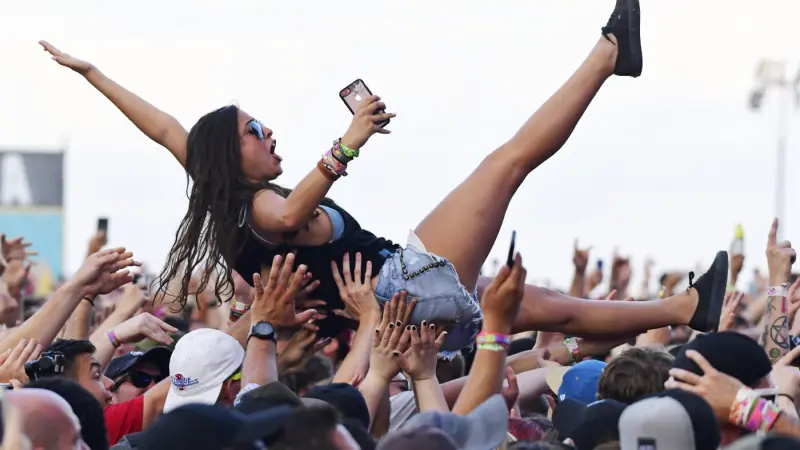
If 2024 feels like the year the music festival died, you’re not alone. From the psychedelic sands of Desert Daze in Southern California to the reggae rhythms of Sierra Nevada World Music Festival, a staggering wave of cancellations has swept across the globe. In the U.K. alone, over 60 festivals have pulled the plug; in Australia, industry watchers are asking whether the nation’s festivals are headed for extinction. Even heavyweights like Lollapalooza Paris and the Sideways Festival in Helsinki have called it quits for this year—or forever. Welcome to what economists are calling the festival recession.
Yet the story isn’t just about rising costs or inflation. Beneath the surface, a perfect storm of shifting consumer behavior, technological disruption, and generational change is reshaping the live-music landscape. Let’s break down what’s really going on.
The Boom Before the Bust
In the decade leading up to the COVID-19 pandemic, music festivals enjoyed a golden age. New events sprouted faster than anyone could count, and established ones like Coachella added extra days to accommodate demand. The 2010s festival bubble seemed invincible—until the pandemic popped it. When lockdowns ended, pent-up demand and stimulus-fueled cash briefly revived the scene, but the hangover arrived in 2024.
Ticket sales for major festivals have slumped. Coachella saw a 15% drop in attendance, while Burning Man failed to sell out for the first time in over a decade. The era of easy money for festival promoters is over.
The Cost Crunch: Inflation Meets Risk Aversion
Rising production costs are the most obvious culprit. Porta-potties, security, equipment, artist fees, insurance—everything costs more. Since 2014, general admission prices for major festivals have jumped 55%, outpacing inflation. Yet many promoters, wary of scaring off post-pandemic audiences, have hesitated to raise ticket prices enough to cover these costs.
Will Page, former chief economist of Spotify and self-described “rockonomist,” explains the dilemma: “Promoters are risk-averse—they want to get people back in fields jumping up and down to ‘Mr. Brightside.’ But that hesitancy on price collides with exploding production costs. They’re caught in the crossfire.” The result? A wave of cancellations as financial models collapse.
The Winner-Take-All Live Market
Concertgoers are becoming more selective. They’re skipping mid-tier festivals to save money for top-tier experiences—Taylor Swift, Beyoncé, Coachella. This “race to the top” leaves smaller events struggling. Live Nation, the world’s largest live-entertainment company, reports strong demand for its arena and stadium shows but acknowledges that many festivals are in trouble.
Even major artists feel the pinch. The Black Keys and Jennifer Lopez canceled tours this year. Live music has become a winner-take-all market, where only the biggest names and best-located festivals thrive.
Streaming, Algorithms, and the Niche Trap
Page also points to a subtler force: streaming algorithms. While services like Spotify offer endless variety, they tend to funnel listeners into narrow echo chambers, recommending music similar to what they already enjoy. In the past, radio and MTV exposed audiences to diverse genres; now, a multigenre festival poster can feel like “a playlist created for somebody else,” Page says. This reduces appetite for eclectic lineups.
Still, single-genre festivals are struggling too. So the issue runs deeper.
The Anxious Generation: Why Gen Z Stays Home
Perhaps the most compelling explanation is generational. Millennials, who fueled the 2010s festival boom, are now older, with kids, careers, and less tolerance for sleeping in the dirt. Their enthusiasm for multiday marathons has faded. Meanwhile, Generation Z—the core demographic for future festivals—is proving less interested.
Research shows Gen Z drinks less alcohol, does fewer drugs, has less sex, and reports higher levels of loneliness. Social psychologist Jonathan Haidt calls them “the anxious generation,” glued to phones and social media. Page’s U.K. survey asked young people why they don’t attend festivals. One top answer: “I didn’t think I had a friend I could go with.”
In Australia, the share of young adult ticket buyers fell from 41% in 2018–19 to 27% in 2022–23. The largest demographic is now mid-to-late 20s—older millennials, not fresh-faced teens.
Not All Doom and Gloom: Festivals That Adapt Thrive
Some festivals are bucking the trend. The Newport Jazz Festival, celebrating its 70th anniversary, sold out all three days. The key? Clear identity, loyal audience, and a location that feels like a destination. Live Nation notes that festivals offering “great locations, talent, and a clear identity” are still thriving.
For the rest, the path forward may involve downsizing, diversifying revenue (think VIP tiers, brand partnerships, or virtual components), or focusing on hyper-local communities. The market won’t disappear, but it will be smaller and more selective.
As Will Page puts it, “Many festivals are now having to face the music and realize the audience isn’t as big as it used to be.” The festival recession is real—but it’s also a reset. The events that survive will be those that understand not just the economics, but the cultural shifts driving fans away from the mosh pit and into their solo playlists.
Disclaimer - All celebrity-related content, information, and images on this website are based on publicly available online sources and AI-generated insights/data. Information such as biography, age, career, personal details, and images may change without notice over time. While we strive for accuracy, we do not guarantee the accuracy, completeness, reliability, or timeliness of any information or imagery displayed on this website. This content is provided for general informational purposes only.
Top Trending News of Music Events
 👁️ 182 views
🔥 Afro Nation Portugal 2026: The Essential First-Timer’s Guide to the World’s Biggest Afrobeats Festival
Get the ultimate first-timer's guide to Afro Nation Portugal 2026 – the world's largest Afrobeats festival. Dates, tickets, travel tips, and what to expect in Portimão this July.
👁️ 149 views
🔥 The Great Festival Cancellation of 2024: Why So Many Music Events Are Biting the Dust
Discover why over 60 music festivals canceled in 2024 alone—from rising costs and streaming algorithms to Gen Z's changing habits. Inside the festival recession.









Details
Send Us an Enquiry
We'll get back to you as soon as possible.
Thank You!
Your enquiry has been submitted. We'll be in touch shortly.