
Lollapalooza’s Journey: From Jane’s Addiction Farewell Tour to Chicago’s Iconic Summer Tradition
 Previous

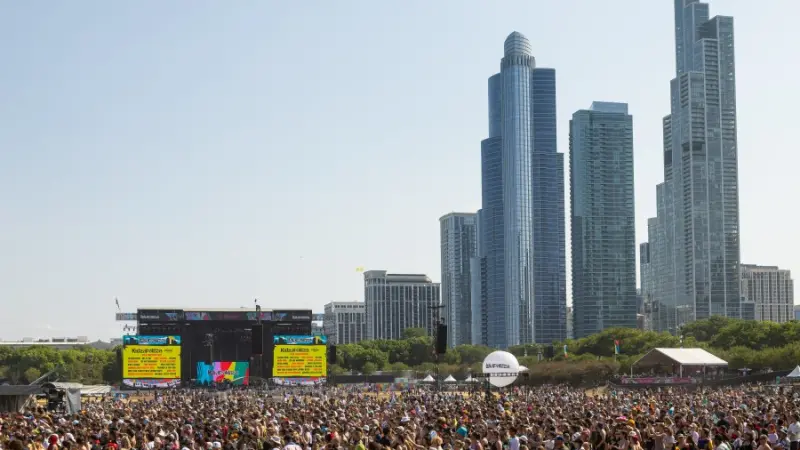
Every summer, the sprawling green expanse of Chicago’s Grant Park transforms into a pulsating sea of music lovers, art installations, and food vendors as Lollapalooza takes over the Windy City. But few festivalgoers realize that this beloved annual event—now synonymous with Chicago’s cultural calendar—had remarkably humble beginnings. It started not as a destination festival, but as a farewell tour for a single band, and nearly disappeared multiple times before finding its permanent home. Here’s the untold story of how Lollapalooza went from a risky goodbye to a multi-generational tradition.
The Origin Story: A Farewell Tour That Changed Everything
In 1991, Perry Farrell, the charismatic frontman of the alternative rock band Jane’s Addiction, faced a difficult reality: his band was dissolving. Rather than let them fade quietly, Farrell conceived a traveling festival as a grand send-off. He christened it “Lollapalooza,” a whimsical, archaic term meaning “extraordinarily impressive” that he reportedly discovered while watching a Three Stooges short film. The name proved prophetic.
The inaugural tour featured a lineup that reads like a who’s who of early ’90s alternative music: Nine Inch Nails, Ice-T, the Rollins Band, and Jane’s Addiction themselves. It hit 20 cities across the U.S. and Canada, capturing the raw, anti-establishment energy of the era. The tour was an instant commercial and critical success, prompting organizers to repeat the experiment in 1992 with a second stage and an even broader roster.
Rise and Fall: The Touring Era’s Rollercoaster
Through 1997, Lollapalooza crisscrossed North America, each year expanding its musical palette—grunge, hip-hop, punk, electronic, and world music all found a stage. It became a cultural bellwether, introducing mainstream audiences to acts like Pearl Jam, Soundgarden, and Rage Against the Machine. Yet success bred complacency. By 1998, ticket sales began to slump, costs soared, and the festival was abruptly canceled. The touring model, once revolutionary, now seemed exhausted.
Farrell attempted a revival in 2003, but the reunion tour struggled to recapture the magic. Mounting debts and shifting audience tastes forced another cancellation in 2004. At that point, many wrote off Lollapalooza as a relic of the ’90s. But Farrell had one more card to play: abandoning the nomadic touring structure entirely and rooting the festival in a single city.
A New Model: Destination Festival in Chicago
In 2005, Lollapalooza resurfaced as a two-day destination event in Chicago’s Grant Park. The move was a calculated gamble. Partnering with local promoters and the city, Farrell curbed logistical costs while offering fans a unique urban festival experience—easy access to public transit, hotels, and Chicago’s renowned food scene. The 2005 lineup featured headliners like Weezer, The Killers, and Widespread Panic, but the real star was the setting.
The response was overwhelming. Over 100,000 attendees flooded Grant Park, and the festival turned a profit for the first time in years. Organizers quickly added a third day in 2006, and by 2016, a fourth day was introduced. Lollapalooza had not only revived but thrived, cementing itself as an annual institution.
Why Lollapalooza Became a Chicago Tradition
The festival’s transformation into a Chicago staple was no accident. Key factors include:
- Location synergy: Grant Park provides a stunning backdrop with skyline views, ample space, and easy connectivity.
- Economic impact: Studies show Lollapalooza injects tens of millions of dollars into the local economy each year, benefiting hotels, restaurants, and transportation.
- Curatorial diversity: From EDM to indie rock to Latin pop, the lineup reflects Chicago’s multicultural audience.
- Community integration: Local art installations, food vendors, and charitable partnerships ground the festival in the city’s identity.
Perry Farrell himself has said that Chicago “embraced the festival like a lost child,” and the feeling is mutual. Unlike Coachella or Bonnaroo, which maintain an out-of-town, almost ethereal vibe, Lollapalooza feels organically woven into the city’s fabric.
Lollapalooza 2025 and Beyond
This year’s edition—Lollapalooza 2025—continues the tradition with a lineup that spans chart-topping pop stars, legacy acts, and emerging indie artists. Organizers have expanded kid-friendly zones and sustainability initiatives, reflecting the festival’s evolution from a rebellious tour to a family-friendly cultural event. Meanwhile, Perry Farrell remains active, both as a solo artist and through his new ventures, including the immersive festival project “Kind Heaven.”
Lollapalooza’s story is a masterclass in reinvention. It proved that a festival can fail, adapt, and ultimately thrive by listening to its audience and its host city. As other festivals struggle with oversaturation and rising costs, Lollapalooza’s Chicago model offers a blueprint for longevity. The festival that began as a goodbye kiss for a dying band now opens its arms each summer to a million new memories—and that’s extraordinarily impressive.
Disclaimer - All celebrity-related content, information, and images on this website are based on publicly available online sources and AI-generated insights/data. Information such as biography, age, career, personal details, and images may change without notice over time. While we strive for accuracy, we do not guarantee the accuracy, completeness, reliability, or timeliness of any information or imagery displayed on this website. This content is provided for general informational purposes only.
Top Trending News of Music Events
 👁️ 217 views
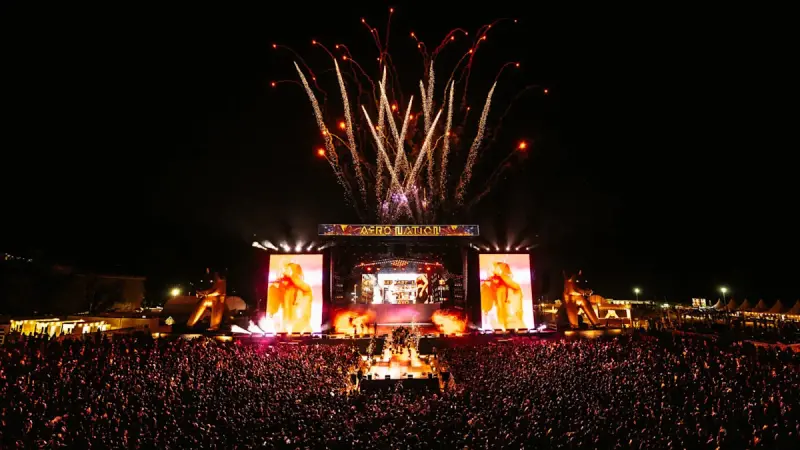
🔥 Afro Nation Portugal 2026: The Essential First-Timer’s Guide to the World’s Biggest Afrobeats Festival
Get the ultimate first-timer's guide to Afro Nation Portugal 2026 – the world's largest Afrobeats festival. Dates, tickets, travel tips, and what to expect in Portimão this July.
 👁️ 186 views
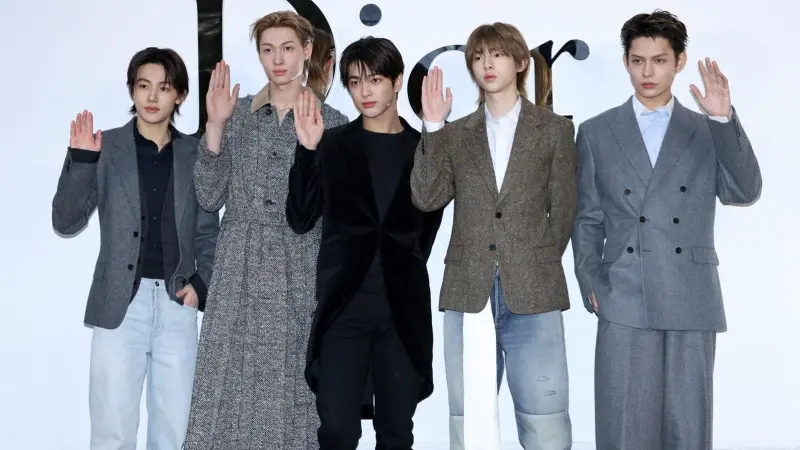
🔥 Golden Disc Awards 2026: Rookie Revolution as CORTIS, ALLDAY PROJECT, and Hearts2Hearts Redefine K-Pop's New Wave
Golden Disc Awards 2026 saw an unprecedented rookie sweep as CORTIS, ALLDAY PROJECT, Hearts2Hearts, izna, and KiiiKiii dominated major categories. Read our in-depth analysis of K-pop's new generation takeover and what it means for the industry.



Details
Send Us an Enquiry
We'll get back to you as soon as possible.
Thank You!
Your enquiry has been submitted. We'll be in touch shortly.