
Netflix Stumbles to Its Worst Streaming Week Ever as Rivals Tighten Grip and 2026 Slate Faces Scrutiny
 Previous


For the first time in the streaming wars, the undisputed king of the hill has slipped — and the fall was startlingly public. Netflix, the service that defined binge culture and set the bar for original programming, just endured its worst Nielsen week on record starting April 13, 2026, failing to land a single original title among the top ten most-streamed programs. This isn't merely a statistical blip; it's a flashing red signal that the platform's long-held dominance is fraying at the edges.
While the streaming giant has long relied on its massive library and brand recognition to outpace competitors, the latest data reveals a sobering truth: audiences are turning elsewhere for fresh, buzzworthy content. HBO Max's medical drama The Pitt surged in its finale, and Prime Video's The Boys — even in a divisive final season — continues to command viewer loyalty. Meanwhile, Netflix's own high-profile debut, the second season of anthology series Beef, failed to replicate the breakout success of its first season, despite an even more star-studded cast. The numbers don't lie: the era of automatic Netflix victory is over.
The Anatomy of a Streaming Slump
The only Netflix entry in the top ten that week was Grey's Anatomy — a licensed library show that is anything but exclusive. The long-running medical drama is available on Disney+ and Hulu as well, meaning subscribers have no reason to consider it a Netflix-exclusive draw. This overreliance on non-original, non-exclusive content has quietly become the platform's Achilles' heel. In the early days of streaming, the so-called "Netflix effect" could revive older shows — think Breaking Bad getting a second wind on the service — but that magic has worn off. When a library title like Grey's Anatomy is shared across multiple platforms, viewers have less incentive to stick with Netflix for their fix.
What's more, Netflix's strategy of licensing content from competitors' libraries (such as Paramount catalog titles) now feels like a double-edged sword. Why stay on Netflix when the same shows — and their franchises — are readily available on the originator's own streaming service, often with deeper catalogs of similar content? The platform has effectively trained its audience to view its library as a temporary convenience rather than a permanent draw.
Cancellations and a Missing Identity
At the heart of Netflix's current crisis is a decades-old problem that has only intensified: a lack of consistent, conversation-dominating original series. Unlike HBO Max's The Pitt — which aired 15 weekly episodes and built steady audience momentum — or Prime Video's The Boys, which has been an annual event for years, Netflix rarely allows shows the time and space to become cultural fixtures. Its ruthless cancellation policy has created an environment where even popular series feel disposable. Recent returning hits like The Night Agent and The Witcher saw significant viewership drops in their latest seasons, suggesting that audience loyalty is eroding.
There is no single culprit; rather, it's a cumulative effect of branding inconsistency. Netflix has become a content library rather than a destination for distinct, appointment-viewing experiences. The service is no longer synonymous with "the next big thing" — that mantle has been shared among several well-funded competitors who prioritize creator relationships and long-term storytelling.
Pressure Mounts on the 2026 Slate
Netflix's upcoming summer schedule is both a lifeline and a minefield. Returning series such as The Four Seasons, A Good Girl's Guide to Murder, Sweet Magnolias, and Avatar: The Last Airbender will serve as litmus tests for whether the platform can still command the kind of loyalty that drives repeat viewership. If these shows all underperform compared to their predecessors, Netflix will have to face an uncomfortable reality: audiences are no longer showing up out of habit.
Newer offerings like The Boroughs, The Hawk, and Little House on the Prairie carry their own risks. They won't be judged solely on debut numbers — some series, like the word-of-mouth hit Big Mistakes, have proven that slow burns can pay off. But that requires patience, a commodity Netflix hasn't historically shown. The service's data-driven model often punishes shows that don't immediately dominate, creating a self-fulfilling prophecy of underperformance.
On the brighter side, Netflix has shown some innovative thinking in early 2026. The renewal of Big Mistakes based on strong word-of-mouth suggests a willingness to look beyond first-week metrics. The success of His & Hers, an adaptation of a hit novel, hints at a renewed focus on pre-sold IP. And the company is giving select original films — including Narnia: The Magician's Nephew and The Adventures of Cliff Booth — full theatrical releases before they hit the service, a move that could drive cultural buzz.
The Road Ahead: Can Netflix Regain Its Crown?
The worst streaming week in Netflix's history is not an obituary — but it is a wake-up call. The platform's massive subscriber base and deep pockets give it room to pivot. Yet the underlying issues — a lack of exclusive originals that feel like events, a cancellations culture that breeds audience mistrust, and an overreliance on non-exclusive library content — won't be solved overnight. Netflix's famously forward-looking release slate means that any strategic corrections may take a year or more to take effect.
For now, the streaming wars have entered a new phase where no single service is guaranteed the top spot. Competitors have learned from Netflix's playbook, and they are executing it with more discipline. The question isn't whether Netflix will bounce back — it's whether the company can evolve beyond the volume-over-value mentality that brought it here. As audiences become more selective and rivals more sophisticated, Netflix must rediscover what made it a cultural force in the first place: a commitment to stories that viewers simply cannot find anywhere else.
Disclaimer - All celebrity-related content, information, and images on this website are based on publicly available online sources and AI-generated insights/data. Information such as biography, age, career, personal details, and images may change without notice over time. While we strive for accuracy, we do not guarantee the accuracy, completeness, reliability, or timeliness of any information or imagery displayed on this website. This content is provided for general informational purposes only.
Top Trending News of Netflix
 👁️ 585 views
🔥 ‘Main Vaapas Aaunga’ OTT Home Revealed: Diljit Dosanjh, Vedang Raina & Sharvari’s Partition Love Story Heads to Netflix After Theatrical Run
Imtiaz Ali's Main Vaapas Aaunga starring Diljit Dosanjh, Vedang Raina, and Sharvari heads to Netflix after June 12 theatrical release. Get OTT details, Ektaa Kapoor's review, and why this Partition love story is Bollywood's most anticipated film of 2026.
 👁️ 490 views
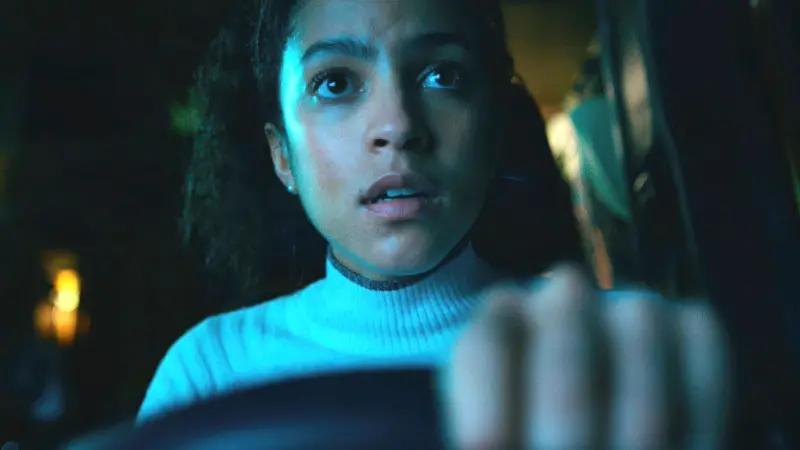
🔥 ‘Passenger’ (2026) Horror Movie: Streaming Release Date, Theatrical Run, and Where to Watch the Supernatural Thriller
Is the 2026 horror movie 'Passenger' streaming on Netflix or Amazon Prime? Directed by André Øvredal, this supernatural thriller stars Jacob Scipio and Lou Llobell. Find out where to watch, digital release date, and Paramount+ streaming plans.








Details
Send Us an Enquiry
We'll get back to you as soon as possible.
Thank You!
Your enquiry has been submitted. We'll be in touch shortly.