
The Brilliant 1980s Eccentric Family Drama ‘Housekeeping’ That Moviegoers Completely Ignored
 Previous

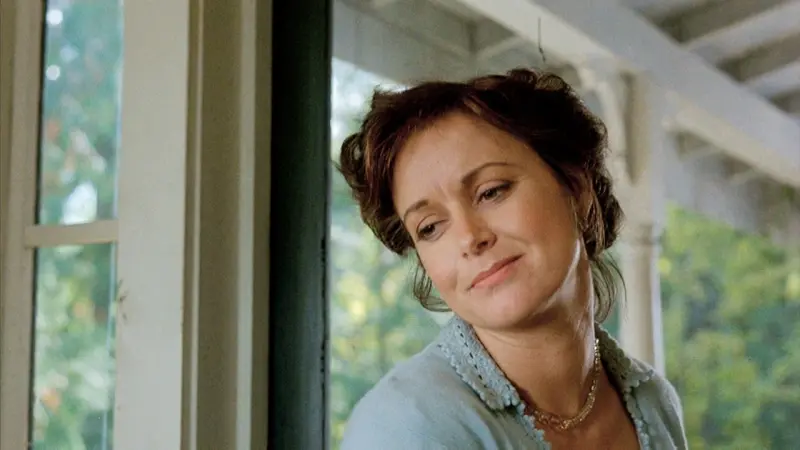

In the late 1980s, amid a cinematic landscape cluttered with bombastic blockbusters and formulaic comedies, one quiet masterpiece slipped through the cracks. Critics swooned, audiences yawned, and the box office yawned back. That film is Housekeeping—a delicate, eccentric family drama that dared to slow down and listen to the whispers of grief and identity. Three decades later, it has quietly become a cult treasure, beloved by those who finally discovered its haunting grace.
A Quiet Gem Lost in a Loud Decade
Released in 1987, Housekeeping arrived during an era defined by excess—shoulder pads, synthesizers, and high-concept spectacles like Fatal Attraction and Beverly Hills Cop II. Moviegoers craved adrenaline, not introspection. Director Bill Forsyth, known for the whimsical Local Hero, offered something far more subdued: a slow-burn meditation on family, memory, and nonconformity.
The film’s commercial failure was dramatic. Produced on a reported $5 million budget, it earned a paltry $1.08 million domestically. Studio marketing was virtually nonexistent, and the film’s contemplative rhythm baffled audiences expecting conventional drama. As one critic later noted, it was “a poem in a world screaming for headlines.” Yet critics praised its delicate artistry, and over time, that praise became a quiet gospel.
From Novel to Screen: Marilynne Robinson’s Vision
Housekeeping is adapted from Marilynne Robinson’s debut novel of the same name, published in 1980. Robinson, who would later win the Pulitzer for Gilead, crafted a lyrical story of two orphaned sisters in the fictional town of Fingerbone, Idaho. The novel explores the pull between stability and freedom, represented by the sisters’ opposing impulses. Forsyth, a Scottish director with a gift for understated humanism, saw the cinematic potential in Robinson’s prose.
Robinson’s novel was itself a critical darling, earning a PEN/Hemingway Award and a nomination for the Pulitzer. Yet it was considered “unfilmable” by many in Hollywood. Forsyth proved them wrong, translating the book’s interiority into images without losing its philosophical weight. The result is a film that feels like a dream—quiet, luminous, and achingly real.
The Story of Ruth, Lucille, and Aunt Sylvie
At its heart, Housekeeping follows sisters Ruth (Sara Walker) and Lucille (Andrea Burchill), who are placed in the care of their eccentric Aunt Sylvie (Christine Lahti) after their mother’s suicide. Sylvie is a drifter at heart—she hoards newspapers, forgets to cook, and once let the house flood because she found it “calm.” She is a woman who lives by her own strange rules, and her presence forces the sisters to confront what home truly means.
The film resists easy plot points. There is no villain, no climax in the traditional sense. Instead, it builds through small moments: a train ride in the rain, a flooded kitchen, a silent dance by the lake. The emotional punch comes from the quiet erosion of normalcy. Lucille eventually chooses convention, while Ruth is drawn to Sylvie’s wild freedom. That choice—between belonging and being true to oneself—is the film’s enduring question.
Christine Lahti’s Masterful, Understated Performance
Christine Lahti, fresh off an Oscar nomination for Swing Shift, delivers a career-best performance as Sylvie. She embodies the character’s otherworldliness with a mix of warmth and distance, never letting Sylvie become a caricature. Lahti won the New York Film Critics Circle Award for Best Actress for her work, yet the film itself sank without a trace. Her portrayal remains a masterclass in stillness—Sylvie’s eyes tell more than any monologue ever could.
The young actresses, Walker and Burchill, hold their own with haunting authenticity. Their sisterly bond feels organic, their confusion and loyalty palpable. The casting was a quiet triumph, one that industry insiders still cite as evidence of Forsyth’s unique touch with actors.
Why Housekeeping Resonates More Now Than in 1987
In an age of Marvel multiverses and streaming content overload, Housekeeping offers a radical alternative: patience. It trusts its audience to sit with ambiguity, to find meaning in moss-covered lawns and conversations that trail off into silence. This is exactly the kind of film that online cinephile communities and boutique Blu-ray labels champion. The film has been re-released in restored versions, and its reputation has grown steadily through word of mouth and academic reappraisal.
Moreover, themes of maternal absence, mental health, and the tension between fitting in and freethinking feel especially relevant in today’s cultural conversations. Housekeeping doesn’t offer tidy answers—it simply asks viewers to listen. And many now are ready to do just that.
Bill Forsyth’s Dreamlike Direction
Bill Forsyth, who had charmed audiences with Gregory’s Girl and Local Hero, brought his signature blend of bittersweet humor and visual poetry to Housekeeping. The film is shot with a sense of permanent melancholy—gray skies, still lakes, empty train tracks. Cinematographer Michael Coulter captures the Pacific Northwest as a character itself, all damp earth and drifting fog. Forsyth later admitted the film was a passion project, one he fought to make without studio interference. That independence came at a cost—no big marketing push—but it preserved the film’s soul.
Interestingly, Housekeeping was Forsyth’s last truly personal film. He went on to direct the star-studded Being Human (1994) but never replicated the quiet magic of this adaptation. In interviews, he has said the film’s failure at the box office hurt his career momentum, yet he remains proud of what he accomplished. That pride is now shared by a growing legion of fans.
Comparing Housekeeping to Other Overlooked 1980s Classics
The 1980s were littered with unfairly ignored films—The Thin Blue Line, Choose Me, My Dinner with Andre, The King of Comedy. Housekeeping sits comfortably among them. But where those films often thrived on audacity or intellectual sparring, Housekeeping relies on emotional interiority. It is a film less about events than about the space between events.
- Common threads among overlooked gems: unconventional narratives, lack of star power, minimal marketing.
- Similar modern cousins: Lady Bird, The Florida Project, Past Lives—all slow, humanistic studies of growing up and letting go.
- Why fans of those films should watch Housekeeping: It is a foundational text in the “quiet coming-of-age” subgenre, decades ahead of its time.
The Legacy of an Unjustly Forgotten Classic
Today, Housekeeping is available for streaming and on DVD/Blu-ray through the Criterion Collection and other boutique labels. It has been taught in film schools and studied in feminist and literary circles. The novel itself remains a staple of contemporary American literature, with Housekeeping often cited as one of the best debut novels of the 20th century. Yet the film still hasn’t received the mainstream recognition it deserves. That may be changing, slowly, as younger audiences discover its meditative power.
In a world that increasingly values speed, Housekeeping reminds us of the beauty of stillness. It is a film that doesn’t demand attention but rewards it richly. For those who take the time, it offers an unforgettable portrait of love, loss, and the courage to live differently.
As streaming algorithms churn and new releases flood platforms every week, films like Housekeeping stand as a quiet rebellion—an invitation to slow down and feel. Perhaps that is why its audience, though small, is so fiercely devoted. They don’t just watch it. They keep house with it.
Disclaimer - All celebrity-related content, information, and images on this website are based on publicly available online sources and AI-generated insights/data. Information such as biography, age, career, personal details, and images may change without notice over time. While we strive for accuracy, we do not guarantee the accuracy, completeness, reliability, or timeliness of any information or imagery displayed on this website. This content is provided for general informational purposes only.

Top Trending News of Netflix
 👁️ 525 views
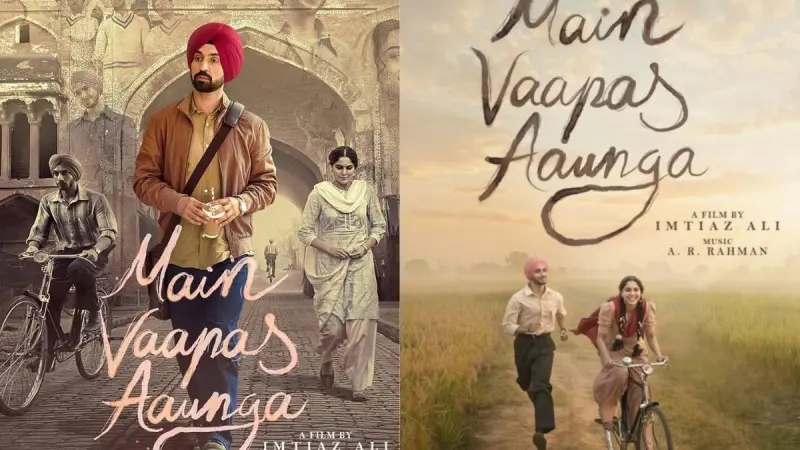
🔥 ‘Main Vaapas Aaunga’ OTT Home Revealed: Diljit Dosanjh, Vedang Raina & Sharvari’s Partition Love Story Heads to Netflix After Theatrical Run
Imtiaz Ali's Main Vaapas Aaunga starring Diljit Dosanjh, Vedang Raina, and Sharvari heads to Netflix after June 12 theatrical release. Get OTT details, Ektaa Kapoor's review, and why this Partition love story is Bollywood's most anticipated film of 2026.
 👁️ 291 views
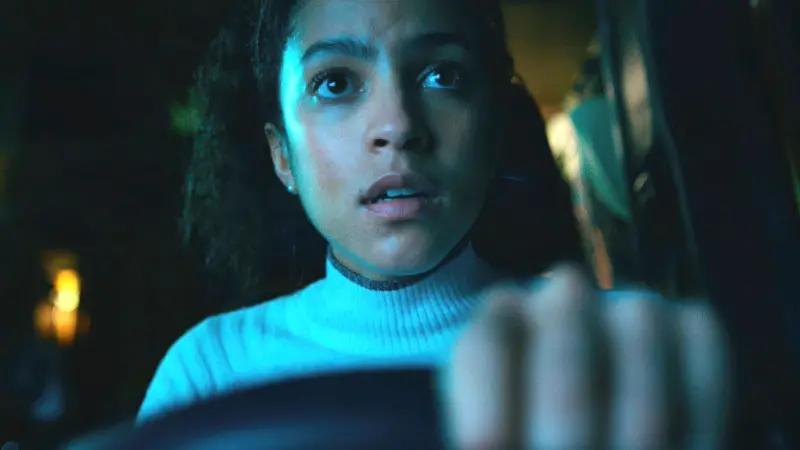
🔥 ‘Passenger’ (2026) Horror Movie: Streaming Release Date, Theatrical Run, and Where to Watch the Supernatural Thriller
Is the 2026 horror movie 'Passenger' streaming on Netflix or Amazon Prime? Directed by André Øvredal, this supernatural thriller stars Jacob Scipio and Lou Llobell. Find out where to watch, digital release date, and Paramount+ streaming plans.










Details
Send Us an Enquiry
We'll get back to you as soon as possible.
Thank You!
Your enquiry has been submitted. We'll be in touch shortly.