
Mark Rylance Bids Farewell to Thomas Cromwell: Inside the Final Season of 'Wolf Hall: The Mirror and the Light'
 Previous

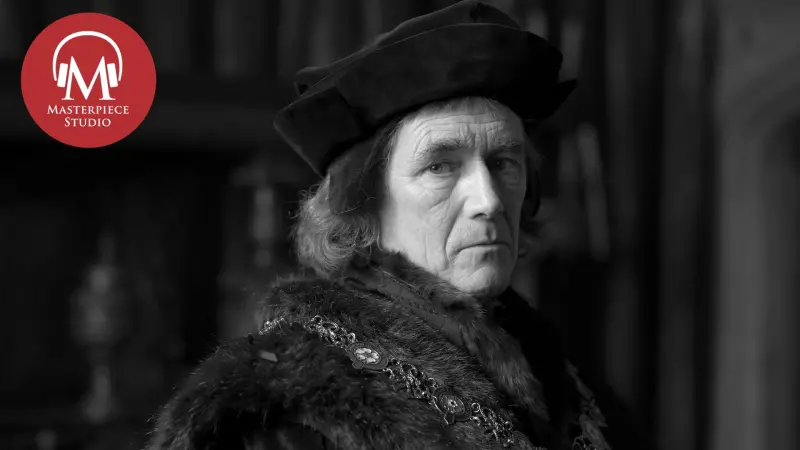
The Final Bow: Mark Rylance Reflects on Cromwell’s End
After 12 hours of screen time over two seasons, Mark Rylance has finally laid Thomas Cromwell to rest. The actor, who earned multiple awards for his nuanced portrayal, returned for the sequel Wolf Hall: The Mirror and the Light, exploring a more vulnerable side to Henry VIII’s infamous fixer. In an intimate conversation, Rylance shared what it was like to walk away from a character he lived with for nearly a decade.
“He’s a character I’ll miss,” Rylance admitted. “It was the longest piece of work I’ve ever done on film. Living with him that long—and growing older with him—was a very lucky, special experience.”
More Than a Role: The Spiritual Presence of Hilary Mantel
The series serves as a love letter to the late Hilary Mantel, whose novels gave life to this intricate world. Rylance noted that director Peter Kosminsky felt her spirit strongly during filming. Every morning, they compared the screenplay to Mantel’s book, restoring details that had been cut—almost as if she were guiding them.
“We wanted to have a last gaze at what she had written before we manifested it,” Rylance said. “Our thoughts about Hilary were pleasant and happy.”
A Creator’s Blessing
Mantel herself visited the set only once, famously telling Rylance, “If you want to know anything about Thomas Cromwell, ask Ben Miles. He knows everything there is to know.” Rylance took it in stride, amused and touched by her mischievousness.
What Made Cromwell So Human?
Rylance zeroed in on Cromwell’s deep care for his wards and his “roaring boys.” The character took in hundreds of young men, a detail Mantel emphasized. For Rylance, the loyalty—especially the painful, selfless act of pushing them away to protect them—gave the performance its emotional core.
“The deep love between stepchildren, wards, adopted children—in my experience it’s undeniable,” he said. “That scene with Thomas (Brodie-Sangster) was like saying goodbye to my own beloved daughter.”
The Heart of the Sixth Episode
Perhaps the most devastating scene is Cromwell’s final encounter with Rafe Sadler. Rylance described the shoot as “incredibly moving.” The character’s protective instinct overrode his own need for comfort, and that sacrifice resonated deeply.
Power, Trust, and the Temptation to Keep Secrets
Cromwell’s power was reflected from Henry, and Rylance drew on his own experiences working under boards and CEOs. “When you feel trusted, you think, ‘Do I need to copy them on this email?’” he explained. “You get more done if you don’t share every detail. That’s a big temptation—and Cromwell fell for it.”
His failure to communicate about Princess Mary allowed enemies like Stephen Gardiner to misrepresent his intentions. Rylance’s takeaway: “If I were ever in that position, I would take much more care to communicate clearly.”
The Director Who Knew Every Name
Rylance praised Peter Kosminsky as the only director who shows up in the makeup van every morning and knows everyone’s name—from day players to the lead. “He knows where you peak in your takes. He gives brilliant notes and leads a quiet set. I trust him absolutely.”
A Rare Alchemy
The pair’s collaboration spanned four projects, and Rylance called Kosminsky “one of the great artists I’ve been lucky to work with.” The director’s ability to improvise on the day while keeping a photographic memory of Mantel’s text created a fluid, organic process.
Mystery as the Ultimate Beauty
Rylance offered a philosophical take on the title The Mirror and the Light. “Our culture is terrified of anything mysterious,” he said. “Einstein said the most beautiful thing we can perceive is mystery. The greatest artists have the ability to sit in chaos.”
He elaborated: “The mirror is the earth, the material world through which we see the light. Both are within us. The title is a marriage of sun and earth, speed and density, and that’s beautiful.”
The Scene That Stole the Show
One of the season’s most talked-about moments is the bedchamber scene between Cromwell and Princess Mary. Rylance described it as “steamy and hot. What the hell is she up to?” He praised actress Lilit Lesser for capturing the magnetic enigma of royalty.
“It’s like meeting Bob Dylan—you don’t notice anything else,” he said. “Lilit played it completely true to that kind of mysterious pull.”
What History Says: The Researcher Weighs In
Production researcher Kirsten Claiden-Yardley confirmed a chilling fact: Cromwell was executed on July 28, 1540, the same day Henry VIII married Catherine Howard. “Henry VIII is not a terribly pleasant person,” she noted. “To execute a dedicated servant on your wedding day speaks volumes.”
She added that Rafe Sadler survived the Tudor chaos, becoming one of the richest men in England under Elizabeth I—though his career was briefly derailed by a bigamy scandal.
Did Henry Regret It?
Claiden-Yardley pointed to a reported comment months later: Henry said he wished he hadn’t executed Cromwell. But historians debate its sincerity. “It’s the type of thing you say in an argument with current advisors,” she said. “It doesn’t mean he could undo it.”
The Weight of the Ax
Rylance recalled spending “ten days or so” on the tower set, imagining the fates that awaited Cromwell. “The relief that I was going to be executed was enormous,” he laughed. “But saying goodbye to people you love—that was powerful stuff.”
He even asked Kosminsky if he was crying too much. The director’s answer: “Don’t worry, I’ll edit it if it’s not.” He didn’t.
‘I Couldn’t Do It Again’
In one of the final scenes, Cromwell tells Rafe, “I couldn’t do it again, you know, Rafe. The sleepless toil. The ax work.” Rylance believes that killing Anne Boleyn—and the revenge for Wolsey—brutalized Cromwell. “You don’t do that kind of thing without it killing a part of you.”
Looking Back, Not Forward
The show’s final image is of Cromwell looking back over his life, not toward the blade. Rylance credits Kosminsky and Straughan for that choice, and encourages viewers to read Mantel’s last chapter. “She gives him consciousness after the beheading. The last thing is him moving along a wall, searching for light. It’s remarkable.”
For Rylance, the gift of playing Cromwell was immense. “Will I ever play a character so rounded again? A thousand pages of notes to delve into? I can open those books anywhere and find something precious.”
Disclaimer - All celebrity-related content, information, and images on this website are based on publicly available online sources and AI-generated insights/data. Information such as biography, age, career, personal details, and images may change without notice over time. While we strive for accuracy, we do not guarantee the accuracy, completeness, reliability, or timeliness of any information or imagery displayed on this website. This content is provided for general informational purposes only.
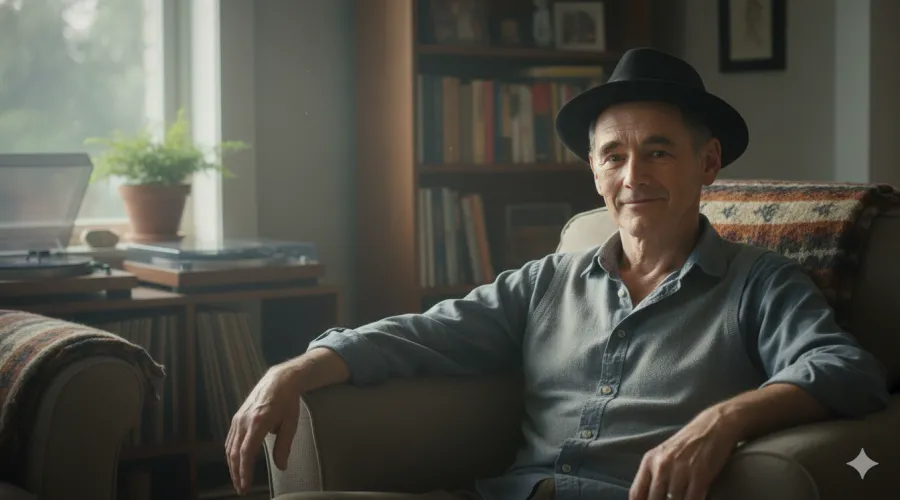
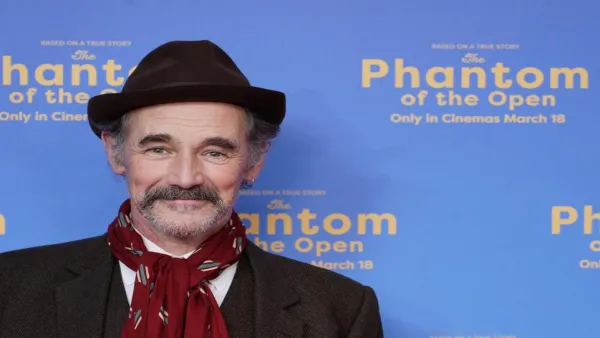
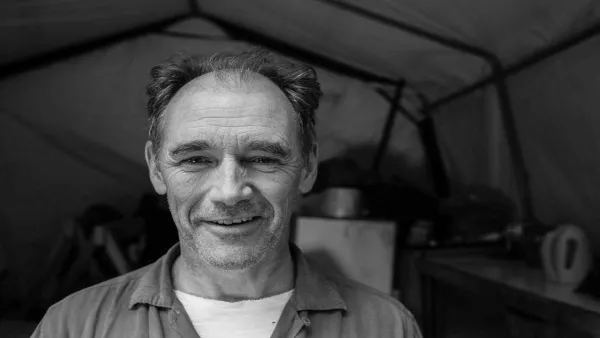
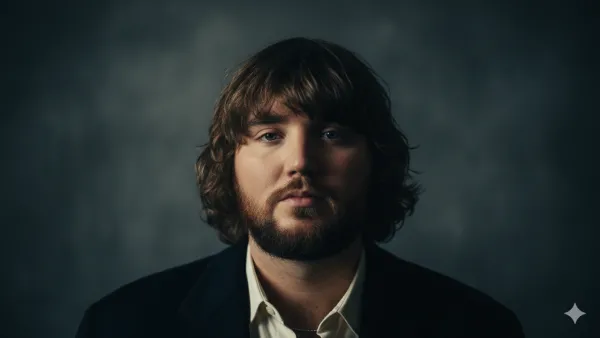
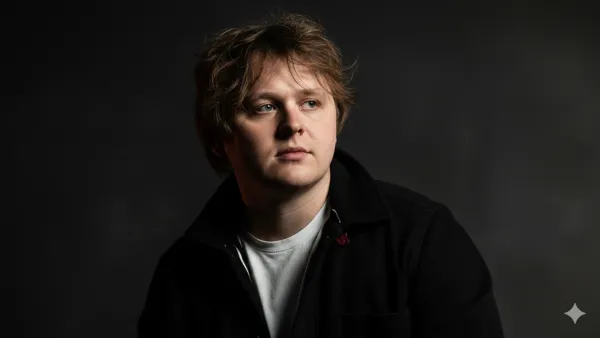
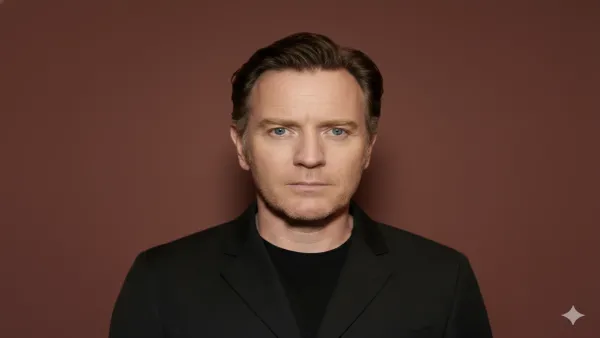
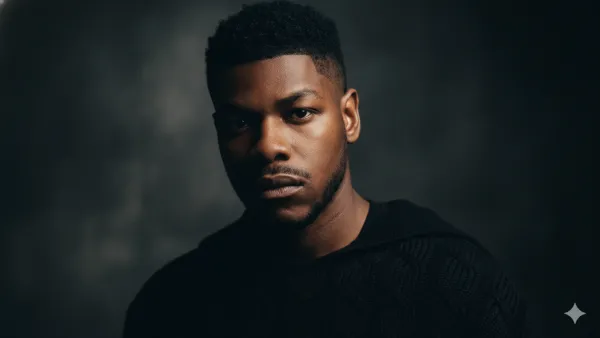
Iconic Photos of Mark Rylance

Top Trending News of Mark Rylance
 👁️ 206 views
🔥 Sir Mark Rylance Kicks Off 30th Purbeck Film Festival
Oscar-winner Sir Mark Rylance celebrates the 30th anniversary of Dorset's Purbeck Film Festival, calling it a "godsend" and warning against the rise of AI.
 👁️ 137 views
🔥 Sir Mark Rylance Applauds Purbeck Film Festival's 30th Year
Sir Mark Rylance celebrates the 30th anniversary of the Purbeck Film Festival in January 2026, calling the rural Dorset event a "godsend" for filmmakers.




Details
Send Us an Enquiry
We'll get back to you as soon as possible.
Thank You!
Your enquiry has been submitted. We'll be in touch shortly.