
Mark Rylance Dominates Broadway: A Shakespearean Genius or Over-the-Top Showman?
 Previous

The Return of a Theatrical Powerhouse
Every few years, Broadway witnesses the coronation of a new British acting royalty. Ian McKellen, Michael Gambon, Simon Russell Beale—each has had their moment. Now, the mantle has passed to Mark Rylance, the former artistic director of Shakespeare's Globe Theatre, who is currently electrifying (and dividing) audiences with two landmark productions: Richard III and Twelfth Night. This isn't just a Broadway engagement; it's a theatrical event that has critics and fans alike buzzing with excitement and controversy.
The Unconventional Star
Rylance is no ordinary Shakespearean. His voice lacks the resonant, mellifluous tones of traditional British thespians. Instead, it's raspy, hesitant, conversational. His quizzical eyes and fretful manner seem more at home in comedy than tragedy. Yet he has amassed two Tony Awards and a reputation as one of the most daring actors of his generation. American audiences first met him in the 2008 Broadway revival of the sex farce Boeing Boeing, where he played the best friend of a swinging bachelor—a performance so broad it won him a Tony. Then came La Bete and the explosive Jerusalem, both of which earned critical raves and another Tony. But for many, the real test was always Shakespeare.
Authenticity vs. Interpretation
These two productions, imported from Shakespeare's Globe in London, promise to transport audiences back to the Bard's own day. The set replicates the original Globe theatre, with gallery seats onstage. Actors wear period costumes, music is played on period instruments, and—in an Elizabethan tradition—all female roles are played by men. It's a purist's dream. But then there's Rylance, who seems determined to play by his own rules.
Richard III: A Clown in a King's Body
In Richard III, one of Shakespeare's greatest villains, Rylance chooses comedy. He turns the physically deformed schemer into a simpering clown, stuttering and stumbling through the famous opening monologue—“Now is the winter of our discontent”—as if trudging through a swamp. The performance gets laughs, but it strips Richard of his perverse charisma, the very quality that allows him to gull, murder, and woo his way to power. Critics have been divided: some call it genius, others a frustrating gimmick.
Twelfth Night: The Cross-Dressed Countess
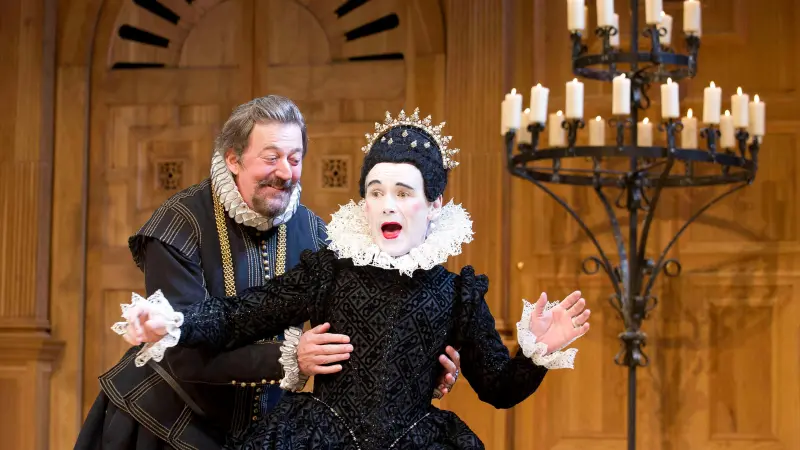
In Twelfth Night, Rylance plays Olivia, the grieving countess. Here, he is more restrained, despite the white makeup, wig, and Elizabethan ruff. He doesn't camp up the role with a falsetto or drag affectations; instead, he charts Olivia's gender-confused passion with surprising sensitivity. Yet even here, the gimmicks creep in. He scurries onstage with tiny, rapid steps, as if on wheelies. He stutters, pauses for sarcastic effect, even does a Jack Benny double-take. When Olivia exclaims, “Malvoli, oh!” at Malvolio's garish yellow stockings, it's funny—but it's also a stunt.
The Contradiction at the Heart of the Productions
What makes these performances so talked-about is the tension between the production's painstaking authenticity and Rylance's modern, almost vaudevillian interpretation. The Globe productions boast period accuracy in costumes, sets, music, and casting—but then the lead actor breaks the iambic pentameter with an um…um… for a cheap laugh. Near the end of Twelfth Night, Olivia stops to contemplate “these … um…um… things,” getting a big laugh at “things.” Would Shakespeare approve? Doubtful.
A Career of Bold Choices
Rylance's willingness to take risks is what has made him a star. His Broadway journey is a masterclass in defying expectations. Consider the highlights:
- Boeing Boeing (2008): A Tony-winning performance as the best friend in a silly sex farce—hardly the path to Shakespearean glory.
- La Bete (2010): A verse play about a boorish playwright, earning critical raves.
- Jerusalem (2011): As the Dionysian leader of a band of hippie-like renegades, he won a second Tony and cemented his status as a theatrical force.
Each role has been bigger, bolder, and more controversial than the last. And now, with these two Shakespearean productions, he is forcing audiences to reconsider what Shakespeare can be.
The Buzz on Broadway
Word of mouth is electric. Theatergoers are flooding social media with reactions, ranging from ecstatic to bewildered. Some hail Rylance as a genius who breathes new life into old texts; others argue that his antics undermine the very tradition he is meant to uphold. One thing is certain: no one leaves the Belasco Theatre indifferent. The shows are selling out, and the conversation is only growing louder.
As the run continues, Rylance’s legacy is being written in real time. Whether you love him or hate him, his impact on Broadway is undeniable. He is the man of the hour, the actor who makes you question everything you thought you knew about Shakespeare. And that, perhaps, is the most exciting thing of all.
Disclaimer - All celebrity-related content, information, and images on this website are based on publicly available online sources and AI-generated insights/data. Information such as biography, age, career, personal details, and images may change without notice over time. While we strive for accuracy, we do not guarantee the accuracy, completeness, reliability, or timeliness of any information or imagery displayed on this website. This content is provided for general informational purposes only.
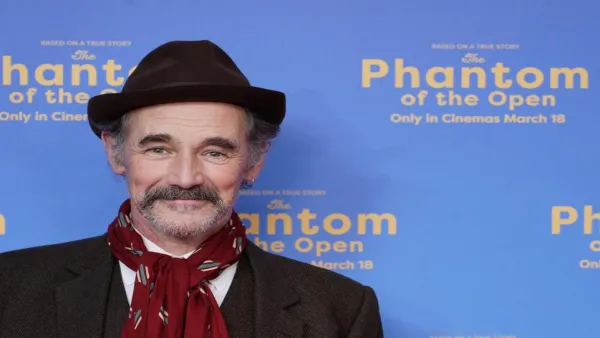
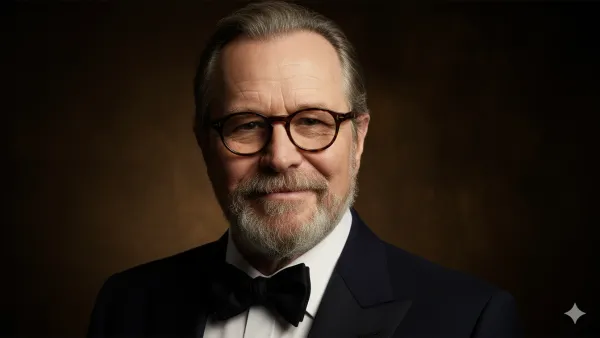
Iconic Photos of Mark Rylance


Top Trending News of Mark Rylance
 👁️ 208 views
🔥 Sir Mark Rylance Kicks Off 30th Purbeck Film Festival
Oscar-winner Sir Mark Rylance celebrates the 30th anniversary of Dorset's Purbeck Film Festival, calling it a "godsend" and warning against the rise of AI.
 👁️ 140 views
🔥 Sir Mark Rylance Applauds Purbeck Film Festival's 30th Year
Sir Mark Rylance celebrates the 30th anniversary of the Purbeck Film Festival in January 2026, calling the rural Dorset event a "godsend" for filmmakers.


Details
Send Us an Enquiry
We'll get back to you as soon as possible.
Thank You!
Your enquiry has been submitted. We'll be in touch shortly.