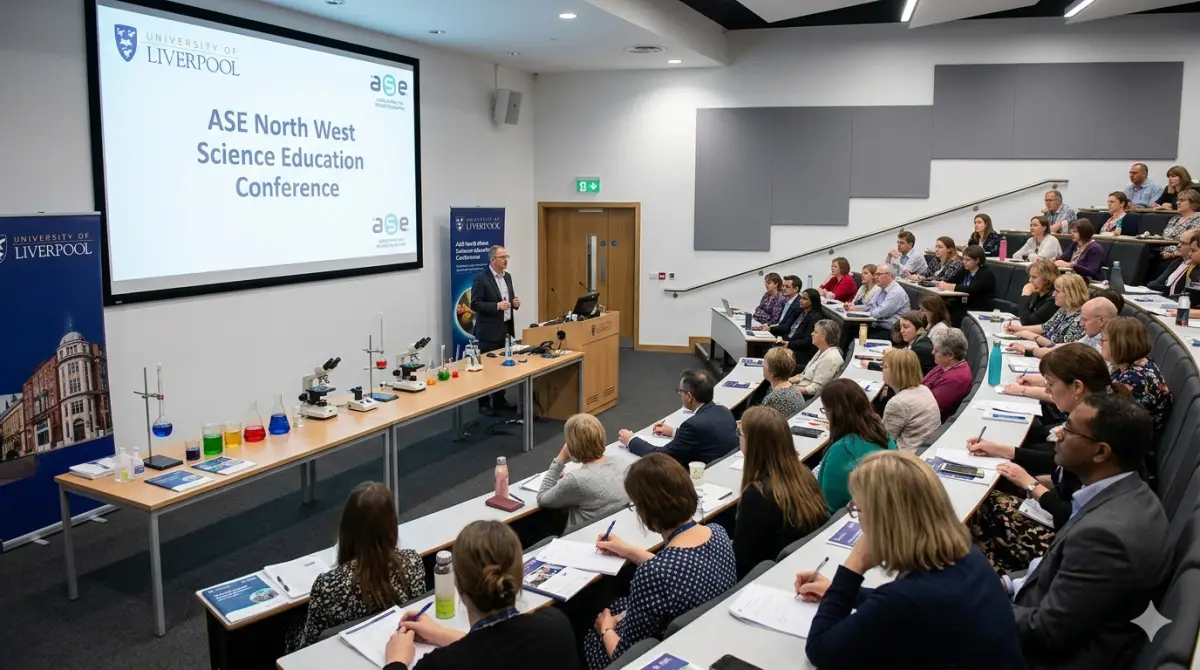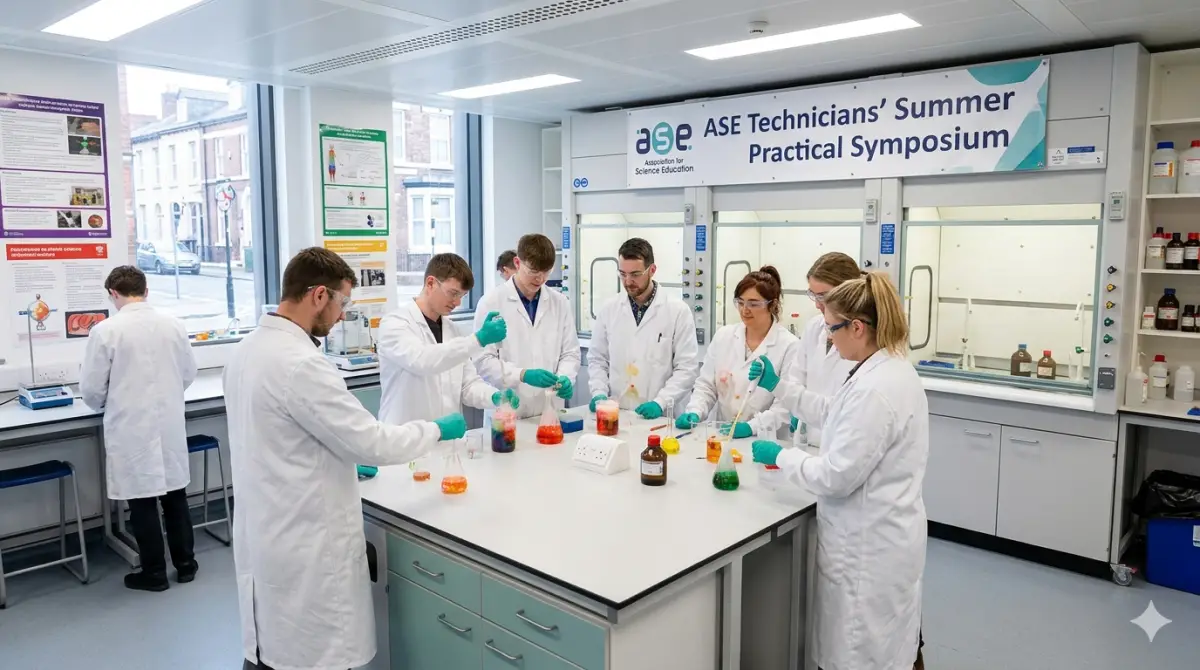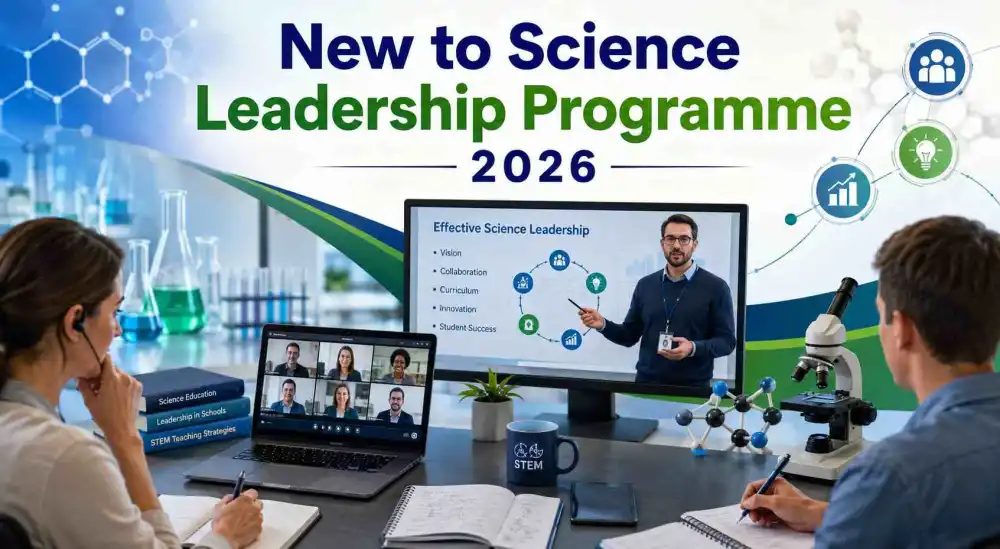
The New to Science Leadership Programme 2026 organised by The Association for Science Education (ASE) is a comprehensive professional development programme designed specifically for teachers who are beginning their journey into science leadership roles. Running from 23 September to 9 December 2026, this interactive online programme provides participants with practical leadership skills, curriculum planning expertise, staff development strategies, and evidence-based approaches to improving science education across schools.
Science education continues to evolve rapidly with changing curriculum requirements, technological innovations, sustainability initiatives, and increasing expectations around practical learning. Effective science leadership has therefore become essential in ensuring students receive engaging, high-quality science education that prepares them for future careers in STEM.
This leadership programme offers an excellent opportunity for aspiring science leaders to develop confidence while learning directly from experienced educators and leadership specialists.
Why Attend?
Transitioning from classroom teaching into science leadership can be both exciting and challenging. Many teachers suddenly find themselves responsible for curriculum development, mentoring colleagues, managing resources, improving student outcomes, and implementing new educational initiatives.
This programme has been carefully developed to support educators through that transition by providing practical guidance that can be immediately applied within schools.
Participants will gain valuable knowledge about:
- Leading successful science departments
- Building effective teaching teams
- Curriculum planning and progression
- Assessment strategies
- Staff coaching and mentoring
Every session combines research-informed practice with practical examples that participants can adapt to their own educational settings.
Comprehensive Leadership Development
Throughout the programme, delegates will participate in interactive workshops covering multiple aspects of science leadership.
Topics include:
Curriculum design and implementation
Developing effective practical science
Leading departmental improvement
Supporting teacher development
Managing science resources
Assessment and progression
Inclusive science education
Professional collaboration
Participants will also examine current developments in STEM education while exploring innovative classroom practices.
Interactive Online Learning
Unlike traditional one-day seminars, this extended programme allows participants to gradually build their leadership skills over several months.
Each session includes:
Live expert presentations
Interactive discussions
Collaborative activities
Leadership case studies
School improvement planning
Practical action tasks
Reflection opportunities
Question-and-answer sessions
The online format enables educators from across the United Kingdom to participate without travelling, making professional development more accessible.
Learn from Experienced Experts
ASE has long been recognised as one of the UK's leading organisations supporting science educators. The programme is delivered by experienced professionals who understand both classroom teaching and educational leadership.
Speakers share real examples from schools, providing practical solutions to common leadership challenges rather than purely theoretical concepts.
Participants benefit from evidence-based approaches that have already demonstrated success in improving science teaching and learning.
Curriculum Innovation
One major focus of the programme is helping science leaders create engaging, modern curricula.
Sessions explore:
Curriculum sequencing
Knowledge progression
Practical investigations
Scientific enquiry
Cross-curricular opportunities
STEM enrichment
Climate education
Inclusive learning approaches
Leaders will discover methods for making science more relevant and engaging for learners of all abilities.
Supporting Teaching Teams
Strong science departments rely upon effective collaboration.
The programme explores how leaders can:
Support new teachers
Coach experienced colleagues
Share best practice
Develop departmental vision
Encourage innovation
Improve communication
Lead change effectively
Build positive working cultures
These leadership strategies contribute to improved staff confidence and student achievement.
Practical Science Excellence
Hands-on science remains central to effective learning.
Participants explore ways to improve practical teaching by considering:
Laboratory safety
Resource management
Equipment planning
Risk assessment
Practical investigations
Student engagement
Assessment of practical skills
Efficient preparation
Effective science leaders ensure practical learning remains exciting while maintaining high safety standards.
Professional Networking
An important benefit of the programme is the opportunity to connect with fellow science educators across the UK.
Networking sessions encourage delegates to:
Share experiences
Exchange teaching ideas
Discuss leadership challenges
Build professional partnerships
Discover innovative classroom resources
Collaborate on improvement initiatives
Many participants continue these professional relationships long after the programme concludes.
Improving Student Outcomes
Ultimately, strong science leadership improves learning for students.
The programme helps leaders develop strategies that contribute to:
Higher achievement
Greater student engagement
Improved practical skills
Better curriculum continuity
Enhanced teacher confidence
More effective assessment
Stronger STEM pathways
Inclusive classroom environments
These improvements help prepare young people for further education and future careers in science and technology.
Career Progression
Completing the programme demonstrates a commitment to professional development and educational leadership.
Participants strengthen their skills in:
Strategic planning
Project management
Educational leadership
Communication
Staff development
Curriculum management
Evidence-informed practice
School improvement
These competencies are highly valued by schools seeking effective science leaders.
Flexible Professional Development
Because sessions are delivered online over several months, educators can balance professional learning alongside teaching commitments.
Participants have opportunities to reflect between sessions, implement ideas within their own schools, and discuss outcomes during subsequent workshops.
This sustained learning approach often produces greater long-term impact than single-day training events.
Why Choose This Programme?
The ASE New to Science Leadership Programme stands out because it combines practical leadership training with specialist science education expertise.
Delegates benefit from:
Experienced facilitators
Interactive learning
Flexible online delivery
Evidence-based practice
National professional network
Practical school-focused activities
Long-term leadership development
Recognised professional organisation
Whether you are leading a science department for the first time or preparing for future leadership responsibilities, this programme offers valuable skills that can positively influence both teaching practice and student achievement.
The Association for Science Education continues to support educators through high-quality professional development that strengthens science education across the United Kingdom. This programme represents an outstanding investment in both personal career progression and the future success of science departments nationwide.
Key Event Highlights
- Interactive leadership development programme
- Practical science leadership strategies
- Curriculum planning and improvement
- Networking with science education professionals
- Expert-led professional development sessions
Venue & Location Info
Timings
Entry Fees
Event Type
Estimated Turnout & Audience
Community Reviews
How was your experience?
Share your thoughts with the community. Your reviews help others discover the best local events.