
Discover All Events
Explore 1408 premium experiences in all locations
Promoted
List Your Next Big Event
Reach millions of attendees by showcasing your conferences, workshops, or exhibitions on the world's most trusted event platform.
Create Your Event Now
FEATURED
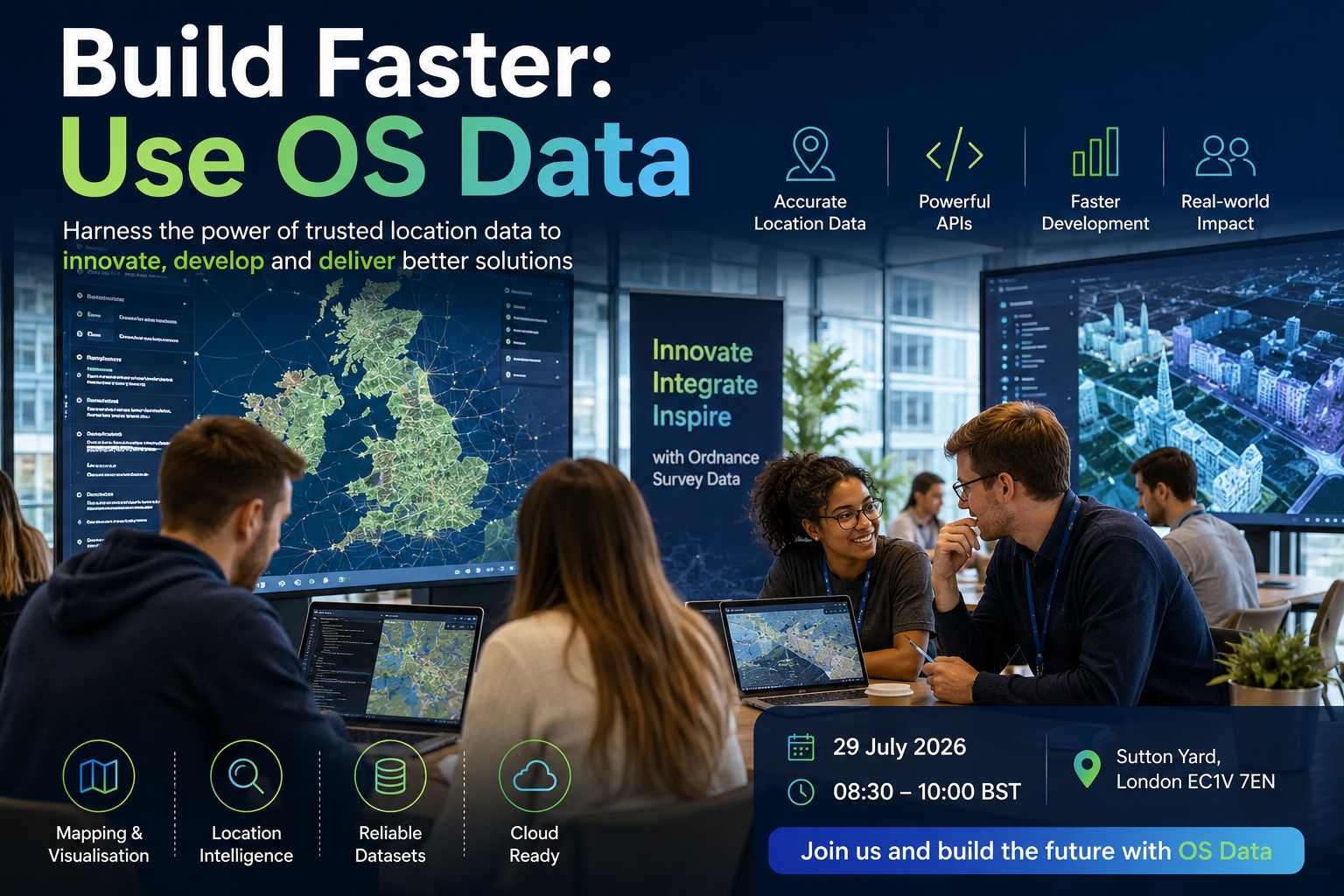
Jul 29, 2026
Build Faster: Use OS Data
Location intelligence has become one of the most valuable assets for modern organizations. From smart cities and transportation planning to property technology, telecommunications, environmental monitoring, and logistics, accurate geospatial information enables organizations to make faster and more informed decisions. Ordnance Survey (OS), Great Britain's national mapping agency, continues to lead the way in delivering trusted location data that powers thousands of digital products and public services across the United Kingdom.
The Build Faster: Use OS Data workshop is designed for innovators, software developers, GIS professionals, entrepreneurs, startups, and organizations looking to harness the power of authoritative location data. Hosted through Geovation, the innovation initiative backed by Ordnance Survey, this workshop demonstrates practical techniques for integrating OS datasets into applications, products, and business solutions.
Participants will gain hands-on experience using modern mapping technologies, APIs, and geospatial datasets while learning how location intelligence can reduce development time, improve decision-making, and unlock new commercial opportunities.
Why Attend?
Modern businesses increasingly rely on accurate mapping and location intelligence. Whether developing logistics platforms, property applications, infrastructure management systems, environmental monitoring tools, or smart city services, reliable location data forms the backbone of innovation.
This workshop helps attendees understand how Ordnance Survey datasets can be integrated into products efficiently while following best practices for modern software development.
Experts from Ordnance Survey and Geovation will demonstrate practical workflows that enable organizations to shorten development cycles, improve data quality, and build scalable solutions.
What You Will Learn
Throughout the workshop, attendees will explore:
Introduction to Ordnance Survey datasets
Understanding the National Geographic Database
Working with OS APIs
Location intelligence fundamentals
Data visualization techniques
Address and property datasets
Mapping best practices
Cloud-based GIS integration
Digital transformation through geospatial technology
Product development using authoritative mapping
These sessions provide practical knowledge that participants can immediately apply within their organizations.
Hands-on Technical Demonstrations
One of the strongest aspects of this workshop is its practical nature.
Rather than focusing only on presentations, attendees participate in demonstrations covering:
API integration
Interactive mapping
Geospatial analytics
Data visualization
Location search
Route planning
Property analysis
Infrastructure mapping
Geographic data management
Digital product prototyping
Participants leave with a stronger understanding of how modern location services are implemented.
Industry Applications
Ordnance Survey data supports innovation across numerous industries.
Smart Cities
City planners use mapping data to improve transport, utilities, housing, and infrastructure planning.
Transportation
Transport organizations analyze road networks and optimize routing using accurate mapping information.
Utilities
Energy and water companies improve asset management through reliable geographic information.
Telecommunications
Network planners identify ideal locations for infrastructure deployment using authoritative mapping.
Property Technology
Real estate businesses use accurate address and land information to support property management and market analysis.
Environmental Management
Environmental organizations monitor land use, biodiversity, and climate resilience through geospatial analysis.
Emergency Services
Emergency response organizations depend on precise location information to improve operational effectiveness.
Networking Opportunities
The workshop provides an excellent environment for networking.
Participants can connect with:
Technology startups
GIS consultants
Product managers
Software engineers
Innovation leaders
Government representatives
Academic researchers
Investors
Digital transformation specialists
Mapping experts
These conversations frequently lead to collaborations and future innovation projects.
Benefits for Startups
Early-stage companies often struggle with obtaining reliable geographic information.
The workshop explains:
Available datasets
Development tools
API capabilities
Licensing guidance
Product validation
Innovation support
Technical mentoring
Best implementation practices
Geovation has helped numerous startups transform innovative ideas into successful businesses using location intelligence.
Benefits for Developers
Software developers attending the workshop will discover efficient methods for integrating geospatial functionality into modern applications.
Topics include:
REST APIs
Cloud deployment
Data integration
Performance optimization
Interactive web mapping
Mobile mapping
Geographic search
Address lookup
Spatial queries
Data processing
These practical skills help development teams reduce implementation time while improving application quality.
Innovation Through Location Data
Location information connects people, places, assets, and infrastructure.
Organizations increasingly depend upon geospatial intelligence to:
Improve customer experiences
Reduce operational costs
Optimize logistics
Support planning
Enhance public services
Enable predictive analytics
Improve decision-making
Accelerate innovation
Ordnance Survey continues investing in new technologies and modern datasets that support these objectives across the UK.
Why Ordnance Survey?
For over two centuries, Ordnance Survey has provided trusted geographic information that supports government, businesses, and communities.
Today, its digital transformation includes:
High-quality national mapping
Modern APIs
National Geographic Database
Cloud-ready datasets
Digital services
Continuous product innovation
Cross-sector collaboration
Support for startups and developers
These capabilities enable organizations to build innovative products with confidence.
Event Takeaways
By the end of the workshop attendees will:
Understand OS datasets
Learn API integration techniques
Explore real business use cases
Network with industry experts
Discover startup opportunities
Improve GIS knowledge
Gain practical development experience
Learn mapping best practices
Understand location intelligence strategy
Accelerate future digital projects
Final Thoughts
Build Faster: Use OS Data is an outstanding opportunity for developers, startups, businesses, researchers, and innovation professionals who want to build better digital products using trusted geospatial information. The workshop combines technical learning, practical demonstrations, networking, and expert guidance, helping participants understand how authoritative mapping data can improve software development, business intelligence, and digital transformation initiatives.
Whether you are creating smart city applications, logistics platforms, property technology solutions, environmental services, or next-generation digital products, this event provides valuable knowledge that can accelerate development and unlock new innovation opportunities. Hosted by Geovation and supported by Ordnance Survey, the workshop reflects the organization's commitment to fostering collaboration and advancing the use of location data across industries.
Sutton Yard,
Southampton
8
0
FEATURED
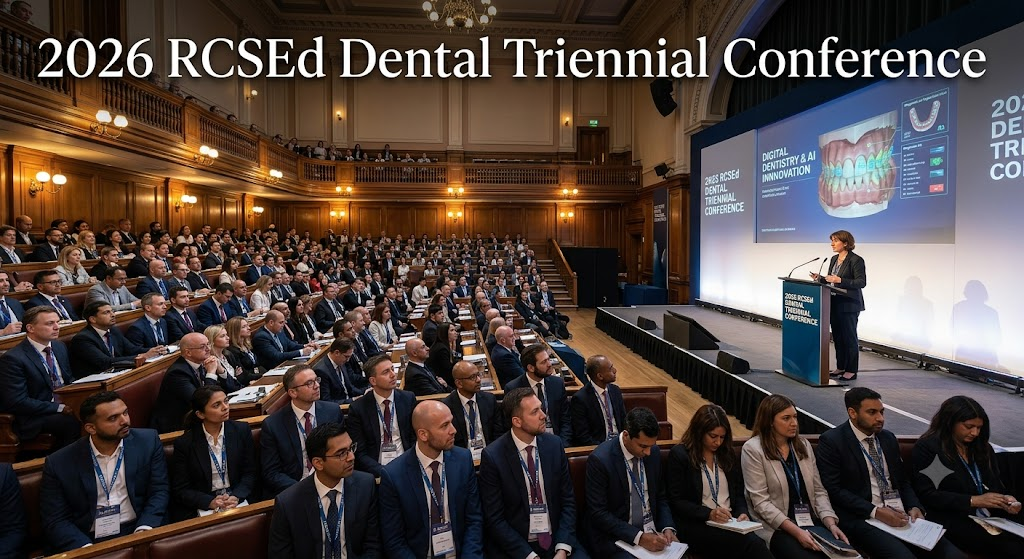
Oct 22 - 23, 2026
2026 RCSEd Dental Triennial Conference
The Royal College of Surgeons of Edinburgh is proud to host the flagship 2026 Dental Triennial Conference, taking place at the historic college campus in Edinburgh. As one of the United Kingdom’s premier gatherings for dental professionals, this biennial event brings together leading clinicians, dental surgeons, researchers, educators, and technology innovators from across the world. The central theme for this year’s landmark conference, "Digital Intelligence in Dentistry – From Innovation to Clinical Impact," addresses the paradigm shift occurring across all branches of oral healthcare. As artificial intelligence, automated diagnostic algorithms, 3D printing, and computer-aided design and manufacturing (CAD/CAM) fundamentally reshape clinical practice, this conference serves as an essential global platform for evaluating scientific evidence, sharing practical implementation strategies, and establishing rigorous ethical standards for digital dentistry.
Comprehensive Scientific Curriculum and Digital Workflows
The comprehensive two-day scientific programme is structured into specialized thematic tracks designed to bridge cutting-edge technological development with everyday clinical application. Delegates will explore the latest advances in AI-driven diagnostic imaging, digitally guided implant surgery, intraoral scanning precision, and complex prosthodontic and orthodontic planning. Specialized sessions will investigate the clinical efficacy of novel 3D-printed biomaterials, automated treatment planning software, and machine learning models for early periodontic and endodontic risk detection. Each track is curated by senior fellows and faculty members from the RCSEd Faculty of Dental Surgery, ensuring an unyielding commitment to scientific validity and patient safety. Attendees will gain actionable technical knowledge that enhances diagnostic accuracy, reduces treatment times, and improves long-term patient outcomes across primary, secondary, and private dental practices.
World-Renowned Keynote Speakers and Expert Panels
A distinguished international faculty of recognized thought leaders, academic researchers, and clinical pioneers will deliver inspiring keynote addresses and participate in high-impact plenary discussions. Renowned experts in digital dentistry will share critical insights into algorithmic diagnostics, virtual patient simulation, and the integration of artificial intelligence into postgraduate dental training. Interactive panel debates will encourage dynamic audience participation, addressing critical systemic challenges such as data security in cloud-based dental software, equitable access to high-tech equipment, and regulatory frameworks governing AI medical devices. These structured panel exchanges provide delegates with an unmissable opportunity to query leading authorities, challenge existing clinical paradigms, and explore how emerging technologies are successfully transitioning from research laboratories directly into modern dental operatories.
Abstract Defenses, Immersive Training, and Technology Hubs
In addition to plenary lectures, the conference features an interactive technology exhibition and dedicated research poster hubs. Early-career dentists, specialist trainees, and academic researchers will showcase groundbreaking original research during peer-reviewed poster defense sessions, offering delegates direct access to emerging literature and translational methodologies. Concurrent hands-on workshops and immersive virtual reality simulation modules will allow participants to test cutting-edge digital impression systems, test-drive surgical navigation software, and experience next-generation immersive training tools under expert guidance. These practical interactive environments foster open dialogue between practitioners, dental software developers, and medical device manufacturers, creating a dynamic learning environment where theoretical concepts are converted into tactile clinical skills.
Collaborative Networking and Professional Development
Networking represents a core pillar of the RCSEd conference experience, providing delegates with valuable opportunities to cultivate international professional connections and exchange best practices. Structured networking lunch breaks, thematic roundtable discussions, and the celebrated Dental Triennial Dinner on Thursday evening inside the college’s grand halls foster collegiate camaraderie and long-term research collaborations. Furthermore, attending delegates will earn 11 hours of verifiable Continuing Professional Development (CPD) credits accredited by the Royal College of Surgeons of Edinburgh upon completing post-event evaluations. Participants will depart Edinburgh equipped with cutting-edge technical insights, expanded professional networks, and a clear strategic roadmap to navigate the future of digital intelligence in contemporary dental care.
The Royal College of Surgeons of Edinburgh,
Edinburgh
5
0
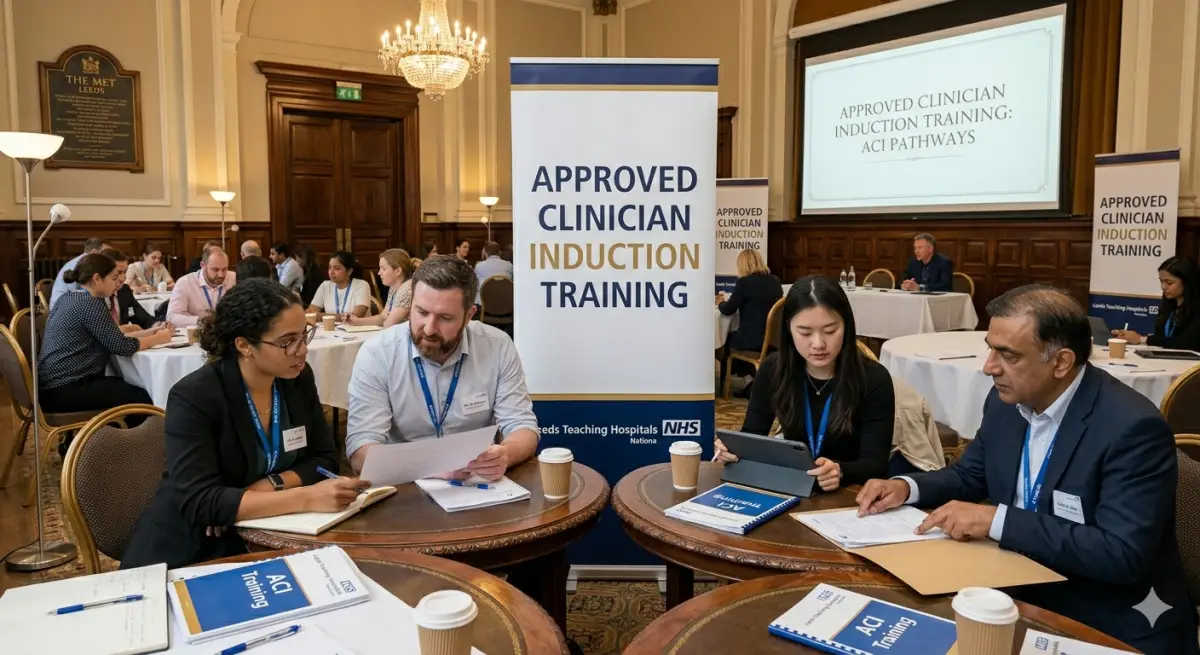
Approved Clinician Induction Training
The Andrew Sims Centre is proud to present the "Approved Clinician Induction," a high-stakes two-day training event designed for senior mental health professionals seeking statutory approval. This course is specifically accredited by the North of England Approval Panel (NEAP) and serves as a mandatory component for practitioners wishing to take on the role of an Approved Clinician (AC) under the Mental Health Act.
Over the course of two days, delegates will be immersed in the legalities, ethical dilemmas, and clinical responsibilities inherent in the AC role. The training is delivered by a multi-professional team of legal experts and experienced clinicians, ensuring a balanced perspective between "the letter of the law" and "clinical reality." Topics include the criteria for detention, the role of the Responsible Clinician, and navigating Mental Health Tribunals. The Andrew Sims Centre has a long-standing reputation for excellence in Mental Health Law training, and this induction is curated to ensure that every participant leaves with the confidence and competence required to fulfill these significant statutory duties. Success in this course provides 12 CPD points and is a recognized proof of completion for approval panels across England.
The Met Hotel Leeds,
Leeds
68
0
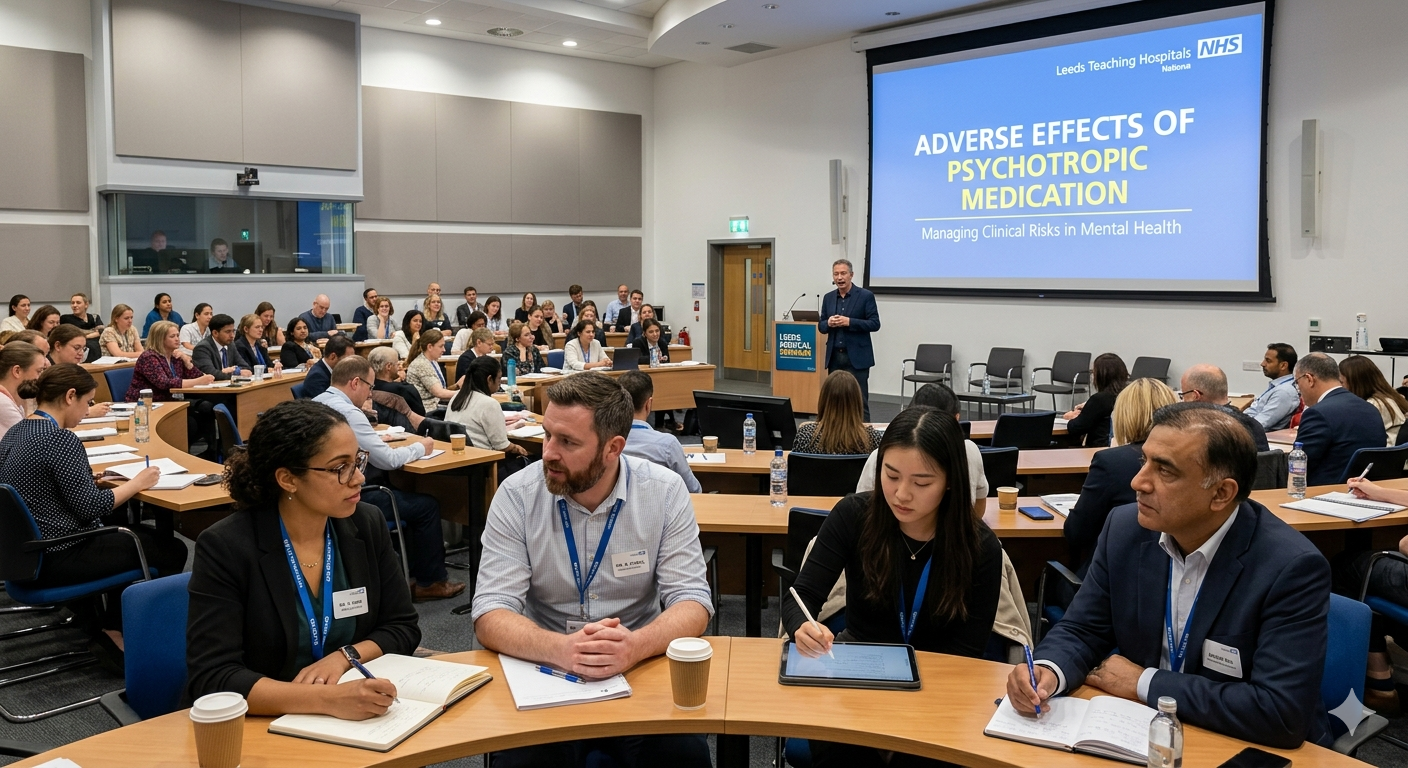
Adverse Effects of Psychotropic Medication
This comprehensive full-day seminar, titled "Potential Severe Adverse Effects of Psychotropic Medication (Part Two)," is a flagship offering from the Andrew Sims Centre’s clinical update series. While the primary benefits of psychotropic interventions in mental health are well-documented, this session dives deep into the "shadow side" of pharmacology. The curriculum focuses on identifying, managing, and mitigating long-term or permanent serious adverse effects that can significantly impact patient quality of life.
The course is structured to provide clinicians with the latest evidence-based research regarding metabolic syndromes, tardive dyskinesia, and rare but life-threatening reactions like Neuroleptic Malignant Syndrome. Attendees will engage in interactive case study reviews, allowing them to apply diagnostic criteria to real-world scenarios. The session also covers the ethical implications of prescribing, emphasizing the importance of informed consent and the ongoing monitoring of patients on long-term medication regimens. By the end of the day, delegates will have a robust framework for assessing risk-benefit ratios in complex psychiatric cases. This event is vital for those looking to enhance patient safety and clinical excellence within their practice.
Horizon Leeds,
Leeds
53
0

Jul 15, 2026
Urban Sociology and the Green Transition
As cities across the United Kingdom race to meet net-zero targets by 2030, the sociological implications of the "Green Transition" have never been more critical. This seminar, supported by BSA members and urban researchers, focuses on the social dimensions of environmental change within the urban fabric of Leeds and beyond. We aim to move the conversation from technical solutions to social justice, asking: is the green transition "just," or is it creating new forms of eco-gentrification?
The seminar will explore how urban planning in 2026 is navigating the tension between environmental sustainability and social inclusivity. Key themes include "Sustainable Housing and Class," "The Sociology of Public Transport," and "Green Spaces as Sites of Resistance." We will specifically look at case studies from the West Yorkshire region, examining how local communities are responding to top-down environmental mandates.
This event is highly interactive, featuring a "Walking Seminar" through parts of Leeds where urban regeneration is most visible. Participants will observe firsthand the intersection of architecture, sociology, and ecology. The afternoon session will conclude with a roundtable on "The Citizen's Role in a Green City," featuring local councilors and grassroots environmental organizers. This is an essential event for sociologists, urban planners, and environmentalists who believe that a sustainable future must also be a fair one.
The Rose Bowl, Leeds Beckett University,
Leeds
52
0

Jun 03 - 05, 2026
Inequalities in the Post Digital Labor Market
Building on the momentum of previous BSA Work and Employment study group initiatives, this high-level conference addresses the deepening fissures in the UK labor market. As digital transformations move from "new" to "normalized," the sociological community must ask: who is being left behind? This event brings together experts in the sociology of work, technology, and social stratification to analyze the current state of labor in 2026.
The program is structured to provide a comprehensive look at the intersection of technology and class. We will delve into "Platformized Care," examining how the gig economy has infiltrated the healthcare and domestic sectors, and the resulting gendered inequalities. Another major session will focus on "Automated Management," where researchers present findings on how AI-driven recruitment and monitoring are disproportionately affecting marginalized communities in the North of England.
Beyond the data, the conference serves as a platform for policy advocacy. A dedicated panel featuring representatives from UK trade unions and social justice NGOs will discuss how sociological research can be translated into legislative protections for workers. This event is vital for anyone interested in the future of work, the ethics of technology, and the persistence of social class in a digital-first economy. The University of Leeds provides a fitting backdrop, given its rich history in industrial sociology and its current standing as a hub for digital innovation research.
Leeds University Business School,
Leeds
49
0
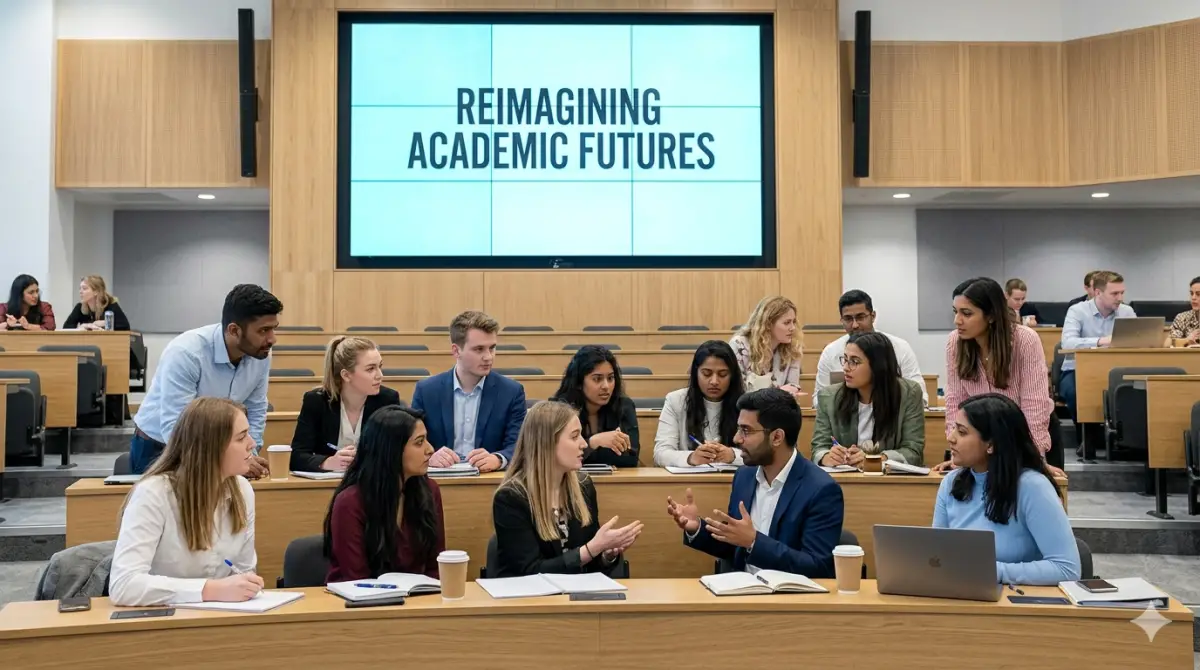
BSA Early Career Forum Reimagining Futures
The British Sociological Association (BSA) Early Career Forum is proud to present a landmark regional symposium dedicated to the evolving landscape of academia. As we move further into 2026, the pressures of precarity, digital surveillance, and shifting institutional priorities continue to reshape what it means to be a "sociologist" in the modern age. This event is designed as a sanctuary for thought, allowing early career researchers (ECRs) and postgraduate students to dismantle existing structures and propose radical, collective pathways forward.
The symposium will feature three primary thematic tracks. The first track focuses on "Collective Resilience," exploring how ECRs can move beyond individualistic competition toward a model of mutual aid and collaborative publishing. The second track, "The Digital Academy," scrutinizes the role of AI and algorithmic management in sociology departments, questioning how these tools can be harnessed without compromising intellectual autonomy. The final track, "Public Sociology in Crisis," looks at the role of the researcher in navigating national and global social upheavals.
Attendees can expect a day filled with interactive "world-café" style workshops, where the hierarchy of the lectern is removed in favor of circular, democratic dialogue. This is not just an academic conference; it is a strategic planning session for the next generation of UK sociologists. Keynote speakers will include prominent figures from the BSA Board and local Leeds-based activists who bridge the gap between town and gown. By attending, you will gain not only theoretical insights but also practical tools for career longevity and emotional well-being within the university system.
University of Leeds, Worsley Building,
Leeds
68
0
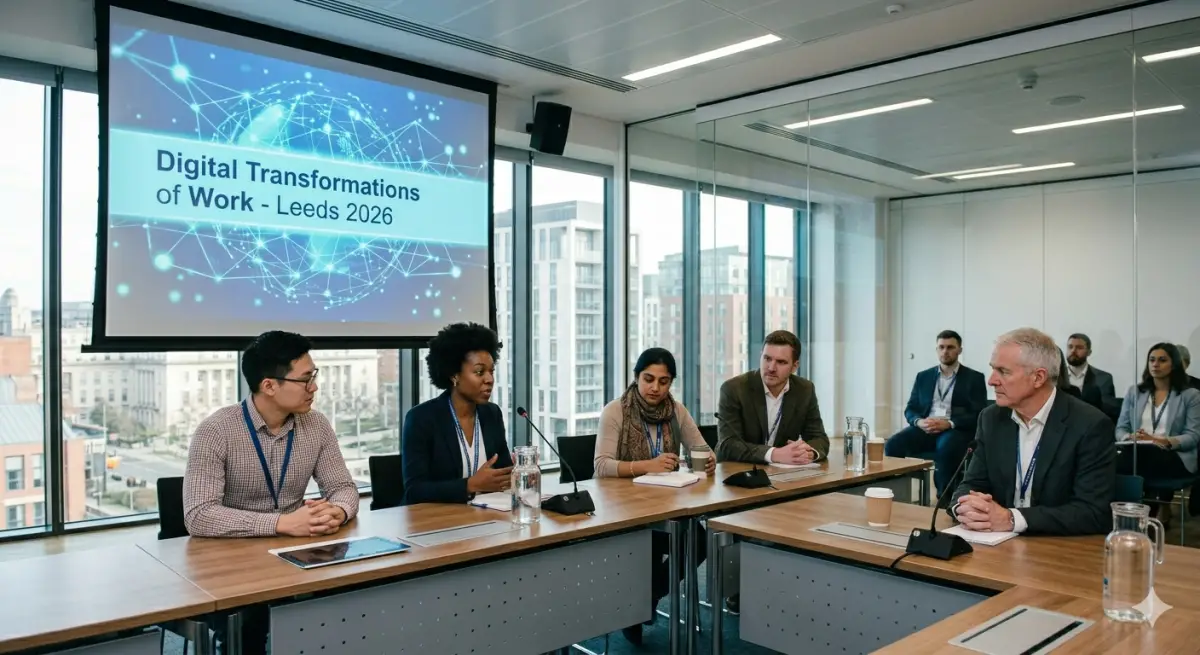
Digital Transformations of Professional Work
The British Sociological Association’s Work, Employment and Economic Life Study Group presents a specialized symposium at the Leeds University Business School. This event, "Digital Transformations of Work and Employment," investigates the profound shifts occurring within professional spheres due to the integration of AI, algorithmic management, and remote-first cultures. As the workplace evolves, sociologists are tasked with understanding how these digital tools reshape power dynamics, worker autonomy, and the very definition of "professionalism" in the 21st century.
This seminar brings together leading researchers to discuss empirical findings on the "platformization" of professional services. We will delve into how traditional professions—such as law, medicine, and academia—are being disrupted by automated systems. The day is structured around three core themes: the surveillance of remote work, the rise of the "gig" professional, and the digital divide in labor market access. Unlike broader tech conferences, this BSA event focuses on the human element: how workers resist digital overreach and how new forms of solidarity are emerging in virtual spaces.
Attendees will have the opportunity to participate in data-sharing workshops, where ongoing projects are critiqued by peers in a collaborative setting. We will also host a panel on the ethics of AI in recruitment, specifically focusing on how sociological insights can inform more equitable software design. This event is essential for anyone researching the intersection of technology and labor, providing a rigorous platform for critical debate in the heart of Leeds, a city rapidly becoming a digital hub for the UK. The symposium aims to produce a set of policy recommendations that will be submitted to the BSA’s flagship journals.
Leeds University Business School,
Leeds
50
0
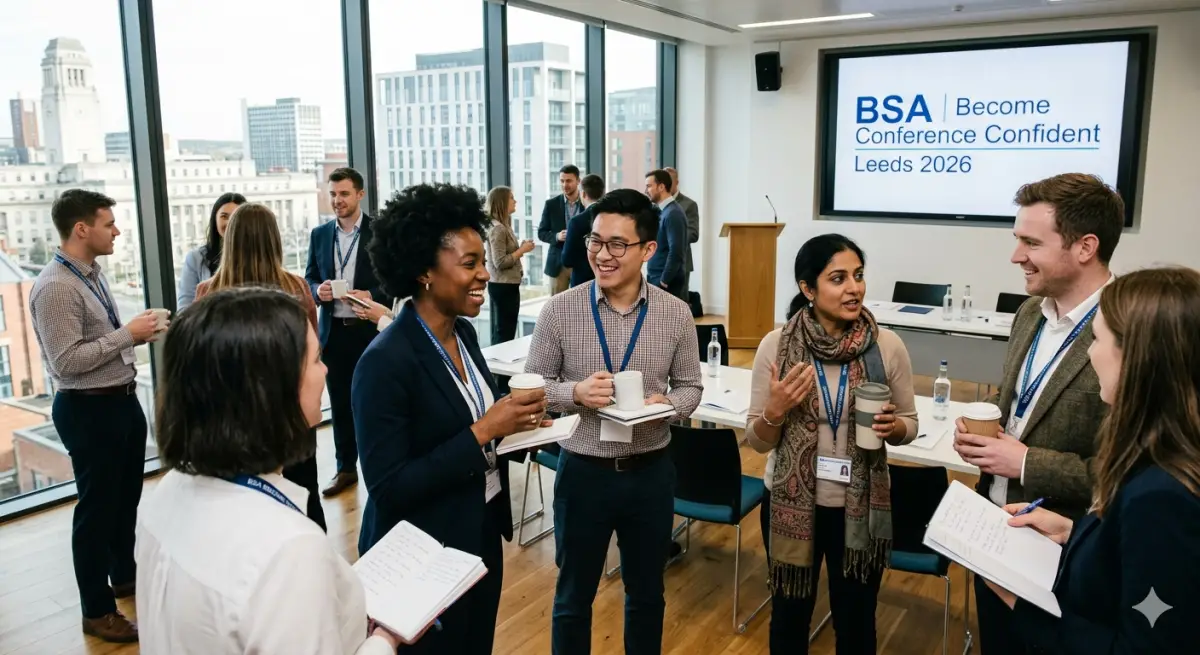
Become Conference Confident Workshop
The British Sociological Association (BSA) is proud to host the "Become Conference Confident" workshop as part of its Early Career Forum Regional Event series. Taking place at the University of Leeds, this intensive day-long session is specifically designed to dismantle the anxieties often associated with academic presenting and networking. For many postgraduate researchers and early-career academics, the transition from being a student to a professional contributor in the field of sociology can feel daunting. This event bridges that gap by providing a supportive, peer-led environment where participants can refine their professional persona.
The workshop will begin with a plenary session led by senior sociologists who will share their own "conference horror stories" and successes, humanizing the high-stakes world of academic discourse. Following this, attendees will participate in breakout "elevator pitch" sessions, where they practice summarizing their research in under three minutes to diverse audiences. A key focus of the afternoon will be on the technicalities of presentation: how to design accessible slides, how to manage difficult Q&A sessions with grace, and how to use social media (specifically "Academic Twitter" or "X") to amplify research impact during live events.
Beyond the technical skills, the event emphasizes the "hidden curriculum" of academic life—networking. We will explore strategies for approaching keynote speakers, finding potential collaborators, and building a sustainable professional network that extends beyond the conference hall. This Leeds-based regional event serves as a vital touchpoint for the Northern sociological community, ensuring that the next generation of scholars is not just prepared to participate, but ready to lead. By the end of the day, delegates will have a toolkit of practical strategies, a polished abstract, and a newfound confidence to represent their institutions on the global stage.
University of Leeds, School of Sociology,
Leeds
53
0
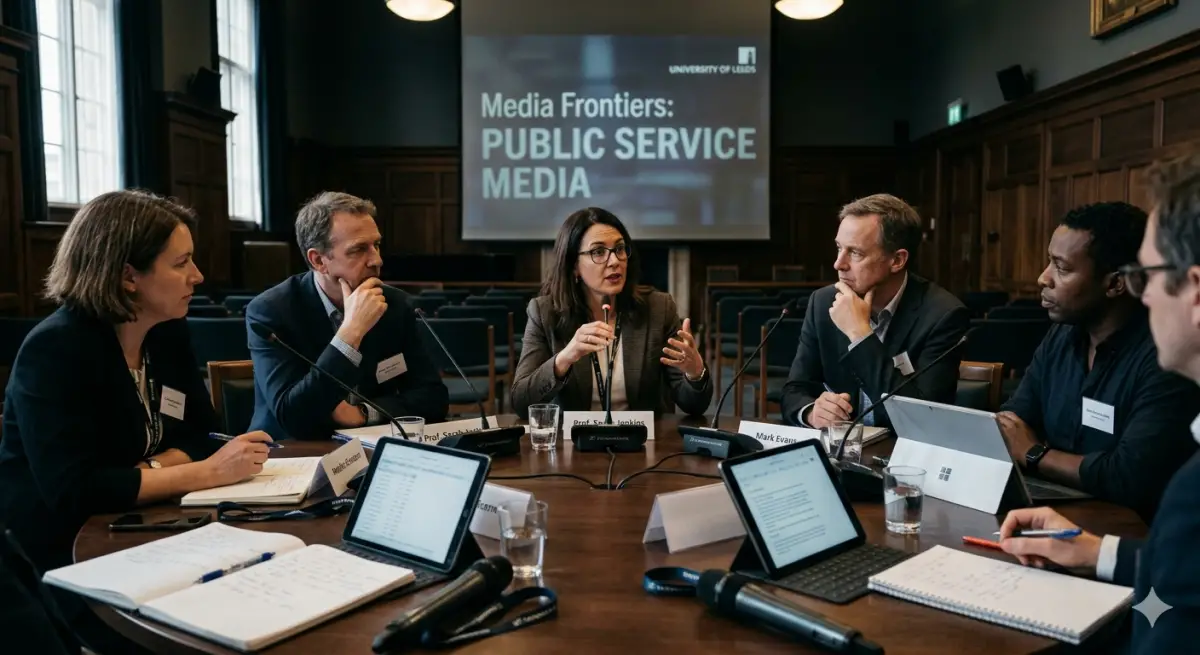
May 13, 2026
Media Frontiers Public Service Media
The future of the UK’s media landscape is at a critical crossroads. "Media Frontiers: What Next for Public Service Media?" is a vital roundtable event taking place this May at the University of Leeds. As the BBC Charter Review and evolving regulations from Ofcom reshape the production ecology, this session brings together the nation’s leading thinkers to discuss the survival and evolution of public service broadcasting in the age of global streaming giants.
The discussion will focus on the "Future of the UK Production Ecology." With panels consisting of policy analysts, media historians, and active industry practitioners, the event explores how public service media can remain relevant to a diverse and fragmented audience. Key themes include the role of state funding, the importance of impartial news in a "fake news" era, and how UK-based production houses can compete with the likes of Netflix and Disney+ while maintaining a distinct British voice.
Participants will gain exclusive insights into the regulatory shifts that will govern the next decade of British television and radio. This event is part of the School of Media and Communication’s commitment to influencing national policy through academic rigor and industry engagement. It offers a rare space for dialogue between those who study the media and those who create it. Whether you are interested in the politics of the BBC or the economic future of independent production in the North of England, this roundtable provides the essential context needed to navigate the shifting media frontiers of 2026.
School of Media and Communication,
Leeds
61
0
May 12, 2026
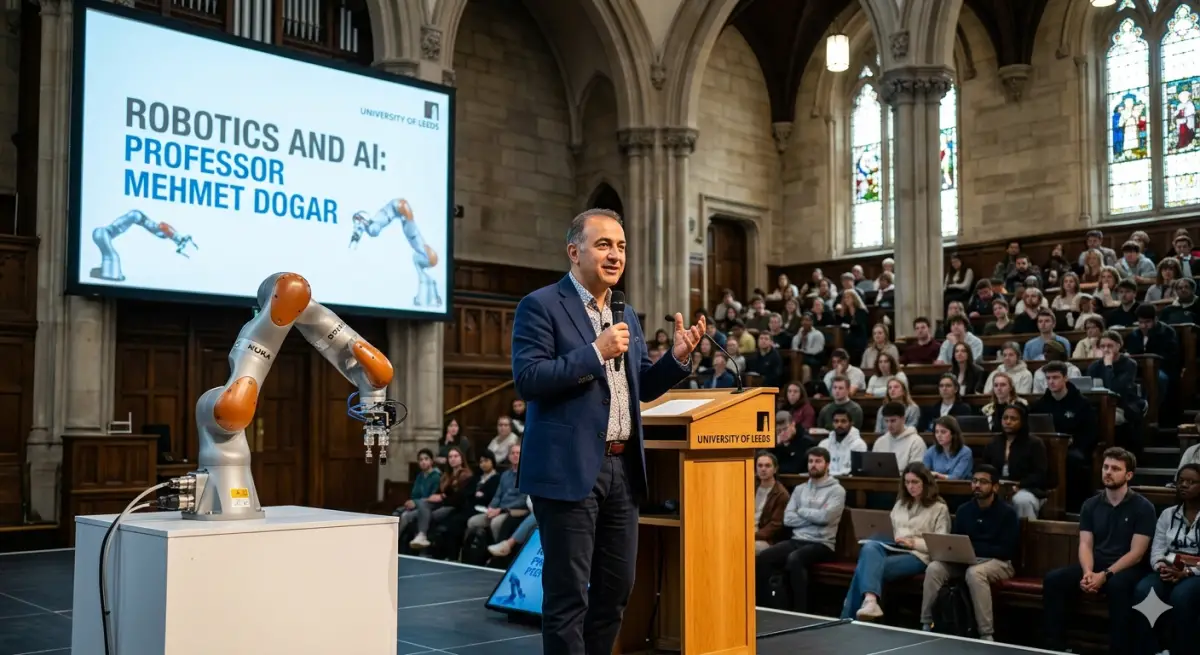
Inaugural Lecture Professor Mehmet Dogar
Inaugural lectures at the University of Leeds are a prestigious tradition, marking the significant contributions of newly appointed professors to their fields. On 12 May 2026, the Faculty of Engineering and Physical Sciences presents "Professor Mehmet Dogar: Robotics and AI at the Frontier." This event is a deep dive into the cutting-edge world of robotic manipulation and autonomous systems, reflecting Leeds' position as a global leader in AI research.
Professor Dogar, a specialist in Robotics and AI at the School of Computer Science, will present his latest findings on how robots can interact more naturally and effectively with complex, cluttered environments. The lecture explores the intersection of computer vision, machine learning, and physical engineering. In an era where automation is transforming industries from manufacturing to healthcare, understanding the "intelligence" behind the machine is more critical than ever.
This lecture is designed to be accessible to a broad audience, from students and fellow academics to industry leaders and the general public. It provides a rare opportunity to hear directly from a pioneer in the field about the future of human-robot collaboration. Following the presentation, there will be a Q&A session where attendees can engage with Professor Dogar on topics such as the ethics of AI, the limitations of current robotic hardware, and the roadmap for fully autonomous assistants in the home and workplace. This is a celebration of academic excellence and a glimpse into the technology that will define the next decade.
School of Computer Science, University of Leeds,
Leeds
51
0
Apr 21, 2026
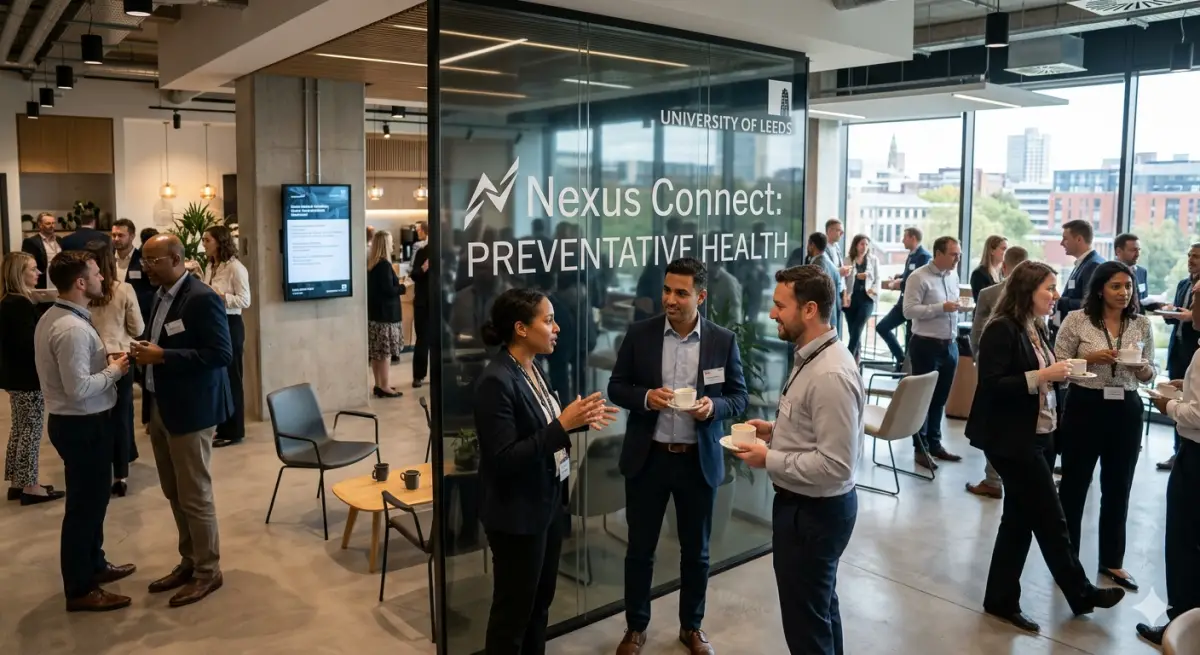
Nexus Connect Obesity in Preventative Health
Nexus Connect returns this April with a high-impact session titled "Obesity in Preventative Health." This exclusive event, held at the University of Leeds’ premier innovation hub, Nexus, brings together a unique mix of academic experts, med-tech founders, and healthcare innovators. The session aims to bridge the gap between high-level laboratory research and real-world health solutions.
Obesity remains one of the most significant challenges in modern healthcare, requiring a multifaceted approach that spans nutrition, technology, and policy. This event features a lively panel discussion where speakers will explore the latest advancements in "Preventative Health." Topics include the role of wearable technology in weight management, the impact of metabolic research on public health policy, and how start-ups are leveraging data to create personalized health interventions.
Following the panel, the event transitions into a structured networking reception. This is where the magic happens—where founders meet regulatory leaders and researchers find commercial partners. As a hub for innovation, Nexus provides the perfect backdrop for these meaningful conversations. Refreshments are provided, ensuring a relaxed yet productive atmosphere for all attendees. Whether you are an established investor looking for the next big med-tech breakthrough or a researcher seeking to de-risk your concept, this Nexus Connect session is an essential date in the Leeds business and health calendar.
Nexus, University of Leeds,
Leeds
49
0
Share This Page
My Page
Scan QR to open
Barcode