
Research Events
Explore 186 premium experiences in all locations
Promoted
List Your Next Big Event
Reach millions of attendees by showcasing your conferences, workshops, or exhibitions on the world's most trusted event platform.
Create Your Event Now
FEATURED
Sep 07 - 08, 2026
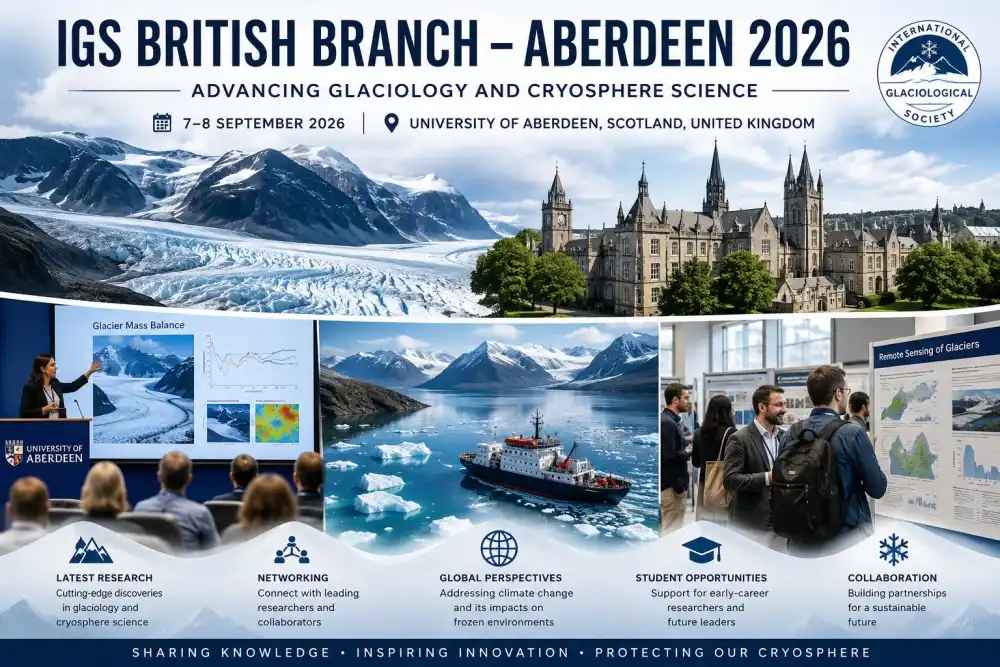
IGS British Branch – Aberdeen 2026
The IGS British Branch – Aberdeen 2026 is one of the most anticipated scientific conferences for professionals working in glaciology, climate science, and cryosphere research. Organized by the International Glaciological Society (IGS), this prestigious event will be held on 7–8 September 2026 at the University of Aberdeen, Scotland, United Kingdom. The conference provides an excellent platform for researchers, scientists, academics, policymakers, and students to exchange knowledge, present groundbreaking research, and discuss the future of glaciers and polar environments.
As climate change continues to reshape the Earth's frozen regions, scientific collaboration has never been more important. This conference serves as a valuable opportunity for experts from around the world to share innovative findings, discuss environmental challenges, and strengthen international research partnerships.
International Glaciological Society
The International Glaciological Society (IGS) is a globally recognized scientific organization dedicated to advancing the study of snow, glaciers, ice sheets, sea ice, frozen ground, avalanches, and other cryospheric processes. Established in 1936, the Society has played a significant role in promoting international collaboration through conferences, workshops, journals, and scientific publications.
The Society regularly organizes international symposia and regional meetings where experts gather to present new discoveries, discuss technological advancements, and address global environmental issues related to ice and climate.
IGS British Branch – Aberdeen 2026
The British Branch Meeting is one of the Society's flagship annual events within the United Kingdom. Hosted by the University of Aberdeen, the 2026 edition will bring together leading scientists and early-career researchers to discuss recent developments in glaciology and climate science.
The conference will feature keynote presentations, scientific paper sessions, poster exhibitions, panel discussions, networking opportunities, and collaborative workshops. Participants will gain valuable insights into current research while building professional relationships with experts from universities, research institutes, government agencies, and environmental organizations.
Why Attend the Conference?
Attending the IGS British Branch – Aberdeen 2026 offers numerous benefits for researchers and professionals involved in environmental science and climate research.
Participants will have the opportunity to:
Learn about the latest glacier and ice-sheet research.
Discover innovative technologies used in cryosphere monitoring.
Meet internationally recognized scientists.
Present research findings to a global audience.
Build collaborations with leading universities and research organizations.
Explore career opportunities for students and early-career researchers.
Stay informed about emerging trends in climate science and environmental monitoring.
Conference Topics
The conference will cover a wide range of scientific disciplines related to glaciers and frozen environments.
Major topics include:
Glacier Dynamics
Ice Sheet Behaviour
Polar Climate Change
Mountain Glacier Monitoring
Sea Ice Processes
Snow Hydrology
Cryosphere Modelling
Remote Sensing Applications
Satellite Observation Technologies
Ice Core Research
Climate Modelling
Geophysical Surveys
Permafrost Studies
Paleoclimate Reconstruction
Environmental Monitoring
These sessions provide attendees with a comprehensive overview of the latest scientific advancements in cryosphere research.
Scientific Program Highlights
The conference program has been carefully designed to encourage scientific discussion and knowledge sharing.
Highlights include:
Keynote Presentations
Internationally renowned researchers will deliver keynote lectures discussing emerging trends in glaciology, climate modelling, satellite monitoring, and environmental science.
Technical Sessions
Experts will present peer-reviewed research papers covering glacier dynamics, sea ice evolution, numerical modelling, and cryosphere processes.
Poster Presentations
Researchers and students will showcase their latest work through poster sessions, encouraging interactive discussions and constructive feedback.
Panel Discussions
Special panel sessions will address the future of glacier research, international collaboration, and climate adaptation strategies.
Networking Events
Dedicated networking sessions provide opportunities for researchers to establish collaborations, exchange ideas, and develop future research partnerships.
Importance of Glaciology Research
Glaciers and ice sheets are among the most sensitive indicators of climate change. Their rapid melting affects sea level rise, freshwater resources, ecosystems, and global weather patterns.
Understanding these complex systems requires continuous scientific research, technological innovation, and international collaboration. Conferences like the IGS British Branch Meeting help scientists share discoveries that contribute to better climate predictions and informed environmental policies.
Technology in Modern Glaciology
Modern glacier research increasingly relies on advanced technologies to improve data collection and analysis.
Some of the latest technologies discussed at the conference include:
Satellite Remote Sensing
Drone-Based Glacier Mapping
Artificial Intelligence
Machine Learning
GPS Ice Movement Monitoring
LiDAR Surveys
Ground Penetrating Radar
Climate Simulation Models
Digital Elevation Mapping
Automated Weather Stations
These technologies enable researchers to monitor glaciers more accurately than ever before.
Opportunities for Students and Early-Career Researchers
One of the major strengths of the IGS British Branch Meeting is its support for young scientists.
Students and early-career researchers benefit from:
Oral presentation opportunities
Poster competitions
Mentorship from senior scientists
Career guidance
Networking sessions
Research collaborations
International exposure
Publication opportunities
These experiences help build successful careers in glaciology and climate science.
Why Aberdeen is an Ideal Host City
Aberdeen offers an outstanding environment for hosting an international scientific conference.
The city provides:
World-class university facilities
Excellent transport connections
Historic architecture
Modern conference venues
Beautiful coastal scenery
Easy access to Scotland's glacial landscapes
Comfortable accommodation
Rich cultural heritage
Delegates can also explore nearby natural attractions, including the Cairngorms National Park and Scotland's famous mountain regions.
Benefits for Environmental Professionals
Environmental consultants, government agencies, NGOs, and climate organizations can gain valuable insights from the conference.
Professionals will learn about:
Climate adaptation strategies
Glacier monitoring techniques
Environmental risk assessment
Water resource management
Sea level rise research
Sustainable environmental planning
Polar research collaboration
These topics have direct applications in environmental policy and scientific decision-making.
Networking and Collaboration
The conference creates numerous opportunities for meaningful professional interaction.
Attendees can:
Meet international researchers
Connect with university professors
Collaborate on research projects
Discuss funding opportunities
Exchange technical expertise
Build long-term scientific partnerships
Networking remains one of the most valuable aspects of attending an IGS conference.
Who Should Attend?
This conference is ideal for:
Glaciologists
Climate Scientists
Environmental Researchers
Hydrologists
Geologists
Oceanographers
University Professors
Postgraduate Students
Government Researchers
Environmental Consultants
Remote Sensing Specialists
Polar Scientists
Meteorologists
GIS Professionals
Sustainability Experts
King's College Conference Centre & Elphinstone Hall, University of Aberdeen,
Cambridge
38
0
FEATURED
Oct 15 - 16, 2026
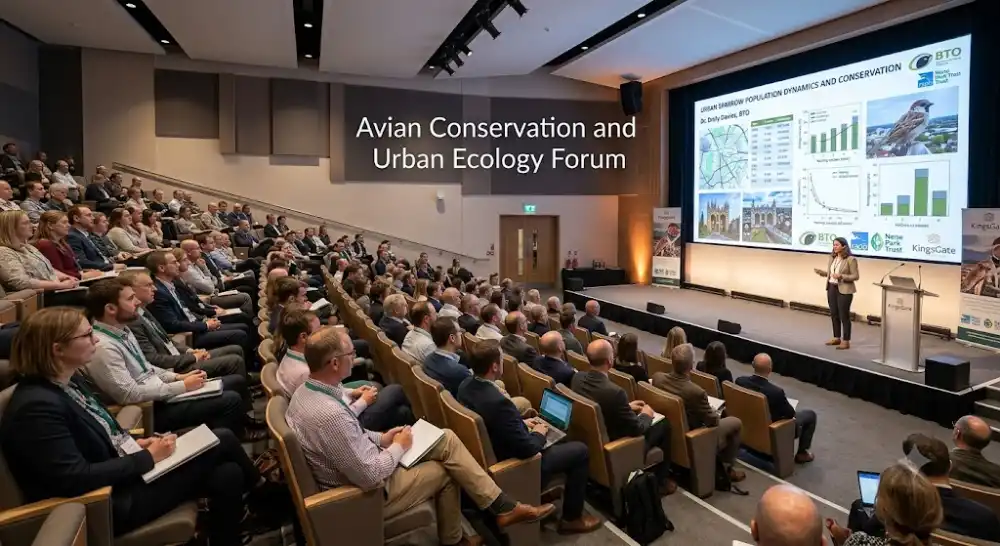
Avian Conservation and Urban Ecology Forum
The British Ornithologists Union proudly presents the flagship Avian Conservation & Urban Ecology Forum. Set in Peterborough, UK, this prestigious two-day national gathering brings together scientific experts, environmental researchers, land managers, and conservation professionals to discuss the critical challenges facing avian populations across modified landscapes. As habitat loss, climate shifts, and urbanization continue to transform ecosystems worldwide, understanding how birds adapt to rapidly changing human-dominated environments has become essential. This event serves as an authoritative platform to exchange cutting-edge research, debate innovative conservation strategies, and establish cross-disciplinary partnerships that safeguard global avian biodiversity.
Advancing Scientific Methodology and Research Over the course of two intensive days, participants will delve into the latest empirical research and technological breakthroughs transforming modern field ornithology. Technical sessions will explore the integration of non-invasive monitoring tools, including automated bioacoustic recorders, satellite telemetry, and artificial intelligence-driven data analysis platforms. Experts will present recent scientific discoveries regarding demographic shifts, range dynamics, and phenological responses to environmental stressors. By focusing on rigorous quantitative approaches and evidence-based science, the conference provides delegates with practical methodologies to improve population monitoring, habitat assessment, and ecosystem restoration modeling in both rural and urban environments.
Mitigating Human-Bird Conflicts and Promoting Coexistence A core focal point of the conference involves navigating the complex relationship between bird populations and human infrastructure. Dynamic panel sessions will address severe conservation hurdles, including agricultural interactions, wind energy developments, industrial encroachment, and urban habitat fragmentation. Keynote speakers will highlight successful international case studies where win-win mitigation strategies successfully balanced economic development with wildlife protection. Attendees will evaluate nature-based solutions, greenspace connectivity projects, and architectural interventions designed to minimize bird collisions and disturbance. These discussions aim to provide land managers and local government planners with practical frameworks to incorporate wildlife considerations directly into regional spatial planning.
Empowering the Next Generation of Ornithologists In alignment with the British Ornithologists Union's long-standing commitment to professional development, the event offers extensive dedicated programming for early career researchers and postgraduate students. Early career scientists will have the unique opportunity to showcase their research via dedicated poster sessions and oral presentations, receiving valuable constructive feedback from leading figures in avian science. Interactive workshops will deliver practical skill-building in scientific publishing, competitive grant writing, public engagement, and multi-disciplinary research design. Structured networking luncheons and evening receptions ensure emerging researchers can build long-term mentorship relationships and expand their professional networks across academic, governmental, and non-profit sectors.
Translating Science into Actionable Conservation Policy The final segment of the forum turns focus toward science communication and policy formulation. Connecting academic findings with practical governance is crucial for achieving long-term species recovery targets. Environmental policymakers and conservation directors will guide interactive roundtables addressing how current research can directly inform national environmental acts, protected area management, and habitat recovery schemes. Delegates will collectively work toward publishing summary recommendations that highlight actionable priorities for UK and European bird conservation. Join us in Peterborough to contribute to this essential gathering, where scientific knowledge drives real-world environmental change and secures a sustainable future for world bird species.
Kingsgate Conference Centre,
Peterborough
12
0
Aug 22 - 23, 2026
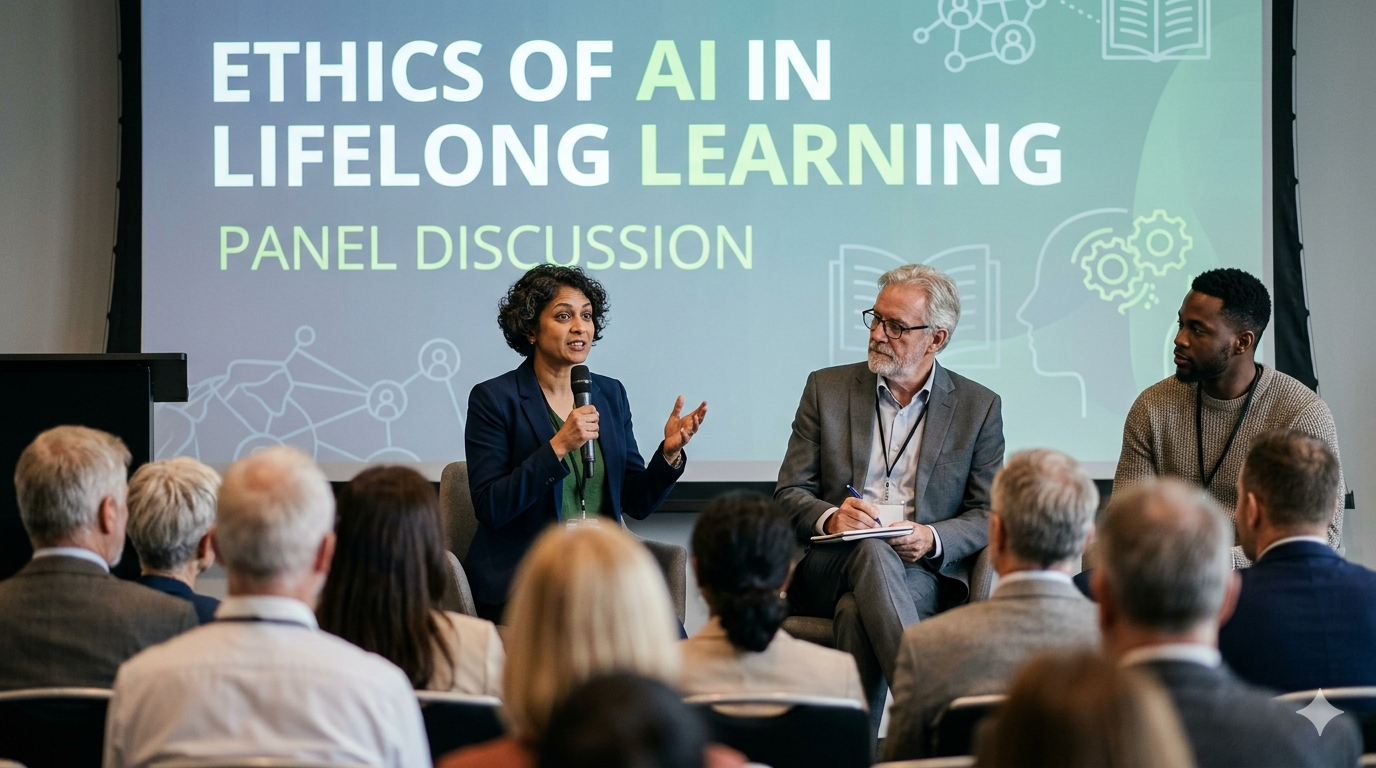
Ethics of AI in Lifelong Learning
As Artificial Intelligence integrates into every facet of the educational experience, the ethical implications become more profound. The Ethics of AI in Lifelong Learning conference brings together philosophers, tech developers, and educators to debate the future of automated instruction. This event explores the delicate balance between the efficiency of AI-driven platforms and the essential human connection that drives transformative learning experiences.
The conference kicks off with a keynote on "Algorithmic Bias in Admissions," examining how AI might inadvertently exclude non-traditional learners from entering higher education. From there, the discussion moves to the "Black Box" problem—the challenge of understanding how AI makes decisions about a student's progress. Attendees will participate in breakout groups to draft an "Ethical Charter for AI in Adult Education," a document intended to guide regional institutions in their tech adoption strategies.
The final session focuses on the future: "AI as a Co-Educator." Rather than viewing technology as a threat, this segment highlights successful pilot programs where AI assistants have provided 24/7 support to adult learners, helping them navigate complex course materials at their own pace. This event is essential for anyone concerned with the moral landscape of 21st-century education and the preservation of equity in the pursuit of knowledge.
The Gate Newcastle,
Newcastle upon Tyne
51
0
May 27 - 28, 2026
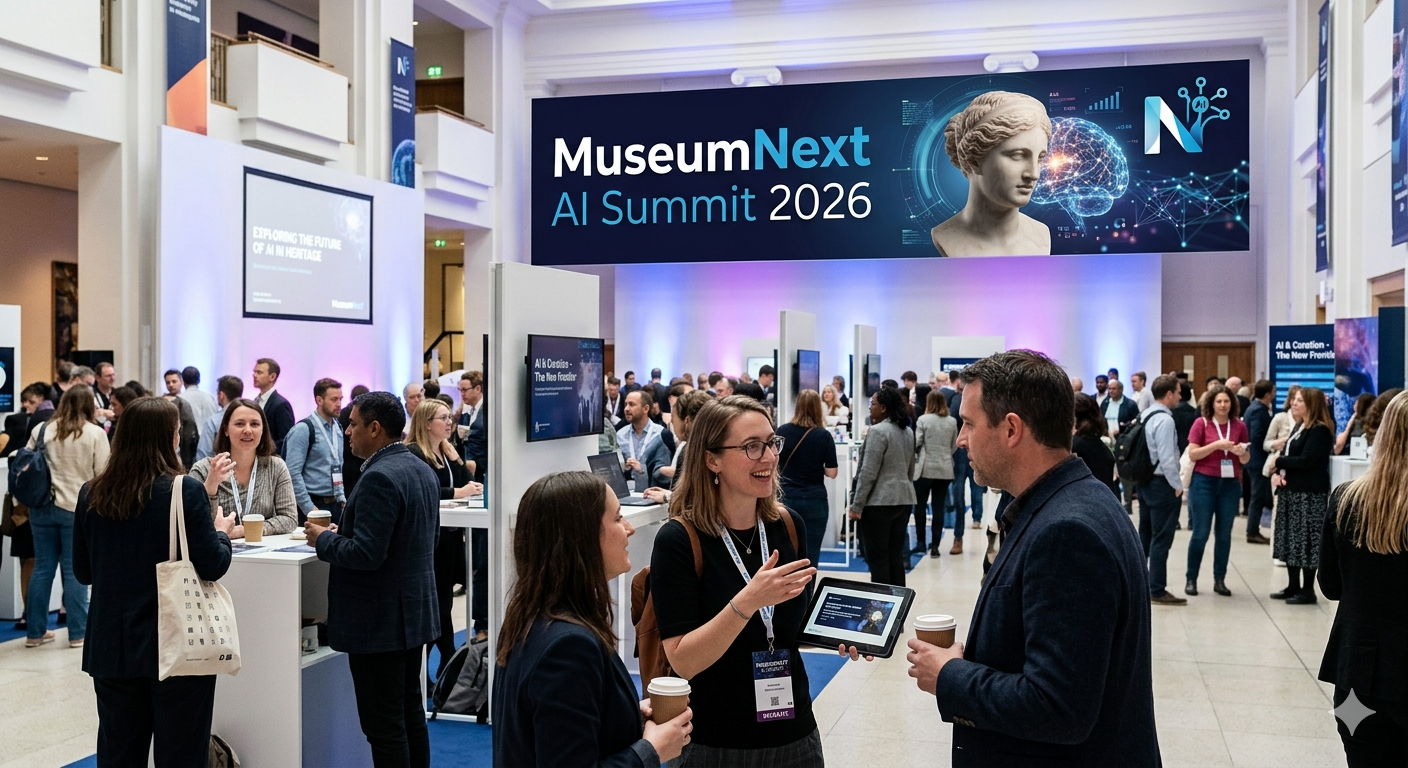
MuseumNext AI Summit 2026
The MuseumNext AI Summit 2026 is a premier gathering designed to navigate the rapidly evolving landscape of artificial intelligence within the cultural sector. As museums worldwide grapple with the implications of generative AI, machine learning, and automated curation, this summit provides a vital platform for professional exchange. Held in the historic and innovation-led city of Newcastle upon Tyne, the event bridges the gap between traditional heritage preservation and cutting-edge computational technology.
The program is meticulously curated to address both the practical applications and the ethical dilemmas posed by AI. Attendees will explore how AI can be used to enhance accessibility, such as through automated alt-text for visually impaired visitors, and how it can personalize the visitor journey through intelligent recommendation engines. The summit also delves into the "back-of-house" efficiencies, showcasing how machine learning can assist in digitizing vast archives and identifying patterns in historical data that were previously invisible to the human eye.
A significant portion of the discourse will focus on "Responsible AI." Speakers from leading global institutions will share case studies on maintaining curatorial integrity while utilizing algorithmic tools. The summit fosters a collaborative environment where curators, technologists, and educators can debate the future of the "intelligent museum." Newcastle’s own vibrant tech scene provides a fitting backdrop for these discussions, offering participants a chance to network in a city that prides itself on industrial heritage and digital future-making. Whether you are a museum director planning a digital roadmap or a technician implementing new software, this summit offers the insights necessary to stay ahead of the curve.
Great North Museum: Hancock,
Newcastle upon Tyne
109
0
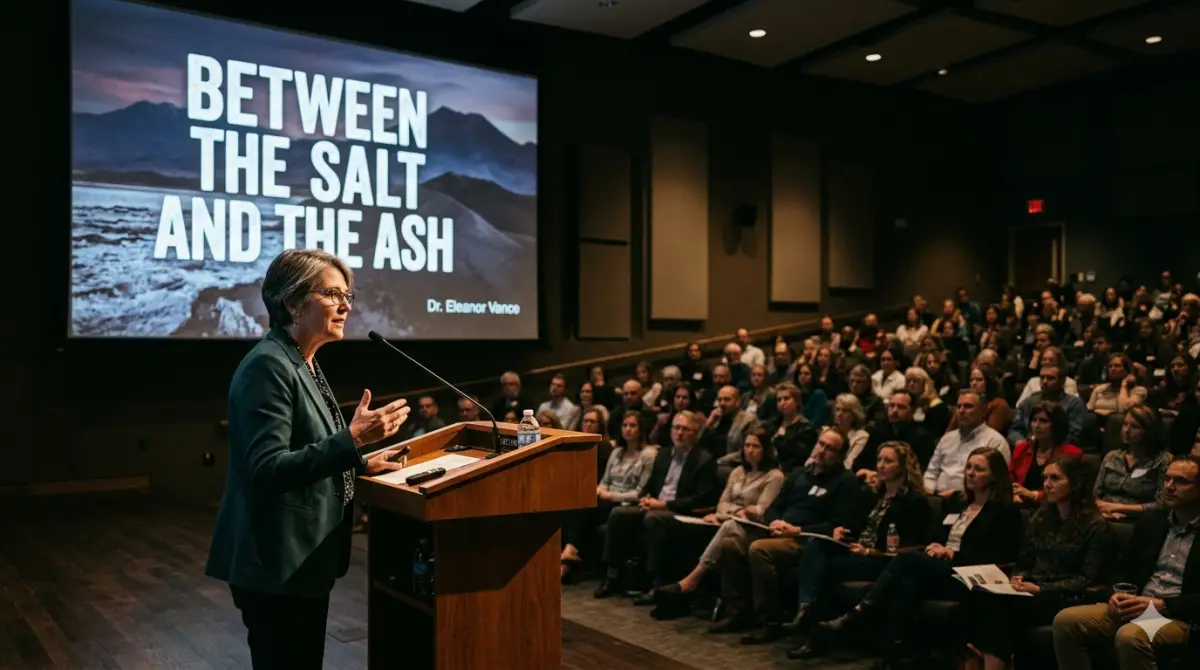
Between the Salt and the Ash Lecture
Newcastle University’s INSIGHTS Public Lectures series continues its tradition of bringing world-class thinkers to the local community with a special presentation by Jake Morris-Campbell. Titled "Between the Salt and the Ash: A New North East Pilgrimage," this lecture offers a deep dive into the cultural and geographical identity of the North East of England. Morris-Campbell, an acclaimed author and researcher, takes the audience on a journey through the landscapes that define the region, from the coastal salt marshes to the industrial heritage of the coal ash fields.
The lecture is more than just a geographical survey; it is an exploration of the "pilgrimages" we take through our own history and environment. By blending literature, history, and physical geography, the speaker examines how the physical scars of the industrial past have transformed into the cultural landmarks of today. This event is part of the Tyneside Geographical Society’s annual program, hosted in the prestigious Curtis Auditorium.
Public lectures at Newcastle University are designed to be accessible to everyone, requiring no prior technical knowledge of the subject. They provide a space for civil discourse and intellectual stimulation, allowing the public to engage with authors and academics in a Q&A format following the main presentation. For those interested in the heritage of the North East, local history, or the intersection of landscape and literature, this lecture promises to be a thought-provoking evening that recontextualizes the ground beneath our feet.
Curtis Auditorium, Herschel Building,
Newcastle upon Tyne
52
0
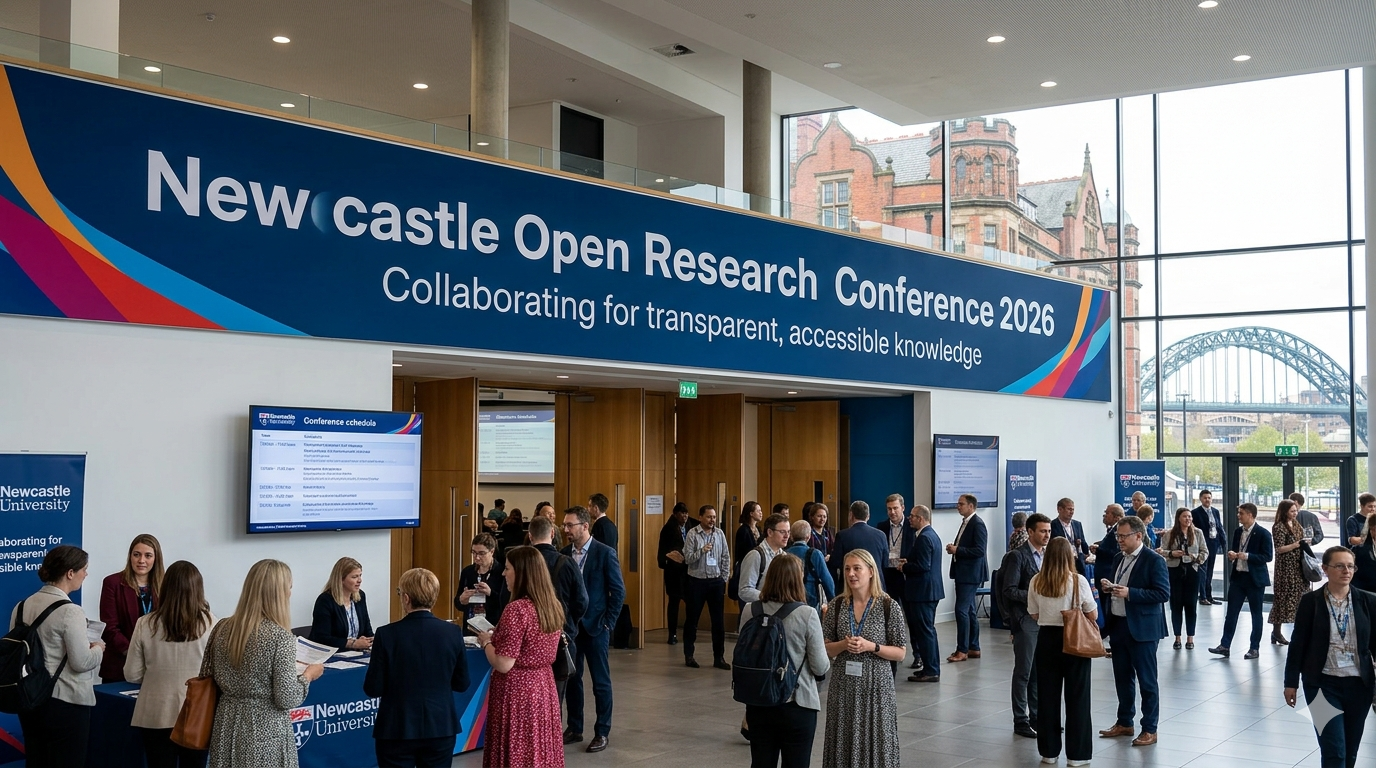
Jun 16, 2026
Newcastle Open Research Conference 2026
The Newcastle Open Research Conference is a specialized academic gathering focused on the evolution of transparency, reproducibility, and accessibility in modern research. Hosted by the Newcastle University Library Research Services, this conference brings together researchers, data scientists, and policymakers from across the UK to discuss the transition toward fully open academic ecosystems. The 2026 edition emphasizes the practical implementation of "Open Data" and "Open Access" protocols in the context of the upcoming REF 2029 requirements.
Participants will engage in high-level keynote sessions delivered by pioneers in the Open Research movement, followed by breakout workshops focusing on research data management and the ethical implications of AI in scholarly publishing. The event serves as a platform for sharing innovative case studies where open practices have led to increased citation impact and public engagement. With a focus on interdisciplinary collaboration, the conference aims to break down silos and foster a culture where knowledge is shared freely for the benefit of global society. It is a critical event for any academic looking to stay ahead of the curve in institutional compliance and research integrity.
Henry Daysh Building,
Newcastle upon Tyne
56
0
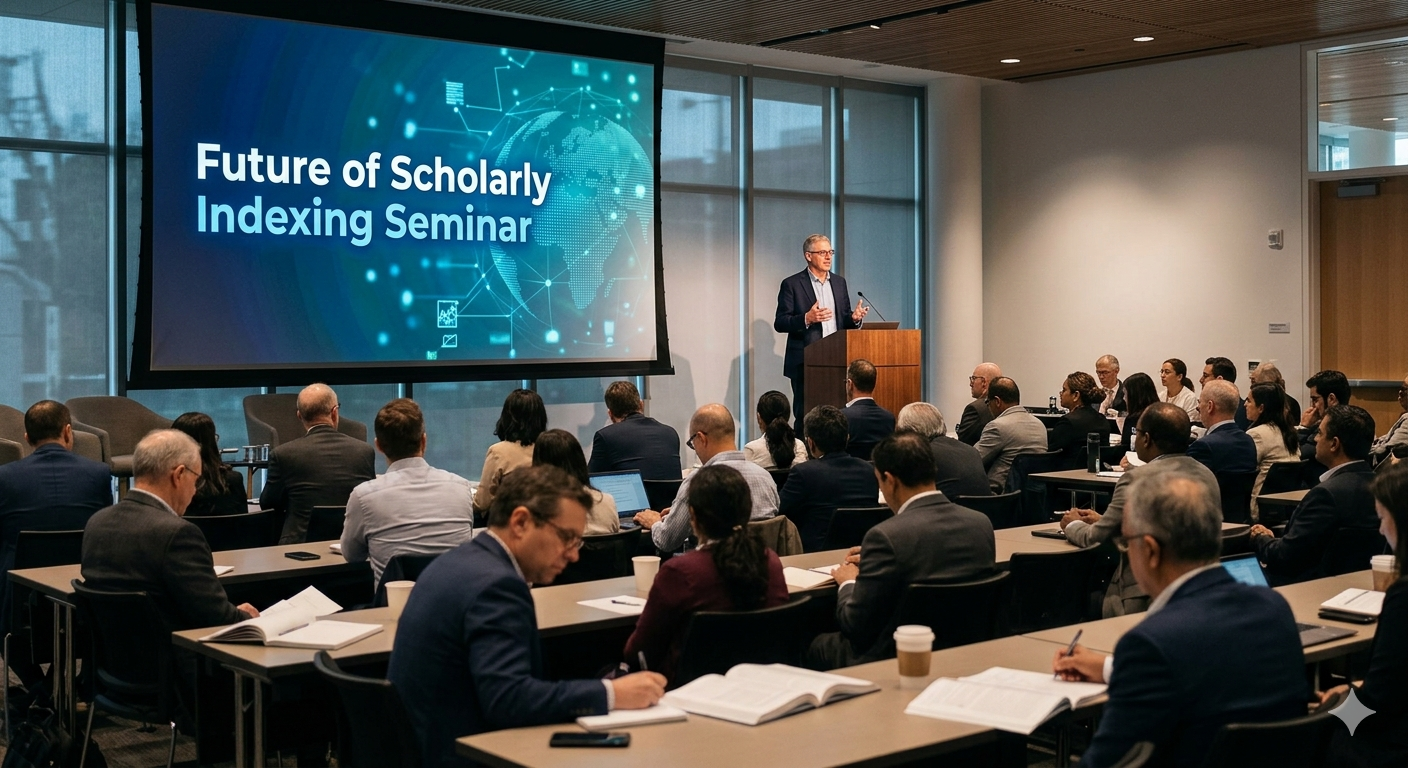
Future of Scholarly Indexing Seminar
The Society of Indexers is proud to present a specialized seminar in Sheffield focusing on the evolving landscape of scholarly and academic indexing. As academic publishing shifts toward Open Access and digital-first models, the requirements for precise, discoverable, and interoperable indexes have never been higher. This seminar addresses the specific needs of academic authors, university presses, and professional indexers who specialize in complex non-fiction and research-heavy texts.
The day will begin with a keynote address on the integration of AI-assisted indexing tools and how they can be balanced with human expertise to maintain high standards of scholarly rigor. This is followed by a panel discussion featuring local Sheffield academics and industry veterans who will discuss the impact of "linked data" on the visibility of academic research. The seminar emphasizes the importance of maintaining the integrity of an index as a tool for navigation and discovery in dense, multifaceted volumes.
Attendees will gain insights into the latest trends in e-book indexing and the challenges of creating dynamic indexes for interactive digital platforms. This event provides a unique forum for professionals to discuss the sustainability of the indexing profession in the face of rapid technological change. It also offers a platform for networking, allowing participants to share case studies, discuss troubleshooting for difficult texts, and form partnerships that extend beyond the seminar room. Whether you are a freelance professional or an institutional researcher, this seminar provides the tools needed to navigate the future of academic information management.
The Diamond (University of Sheffield),
Sheffield
57
0
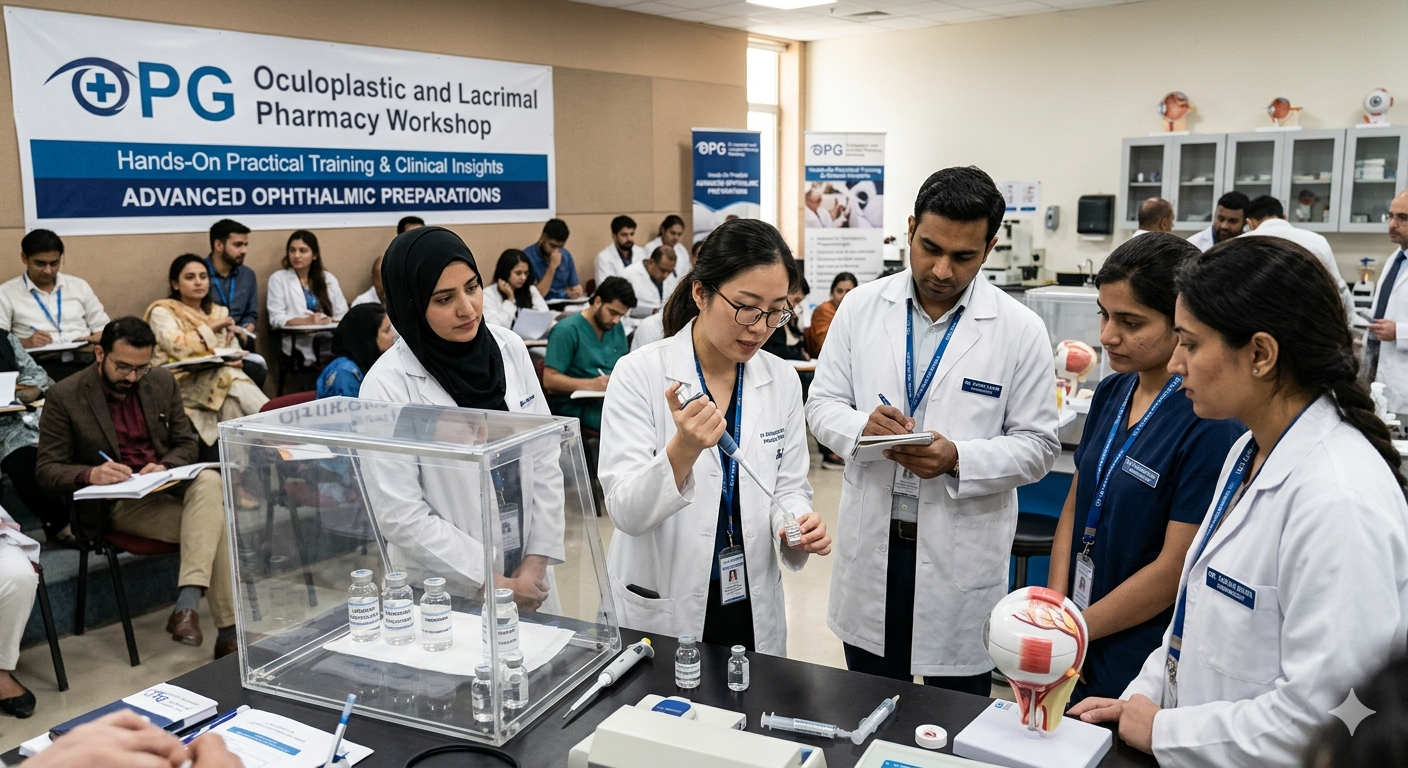
OPG Oculoplastic and Lacrimal Pharmacy Workshop
This specialized workshop, hosted by the Ophthalmic Pharmacy Group in collaboration with regional oculoplastic specialists, focuses on the pharmaceutical management of oculoplastic, lacrimal, and orbital conditions. For many pharmacy professionals, the nuances of post-surgical care in oculoplastics and the management of complex orbital inflammatory diseases can be daunting. This event aims to demystify these areas through focused educational sessions that cover everything from perioperative anticoagulation management to the use of immunosuppressants in thyroid eye disease.
The OPG Oculoplastic & Lacrimal Pharmacy Workshop is designed to be highly practical. It includes "hands-on" elements where delegates can examine the different types of lacrimal inserts, stents, and specialized dressings used in ocular surgery. Experts will lead discussions on the compounding of bespoke topical medications, such as preservative-free formulations and fortified antibiotics, which are often required for high-risk patients. The program also addresses the rising trend of aesthetic oculoplastics and the role of the pharmacist in ensuring the safety and efficacy of products used in these procedures.
A significant portion of the workshop is dedicated to the patient journey. From the initial consultation in a lacrimal clinic to the long-term follow-up of orbital surgery, the pharmacist's role in counseling patients on the correct administration of ocular medications is paramount. Attendees will learn how to troubleshoot common issues, such as poor compliance due to complex dosing schedules or side effects from systemic medications used for orbital conditions. By the end of the day, participants will have a comprehensive understanding of the specialized pharmaceutical needs of oculoplastic patients and be better equipped to provide high-quality care within their respective practice settings.
Memorial Hall, City Hall Sheffield,
Sheffield
52
0
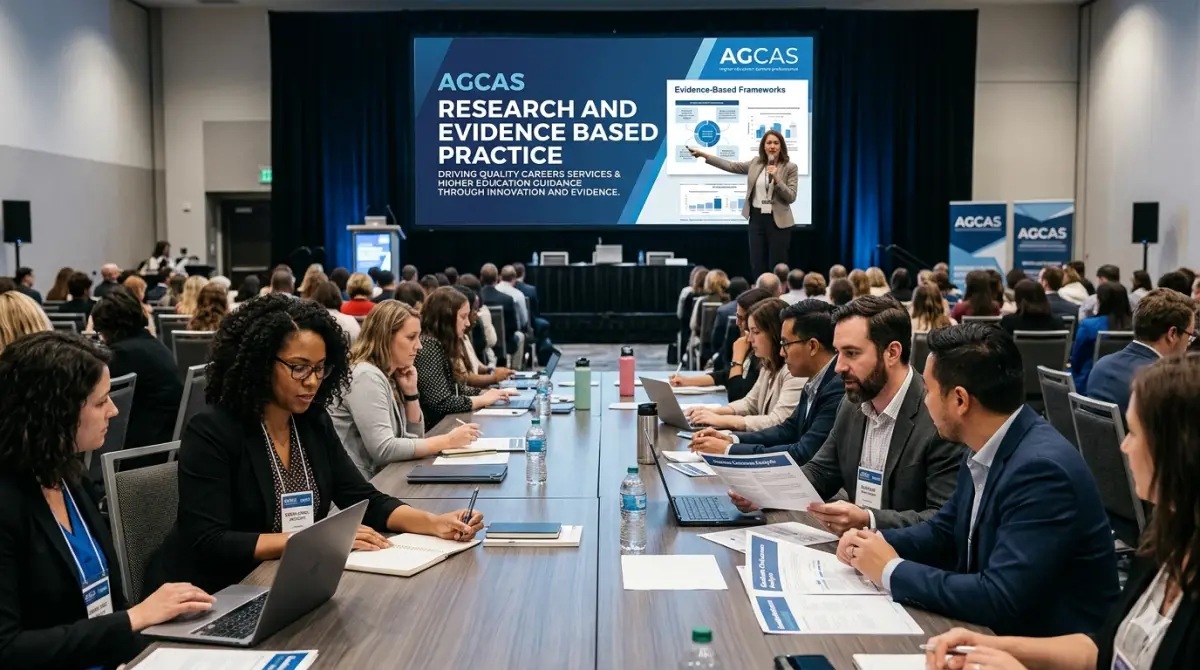
AGCAS Research and Evidence Based Practice
In an era where data is king, the AGCAS Research and Evidence-Based Practice Workshop provides careers professionals with the essential skills to turn raw student data into actionable insights. This intensive one-day session, held at the AGCAS headquarters in Sheffield, is designed for practitioners who wish to elevate their service delivery through rigorous academic research and statistical evidence. The workshop moves beyond basic reporting, teaching participants how to design internal research projects that can influence university-wide strategy.
The morning sessions will focus on "Qualitative vs. Quantitative Methodologies in Careers Research," helping attendees understand which tools are best suited for measuring student "career readiness" and "employability capital." We will explore how to use the AGCAS Research Reports as a benchmark for local service evaluation. In the afternoon, the focus shifts to practical application: participants will work in small groups to draft a research proposal based on their own institution’s data gaps. Expert facilitators from the AGCAS Research Committee will provide one-on-one feedback, ensuring every attendee leaves with a concrete plan for a project that could potentially be published in the Phoenix Journal.
Furthermore, the workshop addresses the "impact" agenda. How do we prove to university executives that career interventions work? By mastering the art of the evidence-based narrative, practitioners can better secure funding and resources for their departments. This event is a must for anyone looking to transition from a purely practitioner role to a practitioner-researcher, contributing to the wider body of knowledge in the graduate careers sector.
Pegasus House,
Sheffield
62
0
Apr 30 - May 01, 2026
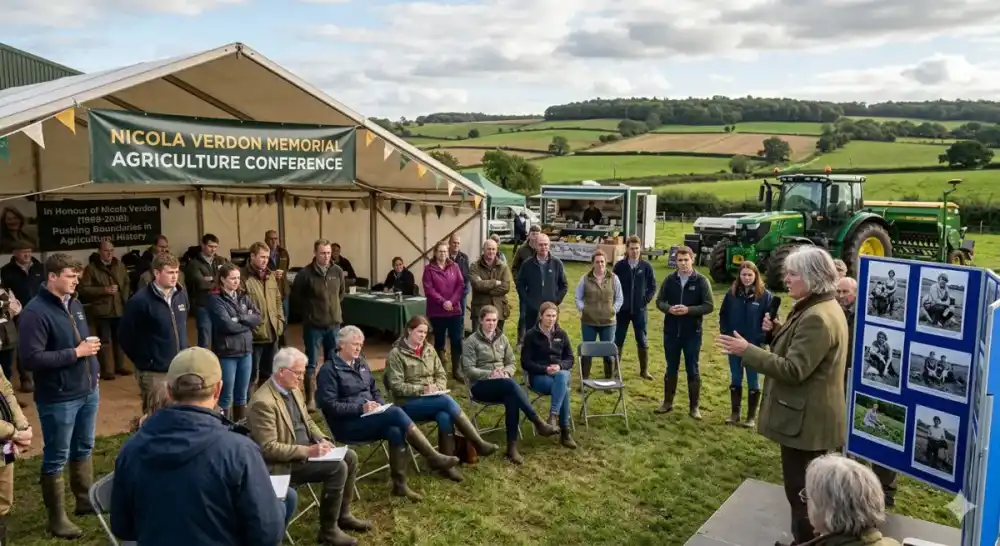
Nicola Verdon Memorial Agriculture Conference
The British Agricultural History Society (BAHS) presents a landmark two-day conference at Sheffield Hallam University to celebrate the pioneering work of the late Professor Nicola Verdon. This event brings together historians, researchers, and enthusiasts from across the UK to explore the rich complexities of rural life, agricultural labor, and the socio-economic history of the British countryside.
The conference serves as a deep dive into the evolution of agricultural practices and the lives of those who worked the land. The program is meticulously curated to cover topics such as female labor in the rural economy, land ownership transformations, and the impact of industrialization on agricultural communities. By hosting this event at Sheffield Hallam, the society honors Professor Verdon’s immense contribution to the field while providing a space for new research to flourish.
In addition to formal paper sessions, the event includes an Annual General Meeting and a series of panel discussions that encourage critical debate. The venue, located in the heart of Sheffield, provides easy access to local historical archives, making it an ideal location for this scholarly gathering. Whether you are an established academic or a local history enthusiast, this conference offers a unique opportunity to understand the agricultural foundations that shaped modern Britain. The event concludes with a special reception, fostering a community of practice among those dedicated to preserving and analyzing our rural heritage.
Sheffield Hallam University - Owen Building,
Sheffield
53
0
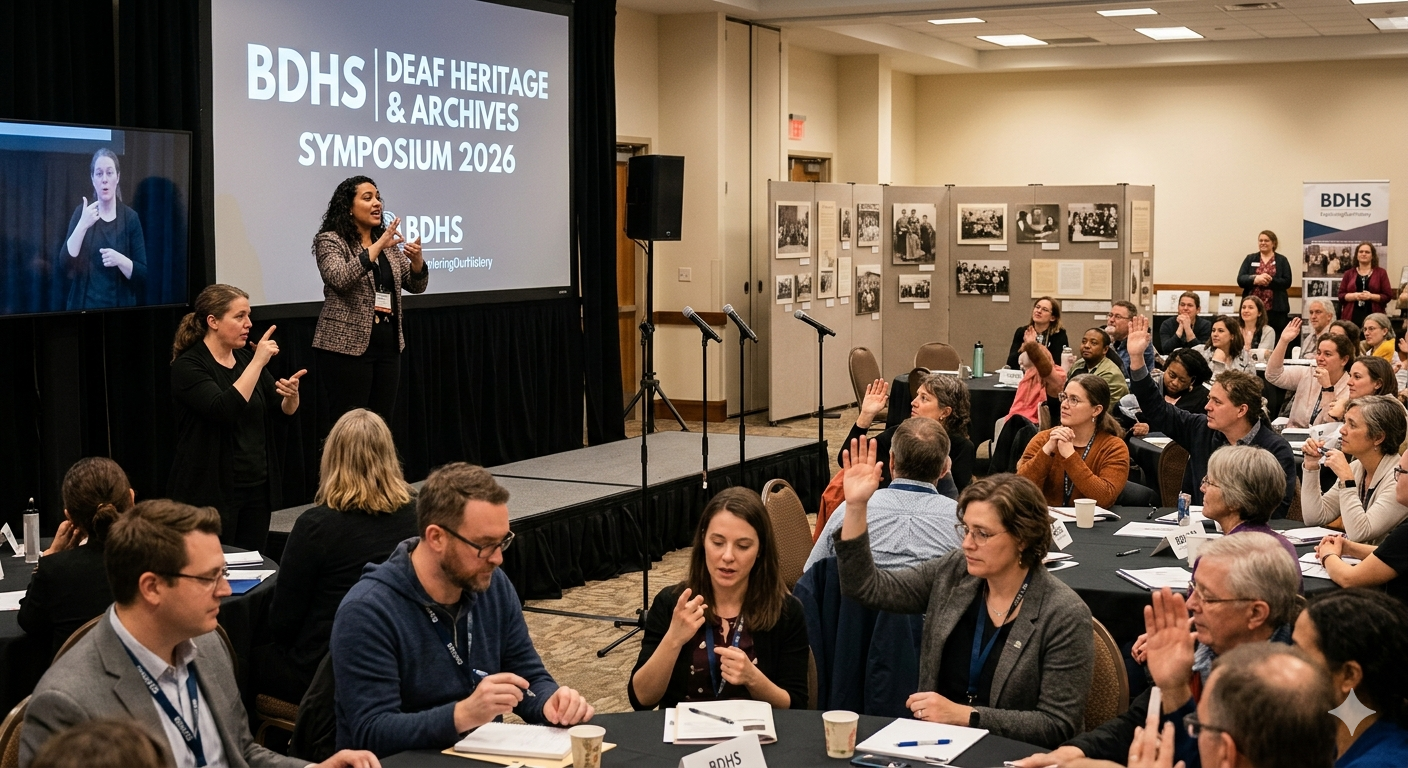
BDHS Deaf Heritage and Archives Symposium 2026
The British Deaf History Society (BDHS) invites you to a comprehensive day-long symposium dedicated to the preservation and celebration of Deaf heritage within the United Kingdom. As an organization deeply rooted in the meticulous curation of historical records, the BDHS is hosting this professional gathering in Warrington to bridge the gap between academic research and community storytelling. This event serves as a pivotal platform for historians, researchers, and community members to explore the untold narratives of the British Deaf community.
The symposium will feature a keynote presentation focusing on the evolution of British Sign Language (BSL) and the social structures of Deaf clubs through the 19th and 20th centuries. Participants will have the rare opportunity to engage with physical artifacts transported from the BDHS Deaf Heritage Centre, including historical photographs, rare publications, and correspondence that define the socio-political history of Deaf individuals in Britain.
A significant portion of the day is dedicated to "The Future of the Archive," a strategic workshop where attendees can learn technical skills related to digitizing personal collections and maintaining oral histories through video documentation. This is not merely a lecture series but an interactive forum designed to empower the community to take ownership of their own history.
Expert-led panels will discuss the importance of inclusivity in public museums and how the BDHS is working with national partners to ensure Deaf history is recognized within the broader British historical landscape. The event is fully accessible, with BSL interpreters and speech-to-text reporting provided throughout all sessions. Whether you are a professional archivist or a passionate local historian, this symposium offers a unique environment to connect with peers, share research findings, and contribute to the ongoing legacy of the BDHS. Join us in Warrington for a day of discovery, networking, and profound historical insight.
Warrington Deaf Society,
Warrington
101
0
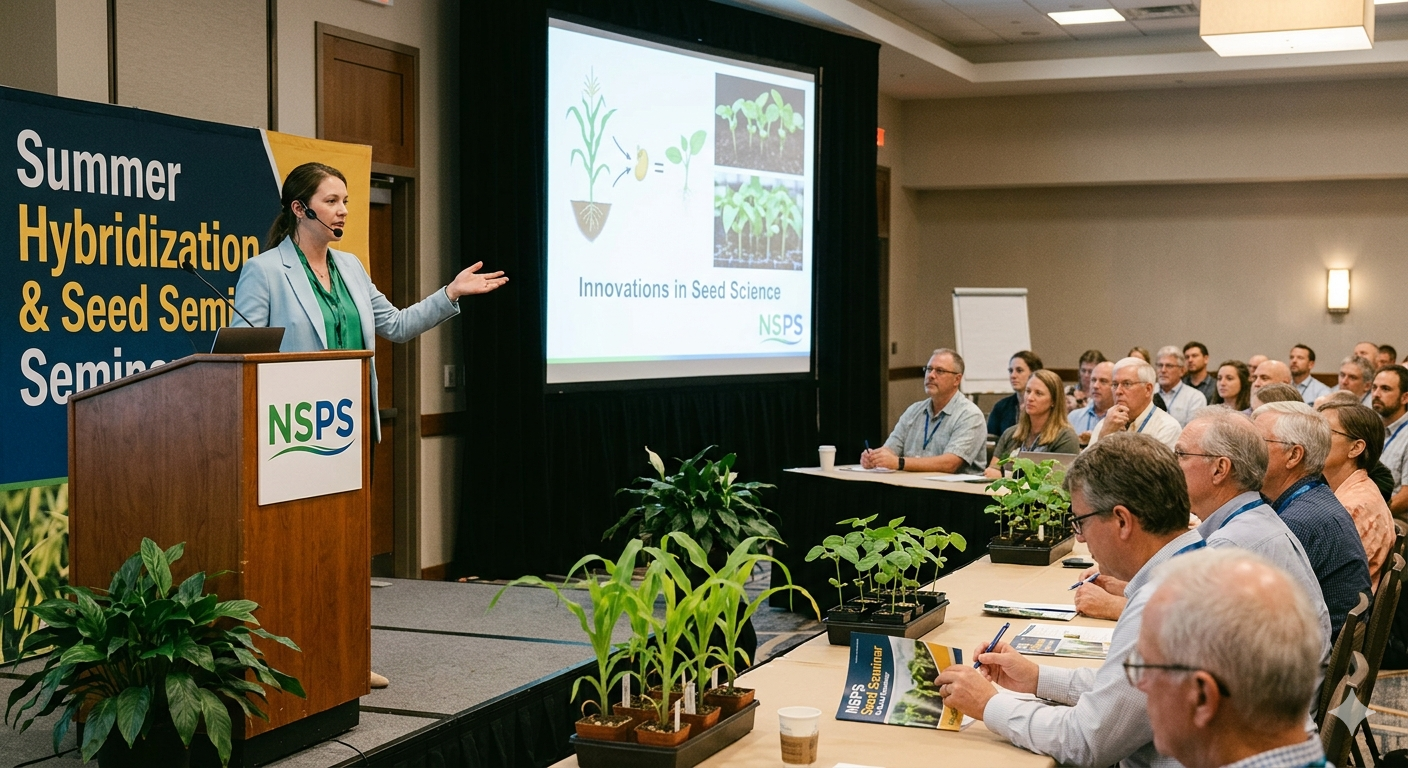
NSPS Summer Hybridization and Seed Seminar
Deepen your botanical knowledge at the NSPS Summer Cultivation & Hybridization Seminar, a specialized technical event hosted in collaboration with the University of Huddersfield. While the flower shows focus on the aesthetic beauty of the bloom, this seminar dives into the science behind the scent. This intensive one-day event is designed for those who wish to move beyond basic gardening and into the realm of plant breeding and advanced horticultural techniques.
The 2026 seminar features a series of lectures by renowned hybridizers who have developed some of the most successful commercial sweet pea varieties. Topics include the genetics of color inheritance, the specific nitrogen requirements of Lathyrus odoratus, and modern biological pest control methods. A significant portion of the day is dedicated to a "Hands-on Hybridization Lab," where participants will learn the delicate art of hand-pollination, including how to select parent plants and manage seed pods for maximum viability.
In addition to the scientific sessions, the seminar includes a networking lunch where members can discuss the 2026 growing season's challenges—such as fluctuating northern temperatures—and share tips on "Autumn Sowing" for 2027. The University’s research staff will also present a short session on the history of the sweet pea in British culture and its evolution since Henry Eckford’s breakthroughs in the 19th century. This event is a must-attend for anyone serious about the technical aspects of sweet pea growing, providing a rare opportunity to learn directly from the pioneers of the society in an academic setting.
University of Huddersfield,
Huddersfield
61
0
Share This Page
My Page
Scan QR to open
Barcode