
Events by Royal Microscopical Society RMS
Explore 5 premium experiences by Royal Microscopical Society RMS
Promoted
List Your Next Big Event
Reach millions of attendees by showcasing your conferences, workshops, or exhibitions on the world's most trusted event platform.
Create Your Event Now
FEATURED

Oct 01, 2026
RECOUP Plastics Assembly 2026
The RECOUP Plastics Assembly stands as the UK’s premier national gathering for stakeholders across the entire plastics value chain. Taking place in Peterborough, this landmark conference brings together cross-sector leaders, environmental experts, manufacturers, retailers, and policymakers to address the regulatory, environmental, and commercial pressures shaping the future of plastic materials. As global standards for resource efficiency tighten and carbon reduction goals become paramount, establishing a truly circular framework for plastics is essential. The assembly provides an authoritative platform for open dialogue, knowledge exchange, and practical problem-solving. Attendees will gain direct insight into emerging legislative frameworks, technological breakthroughs, and system-wide strategies designed to transform waste into valuable resource streams while protecting local and global ecosystems.
Innovations in Circular Product Design and Materials
A core focus of the conference revolves around designing plastic products with end-of-life recovery in mind. Morning breakout sessions explore how complex packaging, multi-layer polymers, and consumer products can be re-engineered for effortless recycling, repair, and reuse. Industry specialists and material innovators showcase next-generation bio-based plastics, advanced composites, and alternative sustainable materials that maintain real-world performance without compromising environmental integrity. Presentations highlight practical design-for-recyclability guidelines, chemical recycling advancements, and closed-loop manufacturing models. By bridging the gap between polymer science and commercial production, delegates learn how to overcome technical barriers, optimize material recovery rates, and eliminate hard-to-recycle plastics from their supply chains.
Strengthening Recycling Infrastructure and Collection Systems
Achieving true circularity requires robust, scalable collection and sorting infrastructure capable of processing high volumes of plastic waste. Specialist panels examine current gaps in regional recycling networks, municipal collection frameworks, and Material Recovery Facility (MRF) technologies. Discussions focus on the strategic capital investments, automated sorting innovations, and artificial intelligence integration needed to increase throughput and purity levels. Speakers also address the systemic challenges of illegal waste crime, plastic leakage, and environmental pollution, outlining coordinated enforcement mechanisms and preventive actions. Delegates explore how public-private partnerships, infrastructure funding schemes, and standardized collection policies can unlock significant progress across urban and rural communities alike.
Navigating Policy, Extended Producer Responsibility, and Behavior Change
The evolving regulatory landscape is reshaping business obligations across the packaging and manufacturing sectors. Keynote presentations breakdown upcoming government strategies, Extended Producer Responsibility (EPR) mandates, and deposit return schemes (DRS). Expert panels deliberate on who holds ultimate responsibility for driving sustainable behavior across the supply chain—from brands and retailers to consumers and local authorities. Sessions analyze clear, honest consumer communication strategies that foster responsible disposal habits and build consumer trust. By offering clear policy interpretations and practical compliance pathways, the conference empowers organizations to align their long-term operational strategies with current and upcoming environmental legislation.
Interactive Showcases and Cross-Sector Collaboration
Beyond traditional presentations, the assembly features the interactive Innovation Room, a dedicated space where pioneering startups, university researchers, and technology providers showcase cutting-edge recycling solutions. Delegates can examine live material samples, explore experimental sorting software, and evaluate novel chemical processing techniques. Dedicated networking lunches and structured collaborative sessions encourage deep discussions between normally siloed sectors. Whether establishing commercial partnerships, exploring joint venture research projects, or sharing best practices, participants leave Peterborough equipped with actionable frameworks and high-value industry connections to accelerate systemic change across the global plastics ecosystem.
Holiday Inn Peterborough - West,
Peterborough
12
0
FEATURED
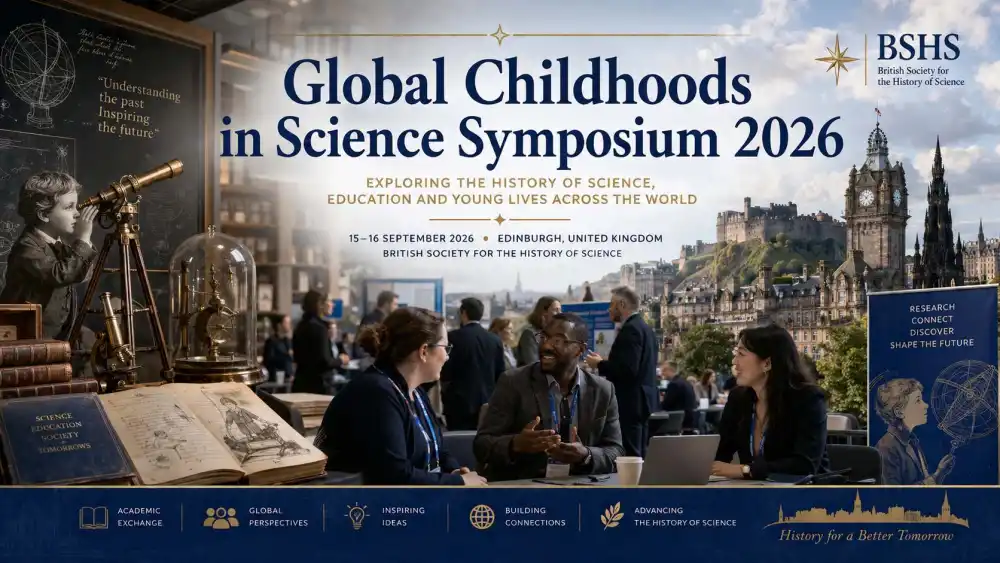
Sep 15 - 16, 2026
Global Childhoods in Science Symposium
The Global Childhoods in Science Symposium 2026 is a premier academic conference that brings together historians, researchers, educators, museum professionals, archivists, postgraduate students, and science communication experts to explore the historical relationship between childhood and science across different cultures and time periods. Supported by the British Society for the History of Science (BSHS), this symposium provides a collaborative platform for sharing groundbreaking research, encouraging interdisciplinary discussions, and building international academic partnerships.
Held in Edinburgh, one of the United Kingdom's leading centres for education and historical research, the symposium offers participants an inspiring environment to discuss how science, technology, medicine, and education have influenced childhood experiences throughout history.
The symposium focuses on understanding how children have participated in, experienced, and contributed to scientific knowledge over centuries. Researchers from diverse disciplines will present original studies that examine childhood education, scientific institutions, museums, public engagement, colonial science, medical history, and technological innovation.
Attendees will have the opportunity to engage with internationally recognised scholars while discovering new perspectives on historical research methodologies and interdisciplinary collaboration.
Why Attend This Event?
Participating in the Global Childhoods in Science Symposium provides numerous professional and academic benefits. The event offers access to high-quality research presentations, networking opportunities, and collaborative discussions designed to inspire future research projects.
Whether you are an established academic or an early-career researcher, the symposium creates valuable opportunities to exchange ideas with experts from universities, museums, archives, and cultural organisations from around the world.
Key Themes
The symposium explores several important themes within the history of science, including:
Childhood and scientific education
History of medicine and public health
Museums and science communication
Colonial science and global knowledge exchange
Scientific instruments and material culture
Gender and childhood in science
Environmental history
Digital humanities and historical archives
Technology and innovation
Public engagement with science
These themes encourage interdisciplinary discussions that connect historical research with modern educational and scientific challenges.
Inspiring Keynote Presentations
The conference features keynote speakers who are internationally recognised experts in the history of science and medicine. Their presentations will provide valuable insights into current research trends, emerging historical perspectives, and future opportunities for collaborative scholarship.
Keynote lectures are designed to stimulate discussion while inspiring attendees to develop innovative research ideas within their own areas of expertise.
Research Paper Sessions
Throughout the symposium, participants will attend multiple parallel sessions featuring peer-reviewed research papers presented by scholars from universities and research institutions worldwide.
Topics include:
Scientific education in different historical periods
Childhood and medical history
Scientific publishing
Museum collections
Historical archives
History of technology
Science communication
Global scientific networks
Educational reforms
Cultural history of science
Each session concludes with audience questions and scholarly discussion, encouraging constructive academic dialogue.
Interactive Panel Discussions
Expert panel discussions allow delegates to hear diverse perspectives on contemporary historical research. These conversations examine methodological challenges, interdisciplinary collaboration, funding opportunities, and future research priorities.
Audience participation is encouraged, creating engaging discussions between experienced academics and early-career researchers.
Networking Opportunities
Networking is one of the most valuable aspects of the symposium.
Delegates will have opportunities to connect during:
Registration sessions
Coffee breaks
Lunch meetings
Evening receptions
Informal discussion groups
Collaborative workshops
These networking sessions often lead to research partnerships, journal publications, conference collaborations, grant applications, and international academic projects.
Professional Development
The symposium supports professional growth through workshops covering:
Academic publishing
Research funding
Grant writing
Digital humanities
Archive management
Museum interpretation
Public engagement
Science communication
Participants gain practical knowledge that strengthens both research and career development.
Opportunities for Early Career Researchers
Special sessions are designed for postgraduate students and early-career academics.
These include:
Poster presentations
Research feedback sessions
Career advice
Publishing guidance
Networking with senior scholars
Funding information
Collaborative project discussions
The symposium provides an excellent environment for emerging researchers to build confidence and establish professional connections.
Museum and Archive Perspectives
Museums and archives play an essential role in preserving scientific heritage.
Experts from cultural institutions will discuss:
Collection management
Exhibition development
Digital archives
Historical preservation
Public education
Community engagement
Participants will learn how historical collections continue to support research and public understanding of science.
International Collaboration
The symposium welcomes delegates from across Europe, North America, Asia, Australia, and other regions.
International participation enriches discussions by introducing different historical perspectives, research methodologies, and collaborative opportunities.
Cross-border partnerships remain one of the conference's greatest strengths.
Benefits of Attending
Attendees will benefit from:
Learning from leading historians
Presenting original research
Receiving expert feedback
Building professional networks
Discovering funding opportunities
Exploring interdisciplinary research
Meeting international scholars
Improving presentation skills
Developing publication opportunities
Enhancing career prospects
Who Should Attend?
This symposium is ideal for:
Historians
Academic researchers
University lecturers
Postgraduate students
Museum professionals
Archivists
Librarians
Science communicators
Heritage specialists
Education researchers
Professionals from interdisciplinary backgrounds will also find valuable insights throughout the programme.
Venue Experience
Edinburgh offers an exceptional setting for academic events, combining historic architecture with world-class educational institutions.
Participants can explore:
Museums
Historic libraries
Scientific collections
Cultural attractions
University campuses
Heritage sites
The city's academic atmosphere enhances the overall conference experience.
Why the British Society for the History of Science?
The British Society for the History of Science has supported historical research for decades through conferences, publications, grants, workshops, and educational initiatives.
Its commitment to promoting excellence in the history of science makes this symposium an outstanding opportunity for scholars seeking meaningful academic engagement and professional development.
Final Thoughts
The Global Childhoods in Science Symposium 2026 offers a unique opportunity to explore innovative historical research while connecting with an international community of scholars. Through keynote lectures, research presentations, panel discussions, networking sessions, and professional development workshops, attendees will gain valuable knowledge, establish lasting collaborations, and contribute to the continued advancement of the history of science.
Whether you are presenting original research, seeking academic partnerships, or expanding your understanding of historical scholarship, this symposium provides an inspiring environment where ideas, discoveries, and collaborations shape the future of research in the history of science.
Edinburgh Futures Institute,
Norwich
40
0
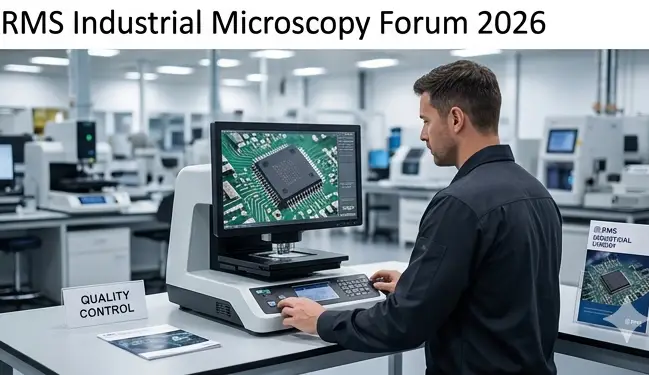
Nov 12 - 13, 2026
RMS Industrial Microscopy Forum 2026
The RMS Industrial Microscopy Forum is a dedicated event designed to address the specific needs of microscopists working within commercial and industrial sectors. Hosted in Manchester, a city at the heart of the UK's industrial innovation, this forum focuses on the application of imaging technologies in quality control, materials characterization, and pharmaceutical development. Unlike purely academic conferences, the Industrial Forum prioritizes throughput, standardization, and the integration of microscopy into automated production workflows.
The forum features presentations from industry giants and innovative SMEs, detailing how they utilize microscopy to solve real-world engineering problems and ensure product safety. Topics include the use of SEM for failure analysis, the role of Raman spectroscopy in chemical identification, and the increasing use of AI-driven image analysis to speed up manufacturing inspections. The event provides a rare space for industrial microscopists to discuss common challenges such as regulatory compliance, equipment ROI, and staff training in a commercial environment.
In addition to technical talks, there is a small, focused exhibition featuring vendors who specialize in industrial-grade imaging solutions. This allows attendees to see demonstrations of robust, high-throughput systems designed for the factory floor rather than just the research lab. The RMS aims to bridge the gap between academic innovation and industrial application, and this forum serves as the primary vehicle for that mission. Participants will leave with a better understanding of how the latest microscopy trends can be translated into tangible business benefits, making it an essential event for any company relying on high-resolution analysis.
Manchester Conference Centre,
Manchester
85
0
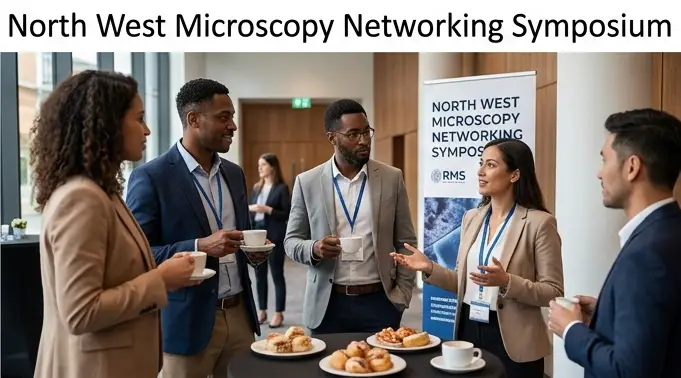
Sep 22, 2026
North West Microscopy Networking Symposium
The North West Microscopy Networking Symposium is a specialized one-day event organized by the Royal Microscopical Society to strengthen the regional community of microscopists in and around Manchester. While larger congresses offer a broad overview, this symposium is tailored to foster local collaborations and share resources between the many high-caliber universities and industrial research hubs in the North West. The program features "flash talks" from local researchers, providing a platform for rapid knowledge exchange and the highlighting of regional expertise.
The day is structured to maximize interaction, with extended coffee breaks and a dedicated networking lunch. Discussions will focus on shared facility access, regional funding opportunities, and the development of a microscopy talent pipeline in the North of England. The RMS recognizes the importance of regional hubs in the national scientific landscape, and this event serves as a vital touchpoint for those who may not be able to attend week-long international conferences.
Keynote speakers will address the future of microscopy in the UK, with a specific focus on the industrial applications of imaging in Manchester's burgeoning biotech and materials sectors. The event is hosted at a central Manchester venue to ensure easy access for professionals from Liverpool, Leeds, and Sheffield. It is a unique opportunity for junior researchers to meet regional leaders in an informal but professional setting, potentially leading to mentorships and collaborative research grants. The symposium concludes with a drinks reception, allowing for continued discussion and the cementing of professional relationships in a relaxed atmosphere.
The Edwardian Manchester,
Manchester
74
0
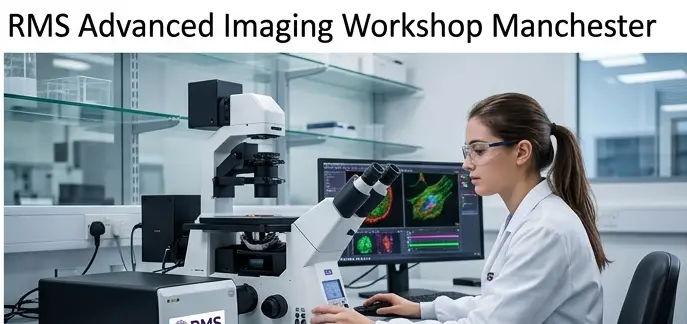
RMS Advanced Imaging Workshop Manchester
This intensive Advanced Imaging Workshop, hosted by the Royal Microscopical Society in collaboration with the University of Manchester, focuses on the high-end application of light microscopy in biological research. The curriculum is designed to bridge the gap between basic imaging and complex, high-resolution data acquisition. Participants will engage in a series of lectures and hands-on practical sessions utilizing the state-of-the-art facilities available in the Manchester imaging suites.
The workshop covers critical topics such as confocal microscopy, multi-photon imaging, and the emerging field of expansion microscopy. A significant portion of the time is dedicated to image processing and quantitative analysis, ensuring that attendees not only capture high-quality images but also extract meaningful scientific data from them. The RMS brings in expert tutors from across the UK to provide personalized guidance, making this an ideal training ground for researchers who need to push the boundaries of their current imaging capabilities.
In addition to technical training, the workshop fosters a collaborative environment where participants can discuss specific research hurdles with experts. The small group format ensures that every attendee receives hands-on time with the instruments, moving beyond theoretical knowledge into practical proficiency. This event is a staple for those in the North West of England looking to refine their skills without the need for extensive travel. By the end of the course, participants will have a comprehensive understanding of how to optimize their imaging workflows for maximum scientific impact, from sample preparation to final publication-quality figures.
University of Manchester Bioimaging Facility,
Manchester
78
0
Jul 06 - 09, 2026
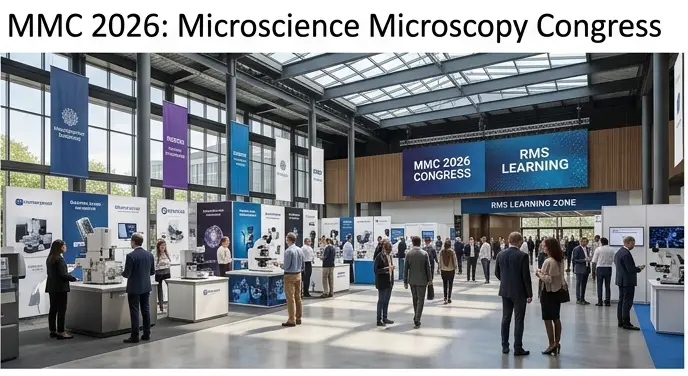
MMC 2026 Microscience Microscopy Congress
The Microscience Microscopy Congress (MMC) is the flagship event of the Royal Microscopical Society, returning to the Manchester Central Convention Centre in 2026. This prestigious gathering serves as the premier hub for the global microscopy community, bringing together researchers, technicians, and industry leaders to explore the latest advancements in imaging technology. The congress features a massive exhibition space where the world's leading manufacturers showcase cutting-edge electron, light, and scanning probe microscopes.
Attendees can expect a rigorous scientific program covering a diverse range of topics, from life sciences and materials science to the physical sciences. The event incorporates specialized symposia and workshops designed to provide deep dives into specific imaging modalities and data analysis techniques. Beyond the technical sessions, MMC 2026 offers unparalleled networking opportunities, including poster sessions where early-career researchers can present their work and engage with senior experts in the field. The congress also hosts the RMS Learning Zone, an educational area dedicated to providing free advice and hands-on demonstrations for those looking to improve their microscopy skills.
Whether you are looking to purchase new equipment, learn about the newest super-resolution techniques, or collaborate on international research projects, MMC 2026 provides the ideal environment. The event emphasizes innovation and the practical application of microscopy in solving complex global challenges. Manchester, with its rich scientific heritage and central location, provides the perfect backdrop for this large-scale international conference, ensuring high attendance and a vibrant atmosphere throughout the week.
Manchester Central Convention Centre,
Manchester
91
0
Mar 31 - Apr 01, 2026
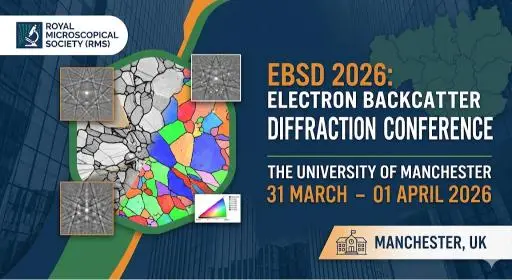
EBSD 2026: Electron Backscatter Diffraction Conference
The Royal Microscopical Society (RMS) is proud to present EBSD 2026, a premier scientific meeting dedicated to the technique of Electron Backscatter Diffraction (EBSD) and its applications across materials science, geology, and engineering. Held at the University of Manchester—a hub of pioneering research—this conference serves as the essential gathering point for the EBSD community in the UK and internationally.
EBSD has become a cornerstone of microstructural characterization, providing critical data on crystallographic orientation, phase identification, and strain. This upcoming event will explore the latest innovations in the field, including high-resolution EBSD, 3D characterization, and the integration of EBSD with other analytical techniques like EDS and TKD (Transmission Kikuchi Diffraction).
The program is meticulously curated to balance academic rigor with industrial relevance. Attendees can expect a series of invited talks from world-renowned experts, contributed oral presentations, and a vibrant poster session. For early-career researchers and students, EBSD 2026 offers an unparalleled opportunity to showcase their work, receive feedback from veterans in the field, and build a professional network.
Beyond the lecture theater, the event features a dedicated technical exhibition. Leading manufacturers and service providers will showcase the latest hardware and software developments, allowing delegates to experience hands-on demonstrations of the newest detectors and data processing suites. The conference also emphasizes the importance of data analysis and "big data" management, addressing the challenges of processing the vast amounts of information generated by modern high-speed detectors.
Join the RMS in Manchester to discuss the future of diffraction, solve complex microstructural problems, and collaborate on the next generation of microscopy research.
The University of Manchester,
London
187
0
- Prev
- 1
- Next
Share This Page
My Page
Scan QR to open
Barcode