
Discover All Events
Explore 236 premium experiences in all locations
FEATURED

Sep 07 - 10, 2027
DSEI UK 2027
DSEI UK 2027 is scheduled to take place from 7 to 10 September 2027 at ExCeL London, bringing together leading organisations from the global defence, aerospace, security and advanced manufacturing sectors. The event is positioned as a major platform for defence industry collaboration, technology discovery, procurement engagement and professional networking. Its broad scope makes it particularly relevant to engineering companies working on systems that support aircraft, military vehicles, electronic equipment and other high-performance defence applications.
For a specialist engineering organisation such as Hutchinson Stop-Choc, the event represents a highly relevant industry environment. Hutchinson Stop-Choc specialises in anti-vibration mounts, shock mounts, avionics racking, illuminated control panels and display systems, with solutions designed for demanding aerospace, defence and industrial applications. The company also supports customers with design, testing, repair and customised engineering capabilities.
A Strategic Meeting Point for the Global Defence Industry
DSEI UK 2027 is designed to connect defence organisations, governments, military representatives, procurement authorities, manufacturers, engineers and technology providers. The official event information highlights its international reach, with more than 1,600 exhibitors, 45,000+ attendees, representatives from more than 90 countries and thousands of VIP and government delegates expected across the event ecosystem.
This scale creates an environment where specialist technology providers can engage with decision-makers who influence the design, manufacture, maintenance and procurement of defence systems. For companies involved in advanced components and engineering systems, such events are valuable because purchasing decisions in aerospace and defence often depend on long-term technical performance, certification, reliability and supply-chain capability.
The event also supports connections across multiple areas of the defence sector. Its zones cover areas including aerospace, land, manufacturing and other defence domains, allowing attendees to explore solutions that support both traditional and emerging military capabilities.
Why the Event Is Relevant to Hutchinson Stop-Choc
Hutchinson Stop-Choc has established expertise in technologies that help protect sensitive equipment from vibration, shock and structure-borne noise. In aerospace and defence environments, vibration isolation is a critical engineering requirement because sensitive electronics, avionics and other equipment may be exposed to continuous vibration, sudden impact or severe operating conditions.
The company's product portfolio includes anti-vibration mounts and shock mounts designed to reduce the damaging effects of vibration and shock. It also provides avionics racking and illuminated control panels and displays, including solutions compatible with night vision applications. These capabilities align closely with the requirements of modern aircraft and defence platforms.
The defence sector increasingly requires components that combine lightweight construction, durability, reliability and regulatory compliance. Aircraft and military platforms must operate in challenging environments while maintaining the performance of critical equipment. Engineering solutions that improve equipment protection and system reliability can therefore contribute to improved operational performance and longer service life.
DSEI UK 2027 offers a relevant setting for discussing these engineering priorities with defence manufacturers, aerospace companies, system integrators, government procurement teams and technical specialists.
Aerospace Engineering and Advanced Defence Technology
The aerospace zone at DSEI UK provides a platform for organisations involved in aircraft technology, defence aviation and aerospace supply chains. The official event description identifies aerospace as one of the key areas represented at the exhibition.
Aircraft systems must meet demanding standards for safety, performance and reliability. Vibration and shock management are particularly important because excessive vibration can affect sensitive electronics, avionics and structural components. Proper isolation systems can help protect equipment and support the reliable operation of systems in demanding conditions.
Hutchinson Stop-Choc's aerospace and defence capabilities include solutions for fixed-wing aircraft, rotary-wing aircraft and military vehicles. The company states that its systems are used to protect sensitive electronics and avionics from vibration and emergency events, while its lightweight avionics racking helps secure line-replaceable units within aircraft environments.
The company's technical capabilities also extend to illuminated control panels, display systems and cockpit-related components. This makes an event focused on defence and aerospace technology an appropriate environment for exploring potential technical collaborations and supply-chain relationships.
Manufacturing Innovation and Industrial Collaboration
Manufacturing is another important area of DSEI UK 2027. The event's manufacturing zone focuses on technologies and developments that support the production of defence equipment. This is particularly relevant to companies that combine engineering design, material expertise, testing and manufacturing capabilities.
Modern defence manufacturing increasingly depends on integrated supply chains. Customers often require suppliers to provide more than individual components. They may seek technical design support, prototyping, testing, certification, repair, modification and long-term product support.
Hutchinson Stop-Choc offers a broad technical approach, including rapid prototyping, in-house testing and analysis, custom design capabilities and engineering support. Its engineers work with customers to identify appropriate vibration isolation solutions for specific applications.
An exhibition such as DSEI UK can help businesses communicate this wider value proposition to potential partners and customers. Face-to-face discussions can provide opportunities to understand technical challenges, assess new requirements and identify where specialist engineering solutions could contribute to future defence programmes.
Networking With Defence Decision-Makers
One of the key strengths of DSEI UK is its focus on professional networking. The event attracts government representatives, military personnel, procurement specialists, defence companies and international delegations. This creates opportunities for businesses to develop relationships throughout the defence ecosystem.
For engineering suppliers, networking can be especially important because defence programmes often involve long development and procurement cycles. A conversation at an industry exhibition may lead to future technical discussions, supplier evaluations or collaborative opportunities.
Potential conversations may cover topics such as vibration protection, equipment mounting, avionics integration, aircraft maintenance, repair and overhaul, control panel design, manufacturing capability and supply-chain resilience.
Hutchinson Stop-Choc's position within the wider Hutchinson group also provides access to broader technical capabilities. The company operates as the UK arm of Hutchinson Aerospace Services and supports a range of aerospace maintenance, repair and overhaul capabilities, including vibration isolation systems, avionics racking repairs, cockpit instrument refurbishment and other aerospace services.
Supporting the Future of Defence Supply Chains
Defence customers increasingly focus on resilient supply chains, reliable manufacturing and long-term technical support. The ability to design, manufacture, test and maintain components can be an important advantage for suppliers operating in aerospace and defence markets.
Hutchinson Stop-Choc has highlighted its experience in design, manufacturing, testing and repair. Its certifications and approvals are also important indicators of its ability to work within demanding quality and aerospace environments. The company states that it operates in accordance with recognised quality and aerospace standards, including AS9100D and ISO 9001:2015 requirements.
At DSEI UK 2027, supply-chain discussions may focus on how specialist suppliers can support defence manufacturers throughout the product lifecycle. This includes early-stage design, prototype development, production, maintenance and repair.
For customers, the ability to engage with technically capable suppliers can help identify solutions that are reliable, scalable and suitable for demanding operational environments.
The Importance of Shock and Vibration Protection
Shock and vibration protection is essential across many defence applications. Military vehicles, aircraft, electronic systems and equipment platforms can experience mechanical stress during operation, transport and emergency situations.
If sensitive equipment is not properly protected, vibration can contribute to premature wear, performance issues and component failure. Shock protection can also be essential when systems are exposed to sudden impact or severe operating conditions.
Anti-vibration mounts and shock mounts are designed to help control these mechanical forces. Depending on the application, solutions may need to consider load, frequency, temperature, material performance, environmental exposure and equipment configuration.
Hutchinson Stop-Choc's engineering approach includes both standard products and bespoke solutions. The company's technical engineers work with customers to select suitable vibration isolation technologies for specific requirements.
This technical focus makes defence exhibitions valuable for discussing real-world application challenges. Engineers and procurement professionals can compare requirements, explore product capabilities and assess potential solutions for future programmes.
A Platform for Future Partnerships
DSEI UK 2027 is expected to provide a high-level platform for partnerships across the defence industry. The event's international scope can create opportunities for businesses to connect with organisations from different markets and areas of expertise.
For Hutchinson Stop-Choc, relevant discussions could include partnerships with aircraft manufacturers, defence contractors, MRO organisations, system integrators and specialist equipment suppliers. Collaboration can be particularly valuable when defence programmes require integrated systems rather than standalone components.
The event may also support discussions around emerging requirements in aerospace, defence manufacturing and equipment protection. As platforms become more sophisticated, sensitive electronics and complex systems require carefully engineered protection against environmental and mechanical stresses.
By participating in industry conversations, specialist suppliers can better understand future market requirements and identify opportunities to develop new technical solutions.
What Visitors Can Expect From the Event
Visitors to DSEI UK 2027 can expect a large-scale professional environment focused on defence and security technology. The event is designed for legitimate professionals working in defence and associated industries, government, procurement, defence education and research establishments. Registration and eligibility requirements apply.
The event is expected to feature exhibitors, conference theatres, industry zones, networking opportunities and discussions focused on the future of defence capability. Attendees can explore technology across multiple domains and connect with organisations involved in manufacturing, engineering, security and defence procurement.
For engineering professionals, the exhibition can provide an opportunity to learn about changing requirements across the defence supply chain. For procurement teams, it can offer access to a wide range of suppliers and technology providers. For manufacturers, it can create opportunities to identify new partners and customers.
DSEI UK 2027 is scheduled for 7–10 September 2027 at ExCeL London and is positioned as a major international exhibition for the defence and security industry. With its focus on aerospace, manufacturing, defence technology, procurement and professional networking, the event is highly relevant to specialist engineering businesses serving demanding aerospace and defence applications.
Hutchinson Stop-Choc's expertise in anti-vibration mounts, shock mounts, avionics racking, illuminated control panels and aerospace MRO services aligns with several important areas represented at the event. Its engineering capabilities support applications where reliability, equipment protection, durability and performance are essential.
For industry professionals, DSEI UK 2027 can provide a valuable opportunity to explore new technologies, meet potential suppliers, understand future defence requirements and develop strategic business relationships. For companies operating in aerospace engineering and defence manufacturing, participation in major industry exhibitions can support long-term visibility, collaboration and supply-chain development.
ExCeL London,
Slough
49
0
FEATURED

Roccia Design & Innovation Expo 2026
The Roccia Design & Innovation Expo 2026 is designed as an immersive event for anyone interested in the future of interior spaces, architectural materials and luxury home design. Taking place at the ROCCIA Design Centre in Preston, the event brings together the creativity, technical expertise and product innovation associated with modern tiles, bathrooms and kitchens. Visitors can explore an extensive showroom environment while discovering ideas that can help transform residential and commercial spaces.
Roccia has established itself as a major destination for tiles, bathrooms and kitchens in the United Kingdom. Its Preston Design Centre offers an extensive environment where visitors can view materials, finishes, design concepts and complete interior solutions. The company focuses on helping customers move from initial inspiration and design planning to the selection of products and the creation of finished interiors.
The expo provides an opportunity for visitors to explore current design directions in a practical setting. Instead of viewing products only through catalogues or digital screens, attendees can experience materials, colours, textures and room settings in person. This makes the event particularly useful for homeowners planning renovations, interior designers looking for new inspiration, architects researching surface materials and professionals working across the kitchen and bathroom sectors.
Explore the latest trends shaping modern interiors and architectural design
One of the key attractions of the event is its focus on contemporary design trends. Interior design continues to evolve as homeowners and professionals seek spaces that combine beauty, practicality and long-term performance. Tiles are now used not only for traditional floors and walls but also as important design features across kitchens, bathrooms, living spaces and outdoor environments.
Visitors can explore a broad range of styles, including modern large-format surfaces, stone-inspired finishes, decorative designs, textured materials and classic patterns. Different colours and surface treatments can significantly influence the atmosphere of an interior. Warm neutrals, natural textures, bold patterns and elegant marble-inspired finishes all provide different design possibilities.
The expo also creates a useful environment for comparing materials. Selecting the right surface is an important part of any renovation project because design decisions must often balance visual appeal, maintenance requirements, durability and suitability for a specific room. Seeing materials directly allows visitors to understand the differences between finishes and consider how products may work together in a complete design scheme.
For professionals, the event can also provide a valuable source of inspiration for upcoming projects. Architects and designers can investigate how different materials can contribute to a particular visual identity, whether the project involves a private home, a hospitality venue, a commercial development or a larger architectural space.
Discover premium bathroom concepts designed for comfort, style and functionality
Bathrooms have become increasingly important within modern interior design. They are no longer viewed only as practical spaces but are often designed as relaxing, visually impressive areas within the home. The event provides an opportunity to explore bathroom concepts that combine contemporary styling with functional planning.
Visitors can examine different approaches to bathroom design, including modern sanitaryware, statement surfaces, elegant fittings and coordinated room concepts. A successful bathroom design requires careful consideration of space, layout, storage, lighting and materials. By viewing complete displays, attendees can understand how individual products work together as part of a wider design scheme.
The expo is also relevant to homeowners who may be planning a bathroom renovation. Many renovation decisions can be challenging when customers are choosing products separately. A showroom-based event can make the process easier by allowing visitors to compare styles and imagine how different products may work within their own homes.
Interior professionals can also use the event to explore design ideas for clients. The combination of premium materials, showroom displays and expert guidance can help create more informed decisions when developing bathroom concepts.
Find inspiration for contemporary kitchens and social living spaces
The modern kitchen has become one of the most important areas of the home. It frequently serves as a place for cooking, dining, working, entertaining and spending time with family. As a result, kitchen design must combine practicality with an attractive and welcoming appearance.
Roccia’s kitchen offering includes contemporary design solutions and specialist kitchen brands. The company highlights German and Italian kitchen solutions alongside its in-house design expertise.
At the expo, visitors can explore ideas for creating kitchens that work effectively for everyday life while maintaining a strong visual identity. Design considerations may include cabinetry, work surfaces, splashbacks, flooring, storage and the relationship between the kitchen and surrounding living areas.
For homeowners, the event can help turn general ideas into more practical design plans. Visitors may be able to compare different finishes and develop a clearer understanding of the style they want. For professionals, the event provides an opportunity to review current approaches to kitchen design and discover ideas that can be adapted for different projects.
Connect with interior design specialists and explore practical project guidance
A major benefit of an industry-focused design event is the opportunity to gain guidance from professionals. Interior projects often involve many decisions, from choosing the right materials to understanding how different products can be used together.
Visitors attending the Roccia Design & Innovation Expo can use the event environment to explore design ideas and ask questions about potential projects. Professional guidance can be especially valuable for people who are beginning a renovation and are unsure where to start.
The event may also support conversations around design planning, product suitability and the selection of materials for specific spaces. Homeowners can gain ideas for their own properties, while architects and designers can explore options for client projects.
Professional interaction is also important for the broader interior design community. Events that bring together suppliers, designers, homeowners and project professionals can encourage the exchange of ideas and help attendees understand emerging trends.
Discover how materials influence the appearance and performance of interiors
Material selection plays a major role in the success of any interior project. The right material can influence the appearance, atmosphere, durability and maintenance requirements of a space.
Tiles and surfaces are available in a wide variety of formats, colours, patterns and textures. Large-format tiles can create a clean, contemporary appearance, while smaller formats and decorative patterns can introduce character and visual detail. Natural stone-inspired designs can add a sense of luxury, while textured surfaces can provide depth.
Visitors can use the expo to compare these different approaches. This is particularly useful for projects where the appearance of a material needs to be considered alongside practical performance. Kitchens and bathrooms, for example, often require surfaces that can withstand regular use while remaining visually appealing.
Outdoor spaces can also benefit from carefully selected materials. Modern outdoor porcelain products can be used for patios, pathways and other external areas, creating continuity between indoor and outdoor environments. Roccia offers products for a variety of interior and exterior applications.
A valuable event for homeowners planning renovation and property improvement projects
The event is especially relevant to homeowners who are considering a renovation. Planning a new kitchen, bathroom or interior space can involve significant investment, making it important to research options carefully before making final decisions.
A visit to a specialist showroom can provide a clearer understanding of available products and design possibilities. Instead of making decisions based only on online images, visitors can experience colours, textures and finishes in person.
The event can also help homeowners develop a more structured approach to renovation planning. They may begin with general inspiration and gradually identify preferred materials, colours and layouts. Speaking with design professionals can further help them understand how their ideas could be developed into a realistic project.
The Preston ROCCIA Design Centre offers a large showroom environment, giving visitors the opportunity to explore a wide selection of tiles, bathroom products and kitchen solutions in one location.
Supporting professional networking across the design and construction sectors
Although the event is suitable for the general public, it also has value for professionals. Interior designers, architects, developers, contractors and other specialists can use the event to explore products and connect with potential suppliers.
Professional networking can help create new opportunities and improve awareness of current products and design directions. Industry events also provide a setting where professionals can discuss challenges, compare ideas and understand how materials are being used in modern projects.
For property developers and renovation specialists, access to a broad selection of products can help with the early stages of project planning. For designers and architects, the event can provide valuable visual and material references for future work.
The event's focus on tiles, kitchens, bathrooms and interior solutions makes it particularly relevant to professionals involved in residential and commercial property improvement.
Why visitors should attend the Roccia Design & Innovation Expo 2026
The event offers a combination of inspiration, product discovery and practical design exploration. Visitors can see a broad selection of interior solutions within a specialist showroom environment and gain ideas for projects of different sizes.
The event is suitable for people at different stages of the design process. Some visitors may simply be looking for inspiration, while others may already have a detailed renovation plan. The showroom format allows attendees to explore products at their own pace and compare different approaches.
For design professionals, the event can provide an opportunity to research new materials and understand current market trends. For homeowners, it can make the renovation process more accessible by bringing different products and design ideas together in one location.
Plan your visit to this specialist UK interior design showcase
Visitors planning to attend should consider the type of project they are working on before arriving. Bringing measurements, photographs or general design ideas can help make discussions more productive. Homeowners may also benefit from preparing questions about materials, finishes, layouts and project requirements.
The ROCCIA Design Centre in Preston is a major showroom destination for tiles, bathrooms and kitchens. The showroom is located at Mercedes-Benz House, Queen Street, Preston, PR1 4HH.
With a focus on premium design, specialist products and professional guidance, the Roccia Design & Innovation Expo 2026 offers an opportunity to explore ideas for creating more attractive, functional and individual interiors. Whether visitors are planning a complete renovation, searching for a specific tile, developing a kitchen concept or researching bathroom solutions, the event can provide valuable inspiration and practical direction.
The expo highlights the importance of bringing design ideas to life through real materials and professional expertise. By exploring the latest trends and speaking with specialists, attendees can gain a better understanding of the choices available for modern homes and commercial spaces.
The Roccia Design & Innovation Expo 2026 is positioned as a specialist design event for homeowners, architects, interior designers, developers and industry professionals interested in premium interior solutions. With its focus on tiles, bathrooms, kitchens and contemporary design, the event provides an environment for discovering new ideas and exploring materials in person.
Held at the ROCCIA Design Centre in Preston, the event connects design inspiration with practical product discovery. Visitors can explore modern surfaces, luxury bathroom concepts, kitchen solutions and interior trends while gaining ideas for future projects. Roccia’s extensive showroom environment makes the venue particularly suitable for a design-focused exhibition.
For anyone interested in modern interiors, property renovation or architectural design, the event offers an opportunity to explore the relationship between creativity, materials and functionality. It can help visitors make more informed decisions and discover new possibilities for transforming residential and commercial spaces.
ROCCIA Design Centre,
Preston
42
0
Sep 22 - 24, 2026
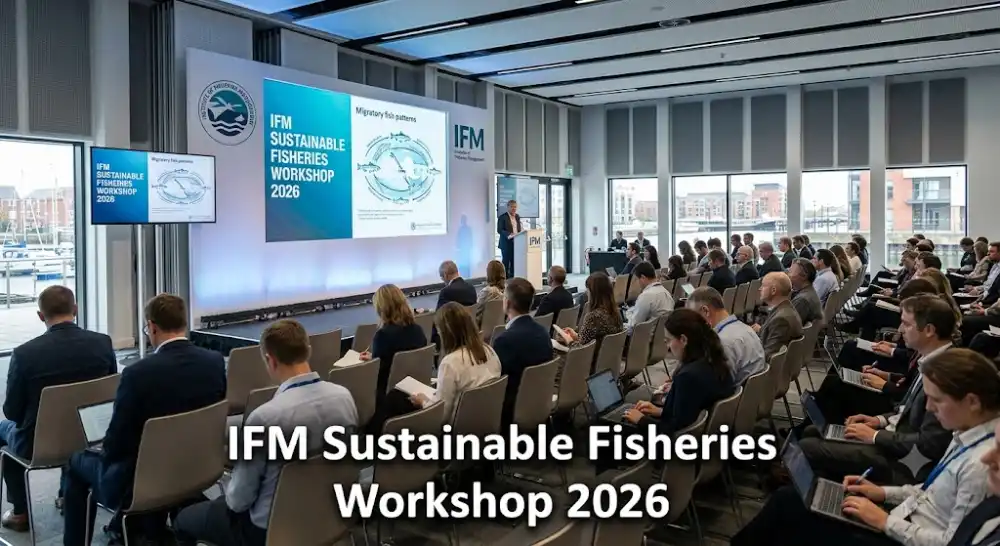
IFM Sustainable Fisheries Workshop 2026
The Institute of Fisheries Management (IFM) is proud to present the IFM Sustainable Fisheries Workshop 2026 in Hull, United Kingdom. Hosted in the historic maritime city of Hull, this three-day intensive national gathering brings together regional leaders, practical researchers, technical experts, and policy professionals to focus on the emerging challenges facing freshwater, estuarine, and marine aquatic systems. As climate change, urban developments, and environmental shifts strain natural habitats, the need for actionable, evidence-based management frameworks has never been more urgent. Delegates will gain direct insights into cutting-edge technical interventions, data-driven habitat monitoring strategies, and collaborative stewardship solutions designed to enhance ecological resilience across British waterways and coastal regions.
Core Themes and Technical Focus Areas
Throughout the event, attendees will explore several key thematic areas fundamental to modern aquatic stewardship. High-priority tracks include state-of-the-art fish passage engineering, automated hydroacoustic species tracking, real-time water quality diagnostic tools, and ecological DNA (eDNA) sampling methodologies. Dedicated workshop tracks will address estuarine management within the Humber Basin, examining practical solutions to balance commercial marine activity with active conservation. Presenters will share real-world case studies detailing habitat restoration projects, successful barriers removal, and species repopulation initiatives. Participants will leave with practical tools, technical workflows, and scalable approaches ready for immediate implementation in field operations and regulatory planning.
Interactive Sessions and Industry Networking
Designed to maximize peer collaboration, the workshop offers an array of interactive breakout sessions, technical roundtables, and poster presentations. Attendees will engage directly with field experts to debate policy updates, evaluate practical hardware solutions, and solve complex operational challenges faced by regional water boards and environmental consultancies. Dedicated networking breaks, informal evening meetups, and structured Q&A panels foster cross-sector dialogue between academic researchers, field technicians, regulatory agencies, and commercial stakeholders. An on-site trade exhibition area will showcase the latest environmental monitoring hardware, telemetry devices, and specialized field software from industry-leading manufacturers.
Professional Development and Continuing Education
Attending this workshop qualifies registered delegates for Continuing Professional Development (CPD) hours recognized by leading UK environmental and biological chartered institutions. Early-career researchers and seasoned practitioners alike will benefit from hands-on masterclasses covering environmental data analysis, GIS spatial mapping for fish migration corridors, and public policy translation. By bridging theoretical science with field-tested management techniques, the IFM Sustainable Fisheries Workshop ensures participants enhance their professional qualifications while actively contributing to the sustainable future of global and local aquatic ecosystems.
Hull History Centre & Guildhall Complex,
Kingston upon Hull
24
0

Emergency First Aid at Work
Emergency preparedness is an essential skill for every workplace, community organisation, charity, and volunteer group. Medical emergencies can happen without warning, and having trained individuals who know how to react quickly can significantly improve outcomes before professional medical assistance arrives.
The Emergency First Aid at Work Workshop, organised by Rayleigh, Rochford & District Association for Voluntary Service (RRAVS), provides a comprehensive one-day accredited training programme designed to equip participants with practical first aid knowledge and confidence. The event offers hands-on learning delivered by experienced trainers who specialise in workplace emergency response.
Held in Basildon, this workshop enables participants to gain nationally recognised first aid knowledge while fulfilling workplace health and safety requirements. Whether you are an employer, employee, volunteer, or community worker, this training provides valuable practical experience that can make a real difference during emergencies.
Why Attend This Workshop?
Every organisation has a responsibility to protect staff, volunteers, and visitors. The Emergency First Aid at Work Workshop helps attendees understand how to respond effectively during critical situations before emergency services arrive.
Participants receive practical instruction on assessing emergencies, identifying hazards, protecting casualties, and providing immediate care. The workshop combines classroom learning with realistic demonstrations and practical exercises to ensure everyone develops confidence in their abilities.
Practical Hands-On Learning
Unlike purely theoretical courses, this workshop focuses heavily on practical activities. Participants will practise life-saving techniques under instructor supervision, helping them build muscle memory and confidence.
Training includes realistic emergency scenarios that simulate common workplace incidents, ensuring attendees understand how to remain calm and respond appropriately under pressure.
Course Topics
The workshop covers essential first aid skills including:
Understanding legal responsibilities
Emergency scene assessment
CPR for adults
Recovery position
Choking response
Severe bleeding control
Shock management
Minor injuries
Burns and scalds
Incident reporting
Communication with emergency services
These skills are suitable for workplaces across many industries and voluntary organisations.
Benefits for Employers
Employers benefit from having qualified first aiders within their workforce. Properly trained employees can provide immediate assistance while waiting for ambulance services, potentially reducing the severity of injuries.
The course also supports compliance with workplace health and safety legislation by ensuring designated first aid personnel receive appropriate accredited training.
Benefits for Volunteers
Community volunteers regularly work with members of the public, including vulnerable individuals. First aid training increases confidence and enables volunteers to respond appropriately during medical incidents at community events, charity activities, and public programmes.
RRAVS has a long history of supporting voluntary organisations across Essex, making this workshop particularly valuable for community groups.
Suitable for Multiple Sectors
Although designed around workplace requirements, the course is equally valuable for:
Schools
Community centres
Charities
Faith organisations
Sports clubs
Local authorities
Care providers
Event organisers
Small businesses
Retail organisations
Expert Trainers
Participants learn from experienced first aid professionals who combine technical knowledge with practical teaching methods.
Throughout the day, instructors encourage questions, provide demonstrations, and supervise practical exercises to ensure every attendee develops the necessary competence.
Certification
Successful participants receive an accredited Emergency First Aid at Work certificate recognised by employers throughout the UK.
The certification demonstrates competence in delivering emergency first aid until professional medical assistance arrives.
Networking Opportunities
The workshop also provides an opportunity to connect with professionals from different industries, community organisations, and charities operating across Essex.
Participants often exchange ideas on workplace safety, volunteer management, and community resilience while attending the course.
Importance of Emergency Preparedness
Medical emergencies rarely happen at convenient times. Quick action during the first few minutes following an accident can significantly improve outcomes.
Learning CPR, bleeding control, and casualty assessment allows trained individuals to provide vital support before paramedics arrive.
These practical skills remain valuable both professionally and personally, helping participants protect colleagues, friends, and family members.
Community Impact
RRAVS continues to support local communities through training initiatives that improve public wellbeing and organisational resilience.
By increasing the number of trained first aiders across Essex, workshops like this contribute to creating safer workplaces and stronger communities.
What Participants Can Expect
The one-day programme is structured to maximise engagement through demonstrations, group discussion, instructor guidance, and practical exercises.
Attendees should expect an interactive learning environment where participation is encouraged throughout the day.
Comfortable clothing is recommended since practical CPR and recovery position exercises form an important part of the training.
Key Learning Outcomes
By the end of the workshop participants will be able to:
Assess emergency situations safely.
Protect themselves and casualties.
Contact emergency services efficiently.
Perform effective CPR.
Respond to choking incidents.
Control severe bleeding.
Treat minor injuries.
Place casualties into the recovery position.
Record incidents appropriately.
Demonstrate confidence during workplace emergencies.
Why Choose RRAVS?
Rayleigh, Rochford & District Association for Voluntary Service has extensive experience supporting voluntary organisations, community projects, and local residents throughout Essex.
Their training programmes combine professional instruction with community-focused values, ensuring participants receive high-quality education in a welcoming environment.
Final Thoughts
Emergency first aid is one of the most valuable workplace skills anyone can possess. Whether responding to a colleague experiencing cardiac arrest, assisting someone who is choking, or managing serious bleeding following an accident, trained first aiders play a vital role in saving lives.
The Emergency First Aid at Work Workshop provides practical knowledge, recognised certification, and the confidence needed to act decisively during emergencies. Employers strengthen workplace safety, volunteers enhance community resilience, and individuals gain life-saving skills that remain useful throughout their lives.
With experienced instructors, interactive practical sessions, accredited certification, and a strong reputation for community support, RRAVS continues to deliver valuable health and safety training that benefits organisations and residents across Essex. This workshop represents an excellent opportunity for anyone wishing to improve workplace preparedness while contributing to safer communities.
Basildon Centre,
Warrington
24
0

Sep 15, 2026
Wood Veneer CPD & Industry Insight Session
The Wood Veneer CPD & Industry Insight Session is designed as a professional learning and networking opportunity for people working with timber, interior finishes, furniture, architecture, cabinetry, doors, panels and specialist joinery. Hosted at the DF Richards Veneers facility in Basildon, Essex, the session provides an opportunity to explore the characteristics, applications and considerations involved in selecting and specifying wood veneer for commercial and residential projects.
DF Richards Veneers describes itself as a long-established wood veneer merchant and layon manufacturer based in Basildon, with more than 50 years of international veneer sourcing experience. Its website highlights a broad range of veneer products, manufacturing capabilities and specialist services for professional customers. The company also states that its Basildon facility includes dedicated classrooms and that it hosts veneer inspections and Veneer CPD sessions by appointment.
The proposed session is particularly relevant to architects, interior designers, furniture designers, joinery companies and other professionals who need to understand how veneer can be selected and specified effectively. It offers an opportunity to move beyond simply viewing veneer as a decorative surface and instead consider the technical, visual, manufacturing and sustainability factors that influence the success of a finished project.
Understanding Wood Veneer
A key focus of the event is developing a better understanding of wood veneer and its role in modern design and manufacturing. Veneer allows designers and manufacturers to bring the visual character of natural timber into furniture, doors, wall panels, cabinetry and architectural interiors while offering flexibility in how timber surfaces are selected and presented.
Participants can learn about the visual differences between various species and veneer cuts, including the way grain direction, colour, figure and natural variation influence the appearance of a finished surface. Understanding these differences is essential when specifying materials for projects where consistency, character or a particular visual effect is required.
DF Richards offers a wide selection of natural and engineered veneers, with products available for different design requirements. Its online range includes materials such as oak, walnut, rosewood, elm and other veneer types, demonstrating the variety available to professional specifiers.
The session can help attendees understand why the right veneer should be selected according to the intended application rather than simply based on colour or appearance. Factors such as grain orientation, sheet size, matching requirements, durability expectations and project scale can all influence the suitability of a particular veneer.
Veneer Selection for Design Projects
Selecting veneer for a project requires careful consideration of both aesthetic and practical requirements. During the session, participants can explore how professionals approach veneer selection for different environments and applications.
For an interior designer, the visual character of the timber may be the primary consideration. A project may require a calm, uniform appearance or a more expressive natural grain. Architects may need to coordinate veneer across doors, wall panels and built-in furniture, while furniture manufacturers may require specific matching patterns to achieve a consistent and premium appearance.
The event can provide valuable insight into how veneer samples should be assessed and compared before a final specification is made. Attendees can consider how lighting, surrounding materials and the scale of a project can affect the perceived appearance of wood.
The opportunity to physically examine veneer samples can be especially useful. Digital images and screens cannot always reproduce the subtle variations in grain, texture and colour that are visible in real timber materials. By viewing physical samples, professionals can gain a more accurate understanding of how a selected veneer may perform visually within a finished design.
Layon Manufacturing and Veneer Matching
Another important element of the session is understanding how individual veneer leaves can be processed and combined to create larger finished surfaces.
DF Richards explains that its manufacturing operation includes specialist equipment for cross-cutting, veneer joining, stitching, edge gluing, end binding and cutting. The company also describes matching methods that can be used for single doors, repeated pairs, panels and side panels.
This knowledge can be particularly valuable for architects, designers and joinery professionals working on large or highly detailed projects. Matching veneer correctly can have a significant effect on the visual quality of a finished installation.
The session provides an opportunity to understand the practical considerations involved in creating veneer layons and achieving specific visual outcomes. Depending on the design brief, projects may require symmetrical arrangements, repeated patterns, directional grain or more distinctive layouts.
DF Richards also highlights bespoke services for specialist requirements, including bi-directional grain boardroom tables and chevron-effect layons. These examples demonstrate how veneer can be adapted to achieve distinctive architectural and furniture designs.
Natural, Engineered and Dyed Veneers
Modern veneer specifications can involve different material types, each offering distinct characteristics.
Natural veneer showcases the authentic appearance and variation of real timber. Engineered veneer can provide greater consistency and repeatability, making it useful for projects where a uniform appearance is required across larger areas. Dyed veneers offer additional colour possibilities and can help designers achieve a particular aesthetic direction.
DF Richards' product catalogue includes natural, engineered and dyed veneer options, with its website also highlighting reconstituted veneer products. This range gives professional users more flexibility when selecting materials for specific design briefs.
Understanding the differences between these categories can help attendees make more informed decisions. A project that requires a highly consistent grain pattern may benefit from an engineered option, while a luxury furniture piece may call for the unique character of a natural veneer.
Sustainability and Responsible Sourcing
Sustainability is an increasingly important consideration in architecture, interiors and furniture manufacturing. Professionals are often expected to understand where materials come from and how responsible sourcing can contribute to more sustainable project decisions.
DF Richards states that it works to meet applicable environmental legislation and promotes effective forestry management. The company also highlights FSC-certified veneer options and references FSC certification within its business information.
The session can therefore help participants consider sustainability as part of the material specification process. Rather than focusing exclusively on appearance and cost, designers and specifiers can consider sourcing information, certification and the environmental expectations of their clients.
This topic is particularly relevant for commercial projects, public buildings, hospitality environments and high-profile residential developments where sustainability requirements may form part of the overall project brief.
Practical Knowledge for Architects and Designers
For architects and designers, the value of the session lies in connecting material knowledge with real-world project requirements.
A stronger understanding of veneer can help professionals communicate more effectively with manufacturers, suppliers and joinery contractors. It can also reduce uncertainty during the specification process by helping designers understand the practical implications of their material choices.
Participants can explore questions around sample approval, matching, grain direction, surface appearance and large-format applications. This knowledge may be useful when preparing specifications, discussing material options with clients or coordinating with specialist manufacturers.
The session is also an opportunity to ask questions directly and gain practical insight from professionals with extensive experience in the veneer industry.
Industry Networking and Professional Development
In addition to technical learning, the event can provide a valuable networking environment for professionals working across connected areas of the design and manufacturing industry.
Architects may benefit from meeting specialist suppliers. Interior designers can exchange ideas about material trends and applications. Furniture and joinery professionals can explore potential supplier relationships and discuss technical requirements.
Because the veneer industry connects multiple disciplines, events of this type can encourage useful conversations between people involved at different stages of the project lifecycle.
For professionals looking to improve their knowledge of wood materials, the event can also serve as a practical development opportunity. Participants can gain insight into current veneer products, manufacturing methods and material considerations while building relationships with other industry professionals.
Why Attend
The proposed Wood Veneer CPD & Industry Insight Session offers a focused opportunity to develop practical knowledge of a specialist material that plays an important role in architecture, furniture and interior design.
Attendees can expect to gain a stronger understanding of veneer selection, explore different material categories, learn about manufacturing and matching processes, and consider sustainability when specifying timber products.
The event's Basildon location is also convenient for professional visitors. DF Richards states that its 16,000 sq. ft. factory is located just off the A127 and is approximately a five-minute taxi journey from Basildon railway station. The company recommends booking appointments in advance for visits and CPD sessions.
For anyone involved in specifying, designing, manufacturing or installing veneered products, the session presents an opportunity to connect material knowledge with practical project requirements.
With its combination of professional education, technical insight, product exploration and networking, the event can serve as a valuable introduction to the possibilities of modern wood veneer and its applications across the built environment and furniture industries.
DF Richards Veneers,
Warrington
28
0
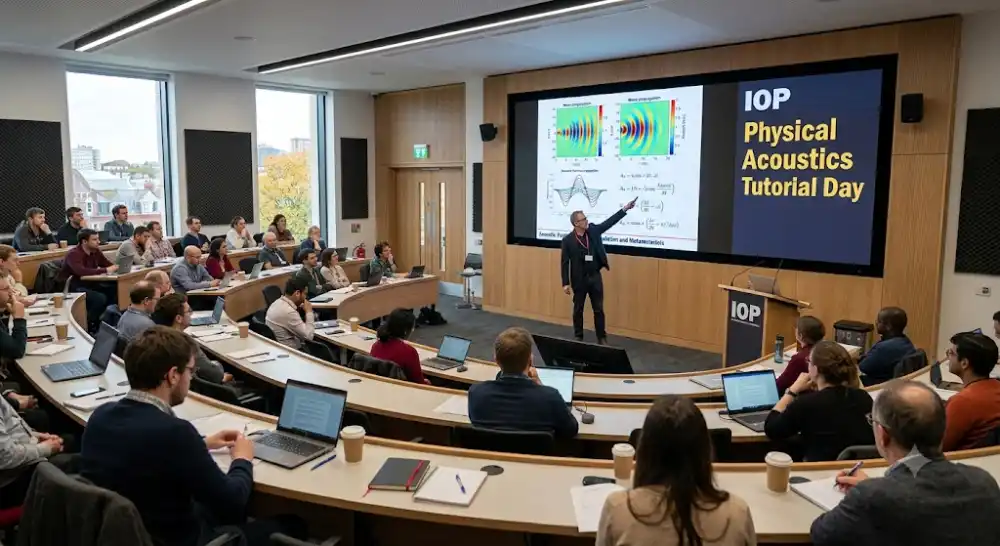
IOP Physical Acoustics Tutorial Day
The Institute of Physics (IOP) Physical Acoustics Group invites researchers, industry experts, and students to the upcoming Physical Acoustics Tutorial Day. Acoustics serves as a core foundation across multidisciplinary physics, engineering, biomedical science, and material design. This event aims to bridge fundamental theoretical mechanics with groundbreaking practical developments. Attendees will engage in comprehensive, accessible tutorial sessions led by distinguished leaders in physical acoustics. The tutorial day focuses on emerging acoustic methodologies, computational wave dynamics, non-destructive testing, and innovative applications in microfluidics and metamaterials. By breaking complex acoustic principles down into foundational elements, the event provides a clear runway for non-specialists to integrate high-level acoustic theory into their research or commercial initiatives.
Agenda and Key Themes
The single-day event is carefully structured to balance structured theoretical instruction with open, collaborative technical dialogue. The morning session opens with foundational tutorials covering key mathematical models in acoustic radiation forces, wave propagation in inhomogeneous media, and structural acoustics. Leading academics will guide delegates through step-by-step methodologies to analyze complex acoustic systems. Following a networking mid-day lunch, the afternoon program transitions into advanced topics including active phononic metamaterials, acoustic manipulation in lab-on-a-chip devices, and non-invasive bio-ultrasound applications. Interactive Q&A segments follow each tutorial, encouraging delegates to discuss active challenges in their own ongoing research projects.
Poster Session and Research Highlights
In addition to the main tutorial lectures, the event features a dedicated interactive poster session. Early career researchers, PhD candidates, and postdocs are invited to present their current experimental findings, theoretical models, and prototype designs. This poster session serves as a dynamic platform for emerging scientists to receive direct feedback from renowned leaders in physical acoustics. Highlights include discussions on real-time acoustic particle manipulation, high-frequency transduction techniques, and state-of-the-art computational tools for acoustic design. Prizes will be awarded for outstanding poster presentations, recognizing technical novelty and clear presentation.
Networking and Collaborative Opportunities
Informal interaction is central to the IOP Physical Acoustics Tutorial Day. Dedicated networking breaks throughout the day provide ample opportunities for attendees to build strategic academic and industrial partnerships. Delegates can converse with equipment manufacturers, software developers, and research sponsors to explore cutting-edge solutions for physical acoustic challenges. Whether seeking project collaborators, discussing career development in applied physics, or exploring potential commercial applications of acoustic technologies, attendees will find a welcoming, highly collaborative atmosphere designed to elevate their professional impact.
Watson House, University of Brighton,
Brighton
33
0

Menopause Café
The Menopause Café is an inclusive and open peer-led gathering designed to foster dialogue, community support, and education around perimenopause and menopause. Hosted on the University of Sussex campus, this session provides a welcoming, non-judgmental space where individuals can openly talk about their personal experiences, share coping strategies, and discuss the biological, emotional, and social dimensions of menopausal transitions.
Breaking the Taboo Around Menopause
Menopause affects millions of people globally, yet it often remains shrouded in stigma or overlooked in everyday workplace and social conversations. By bringing members of the local Brighton community, university faculty, staff, and students together, this event breaks down taboos and encourages honest conversations. Participants are free to share as much or as little as they like while gaining insights into managing symptoms, practical lifestyle adjustments, and self-care routines.
Peer Support and Practical Guidance
Rather than following a rigid academic structure, the Menopause Café operates as a collaborative discussion group without guest speakers or commercial agendas. Guided by facilitators, attendees can ask questions, swap practical advice, and explore various dimensions of health during menopause. Topics frequently touched upon include physical symptoms, cognitive changes, mood alterations, mental wellbeing, work-life balance, and healthcare navigation.
Fostering an Inclusive Community Environment
Inclusivity is at the heart of the Menopause Café model. The event welcomes people of all ages and genders—whether they are personally experiencing perimenopause or menopause, or wish to attend to better support partners, family members, friends, or workplace colleagues. The relaxed setup offers a compassionate atmosphere to connect, listen, and build meaningful peer networks within the local area.
What Attendees Can Expect
Attendees can look forward to a warm reception with tea, coffee, and light refreshments. The interactive group discussion encourages open dialogue in a safe and supportive setting. Participants will have opportunities to learn from shared real-life experiences, discover reliable resources for managing health and wellbeing, and connect with local support networks in Brighton.
University of Sussex Campus,
Brighton
29
0
Sep 18, 2026
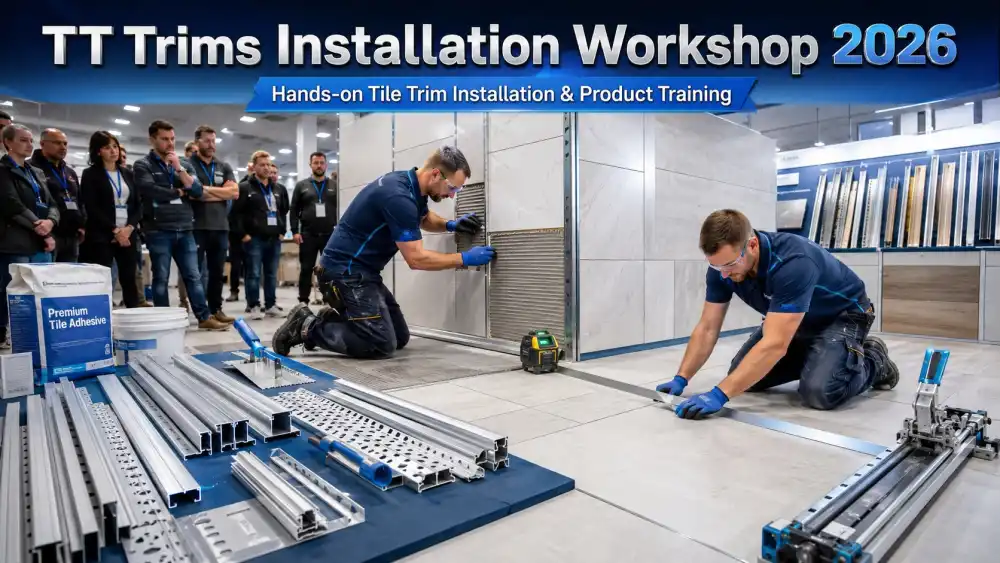
TT Trims Installation Workshop 2026
The TT Trims Installation Workshop 2026 is a fictional demonstration event designed to illustrate how a professional construction-industry workshop could be presented on an event website. It represents the type of educational session that manufacturers and distributors of tile trims may organize for tilers, contractors, architects, builders, retailers, and flooring specialists.
The workshop focuses on practical installation methods, product selection, finishing techniques, and modern tiling practices. Participants are introduced to a wide variety of tile trim profiles suitable for residential, commercial, and industrial projects.
Throughout the day, experienced trainers demonstrate correct installation procedures, discuss common mistakes, explain the advantages of different trim materials, and answer technical questions from attendees.
Why Attend?
Professional installers constantly seek methods that improve installation quality while reducing project time. This workshop is designed around practical demonstrations rather than classroom presentations.
Visitors gain insight into:
Modern tile edge protection
Aluminium trim applications
PVC finishing profiles
Stainless steel trims
Expansion joint systems
Transition profiles
Stair nosing
Decorative trim options
Waterproof finishing techniques
Professional installation tools
Live Product Demonstrations
One of the most valuable parts of the workshop is the live demonstration area.
Experts demonstrate:
Measuring tile edges accurately
Selecting correct trim depth
Cutting profiles cleanly
Mitre joint preparation
Adhesive application
Trim alignment
Corner finishing
Expansion gap installation
Waterproof edge sealing
Final inspection procedures
Visitors observe every stage from preparation through final finishing.
Hands-on Practical Training
Unlike traditional seminars, this workshop allows attendees to practice installation techniques using sample boards and professional tools.
Training stations include:
Ceramic tiles
Porcelain tiles
Large-format slabs
Stone tiles
Bathroom installations
Kitchen splashbacks
Stair edging
Commercial flooring
Outdoor paving
Wall feature installations
Experienced trainers supervise every practical session.
Product Showcase
A dedicated exhibition area displays numerous trim profiles suitable for various projects.
Featured categories include:
Aluminium tile trims
PVC trims
Stainless steel trims
Brass trims
Decorative profiles
Transition strips
Stair nosings
Movement joints
Edge protection systems
Finishing accessories
Visitors compare finishes, colours, dimensions, and applications.
Industry Knowledge Sessions
Short educational presentations cover:
Current tiling trends
Commercial specification requirements
Residential finishing techniques
Material compatibility
Moisture protection
Sustainable construction products
Installation safety
Site preparation
Professional workmanship
Maintenance recommendations
These sessions help installers remain informed about industry developments.
Networking Opportunities
The workshop provides opportunities to connect with professionals from across the construction sector.
Attendees include:
Independent tilers
Building contractors
Flooring companies
Interior designers
Architects
Builders' merchants
Property developers
Construction consultants
Product suppliers
Apprentices
Networking encourages knowledge sharing and business relationships.
Benefits for Contractors
Contractors attending the event can improve project quality while reducing costly installation errors.
Benefits include:
Better finishing standards
Improved efficiency
Faster installations
Reduced material waste
Enhanced customer satisfaction
Greater product knowledge
Professional certification awareness
Supplier relationships
Practical troubleshooting
Business development opportunities
Sustainable Construction
Modern construction increasingly emphasizes sustainability.
The workshop introduces environmentally responsible practices including:
Efficient material usage
Waste reduction
Long-lasting finishing products
Recyclable materials
Low-maintenance installations
Durable edge protection
Energy-efficient manufacturing awareness
Responsible packaging
Product longevity
Quality assurance
Frequently Asked Questions
Is prior experience required?
No. Beginners and experienced professionals can benefit.
Are live demonstrations included?
Yes, throughout the day.
Can visitors ask technical questions?
Absolutely.
Is networking available?
Yes.
Will installation techniques be demonstrated?
Yes.
Are different trim materials explained?
Yes.
Who should attend?
Tilers, contractors, architects, builders, retailers, and designers.
Is practical training included?
Yes.
Is this suitable for apprentices?
Yes.
Are product displays available?
Yes.
The TT Trims Installation Workshop 2026 (sample event) illustrates the format of a professional industry training event focused on tile trims and installation best practices. Through demonstrations, hands-on activities, educational presentations, and networking, attendees gain practical skills that can improve the quality and efficiency of their projects.
The Park Royal Hotel Warrington,
Warrington
27
0
Sep 18, 2026
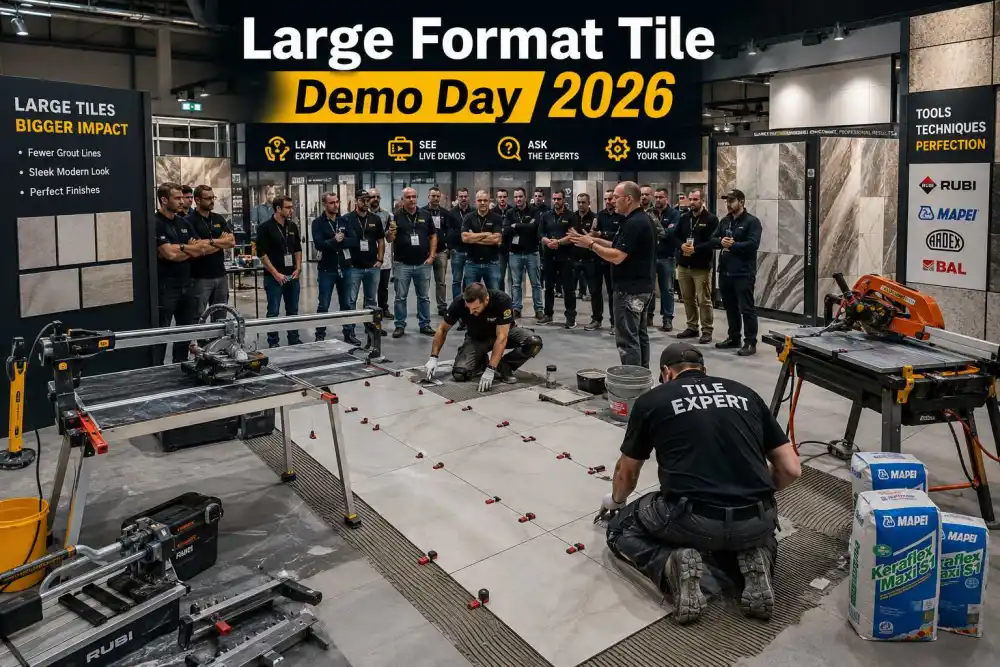
Large Format Tile Demo Day 2026
The construction and tiling industry continues to evolve as new materials, advanced installation techniques, and innovative equipment transform the way professionals complete projects. Whether working on residential renovations, commercial developments, or landscaping installations, today's tilers require specialist tools, practical knowledge, and ongoing training to deliver high-quality results efficiently.
Large-format porcelain tiles have become increasingly popular throughout the United Kingdom due to their modern appearance, durability, and versatility. However, these materials require specialist handling techniques and precision equipment to ensure safe transportation, accurate cutting, and flawless installation. As projects become more technically demanding, professional demonstrations and hands-on workshops provide valuable opportunities for contractors to improve their skills.
Tilers Tools has established itself as a specialist supplier serving professional tilers, landscapers, and builders throughout the UK and Ireland. Operating from its Warrington trade counter, the company offers an extensive selection of professional equipment, machine hire, adhesives, cutting tools, levelling systems, and accessories designed specifically for the trade. The business also provides practical demonstrations of specialist equipment and installation methods, helping professionals understand how to maximise productivity while maintaining high-quality workmanship.
Why This Workshop Matters
Modern tiling projects often involve porcelain slabs measuring well over one metre in length. While these materials provide exceptional visual appeal, they introduce unique installation challenges. Improper handling can result in expensive breakages, installation defects, or unnecessary project delays.
A dedicated workshop allows attendees to learn directly from experienced professionals who understand the practical realities of working on construction sites. Live demonstrations provide insight into best practices that are difficult to communicate through written guides alone.
Participants gain a better understanding of selecting the correct cutting equipment, preparing substrates correctly, using tile levelling systems effectively, and choosing suitable adhesives for different project requirements. Practical sessions also demonstrate methods that improve efficiency while reducing material waste.
Hands-On Equipment Demonstrations
One of the biggest attractions of this workshop is the opportunity to experience professional equipment in action.
Visitors can observe demonstrations covering:
Professional wet saws
Manual tile cutters
Diamond cutting blades
Tile handling systems
Levelling equipment
Mixing tools
Adhesive application techniques
Safety equipment
Machine hire solutions
Large-format tile transportation systems
Watching experienced installers operate these machines helps attendees understand both their capabilities and correct operating procedures.
Learn from Industry Professionals
Unlike traditional classroom training, practical workshops encourage direct interaction with experienced industry specialists.
Throughout the event, visitors can ask technical questions relating to:
Tile cutting accuracy
Adhesive selection
Surface preparation
Waterproofing systems
Outdoor porcelain installation
Machine maintenance
Health and safety
Productivity improvements
Material handling
Troubleshooting common installation problems
This practical advice can help both experienced contractors and newcomers improve the quality of their work.
Product Showcases
Visitors also have an opportunity to explore a wide selection of products commonly used throughout the tiling and landscaping industries.
Demonstrations may include professional brands covering:
Tile cutters
Wet saws
Diamond blades
Mixing paddles
Adhesives
Tile grout
Levelling systems
Safety equipment
Measuring tools
Installation accessories
Product specialists explain the advantages of different systems and recommend suitable solutions for various project requirements.
Networking Opportunities
Construction professionals often benefit from sharing knowledge and experiences with others working in similar sectors.
This workshop provides opportunities to connect with:
Professional tilers
Independent contractors
Landscaping specialists
Builders
Construction suppliers
Product representatives
Equipment specialists
Apprentices
Business owners
DIY enthusiasts seeking professional guidance
Networking often leads to new partnerships, supplier relationships, and valuable industry contacts.
Trade Counter Experience
The event also provides visitors with an opportunity to explore the Warrington trade counter, where a wide selection of professional tools and building materials are available.
Attendees can discuss project requirements with knowledgeable staff, compare equipment options, and receive recommendations tailored to their specific applications.
Whether purchasing new machinery, hiring specialist equipment, or sourcing consumables for future projects, visitors can benefit from expert product knowledge.
Benefits for Professional Tilers
Professional tilers attending the workshop may discover methods that improve both productivity and profitability.
Potential benefits include:
Faster installation techniques
Improved cutting precision
Reduced material waste
Better project planning
Increased workplace safety
Enhanced customer satisfaction
Improved equipment selection
Greater confidence working with large-format tiles
Access to specialist advice
Opportunities for continued professional development
Practical Learning Environment
Unlike purely theoretical seminars, this workshop focuses on real-world applications.
Attendees observe equipment being used in practical situations while learning about common installation challenges and effective solutions.
The combination of demonstrations, product displays, and expert discussions creates an engaging learning experience suitable for professionals at various skill levels.
As demand for premium tiling and landscaping projects continues to grow across the United Kingdom, professional development remains essential for contractors seeking to remain competitive. Workshops such as the Large Format Tile Demo Day provide valuable opportunities to explore new products, improve technical skills, and connect with industry experts.
Whether visitors are experienced tiling contractors, builders expanding their services, landscaping professionals, or enthusiastic DIY users, the event offers practical insights that can be applied immediately to future projects. Combined with live demonstrations, product showcases, and networking opportunities, the workshop represents an excellent opportunity to learn more about modern installation techniques and professional-grade equipment while visiting one of Warrington's specialist trade suppliers.
Tilers Tools Trade Counter,
Warrington
25
0

Quantitative Developer Certificate Workshop
World Business Strategies Ltd (WBS Training Ltd) is proud to present the Quantitative Developer Certificate Workshop, hosted in the vibrant coastal hub of Brighton, United Kingdom. Designed specifically to meet the rapidly evolving demands of global financial capital markets, this immersive five-day professional workshop bridges theoretical quantitative finance with real-world trading floor software engineering. As algorithmic execution, high-frequency data streaming, and machine learning continue to reshape investment banking and hedge fund strategies, tech-driven financial institutions require professionals who possess sophisticated cross-disciplinary skill sets. This intensive workshop provides a rigorous, hands-on environment aimed at transforming software developers, quantitative researchers, and financial analysts into elite quantitative developers equipped to construct robust, high-performance financial architecture.
Comprehensive Curriculum & Key Modules
The workshop curriculum is structured across key modules that reflect current real-world software engineering practices across global investment banks and quantitative investment funds. Participants begin with advanced Python for quantitative finance, focusing on vectorization, numerical computing libraries, and high-speed analytical modeling. The program then dives deeply into C++ fundamentals and advanced system design, exploring object-oriented programming, memory management, multithreading, and low-latency code optimization required for algorithmic execution systems. Further modules delve into essential data structures, high-performance algorithm implementation, and database architecture using industry-standard tools like KDB+/q for ultra-fast time-series data management. Crucially, this year's updated curriculum incorporates dedicated modules exploring Artificial Intelligence, Generative AI, and Large Language Models (LLMs), demonstrating how cutting-edge machine learning techniques can be seamlessly embedded into quantitative risk frameworks and trade signal generation.
Interactive Learning & Hands-On Application
Unlike standard theoretical academic courses, the WBS Quantitative Developer Certificate Workshop emphasizes pragmatic implementation and empirical execution. Led by seasoned quantitative industry experts, each workshop session pairs core conceptual lectures with live coding labs and group implementation projects. Attendees work directly with real market datasets, writing and debugging code designed to solve immediate operational challenges faced by trading desks today. Workshop participants will gain direct, hands-on exposure to designing systematic trading platforms, building real-time market risk monitors, and evaluating execution latency. Instructors deliver individual feedback and guidance, ensuring every participant leaves with practical codebases and executable framework templates that can be directly applied within their own financial institutions or quantitative trading desks.
Professional Networking & Career Growth
Hosted at Werks Central in the heart of Brighton, the workshop provides an intimate setting designed to foster high-level peer interaction and industry collaboration. Participants engage in targeted networking sessions, roundtables, and daily collaborative coding sprints alongside fellow financial software engineers and industry thought leaders. World Business Strategies Ltd has spent over two decades serving the global financial community, and this workshop offers a prime venue for building lasting international professional connections. Whether you are looking to transition into quantitative finance, upgrade your current trading floor technical capabilities, or align your firm's development infrastructure with modern AI and low-latency standards, this workshop offers an unparalleled professional development milestone. Secure your place today to gain a definitive competitive advantage in quantitative development.
Werks Central,
Brighton
20
0
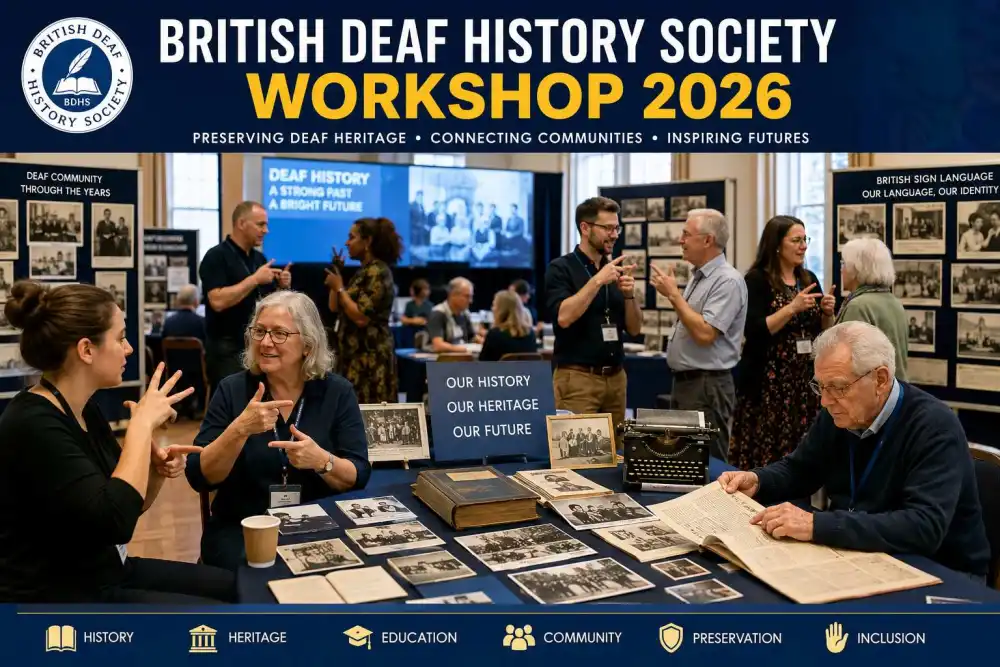
BDHS Deaf History Workshop
The British Deaf History Society (BDHS) has played a significant role in preserving and promoting the rich heritage of Deaf communities throughout the United Kingdom. Through educational workshops, historical exhibitions, research initiatives, and community engagement, the society continues to inspire people to appreciate the remarkable achievements, culture, and history of Deaf individuals. Every workshop organized by the society provides an opportunity for participants to explore historical records, learn about influential Deaf figures, and understand how Deaf culture has evolved over the centuries.
The British Deaf History Society Workshop 2026 offers a valuable opportunity for attendees to deepen their understanding of Deaf heritage while connecting with researchers, educators, historians, students, and members of the Deaf community. The event encourages knowledge sharing, meaningful discussions, and collaboration among participants who are passionate about preserving historical records and promoting awareness of Deaf culture.
Whether participants are attending to conduct research, support heritage projects, expand professional knowledge, or simply learn more about Deaf history, the workshop provides an engaging and informative environment. Through expert presentations, interactive sessions, and networking opportunities, attendees gain a comprehensive understanding of the historical journey of Deaf communities across Britain.
Understanding the Importance of Deaf History
Deaf history is much more than documenting events from the past. It represents the experiences, struggles, achievements, language, education, and cultural identity of Deaf people throughout generations. Learning about Deaf history helps preserve valuable stories that may otherwise be forgotten while inspiring future generations to appreciate their heritage.
Historical records reveal the evolution of sign language, educational reforms, employment opportunities, technological developments, and advocacy movements that have shaped modern Deaf communities. Workshops organized by the British Deaf History Society encourage participants to examine original documents, photographs, newspapers, personal stories, and historical artifacts that provide fascinating insights into Britain's Deaf heritage.
Preserving these historical resources ensures that future generations can continue learning from the experiences of earlier Deaf communities while recognizing the contributions made by Deaf individuals across education, arts, politics, sports, and social development.
Why Historical Preservation Matters
Preserving Deaf history benefits both the Deaf and hearing communities by promoting inclusion, education, and cultural understanding. Historical preservation helps document important milestones that have contributed to equal rights, improved accessibility, and wider recognition of British Sign Language.
The workshop highlights the importance of collecting historical documents, maintaining archives, recording oral histories, and supporting museums dedicated to Deaf heritage. Participants learn practical approaches for protecting historical materials while understanding the ethical responsibilities involved in preserving cultural records.
By documenting local and national Deaf history, communities can ensure that significant achievements remain accessible to researchers, educators, students, and future historians.
Educational Sessions and Expert Presentations
One of the major attractions of the workshop is its carefully planned educational programme. Experienced historians, researchers, archivists, and heritage professionals present informative sessions covering a wide range of topics related to Deaf history.
Presentations may explore:
The origins of Deaf education in Britain
Development of British Sign Language
Historical Deaf schools
Influential Deaf leaders
Community organizations
Historical archives and preservation methods
Museum collections
Family history research
Historical publications
Cultural identity
Modern preservation initiatives
Each session combines academic research with practical examples, making complex historical topics accessible to audiences with varying levels of knowledge.
Interactive Learning Experience
Unlike traditional lectures, the workshop encourages active participation. Attendees are invited to ask questions, join discussions, examine historical materials, and contribute their own experiences.
Interactive activities may include:
Archive exploration
Historical document analysis
Group discussions
Community storytelling
Heritage preservation demonstrations
Research guidance
Networking sessions
Question-and-answer forums
These activities create a collaborative learning environment where participants can exchange ideas and develop a deeper appreciation of Deaf history.
Building Strong Community Connections
Community engagement remains one of the British Deaf History Society's primary objectives. The workshop provides an excellent opportunity for individuals from diverse backgrounds to meet and establish lasting professional and personal connections.
Participants include:
Historians
Academic researchers
Teachers
University students
Museum professionals
Archivists
Genealogists
Community volunteers
Deaf community members
Heritage organizations
Networking sessions encourage collaboration on future research projects, educational initiatives, and community preservation programmes.
Exploring Historical Archives
Historical archives serve as the foundation of Deaf history research. During the workshop, participants discover how archival collections preserve valuable information about past generations.
Examples of archival materials include:
Historical photographs
School records
Personal letters
Newspapers
Community newsletters
Organizational documents
Meeting minutes
Historical publications
Family records
Oral history recordings
Learning how these collections are managed helps participants appreciate the work involved in preserving cultural heritage.
The Role of British Sign Language in History
British Sign Language (BSL) represents an essential part of Deaf identity and cultural heritage. The workshop explores how BSL developed over time and how it became recognized as an important language within British society.
Historical discussions examine:
Early sign language use
Regional variations
Educational policies
Language recognition
Community advocacy
Cultural significance
Understanding the historical development of BSL provides valuable context for current accessibility and inclusion initiatives.
Inspiring Future Generations
Educating younger generations about Deaf history helps preserve cultural identity while encouraging greater respect for diversity and inclusion. Students attending the workshop gain valuable knowledge that supports academic research and personal development.
Teachers can also apply workshop insights to classroom learning by incorporating Deaf history into educational programmes, helping create more inclusive learning environments.
The workshop encourages continued curiosity, inspiring participants to conduct further research, volunteer with heritage organizations, or contribute historical materials to archives.
Research Opportunities
Researchers attending the workshop benefit from access to experienced historians and heritage professionals. Discussions often highlight emerging research areas, available archival resources, and collaborative opportunities.
Potential research topics include:
Deaf education history
Community organizations
Family genealogy
Historical newspapers
Sign language evolution
Social movements
Accessibility legislation
Cultural preservation
Museum collections
Local Deaf communities
Sharing research ideas helps strengthen the broader understanding of Britain's Deaf heritage.
Heritage Preservation Through Collaboration
Successful preservation depends upon cooperation between organizations, volunteers, educational institutions, museums, libraries, and local communities.
The workshop demonstrates how collaborative partnerships improve:
Archive management
Public awareness
Educational outreach
Historical exhibitions
Digital preservation
Community engagement
Research accessibility
Working together ensures that important historical resources remain available for future generations.
Benefits of Attending the Workshop
Participants enjoy numerous educational and professional benefits throughout the event.
These include:
Learning from experienced historians
Exploring authentic historical materials
Building professional networks
Discovering research resources
Understanding Deaf heritage
Supporting preservation initiatives
Improving historical knowledge
Meeting community members
Sharing personal experiences
Encouraging lifelong learning
These benefits extend well beyond the workshop itself, motivating continued involvement in heritage preservation.
Looking Towards the Future
Technology continues transforming how historical records are preserved and shared. Digital archives, online exhibitions, virtual museums, and electronic databases allow wider public access to important historical collections.
The British Deaf History Society supports ongoing efforts to digitize valuable materials while ensuring their long-term preservation. Modern technology enables researchers from around the world to explore Britain's Deaf history more easily than ever before.
Future workshops are expected to continue embracing innovative preservation methods while maintaining the society's commitment to historical accuracy and community engagement.
The British Deaf History Society Workshop 2026 represents an outstanding opportunity to celebrate, preserve, and promote the remarkable history of Deaf communities throughout the United Kingdom. By bringing together historians, researchers, educators, students, and members of the Deaf community, the workshop creates a collaborative environment dedicated to learning, heritage preservation, and cultural appreciation.
Participants leave with a deeper understanding of Britain's Deaf history, stronger professional connections, and renewed enthusiasm for protecting historical records for future generations. Through expert presentations, interactive discussions, archival exploration, and community networking, the workshop continues the society's important mission of preserving Deaf heritage while inspiring future research and educational initiatives.
As awareness of Deaf history continues to grow, events like this play an essential role in ensuring that the stories, achievements, and cultural identity of Deaf communities remain accessible, respected, and celebrated for generations to come.
Reading Deaf Centre,
Warrington
20
0
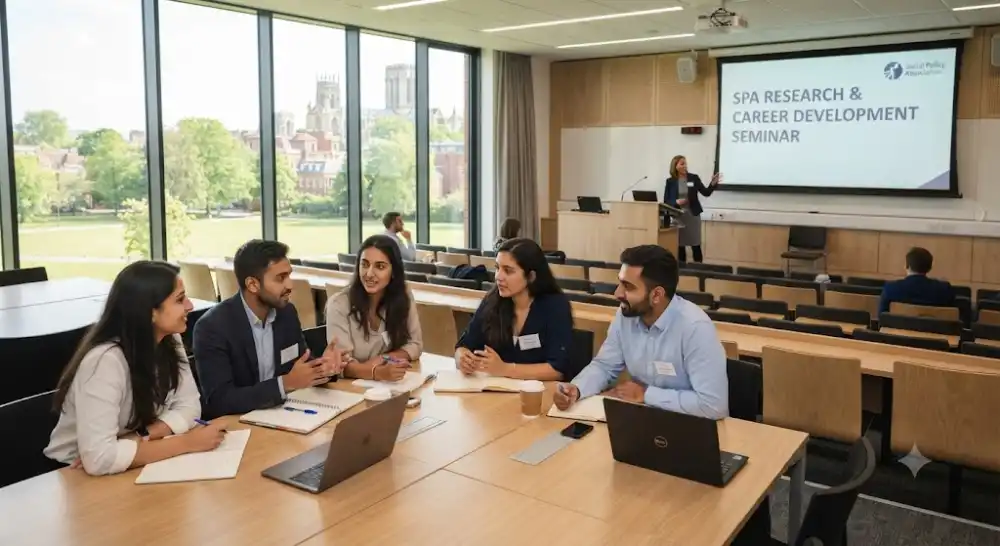
SPA Research & Career Development Seminar
Understanding the Modern Social Policy Landscape
The Social Policy Association (SPA) invites postgraduate researchers (PGRs) and early career researchers (ECRs) to a comprehensive seminar designed to bridge the gap between academic theory and real-world policy application. As we navigate a rapidly changing socio-economic environment, this event serves as a vital platform for those dedicated to investigating the complexities of social welfare, inequality, and public governance in the United Kingdom and beyond.
Navigating the Academic Career Path
This seminar provides a unique space for scholars to engage with seasoned professionals and peers. The core objective is to demystify the transition from doctoral candidate to an established academic. We will explore the nuances of navigating the current UK higher education landscape, offering guidance on how to build a sustainable and impactful research career. Attendees will receive practical advice on tailoring their research profiles for both academic journals and policy-influencing bodies.
Strategic Networking for Research Impact
Networking is often cited as the most significant challenge for early-career academics. This event moves beyond superficial introductions to foster meaningful, long-term research collaborations. Through structured sessions, participants will have the opportunity to discuss their ongoing projects with peers, exchange feedback on methodology, and explore potential collaborative frameworks that can enhance the reach of their research. Whether you are working on qualitative field studies or complex quantitative analysis, this environment is built to support interdisciplinary growth.
Mastering the Publishing and Funding Cycle
A crucial component of this seminar is the dedicated workshop on scholarly publishing and competitive grant applications. Navigating submission processes for reputable journals can be daunting; our session will demystify the peer-review process, provide tips on responding to editor feedback, and offer insights into what editorial boards are currently prioritizing. Furthermore, we will dissect the anatomy of a successful funding proposal, providing attendees with a clearer roadmap to securing future research funding.
The Role of Social Policy in Local Communities
Held in the historic city of York, the event will also briefly touch upon the application of social policy research within regional contexts. York offers a perfect setting to discuss the intersection of rural and urban social policy. By analyzing local challenges, researchers can learn how to ground their high-level academic work in tangible, community-based realities, ultimately increasing the societal impact of their findings. We invite all participants to contribute their unique perspectives to what promises to be a transformative experience for the next generation of social policy experts.
University of York, Department of Social Policy and Social Work,
York
19
0
Share This Page
My Page
Scan QR to open
Barcode