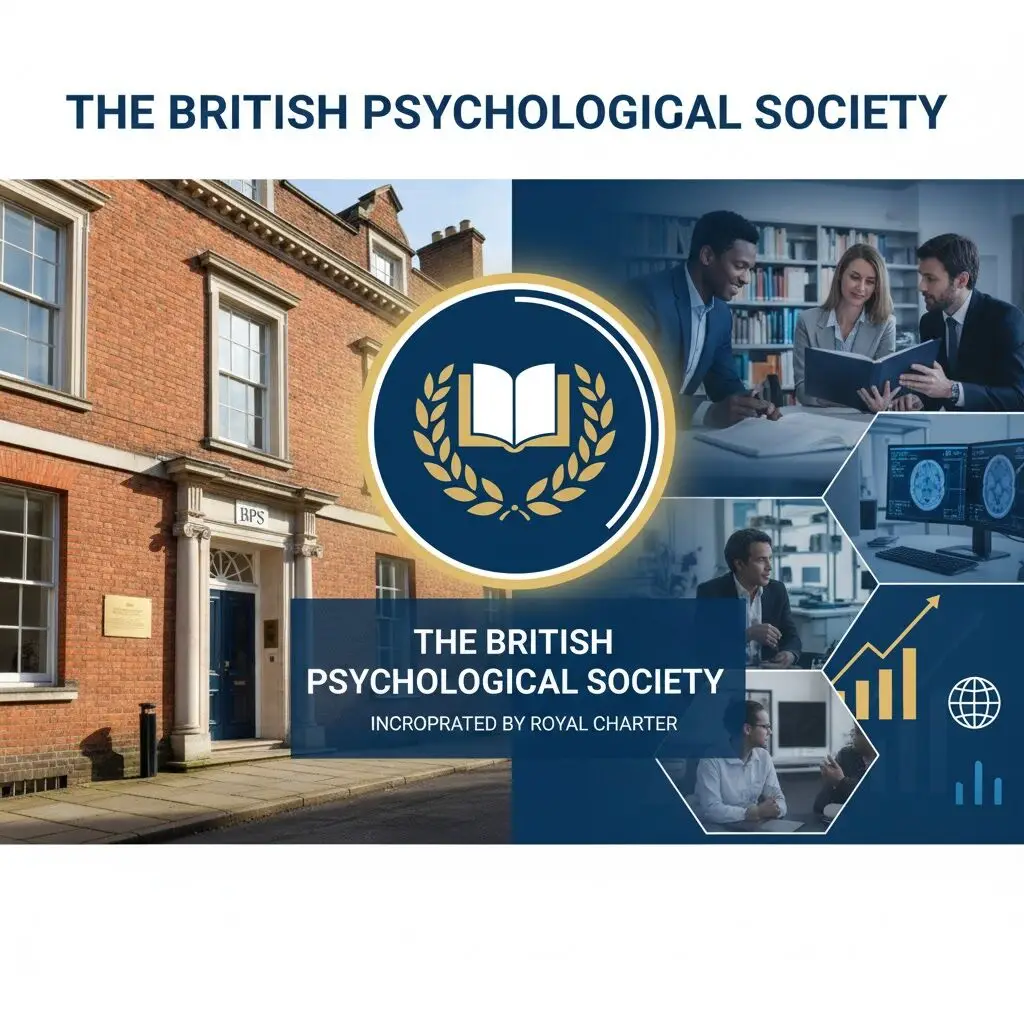
The British Psychological Society (BPS) stands as the premier professional body and learned society for psychologists and the discipline of psychology in the United Kingdom. Founded in 1901 and incorporated by Royal Charter, the BPS is more than just a membership organization; it is the fundamental architect of psychological standards, ethics, and education across the nation.
As a registered charity with over 60,000 members, the Society bridges the gap between academic research and professional practice. Whether you are an undergraduate student just beginning your journey or a seasoned Chartered Practitioner, the BPS provides the framework through which psychological science is applied for the greater public good.
The Historic Foundation and Royal Charter
The history of the BPS is intertwined with the evolution of psychology as a scientific discipline. Formed on 24 October 1901 at University College London (UCL), the Society was the brainchild of ten founding members, most notably James Sully and Sophie Bryant. At its inception, it was designed to be a "learned society" where researchers could exchange ideas.
By 1965, the Society’s impact was recognized with a Royal Charter (RC000078), which empowered it to maintain the Register of Chartered Psychologists. This landmark achievement solidified the BPS's role as the primary validator of professional competence in the UK. Today, operating from its headquarters in Leicester, Leicestershire, the Society continues to uphold these rigorous standards.
The BPS Value Proposition: Excellence in Practice
The core value proposition of the British Psychological Society lies in its dual role as a standard-setter and a professional advocate.
1. Educational Pipeline and Accreditation
The BPS ensures the quality of the next generation of psychologists by accrediting over 1,000 undergraduate and postgraduate programs. This accreditation is the "gold standard" for students; graduating from a BPS-accredited course is the essential first step toward becoming a professional psychologist in the UK.
2. Chartered Status (CPsychol)
The title "Chartered Psychologist" (CPsychol) is a globally recognized mark of excellence. It signifies that a professional has achieved the highest levels of academic and practical training. For employers and the public, the CPsychol designation provides assurance that the practitioner is bound by a strict Code of Ethics and Conduct.
3. Knowledge Dissemination
The Society is a powerhouse of academic publishing, managing 12 world-class academic journals and the widely read The Psychologist magazine. Additionally, the BPS Research Digest and the PsychCrunch podcast make complex psychological findings accessible to a global audience.
Specialized Domains of Psychology
The BPS represents a diverse range of specializations, reflecting the broad application of psychological science in modern society. These specialized divisions include:
-
Clinical Psychology: Focusing on mental and physical health problems.
-
Counselling Psychology: Dealing with a wide range of mental health problems and life issues.
-
Educational Psychology: Enhancing learning and dealing with behavioral challenges in schools.
-
Forensic Psychology: Applying psychological theory to criminal investigation and legal proceedings.
-
Health Psychology: Understanding how biology, behavior, and social context influence health.
-
Neuropsychology: Studying the relationship between brain function and behavior.
-
Occupational Psychology: Improving performance and wellbeing in the workplace.
-
Sport & Exercise Psychology: Helping athletes achieve peak performance and promoting physical activity.
Membership Benefits and Amenities
Joining the BPS offers a wealth of resources tailored to various career stages:
-
Online Member Portal: A centralized hub for managing membership, accessing digital resources, and networking.
-
Continuous Professional Development (CPD): Access to BPS Learn, which offers workshops, webinars, and courses to maintain professional currency.
-
Specialized Library & Archives: A treasure trove for researchers, including one of the world's most significant collections of psychological literature.
-
Legal & Ethical Advice: Members receive support in navigating complex professional dilemmas.
-
Career Guidance: Dedicated pathways for students and graduates to transition into professional roles.
Influence and Advocacy
The BPS is a powerful voice in national policy. By engaging with government bodies and health organizations, the Society ensures that psychological evidence informs public policy—from mental health funding to educational reform. As a member of the International Union of Psychological Science (IUPsyS) and the European Federation of Psychologists' Associations (EFPA), the BPS also influences the global psychological landscape.
Contact and Administrative Details
For those seeking to engage with the Society, the administrative focus remains in Leicester:
-
Address: St Andrews House, 48 Princess Road East, Leicester, LE1 7DR, United Kingdom.
-
Landmark: Situated near the beautiful De Montfort Square and Victoria Park.
-
Helpdesk/Phone: +44 (0) 116 254 9568.
-
Email: [email protected] or [email protected].
-
Website: https://www.bps.org.uk
-
Working Hours: Monday to Friday, 9 AM – 5 PM.
Payment and Accessibility
The BPS supports diverse payment methods to facilitate international and domestic membership, including Direct Debit, Credit/Debit Cards (Visa, Mastercard), and Bank Transfers. While the primary language of support is English, the Society’s digital reach is global.
Frequently Asked Questions
-
What does it mean to be a Chartered Psychologist (CPsychol)?
Chartered Status is the highest level of membership within the BPS, indicating that a psychologist has met the rigorous standards of education, training, and experience required for professional practice.
-
How do I know if my psychology degree is BPS accredited?
You can search for your specific program on the BPS website's "Accredited Course" database. Accreditation ensures your degree provides the Graduate Basis for Chartered Membership (GBC).
-
What is Graduate Basis for Chartered Membership (GBC)?
GBC is a prerequisite for entry into most BPS-accredited postgraduate professional training programs. It confirms that your undergraduate study covered the core areas of psychology.
-
Can I join the BPS if I live outside the United Kingdom?
Yes, the BPS offers International Membership options for psychology professionals and students located anywhere in the world.
-
What is 'The Psychologist' magazine?
It is the monthly publication of the BPS, providing news, interviews, and articles on the latest developments in psychological science and practice.
-
How does the BPS support psychological research?
The BPS publishes 12 academic journals, provides research grants, and hosts conferences to facilitate the dissemination of high-quality psychological research.
-
Is the BPS a regulatory body?
While the BPS sets professional standards and grants Chartered Status, the statutory regulator for practitioner psychologists in the UK is the Health and Care Professions Council (HCPC).
-
Does the BPS provide ethical guidelines for psychologists?
Yes, the BPS publishes the "Code of Ethics and Conduct," which provides a framework for ethical decision-making and professional behavior for all members.
-
What is BPS Learn?
BPS Learn is the Society’s digital learning platform where members can access CPD courses, online workshops, and professional development resources.
-
Who were the founders of the British Psychological Society?
The Society was founded in 1901 by ten individuals, with James Sully calling the first meeting and Sophie Bryant playing a key role as a pioneer in the field.
Top Categories
Top Viewed Articles
-
 Nottingham Trent University: Reimagining Higher Education
Apr 06 122
Nottingham Trent University: Reimagining Higher Education
Apr 06 122 -
Event Partners Ltd: Global B2B Exhibition Experts
Apr 08 114
-
Top Rated and Most Reliable Parking in London
Jul 09 114
-
Top Rated and Most Reliable Dentists in London
Jul 20 109
-
Top Rated and Most Reliable Doctors in London
Jul 20 102




Spread the Word
Know someone who would love this? Share it with them!