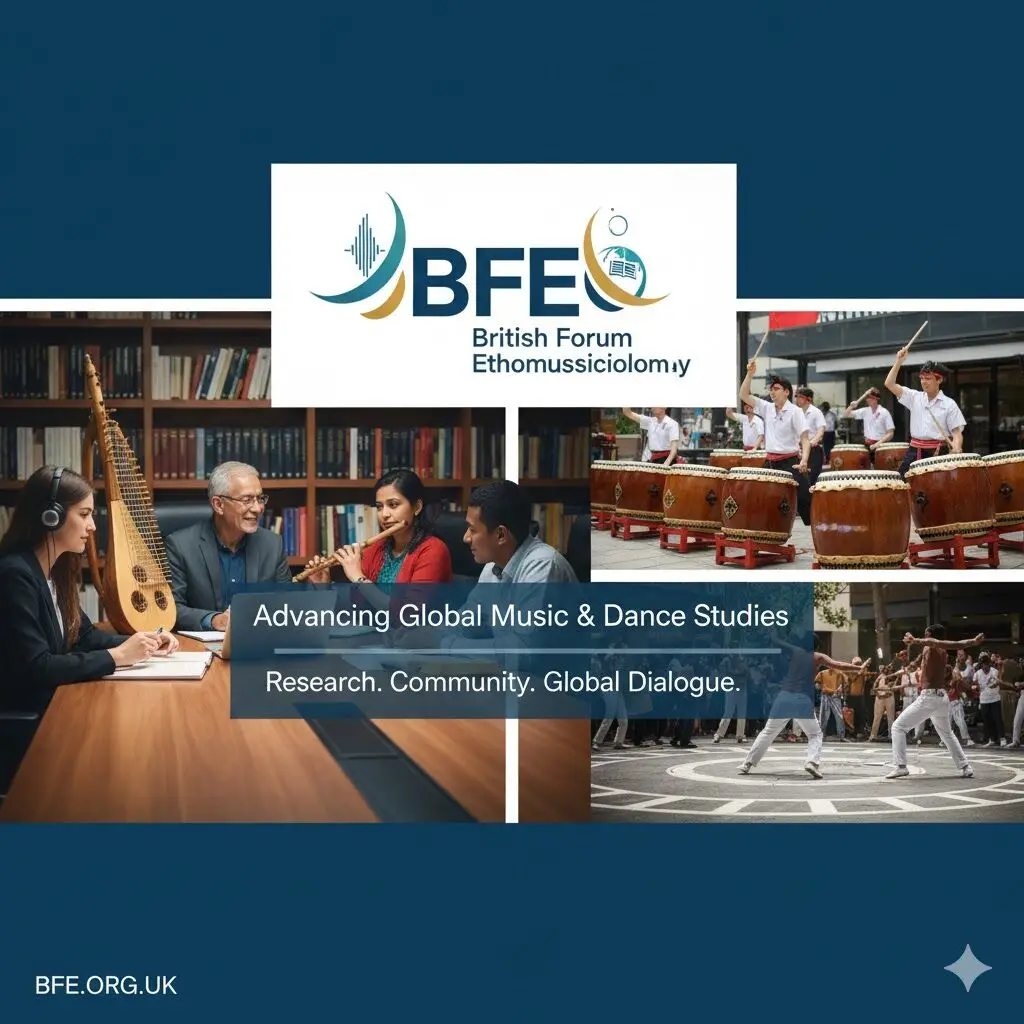
The British Forum for Ethnomusicology (BFE) stands as the United Kingdom’s primary professional body and educational charity dedicated to the rigorous study of music and dance from every corner of the globe. In an age where sound, culture, and technology intersect more than ever before, the BFE serves as a vital anchor for researchers, practitioners, and students who seek to understand "people making music."
Ethnomusicology is no longer confined to the study of "folk" or "exotic" traditions. It is a dynamic, anthropological approach to musical life that examines how sound shapes identity, how performance mediates social change, and how heritage is preserved in a rapidly globalizing world. The BFE, headquartered at the University of Keele in Staffordshire, provides the infrastructure—through publications, conferences, and grants—to ensure this discipline remains at the forefront of humanistic inquiry.
The Evolution of the BFE: From 1973 to Today
The roots of the BFE trace back to 01 January 1973, when it was established as the UK Chapter of the International Folk Music Council (IFMC). This period marked a burgeoning interest in the systemic documentation of traditional music across the British Isles and the Commonwealth.
As the discipline of ethnomusicology matured and broadened its scope to include popular music, urban soundscapes, and Western art music from an ethnographic perspective, the organization underwent a significant transformation. In 1995, it officially adopted the name "British Forum for Ethnomusicology," signaling its independence and its role as a premier scholarly forum. Today, it operates as a Registered Charity (England and Wales No. 1178039), overseen by a dedicated board of 15 trustees and administrators, including current Chair, Dr. Fiorella Montero-Diaz.
Core Value Proposition: Research, Community, and Global Dialogue
The BFE operates under a tripartite mission:
-
Research: Advancing the documentation and dissemination of musical knowledge.
-
Community: Fostering a supportive environment for students and early-career researchers.
-
Global Dialogue: Facilitating exchange between the UK and international bodies like the ICTMD (International Council for Traditions of Music and Dance).
By maintaining these pillars, the BFE ensures that ethnomusicology is not just an academic pursuit but a living, breathing dialogue that reflects the complexities of modern culture.
Scholarly Excellence: The Ethnomusicology Forum Journal
One of the most significant contributions of the BFE is the publication of Ethnomusicology Forum. Formerly known as the British Journal of Ethnomusicology, this prestigious, peer-reviewed journal is published in partnership with Taylor & Francis (Routledge).
Scope and Impact
Ethnomusicology Forum is indexed in the Arts & Humanities Citation Index (AHCI) and Scopus, maintaining a consistent Q2 ranking in music and anthropology. The journal provides a platform for:
-
Original Fieldwork: Articles emphasizing first-hand, sustained engagement with musical communities.
-
Theoretical Innovation: New thinking on the social, political, and cognitive aspects of music.
-
Interdisciplinary Dialogue: Research that bridges the gap between musicology, anthropology, sociology, and performance studies.
Each volume typically consists of three issues, often including special guest-edited editions that tackle pressing contemporary themes such as "Musical Futures," "Gender and Sound," or "Indigenous Decolonization."
Conferences and Events: A Forum for Innovation
The BFE is renowned for its high-profile events that bring together the world's leading scholars.
The Annual Conference
The flagship event is the BFE Annual Conference, traditionally held during the Easter break. Hosted by various UK universities—from Cambridge to the Open University—this four-day event features keynote lectures, paper presentations, and live musical performances. It is a critical space for the "Research" and "Community" pillars, offering students a chance to present alongside established professors.
One-Day Conferences and Specialist Study Days
For more focused academic debate, the BFE organizes Autumn One-Day Conferences and specialist Study Days. These events often focus on a singular theme, such as "Music and Migration" or "Digital Ethnography," allowing for deep dives into specific sub-fields.
The BFE/RMA Research Students’ Conference
In a unique collaboration with the Royal Musical Association (RMA), the BFE co-sponsors a dedicated conference for research students every January. This event provides a nurturing environment for PhD and Masters students to hone their presentation skills, receive feedback, and network within the broader musicological community.
Supporting the Next Generation: Grants and Prizes
Education and mentorship are at the heart of the BFE’s charitable mission. The organization offers several key financial and honorary incentives to promote excellence.
-
BFE Fieldwork Grants: These grants provide essential funding for doctoral students conducting ethnomusicological field research, whether in the UK or internationally. They cover travel, subsistence, and equipment costs, often making the difference in the feasibility of complex ethnographic projects.
-
BFE Book Prize: A biennial award recognizing outstanding monographs or edited collections written in English. It celebrates scholarship that significantly advances the field.
-
BFE Student Prize: Awarded for the best student paper presented at the Annual Conference, this prize encourages high standards of research and presentation among emerging scholars.
Membership and Professional Network
Becoming a member of the British Forum for Ethnomusicology offers more than just access to a journal; it provides entry into a global network of experts.
Membership Benefits:
-
Journal Access: Physical and digital copies of Ethnomusicology Forum.
-
Scholarly Archives: Access to decades of ethnomusicological research.
-
Mentorship: Connection to student mentorship programs and career development workshops.
-
Networking: An online member directory and access to private networking forums.
Who Should Join?
Membership is open to anyone with an interest in the study of music and dance. This includes:
-
Academic Researchers: Professors and university staff.
-
Students: From undergraduates curious about world music to PhD candidates.
-
Practitioners: Musicians, dancers, and educators interested in the cultural context of their craft.
-
Librarians and Archivists: Those managing sound and music collections.
Strategic Partnerships: A Global Outlook
The BFE does not operate in isolation. It maintains strong links with:
-
ICTMD: Serving as the UK National Committee for the International Council for Traditions of Music and Dance.
-
Royal Musical Association (RMA): Collaborative events and shared musicological goals.
-
Society for Ethnomusicology (SEM): Maintaining transatlantic ties with the US-based organization.
-
The British Library Sound Archive: Supporting the documentation and preservation of global sound heritage.
The Future of Ethnomusicology
As we navigate the 21st century, the British Forum for Ethnomusicology remains committed to encouraging innovative scholarship. In a world of "multiple, intertwined crises," music often provides a lens through which we can imagine better futures. Whether through the decolonization of the curriculum, the study of digital music-making, or the preservation of endangered traditions, the BFE ensures that the study of music remains a dynamic and influential discipline.
Frequently Asked Questions
1. What is the British Forum for Ethnomusicology?
The BFE is the UK's primary professional body and registered charity dedicated to the study of music and dance from all parts of the world.
2. How do I join the BFE?
You can join via the official website (https://bfe.org.uk) by selecting the Academic Membership that suits your status (Student, Individual, or Institutional).
3. What is the Ethnomusicology Forum?
It is the official, peer-reviewed academic journal of the BFE, published by Taylor & Francis, covering global musical traditions and theory.
4. Does the BFE provide funding for students?
Yes, the BFE offers Fieldwork Grants for doctoral students and several prizes, including the Student Prize for conference papers.
5. When is the BFE Annual Conference held?
The flagship annual conference is typically held during the Easter vacation period at different UK university campuses.
6. Is the BFE affiliated with any international organizations?
Yes, the BFE is the UK National Committee of the International Council for Traditions of Music and Dance (ICTMD).
7. Where is the BFE headquartered?
The BFE is based at the University of Keele, Newcastle-under-Lyme, Staffordshire, United Kingdom.
8. Can non-academics join the BFE?
Absolutely. Membership is open to researchers, practitioners, performers, and anyone interested in the cultural study of music and dance.
9. What payment methods does the BFE accept?
The BFE accepts Bank Transfers (BACS), Credit/Debit cards via PayPal, and Direct Debits for membership renewals.
10. How can I contact the BFE helpdesk?
You can reach the BFE administration at admin@bfe.org.uk or by calling 03003035303 during working hours (Mon-Fri, 09:00 – 17:00).
Top Categories
- Business Services 137
- Educational Services 93
- Event Organiser 45
- Health and Wellbeing 17
- Advertising Agencies 16
- Home and Garden 13
- Automotive 13
- Manufacturing Services 8
- Engineering 8
- Entertainment Services 5
- Legal Services 4
- Financial Services 4
- Gardening Services 4
- Accountants 2
- Cleaning Services 2
Top Viewed Articles
-
 Top Rated and Most Reliable Dentists in London
Jul 20 61
Top Rated and Most Reliable Dentists in London
Jul 20 61 -
Top Rated and Most Reliable Parking in London
Jul 09 54
-
Top Rated and Most Reliable Doctors in London
Jul 20 41
-
Top Rated and Most Reliable Junkyards in London
Jul 20 34
-
University of Sheffield: A Global Leader in Research & Student Excellence
Apr 04 30





Spread the Word
Know someone who would love this? Share it with them!