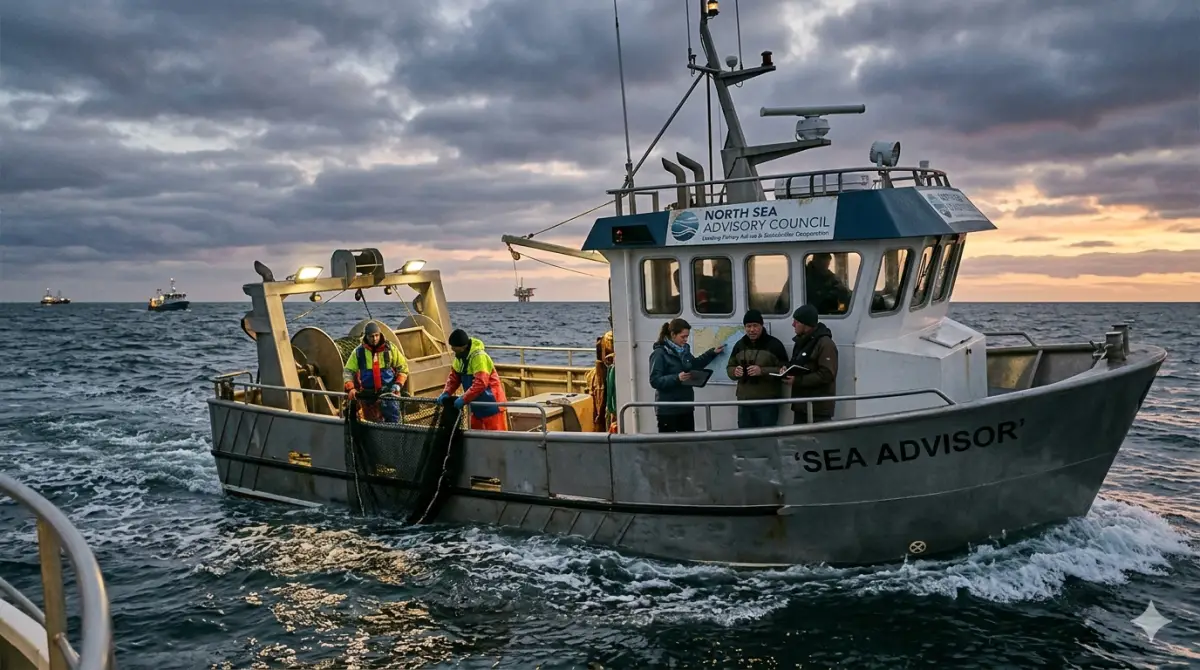
The North Sea is more than just a body of water; it is a complex, high-stakes theater of economic activity, biological diversity, and international governance. As one of the world's most productive fishing grounds, it supports thousands of livelihoods from Aberdeen to Amsterdam. However, managing these shared resources requires a delicate balance between commercial viability and ecological preservation. At the heart of this balancing act is the North Sea Advisory Council (NSAC).
Established in 2004 and headquartered in the maritime hub of Aberdeen, Scotland, the NSAC serves as a critical bridge. It is the platform where the fishing industry, environmental NGOs, and scientific experts converge to shape the future of European maritime policy. This article provides an in-depth exploration of how the NSAC operates, its impact on the Common Fisheries Policy (CFP), and its role in securing the long-term health of our oceans.
The Genesis and Mission of NSAC
The North Sea Advisory Council was born out of a fundamental shift in European governance—the realization that top-down regulation often fails without local, practical input. Following the 2002 reform of the Common Fisheries Policy, Advisory Councils (ACs) were created to provide a regionalized approach to management.
A Mission of Consensus
The mission of the NSAC is clear: to ensure the sustainable management of marine resources. Unlike purely academic or industrial bodies, the NSAC operates through consensus-building. By bringing together diverse stakeholders—ranging from small-scale coastal fishers to international conservation groups—the council synthesizes conflicting viewpoints into actionable policy advice for the European Commission and relevant Member States.
Navigating the Common Fisheries Policy (CFP)
The Common Fisheries Policy is the legislative framework for managing European fishing fleets and conserving fish stocks. For the NSAC, the CFP is the primary "rulebook," but the council’s job is to ensure that these rules are workable on the deck of a fishing vessel and effective beneath the waves.
Key Pillars of Influence:
-
Maximum Sustainable Yield (MSY): The NSAC provides expert advice on setting Total Allowable Catches (TACs) that align with MSY targets, ensuring fish populations can regenerate.
-
The Landing Obligation: Often referred to as the "discard ban," this policy requires all catches of regulated species to be kept on board and counted against quotas. The NSAC works tirelessly to address the technical and socio-economic challenges of this transition.
-
Technical Measures: From mesh sizes in nets to acoustic deterrents for porpoises, the NSAC reviews the gear and methods used in the North Sea to minimize bycatch and habitat damage.
The Science-Policy Interface
One of the NSAC's greatest strengths is its relationship with scientific bodies like the International Council for the Exploration of the Sea (ICES). Policy advice is only as good as the data it sits on.
The NSAC acts as a translator. It takes complex ecological data—such as shifts in spawning grounds due to climate change—and merges it with the "on-the-water" knowledge of the fishing industry. This dual-stream evidence base ensures that recommendations are both scientifically robust and practically feasible.
Addressing Modern Challenges: Climate Change and Beyond
The North Sea is warming faster than many other parts of the global ocean. This environmental shift is causing species like Cod and Plaice to migrate further north, disrupting traditional fishing patterns.
Climate Adaptation Strategies
The NSAC is at the forefront of developing climate-resilient management strategies. This includes:
-
Dynamic Spatial Planning: Moving away from static "closed areas" to more flexible management that follows the fish.
-
Decarbonization: Helping the fishing fleet transition to low-carbon fuels and more energy-efficient gear.
-
Ecosystem-Based Management: Recognizing that fisheries cannot be managed in isolation from the broader marine environment, including the impact of offshore wind farms and carbon capture projects.
Stakeholder Engagement: The Secret to Stability
In the past, the "Fishing Wars" between industry and environmentalists were common. The NSAC has transformed this dynamic. By providing a professional, neutral forum, the council ensures that even the most contentious issues—such as Marine Protected Areas (MPAs)—are discussed with mutual respect and a focus on shared goals.
Representation Matters
The NSAC represents a broad spectrum of interests:
-
Fishing Industry: Shipowners, small-scale fishers, and trade unions.
-
Other Interest Groups (OIGs): Environmental NGOs (e.g., WWF, Greenpeace), consumer groups, and recreational anglers.
-
Member State Observers: Ensuring that the governments of the UK, Denmark, Germany, the Netherlands, France, and Belgium are aligned with the council's direction.
Socio-Economic Stability of Coastal Communities
Sustainability is not just about fish; it is about people. The NSAC recognizes that the North Sea supports a vital socio-economic fabric. From the processing plants in Peterhead to the markets in Esbjerg, the council’s advice directly impacts the economic stability of coastal regions.
By advocating for "Blue Foods"—sustainable, low-carbon protein from the sea—the NSAC helps maintain the cultural heritage and economic viability of fishing towns, ensuring they are not left behind in the green transition.
Operational Excellence: The Secretariat and Expert Panels
Operating from Aberdeen, the NSAC Secretariat manages a complex web of Working Groups and Focus Groups. These groups are where the "heavy lifting" happens:
-
Demersal Working Group: Focused on bottom-dwelling species like cod, haddock, and whiting.
-
Ecosystem Working Group: Integrating environmental protection and biodiversity goals.
-
Focus Groups: Rapid-response units that tackle specific issues like Brexit-related management or specific gear innovations.
Looking Ahead: The Future of North Sea Governance
As the world moves toward the 2030 Biodiversity targets, the NSAC’s role will only grow in importance. The emergence of the "Blue Economy"—which includes tourism, renewable energy, and aquaculture—means the North Sea is becoming a crowded space.
The NSAC will continue to advocate for the fishing industry’s right to operate within a healthy, protected ecosystem. Through continued collaboration with the European Commission and international partners, the council remains the "Vital Link" in the maritime governance chain.
Frequently Asked Questions
1. What exactly is the North Sea Advisory Council (NSAC)?
The NSAC is a non-profit organization that provides the European Commission and Member States with stakeholder-led advice on managing North Sea fisheries. It ensures that those directly affected by policies have a voice in their creation.
2. Where is the NSAC located?
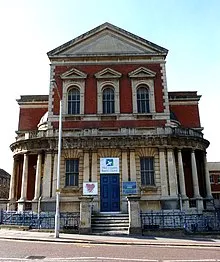
The secretariat is based in Aberdeen, Scotland, specifically at the Marine Scotland Science building on Victoria Road.
3. Who can become a member of the NSAC?
Membership is divided into two categories: 60% represents the fishing industry (including owners and workers) and 40% represents other interest groups (including environmental NGOs and consumer groups).
4. How does the NSAC influence EU policy?
The council produces "Advice Papers" based on consensus. These reports are submitted to the European Commission, which is legally required to take this advice into account when drafting fisheries regulations.
5. Does the NSAC conduct its own scientific research?
While the NSAC does not conduct primary laboratory research, it synthesizes existing scientific data from bodies like ICES and combines it with practical industry experience to create policy recommendations.
6. What is the "Common Fisheries Policy" (CFP)?
The CFP is the set of rules for managing European fishing fleets and for conserving fish stocks. It aims to give all European fishing fleets equal access to EU waters and fishing grounds and allow fishermen to compete fairly.
7. How does the NSAC address climate change?
The NSAC monitors stock migrations and shifts in marine biodiversity caused by warming waters. It advises on adaptive management strategies that allow the industry to adjust to these changes while protecting vulnerable species.
8. Is the NSAC involved in Brexit-related issues?
Yes. Since the North Sea is shared between the EU, the UK, and Norway, the NSAC plays a key role in fostering international cooperation and providing advice on shared stock management post-Brexit.
9. What languages does the NSAC support?
To ensure inclusive dialogue across the North Sea region, the council supports English, French, German, Dutch, and Danish.
10. How can I access NSAC's advice reports?
All approved advice papers and meeting minutes are available to the public via the NSAC’s digital document archive on their official website: www.nsrac.org.
Top Categories
Top Viewed Articles





Spread the Word
Know someone who would love this? Share it with them!