In an era of rapid technological disruption and shifting economic landscapes, the concept of "getting an education" has evolved from a single life stage into a continuous, lifelong journey. At the heart of this transformation is the Universities Association for Lifelong Learning (UALL). Founded in 1951, UALL has stood for over seven decades as the professional body representing the interests of higher education institutions dedicated to adult learners, community engagement, and flexible pedagogy.
This comprehensive guide explores the mission, impact, and strategic importance of UALL in the modern academic world, providing insights for practitioners, researchers, and policy-makers alike.
The Mission and Vision of UALL
The primary mission of UALL is to promote and support the development of lifelong learning within the university sector. But what does this mean in practice? It means ensuring that a 45-year-old looking to reskill in Artificial Intelligence has the same access to high-quality university resources as a 19-year-old undergraduate.
UALL acts as a collaborative platform, bridging the gap between academic research and public engagement. By fostering inclusivity and social mobility, UALL empowers institutions to meet the evolving needs of a diverse global society and a modern workforce that demands constant upskilling.
A Legacy of Innovation: From 1951 to the Digital Age
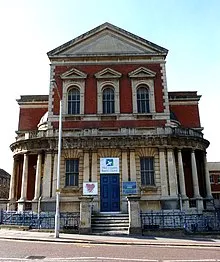
Formerly known as the Universities Council for Adult and Continuing Education, UALL’s roots are deeply embedded in the UK’s tradition of "extra-mural" studies. Based at the University of Oxford’s historic Rewley House, the association has evolved alongside the sector.
Key Historical Milestones:
-
1951: Formation as a collective to protect adult education in the post-war era.
-
Expansion: Integrating work-based learning and employer engagement into core university strategies.
-
Today: Leading the conversation on the Lifelong Learning Entitlement (LLE), a revolutionary shift in how student finance is structured in the UK.
Specialized Networks: The Engine of Professional Excellence
UALL doesn't just talk about policy; it creates communities of practice. Their specialized networks allow members to dive deep into specific areas of interest:
Public Engagement & Community Research
How do universities serve their local regions? This network focuses on the "Civic University" agenda, ensuring that academic research benefits the public and that communities have a voice in the institution.
Work-Based Learning & CPD
With the rise of degree apprenticeships and micro-credentials, this network is more vital than ever. It helps institutions design programs that align with industry needs, ensuring that Continuing Professional Development (CPD) is both rigorous and relevant.
Student Experience & Flexible Pedagogy
Adult learners have different needs than traditional students. They require flexibility—online, hybrid, and part-time options. This network shares best practices for supporting the "mature learner" journey, from enrollment to graduation.
Influencing Higher Education Policy
UALL is a key stakeholder in discussions with government departments and funding bodies. Their advocacy focuses on:
-
The Lifelong Learning Entitlement (LLE): Ensuring the transition to modular funding works for both institutions and students.
-
Social Mobility: Promoting adult education as a "second chance" for those from disadvantaged backgrounds.
-
Funding Advocacy: Lobbying for sustainable funding models for part-time and flexible provision.
The UALL Journal and Research Grants
To drive evidence-based policy, UALL supports the UALL Journal. This publication serves as a repository for cutting-edge research on adult pedagogy, the economics of lifelong learning, and the impact of community outreach. Additionally, UALL provides research grants to members, fostering the next generation of thinkers in the field of continuing education.
Membership: Why Your Institution Should Join
UALL is a membership-led organization. Benefits include:
-
Priority Access: Early insights into policy changes and funding opportunities.
-
Networking: Connection to a global community of HE professionals.
-
Professional Development: Discounted rates for the Annual Conference and specialized workshops.
-
The Member Portal: A digital library of resources, case studies, and toolkits.
The Annual Conference: A Global Stage
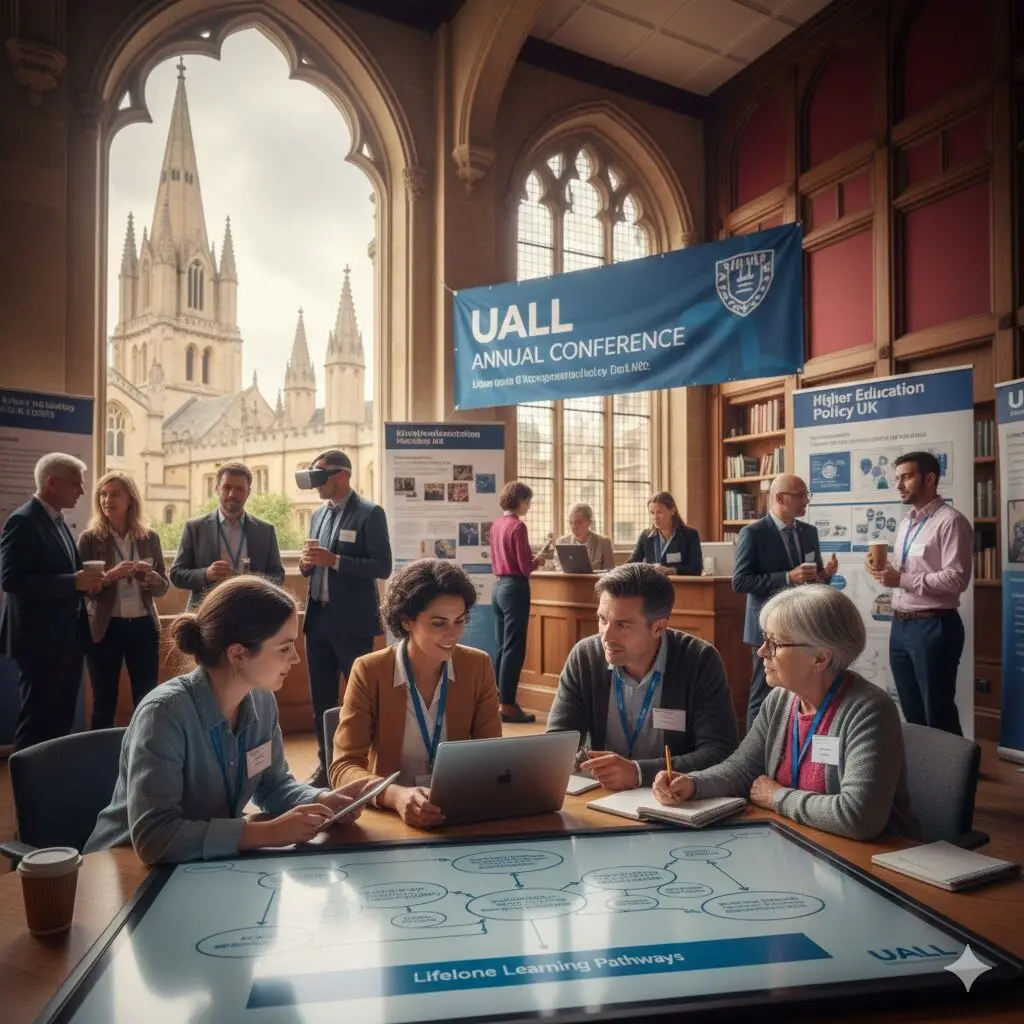
The UALL Annual Conference is the highlight of the professional calendar. It brings together delegates from the UK, Europe (via EUCEN), and internationally to debate the future of the sector. Themes often include sustainability, the digital divide, and the role of universities in fostering global citizenship.
Bridging the Skills Gap: The Modern Workforce
As automation and AI redefine job roles, the "half-life" of skills is shrinking. UALL assists universities in becoming "skills hubs" for their regions. By facilitating partnerships between HE and industry, UALL ensures that the UK remains competitive in the global market.
Inclusivity and Social Mobility
Lifelong learning is the ultimate tool for social justice. UALL’s commitment to "Learning for All" ensures that age, background, or previous educational attainment are not barriers to success. Their work in Widening Participation has helped thousands of learners re-enter the academic fold.
The Future of Lifelong Learning
The future of Higher Education is flexible, modular, and inclusive. As the professional body at the forefront of this movement, UALL continues to provide the leadership and collaboration necessary to make lifelong learning a reality for everyone. Whether you are an academic researcher, a university administrator, or a policy-maker, UALL is your partner in shaping the future of education.
Frequently Asked Questions
1. What is UALL?
UALL (Universities Association for Lifelong Learning) is the UK's professional body representing higher education institutions committed to lifelong learning, continuing education, and community engagement.
2. Where is UALL headquartered?
The association is based at the University of Oxford, specifically at Rewley House, 1 Wellington Square, Oxford, OX1 2JA.
3. Who can become a member of UALL?
Membership is primarily for Higher Education Institutions (Universities and Colleges). However, they also offer opportunities for individual practitioners and international partners.
4. What is the Lifelong Learning Entitlement (LLE)?
The LLE is a UK government initiative that provides individuals with a loan entitlement equivalent to four years of post-18 education, to be used flexibly over their lifetime. UALL is a key advocate for its successful implementation.
5. Does UALL offer research funding?
Yes, UALL provides research grants to its members to support projects that investigate and promote the benefits of lifelong learning.
6. How does UALL support professional development?
Through its specialized networks, annual conferences, and workshops, UALL provides a platform for staff to share best practices and enhance their professional skills in HE management and pedagogy.
7. Is UALL an international organization?
While its core focus is the UK, UALL has a strong international presence and is a member of major networks like EUCEN (European University Continuing Education Network).
8. What are the key service areas of UALL?
UALL specializes in lifelong learning policy, adult education advocacy, public engagement, and work-based learning.
9. How can I contact the UALL helpdesk?
You can reach the UALL administration at +44 (0) 1865 270360 or via email at admin@uall.ac.uk.
10. What payment methods does UALL accept for membership?
UALL accepts Bank Transfers (BACS), Credit/Debit cards, and payment via Invoice.
Contact Information:
-
Website: https://www.uall.ac.uk
-
Phone: +44 (0) 1865 270360
-
LinkedIn: linkedin.com/company/uall
Top Categories
- Business Services 137
- Educational Services 93
- Event Organiser 45
- Health and Wellbeing 17
- Advertising Agencies 16
- Home and Garden 13
- Automotive 13
- Manufacturing Services 8
- Engineering 8
- Entertainment Services 5
- Legal Services 4
- Financial Services 4
- Gardening Services 4
- Accountants 2
- Cleaning Services 2
Top Viewed Articles




Spread the Word
Know someone who would love this? Share it with them!