
Educational Services Articles
Explore 93 business insights in all locations
Educational Services
Apr 07, 2026
British Forum for Ethnomusicology: Music & Culture Guide UK
The British Forum for Ethnomusicology (BFE) stands as the United Kingdom’s primary professional body and educational charity dedicated to the rigorous study of music and dance from every corner of the globe. In an age where sound, culture, and technology intersect more than ever before, the BFE serves as a vital anchor for researchers, practitioners, and students who seek to understand "people making music."
Ethnomusicology is no longer confined to the study of "folk" or "exotic" traditions. It is a dynamic, anthropological approach to musical life that examines how sound shapes identity, how performance mediates social change, and how heritage is preserved in a rapidly globalizing world. The BFE, headquartered at the University of Keele in Staffordshire, provides the infrastructure—through publications, conferences, and grants—to ensure this discipline remains at the forefront of humanistic inquiry.
The Evolution of the BFE: From 1973 to Today
The roots of the BFE trace back to 01 January 1973, when it was established as the UK Chapter of the International Folk Music Council (IFMC). This period marked a burgeoning interest in the systemic documentation of traditional music across the British Isles and the Commonwealth.
As the discipline of ethnomusicology matured and broadened its scope to include popular music, urban soundscapes, and Western art music from an ethnographic perspective, the organization underwent a significant transformation. In 1995, it officially adopted the name "British Forum for Ethnomusicology," signaling its independence and its role as a premier scholarly forum. Today, it operates as a Registered Charity (England and Wales No. 1178039), overseen by a dedicated board of 15 trustees and administrators, including current Chair, Dr. Fiorella Montero-Diaz.
Core Value Proposition: Research, Community, and Global Dialogue
The BFE operates under a tripartite mission:
Research: Advancing the documentation and dissemination of musical knowledge.
Community: Fostering a supportive environment for students and early-career researchers.
Global Dialogue: Facilitating exchange between the UK and international bodies like the ICTMD (International Council for Traditions of Music and Dance).
By maintaining these pillars, the BFE ensures that ethnomusicology is not just an academic pursuit but a living, breathing dialogue that reflects the complexities of modern culture.
Scholarly Excellence: The Ethnomusicology Forum Journal
One of the most significant contributions of the BFE is the publication of Ethnomusicology Forum. Formerly known as the British Journal of Ethnomusicology, this prestigious, peer-reviewed journal is published in partnership with Taylor & Francis (Routledge).
Scope and Impact
Ethnomusicology Forum is indexed in the Arts & Humanities Citation Index (AHCI) and Scopus, maintaining a consistent Q2 ranking in music and anthropology. The journal provides a platform for:
Original Fieldwork: Articles emphasizing first-hand, sustained engagement with musical communities.
Theoretical Innovation: New thinking on the social, political, and cognitive aspects of music.
Interdisciplinary Dialogue: Research that bridges the gap between musicology, anthropology, sociology, and performance studies.
Each volume typically consists of three issues, often including special guest-edited editions that tackle pressing contemporary themes such as "Musical Futures," "Gender and Sound," or "Indigenous Decolonization."
Conferences and Events: A Forum for Innovation
The BFE is renowned for its high-profile events that bring together the world's leading scholars.
The Annual Conference
The flagship event is the BFE Annual Conference, traditionally held during the Easter break. Hosted by various UK universities—from Cambridge to the Open University—this four-day event features keynote lectures, paper presentations, and live musical performances. It is a critical space for the "Research" and "Community" pillars, offering students a chance to present alongside established professors.
One-Day Conferences and Specialist Study Days
For more focused academic debate, the BFE organizes Autumn One-Day Conferences and specialist Study Days. These events often focus on a singular theme, such as "Music and Migration" or "Digital Ethnography," allowing for deep dives into specific sub-fields.
The BFE/RMA Research Students’ Conference
In a unique collaboration with the Royal Musical Association (RMA), the BFE co-sponsors a dedicated conference for research students every January. This event provides a nurturing environment for PhD and Masters students to hone their presentation skills, receive feedback, and network within the broader musicological community.
Supporting the Next Generation: Grants and Prizes
Education and mentorship are at the heart of the BFE’s charitable mission. The organization offers several key financial and honorary incentives to promote excellence.
BFE Fieldwork Grants: These grants provide essential funding for doctoral students conducting ethnomusicological field research, whether in the UK or internationally. They cover travel, subsistence, and equipment costs, often making the difference in the feasibility of complex ethnographic projects.
BFE Book Prize: A biennial award recognizing outstanding monographs or edited collections written in English. It celebrates scholarship that significantly advances the field.
BFE Student Prize: Awarded for the best student paper presented at the Annual Conference, this prize encourages high standards of research and presentation among emerging scholars.
Membership and Professional Network
Becoming a member of the British Forum for Ethnomusicology offers more than just access to a journal; it provides entry into a global network of experts.
Membership Benefits:
Journal Access: Physical and digital copies of Ethnomusicology Forum.
Scholarly Archives: Access to decades of ethnomusicological research.
Mentorship: Connection to student mentorship programs and career development workshops.
Networking: An online member directory and access to private networking forums.
Who Should Join?
Membership is open to anyone with an interest in the study of music and dance. This includes:
Academic Researchers: Professors and university staff.
Students: From undergraduates curious about world music to PhD candidates.
Practitioners: Musicians, dancers, and educators interested in the cultural context of their craft.
Librarians and Archivists: Those managing sound and music collections.
Strategic Partnerships: A Global Outlook
The BFE does not operate in isolation. It maintains strong links with:
ICTMD: Serving as the UK National Committee for the International Council for Traditions of Music and Dance.
Royal Musical Association (RMA): Collaborative events and shared musicological goals.
Society for Ethnomusicology (SEM): Maintaining transatlantic ties with the US-based organization.
The British Library Sound Archive: Supporting the documentation and preservation of global sound heritage.
The Future of Ethnomusicology
As we navigate the 21st century, the British Forum for Ethnomusicology remains committed to encouraging innovative scholarship. In a world of "multiple, intertwined crises," music often provides a lens through which we can imagine better futures. Whether through the decolonization of the curriculum, the study of digital music-making, or the preservation of endangered traditions, the BFE ensures that the study of music remains a dynamic and influential discipline.
Frequently Asked Questions
1. What is the British Forum for Ethnomusicology?
The BFE is the UK's primary professional body and registered charity dedicated to the study of music and dance from all parts of the world.
2. How do I join the BFE?
You can join via the official website (https://bfe.org.uk) by selecting the Academic Membership that suits your status (Student, Individual, or Institutional).
3. What is the Ethnomusicology Forum?
It is the official, peer-reviewed academic journal of the BFE, published by Taylor & Francis, covering global musical traditions and theory.
4. Does the BFE provide funding for students?
Yes, the BFE offers Fieldwork Grants for doctoral students and several prizes, including the Student Prize for conference papers.
5. When is the BFE Annual Conference held?
The flagship annual conference is typically held during the Easter vacation period at different UK university campuses.
6. Is the BFE affiliated with any international organizations?
Yes, the BFE is the UK National Committee of the International Council for Traditions of Music and Dance (ICTMD).
7. Where is the BFE headquartered?
The BFE is based at the University of Keele, Newcastle-under-Lyme, Staffordshire, United Kingdom.
8. Can non-academics join the BFE?
Absolutely. Membership is open to researchers, practitioners, performers, and anyone interested in the cultural study of music and dance.
9. What payment methods does the BFE accept?
The BFE accepts Bank Transfers (BACS), Credit/Debit cards via PayPal, and Direct Debits for membership renewals.
10. How can I contact the BFE helpdesk?
You can reach the BFE administration at admin@bfe.org.uk or by calling 03003035303 during working hours (Mon-Fri, 09:00 – 17:00).
Milton Keynes
3 Views
Educational Services
Apr 07, 2026
The Open University: A Global Leader in Distance Learning
Since its inception in 1969, The Open University (OU) has remained a beacon of social justice and academic innovation. Headquartered in Walton Hall, Milton Keynes, United Kingdom, the OU is the largest academic institution in the UK by student numbers, currently serving approximately 170,000 learners. Founded on the revolutionary concept of being "open to people, places, methods, and ideas," the university has dismantled traditional barriers to higher education, proving that academic excellence and accessibility can go hand-in-hand.
With over 2 million alumni and a global reach, the OU is more than just a provider of distance learning; it is a world-renowned research powerhouse and a vital partner to organizations like the BBC. Whether you are looking for an undergraduate degree to kickstart your career or a professional development course to upskill, the OU offers a life-changing educational experience that fits around your life, not the other way around.
1. The Visionaries Behind the Revolution: History and Founding
The story of the OU began as a bold political and social experiment. The concept was championed by Prime Minister Harold Wilson, who envisioned a "University of the Air" that used modern technology to bring education into the living rooms of the nation. The implementation was driven by Jennie Lee, the Minister for the Arts, who fought for the university to have the same status and rigour as traditional elite institutions.
Founded Date: 23 April 1969 (Granting of the Royal Charter)
First Students Enrolled: 1971
Royal Charter Number: RC000391
Today, that vision has evolved into a sophisticated digital ecosystem, but the core principle remains: your previous academic qualifications (or lack thereof) should not limit your future potential.
2. The Unique Value Proposition: Flexibility and Innovation
The Open University’s primary strength lies in its Supported Open Learning model. Unlike standard online courses that can feel isolating, the OU provides a high-touch experience:
Vast Discipline Range: Over 200 qualifications spanning STEM, Business, Arts, Social Sciences, and more.
Earn While You Learn: Over 70% of OU students are in employment. The model is specifically designed for those balancing study with work, family, or caregiving responsibilities.
Tutor-Led Support: Every student is assigned a dedicated tutor who provides feedback on assignments and guidance via phone, email, and online forums.
Innovation in Pedagogy: Using a Virtual Learning Environment (VLE) and high-quality digital resources, the OU creates an interactive classroom atmosphere anywhere in the world.
3. Academic Programs and Qualifications
The OU offers a comprehensive ladder of learning, from free introductory modules to world-class doctoral research.
Undergraduate Degrees
The OU is famous for its Bachelor’s degrees with no formal entry requirements for most courses. Students can choose specialized paths like BSc (Hons) in Cyber Security or BA (Hons) in Business Management, or opt for the "Open Degree," which allows for a multidisciplinary approach across different subjects.
Postgraduate Excellence
For those looking to specialize, the OU offers Masters, Diplomas, and Certificates. Notably, the Open University Business School is among an elite 1% of business schools worldwide to hold triple accreditation (AACSB, AMBA, and EQUIS).
OpenLearn: The Gift of Knowledge
Through the OpenLearn platform, the OU provides over 1,000 free courses to the public. This initiative serves the university's mission of social justice, providing a "taster" of university-level study to millions of people globally each year.
Research and Doctoral Studies
As a research-intensive institution, the OU tackles global challenges in areas like space science, international development, and educational technology. Its research is consistently rated as "world-leading" or "internationally excellent" in the UK Research Excellence Framework (REF).
4. Student Support and Amenities
Education at a distance does not mean education in isolation. The OU provides a robust infrastructure to ensure student success:
Online Student Support Team: Specialized advisors for financial, administrative, and disability support.
Virtual Learning Environment (VLE): A central hub for course materials, collaborative forums, and interactive media.
Library Services: 24/7 digital access to one of the world's largest collections of academic journals, e-books, and databases.
Career Advisory Service: Award-winning support that helps students translate their OU experience into career advancement.
Accessibility: A pioneer in inclusive pedagogy, the OU provides extensive support for students with disabilities, making it the largest provider for this demographic in Europe.
5. Global Reach and Brand Associations
While its physical heart is in Milton Keynes, the OU's reach is truly global. It operates through:
OU Worldwide: The commercial arm that manages international partnerships.
FutureLearn: A joint venture (pioneered by the OU) that brought MOOCs (Massive Open Online Courses) to the global stage.
BBC Partnership: For over 50 years, the OU has co-produced iconic programming, from The Blue Planet to The Money Programme, bringing academic expertise to millions of viewers.
6. Practical Information for Prospective Students
Contact Details
Website: https://www.open.ac.uk
Email: general-enquiries@open.ac.uk
Helpdesk Number: 0300 303 5303
Address: Walton Hall, Milton Keynes, Buckinghamshire, MK7 6AA, United Kingdom.
Working Hours
Monday–Friday: 08:00 – 20:00
Saturday: 09:00 – 17:00
Sunday: Closed
Accepted Payment Methods
The OU offers several flexible ways to fund your studies, reflecting its commitment to affordability:
Student Loans: Support through Student Finance England (SFE) and other UK bodies.
Employer Sponsorship: 77% of FTSE 100 companies have sponsored staff for OU courses.
Credit/Debit Cards & Bank Transfers.
Frequently Asked Questions
1. Do I need previous qualifications to study at The Open University?
No. For the majority of undergraduate degrees, there are no formal entry requirements. The OU believes in your potential, not just your past academic record.
2. Is a degree from The Open University respected by employers?
Absolutely. OU degrees are regulated by the Office for Students (OfS) and hold the same status as degrees from any other UK university. The Business School is also triple-accredited.
3. How does distance learning actually work at the OU?
You study using a blend of digital resources, textbooks, and online tutorials. You are supported by a dedicated tutor and can interact with fellow students via online forums.
4. Can international students study at the OU?
Yes. The OU has students in over 150 countries. However, some vocational courses (like Nursing or Social Work) may be restricted to UK-based students.
5. How long does it take to complete a degree?
A typical honors degree (360 credits) takes 3 years if studied full-time or 6 years if studied part-time. The flexibility allows you to speed up or slow down as needed.
6. What is OpenLearn?
OpenLearn is the OU's free learning platform. It offers over 1,000 free courses, videos, and articles to help you explore new subjects or prepare for formal study.
7. Are there any physical campuses I need to visit?
While the administrative headquarters is in Milton Keynes, most students never need to visit. Some specific modules may offer optional residential schools or local tutorials, but the vast majority is completed online.
8. Is there support for students with disabilities?
Yes. The OU is a leader in accessible education. They provide tailored study materials, assistive technology advice, and dedicated support for a wide range of needs.
9. How do I pay for my studies?
You can pay via student loans, credit/debit cards, bank transfers, or through employer sponsorship. The OU also offers an account management service to spread costs.
10. Can I transfer credits from another university?
Yes. The OU has a "Credit Transfer" process where previous higher education study can often be counted toward an OU qualification, saving you time and money.
Your Future, Open
The Open University continues to lead the global learning revolution. By combining academic rigour with unparalleled flexibility, it ensures that education remains a driver for personal fulfillment and economic growth. Whether you are in the heart of London or a remote village overseas, the OU brings the world’s best education directly to you.
Visit www.open.ac.uk today to start your journey.
Milton Keynes
8 Views
Educational Services
Apr 07, 2026
Teachers of Mathematics Association Guide to Innovation UK
Mathematics is often described as the universal language of human functioning. Since its inception in 1950, the Association of Teachers of Mathematics (ATM) has stood at the forefront of this belief, championing an approach to education that prioritizes the learner's needs above rigid instructional scripts. Founded by the visionary Caleb Gattegno, ATM has evolved from a small group of passionate educators into a world-renowned membership organization and registered charity (No. 293125) that shapes the way mathematics is taught and understood globally.
In this comprehensive guide, we explore the history, mission, resources, and professional impact of the ATM, illustrating why it remains the premier choice for mathematics educators—from nursery practitioners to tertiary researchers.
The Legacy of Caleb Gattegno: A Foundation of Innovation
To understand the ATM is to understand its founder, Caleb Gattegno. Established in 1950 and later incorporated in 1985, the association was built on the radical (at the time) premise that "the power to learn rests with the learner." Gattegno, a pioneer in educational psychology, believed that teaching should be subordinate to learning.
This philosophy birthed tools and methods that are now staples in classrooms worldwide, such as Cuisenaire rods and the Geoboard. The ATM carries this legacy forward by encouraging a questioning approach and collaborative learning, ensuring that mathematics is never seen as an intimidating monolith, but as an accessible, creative human endeavor.
Why Join ATM? The Value Proposition
For its 3,500+ members, the ATM is more than just a professional body; it is a vibrant community of practice. The value proposition is centered on "Inspiration and Innovation." ### 1. The Mathematics Teaching (MT) Journal The prestigious bi-monthly journal, Mathematics Teaching, is the crown jewel of ATM membership. Unlike traditional academic journals that focus solely on abstract theory, MT is written by teachers, for teachers. It provides:
Practical classroom activities.
Reflective pieces on pedagogical research.
Critical analysis of current educational policies.
Visual and interactive ideas to spark student engagement.
2. High-Quality Professional Development (CPD)
In an ever-changing educational landscape, staying current is vital. ATM offers an extensive suite of Professional Development Courses tailored to various Key Stages. Whether you are looking to master primary mastery techniques or explore advanced secondary calculus strategies, ATM’s CPD is designed to transform the classroom experience through evidence-based research.
3. The Annual Conference
Every year, the ATM hosts its landmark Annual Conference. This event brings together global experts, researchers, and classroom practitioners to share "blue pages" of innovation. It is a hub for networking, where members can engage in specialist working groups and witness the latest technological advancements in mathematics education.
Resources for the Modern Classroom
Beyond membership, the ATM operates as a vital resource hub. Their online portal and physical publications cover:
Membership Schemes: Tiered options for students, individuals, and institutions.
Educational Publications: A vast library of books and digital resources that challenge students to think deeply.
Local Branch Networking: Connecting educators in Derbyshire, Derby, and across the UK to foster local collaboration.
A Questioning Approach: ATM’s Pedagogical Specialization
The ATM specializes in Mathematics Pedagogy. This isn't just about "how to do sums"; it’s about understanding the cognitive architecture of learning. By focusing on Curriculum Development and Teacher Training, the ATM helps educators move away from "teaching to the test" and toward fostering a lifelong, deep understanding of mathematical concepts.
The association is a proud member of the Joint Council for the Mathematical Sciences (JCMS) and the Royal Society Advisory Committee on Mathematics Education, ensuring its members' voices are heard at the highest levels of government and policy-making.
Community and Connectivity
Located at 2a Vernon Street, Vernon House in Derby (near the University of Derby), the ATM headquarters serves as the administrative heart of a national and international network. Supported by a dedicated team of 12 employees and managed by a board of expert Trustees, the organization remains a non-profit powerhouse dedicated entirely to the advancement of mathematical education.
Frequently Asked Questions
1. What is the Association of Teachers of Mathematics (ATM)?
The ATM is a registered charity and membership organization dedicated to improving mathematics education by focusing on the needs of the learner and supporting teacher professional development.
2. Who can join the ATM?
Membership is open to everyone involved in mathematics education, including nursery, primary, and secondary teachers, university academics, students, numeracy consultants, and parents.
3. What are the benefits of an ATM membership?
Members receive the Mathematics Teaching journal, discounted rates for the annual conference and CPD courses, access to exclusive online resources, and the opportunity to join local networking branches.
4. How much does membership cost?
The ATM offers various membership tiers, including student, retired, personal, and institutional options. Current pricing can be found on their official website at atm.org.uk.
5. What is the "Mathematics Teaching" journal?
It is a bi-monthly publication featuring innovative teaching ideas, research-based articles, and peer reflections designed to inspire better classroom practice.
6. Does the ATM offer resources for primary school teachers?
Yes, the ATM provides specific resources, publications, and CPD courses tailored to primary mathematics, focusing on conceptual understanding and early numeracy.
7. Where is the ATM headquarters located?
The headquarters is located at 2a Vernon House, 2a Vernon Street, Derby, DE1 1FR, United Kingdom.
8. Can I attend the ATM Annual Conference if I am not a member?
Yes, non-members can attend the conference, though members receive a significant discount on registration fees.
9. Is the ATM involved in government policy?
Yes, the ATM works with the Royal Society and the Joint Council for the Mathematical Sciences to advocate for high-quality mathematics education and influence curriculum development.
10. How can I contact the ATM helpdesk?
You can reach the ATM team at 01332 977891 or via email at admin@atm.org.uk.
Derby
3 Views
Educational Services
Apr 07, 2026
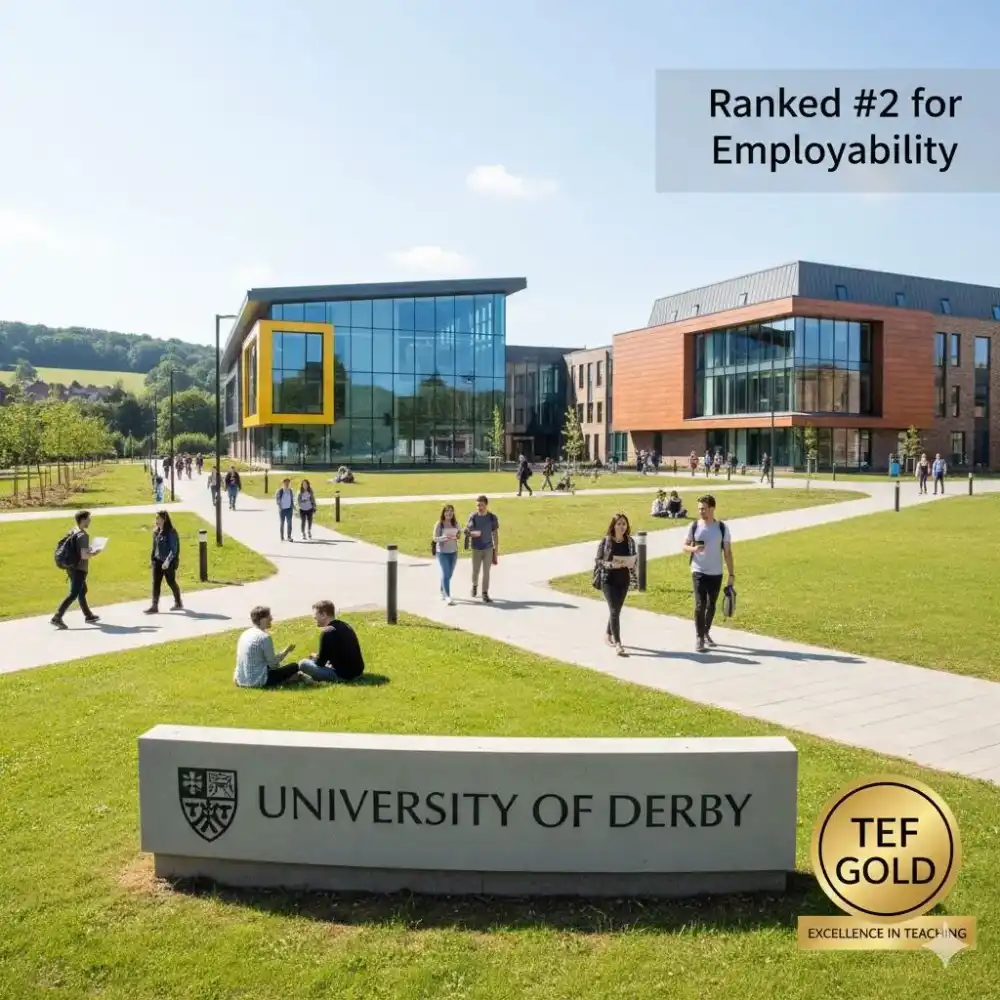
University of Derby: Pioneering Applied Education & Global Innovation
The University of Derby stands as a beacon of modern higher education in the heart of the United Kingdom. With a heritage stretching back to 1851 and a reputation for "Gold" standard teaching, the institution has evolved into a powerhouse for social mobility, regional economic growth, and world-class research. Whether you are a prospective student seeking a transformative career path or a business leader looking for cutting-edge R&D collaboration, the University of Derby offers a unique ecosystem where academic theory meets professional practice.
An Award-Winning Academic Legacy
In the complex landscape of UK higher education, the University of Derby distinguishes itself through its TEF Gold rating. Awarded by the Office for Students (OfS), this prestigious recognition signifies that the student experience and outcomes at Derby are typically outstanding.
Ranked in the Top 10 of the Uni Compare 2026 rankings and recognized as a Top 25 UK University for Teaching Quality by the Times and Sunday Times Good University Guide 2025, Derby proves that excellence is not just a goal but a consistent standard. The university's mission is clear: to provide students from all backgrounds with the opportunity to succeed while driving innovation through strategic industry partnerships.
World-Class Facilities and Specialized Learning
Derby’s commitment to "applied learning" is visible across its sprawling campuses, primarily centered at Kedleston Road. The university has invested millions into state-of-the-art facilities that mirror professional environments:
STEM Labs & Engineering Hubs: Advanced laboratories for biomedical science and mechanical engineering.
NHS-Standard Clinical Suites: Training the next generation of healthcare professionals in realistic medical environments.
Financial Trading Room: Equipped with Bloomberg terminals to give business students a taste of the global markets.
Mock Courtroom: Providing law students with a platform to hone their litigation skills.
Creative Studios: Specialized spaces for digital marketing, graphic design, and the performing arts at Derby Theatre.
With over 300 undergraduate and postgraduate courses, the university covers a vast spectrum of specializations including Applied Sciences, Engineering & Technology, Business & Management, Nursing & Healthcare, and Creative Arts.
A Catalyst for Business Growth
The University of Derby is more than an educational institution; it is a vital engine for the regional economy. Through its Business Engagement team, the university serves as a gateway for local and international enterprises to access:
1. Research & Development (R&D)
Derby is at the forefront of the UK’s digital and industrial transformation. The Rail Research and Innovation Centre (RRIC) and the Institute of Innovation in Sustainable Engineering (IISE) work closely with giants like Rolls-Royce and Toyota, as well as innovative SMEs.
2. Student-Led Consultancy
The Derby International Business School Consultancy Hub allows businesses to tap into fresh perspectives. Small to Medium Enterprises (SMEs) can benefit from the Accounting Clinic, where students provide supervised financial support, bridging the gap between classroom theory and commercial reality.
3. Knowledge Transfer Partnerships (KTPs)
By facilitating KTPs, the university helps businesses solve high-priority challenges by embedding a graduate and an academic expert within the organization, often supported by government funding.
Excellence in Employability
A defining metric of Derby’s success is its 96% employability rate. According to the latest HESA Graduate Outcomes survey, nearly all graduates are in work or further study within six months of finishing their degree.
Ranked 2nd in the UK for Employability (Uni Compare 2026), the university integrates professional skills into every curriculum. This "work-ready" focus ensures that graduates don't just leave with a degree, but with the resilience and practical expertise demanded by global markets.
Sustainability and Civic Responsibility
As a "Civic University," Derby has committed to a Civic University Agreement, reaffirming its role in the prosperity of Derbyshire. The university leads by example in sustainability, with projects like DE-Carbonise helping local businesses reduce their carbon footprint. Their research themes often align with global challenges, focusing on zero-carbon growth, social mobility, and digital health.
Student Life in the Heart of England
Located near the beautiful Markeaton Park, the university offers a vibrant student culture. With its No. 1 ranking for Accommodation (Global Student Living Awards 2022-2025) and a safe, inclusive community, students from over 100 countries call Derby home. The University of Derby Students' Union provides a plethora of societies and sports clubs, ensuring that personal growth happens both inside and outside the lecture theatre.
Quick Facts & Contact Information
Headquarters: Kedleston Road, Derby, DE22 1GB, United Kingdom
Phone: +44 (0)1332 594000
Email: enquiries@derby.ac.uk
Website: www.derby.ac.uk
Working Hours: Monday–Friday, 09:00 – 17:00
Certifications: TEF Gold, AACSB Accredited, Ofsted Outstanding (Teacher Training)
Associations: MillionPlus, Universities UK
Frequently Asked Questions
1. What is the University of Derby's TEF rating?
The University of Derby holds a Gold rating in the Teaching Excellence Framework (TEF) 2023, the highest possible award, reflecting outstanding teaching and student outcomes.
2. How does the university rank for employability?
Derby is ranked 2nd in the UK for Employability by Uni Compare 2026, with 96% of graduates in work or further study within six months of graduation.
3. Does the university offer online learning?
Yes, the University of Derby is a leading provider of online education, offering a wide range of undergraduate, postgraduate, and professional development (CPD) courses through University of Derby Online Learning.
4. What are the key industry partners of the university?
The university maintains strong links with major global brands including Rolls-Royce, Toyota, the NHS, and Unipart, as well as regional organizations through its Civic University Agreement.
5. Are there scholarships available for international students?
Yes, the University of Derby offers several scholarships, including the Vice-Chancellor’s Scholarship and GREAT Scholarships, for eligible international applicants.
6. What facilities are available for nursing students?
Derby provides NHS-standard clinical suites and mock hospital wards to ensure nursing and healthcare students train in environments that replicate real-world medical settings.
7. Can businesses access free consultancy?
Yes, through various funded programs and student-led hubs like the Accounting Clinic, SMEs can often access free or subsidized consultancy and R&D support.
8. Where is the main campus located?
The main campus is located on Kedleston Road in Derby, near Markeaton Park, with additional sites at One Friar Gate Square, Britannia Mill, and a campus in Chesterfield.
9. Is the University of Derby Business School accredited?
Yes, the Derby International Business School is AACSB accredited, a hallmark of excellence achieved by fewer than 6% of business schools globally.
10. What payment methods are accepted for tuition fees?
The university accepts Bank Transfer, Visa, Mastercard, American Express, Union Pay, and Alipay.
Derby
7 Views
Article Posting
Get Started Today to Publish an Article

Educational Services
Apr 06, 2026
Nautical Archaeology Society: Preserving Our Sunken Past
The Nautical Archaeology Society (NAS) stands as a beacon for the preservation and exploration of global underwater cultural heritage. Established in 1972 and headquartered in Portsmouth, United Kingdom, this registered charity (No. 264209) has spent over five decades bridging the gap between professional maritime researchers and passionate volunteers. Whether you are a recreational diver, a history enthusiast, or a professional academic, the NAS provides a structured gateway into the fascinating world of maritime archaeology.
The Mission and Vision
The primary mission of the NAS is to advance education in nautical archaeology at every level. By improving the standards of recording, conservation, and reporting of shipwrecks and submerged landscapes, the society ensures that the stories of our sunken past are not lost to time or decay. As a UNESCO-accredited NGO, the NAS plays a vital role in international consultancy, advocating for the 2001 Convention on the Protection of the Underwater Cultural Heritage.
A Legacy of Discovery: Founded in 1972
The roots of the NAS trace back to the Council for Nautical Archaeology, its predecessor, which sought to channel the discoveries of the diving community into academic research. Since its official formation in 1972, with prominent figures like Phil Harding serving as President, the society has evolved into an international powerhouse with a service area that spans the globe.
Internationally Recognized Archaeological Training
One of the core pillars of the NAS is its award-winning training program. Designed to be accessible to both divers and non-divers, the curriculum scales from foundational concepts to a specialized Diploma.
Training Levels and Certification
Introduction to Maritime Archaeology: A perfect starting point for beginners, covering basic principles and the importance of heritage.
Foundation to Part I: Focuses on practical skills, including site surveying and 2D recording.
Part II & III (Advanced Skills): Covers specialized subjects like photogrammetry, shipwreck conservation, and intertidal recording.
Diploma in Maritime Archaeology: The highest level of NAS accreditation, requiring significant fieldwork and a published report.
eLearning and Specialist Skills Days
For those unable to travel to Portsmouth, the NAS offers a robust eLearning platform. This digital suite allows students to complete modules on their own schedule, covering everything from "Timber Recording" to "Ceramic Identification." Specialist skills days often take place at historic sites like Fort Cumberland, providing hands-on experience in underwater surveying and site management.
The International Journal of Nautical Archaeology (IJNA)
The NAS is the proud manager of the International Journal of Nautical Archaeology (IJNA). This peer-reviewed publication is the gold standard for maritime research, featuring original articles on shipwrecks, maritime trade, and submerged landscapes from prehistory to the modern era. Members receive exclusive access to this journal, keeping them at the cutting edge of global archaeological developments.
Community Engagement: The "Adopt-a-Wreck" Scheme
The "Adopt-a-Wreck" scheme is a hallmark of the NAS’s commitment to citizen science. It empowers local dive clubs and individuals to take ownership of a specific maritime site.
Stewardship: Volunteers monitor the condition of wrecks over time.
Reporting: Data collected by "adopters" is fed into national databases, assisting heritage agencies like Historic England and Cadw.
Awards: The NAS hosts an annual conference where the best "Adopt-a-Wreck" projects are recognized for their contribution to history.
Specialized Services and Expert Consultancy
Beyond education, the NAS operates as a specialized consultancy. Their expertise in maritime archaeology is sought after by governments and private developers to ensure that offshore projects (such as wind farms or harbor expansions) do not impact significant heritage sites.
Core Specializations Include:
Underwater Surveying: High-precision mapping of submerged structures.
Photogrammetry: Creating 3D digital models of shipwrecks.
Intertidal & Foreshore Recording: Documenting sites exposed at low tide.
Technical Library: Access to a specialist library at the Portsmouth headquarters for members.
Membership and The NAS Dive Club (NASAC)
Joining the NAS is more than just a subscription; it is an entry into a global community. Members benefit from:
Heritage Tours: Exclusive access to sites like the Mary Rose or the Newport Medieval Ship.
Fieldwork Opportunities: Priority placement on active archaeological digs.
NASAC: The society’s own dive club, where members can practice their surveying skills in a social, supportive environment.
Business Information & Contact Details
Business Name: Nautical Archaeology Society (NAS)
Physical Address: Fort Cumberland, Fort Cumberland Road, Eastney, Portsmouth, PO4 9LD, United Kingdom
Phone Number: 02392818419
Email: nas@nauticalarchaeologysociety.org
Website: https://www.nauticalarchaeologysociety.org
Working Hours: Monday–Friday, 09:00–17:00
Accepted Payments: Bank Transfer, Credit/Debit Cards, PayPal, Monthly Subscriptions.
Frequently Asked Questions
1. Do I need to be a scuba diver to join the Nautical Archaeology Society?
No! The NAS offers many opportunities for non-divers, including intertidal recording (foreshore archaeology), archival research, and terrestrial surveying at maritime sites.
2. How do I start the NAS training program?
The best way to start is by enrolling in the "Introduction to Maritime Archaeology" course, which is available both in-person and via our eLearning platform.
3. What is the "Adopt-a-Wreck" scheme?
It is a volunteer program where groups or individuals "adopt" a shipwreck or maritime site to monitor, research, and record its condition, promoting long-term stewardship.
4. Is the NAS training recognized internationally?
Yes, the NAS training certificate is globally recognized and often used as a prerequisite for participating in international maritime archaeological projects.
5. Can I visit the NAS headquarters?
The NAS is based at Fort Cumberland in Portsmouth. While the office is open for support, we recommend contacting us in advance if you wish to access the specialist library.
6. What is the IJNA?
The International Journal of Nautical Archaeology (IJNA) is a leading academic journal published by the NAS that covers all aspects of maritime and nautical archaeology.
7. How does the NAS support UNESCO?
The NAS is a UNESCO-accredited NGO. We provide expert advice and advocate for the protection of underwater cultural heritage according to the 2001 UNESCO Convention.
8. Are there student or family memberships available?
Yes, the NAS offers various membership tiers, including discounted rates for students and comprehensive packages for families and couples.
9. Can the NAS help with professional career development in archaeology?
Absolutely. Many professional maritime archaeologists began their careers with NAS credits. Our courses provide the practical field experience required for many graduate programs.
10. What payment methods does the NAS accept for courses?
We accept all major credit/debit cards, PayPal, bank transfers, and offer monthly subscription options for memberships.
The Nautical Archaeology Society remains the premier organization for anyone looking to make a real-world impact on the preservation of history. Through rigorous archaeological training, high-impact research in the IJNA, and a passionate community of volunteers, the NAS ensures that the secrets of the deep are brought to light ethically and scientifically. Visit our website today to start your journey into the past.
Portsmouth
10 Views

Educational Services
Apr 06, 2026
University of Portsmouth: A Global Hub for Innovation
Choosing a university is one of the most significant decisions a student can make. In an era where the global economy is rapidly evolving, the University of Portsmouth stands out as a forward-thinking institution that bridges the gap between academic theory and professional reality. Located in the heart of the UK’s only island city, Portsmouth is more than just a place of study; it is a launchpad for global careers and a center for groundbreaking research.
Tracing its roots back to 1869, the University has spent over 150 years refining its approach to education. Today, it is recognized as a leading modern university with a 5-star QS rating for teaching and internationalization and a prestigious TEF Gold award for teaching excellence. Whether you are a prospective undergraduate, a professional seeking a degree apprenticeship, or a researcher aiming to solve global challenges, Portsmouth offers a unique, inclusive environment designed for impact.
The "Connected Degrees" Advantage: Linking Theory to Practice
One of the most distinctive features of the University of Portsmouth is its Connected Degrees initiative. In a competitive job market, having a degree is often not enough—employers demand experience.
How Connected Degrees Work
Portsmouth’s curriculum is built on the principle of "applied learning." This means:
Work-Integrated Learning: Every course is designed to incorporate real or simulated work-based scenarios.
Flexible Sandwich Years: Portsmouth is the only university to offer flexible sandwich years, allowing students to take a paid placement either before or after their final year of study.
Micro-credentials: Students can earn transferable skills reinforced by micro-credentials, making their CVs stand out to global recruiters.
By 2030, the university aims to ensure every graduate is "distinctive" and "highly employable," a goal supported by five years of free career-building support offered to all alumni.
Academic Excellence: Faculties and Specializations
The university’s academic structure is divided into five diverse faculties, each a powerhouse of innovation and specialized knowledge:
Faculty of Business and Law: Home to the Portsmouth Business School, offering world-class programs in Accounting, Finance, and International Business.
Faculty of Creative and Cultural Industries: A leader in Digital Technology, Film, and Creative Media, utilizing state-of-the-art VR and Motion Capture studios.
Faculty of Humanities and Social Sciences: Renowned for its Criminology, International Relations, and Education programs.
Faculty of Science and Health: Specializing in Marine Biology, Pharmacy, and Biomedical Sciences.
Faculty of Technology: A hub for Sustainable Engineering, Computer Science, and Space Science.
Top Ranked Courses for 2026
According to the Guardian University Guide 2026 and the Complete University Guide, Portsmouth holds impressive national rankings in specific subjects:
Accounting and Finance: Ranked 15th in the UK.
Media and Film Studies: Ranked 8th in the UK.
Physics and Astronomy: Ranked 26th in the UK.
Law: Consistently ranked within the top 150 globally by Times Higher Education.
Research with Global Impact: Solving Tomorrow's Problems
The University of Portsmouth is not just about teaching; it is a public research university dedicated to making a difference. Its 2030 strategy focuses on creating knowledge that benefits society.
The Centre for Enzyme Innovation (CEI)
One of the university’s flagship research centers is the CEI. Here, researchers are developing "plastic-eating" enzymes that could revolutionize global waste management. This research isn't just theoretical; it’s a practical solution to the worldwide plastic pollution crisis.
Satellite Technology and Space Science
Ranked 74th globally for Space Science by U.S. News, Portsmouth is a key player in the UK’s growing space sector. From analyzing cosmic data to developing new satellite components, the university is at the forefront of extraterrestrial exploration.
Industry Collaboration and Degree Apprenticeships
The University acts as a vital bridge for industry. Through Knowledge Transfer Partnerships (KTPs) and consultancy services, businesses can access the university’s world-class facilities and academic expertise.
For working professionals, Portsmouth Degree Apprenticeships offer a way to gain a high-level qualification (like a BA, BSc, or MSc) while remaining in full-time employment. With the government or employers covering tuition fees, programs like the Senior Leader Apprenticeship are becoming increasingly popular for those in public administration and strategic management.
Campus Life and Facilities
Ravelin Sports Centre: A Global Leader in Sustainability
The Ravelin Sports Centre is a crown jewel of the campus. Opened in 2022, it is one of the most sustainable sports facilities in the UK, boasting a BREEAM 'Outstanding' rating.
Fossil-Fuel Free: Heated by air-source heat pumps.
Renewable Energy: A bio-solar roof generates 20% of the building’s energy needs.
Water Recycling: Pool water is filtered and reused for flushing toilets.
Facilities: Includes a 25m swimming pool, a 175-station fitness suite, a climbing wall, and a ski simulator.
The University Library
Open 24/7 during term time, the library provides more than just books; it offers collaborative study zones, quiet areas, and extensive digital resources, ensuring students have the support they need whenever they need it.
Strategic Vision: Portsmouth 2030
The university’s 2030 Strategy is a bold roadmap toward becoming the top modern university in the UK. The core pillars include:
Climate Positivity: Aiming to become climate positive by 2030.
Inclusivity: Reducing attainment gaps and ensuring a diverse community where everyone feels they belong.
Global Reach: Expanding through strategic international partnerships and transnational education (TNE).
Key Information for Applicants (2026 Intake)
If you are planning to join the Portsmouth community, keep these critical dates and details in mind:
Feature
Detail
Main Website
www.port.ac.uk
Location
Portsmouth, Hampshire, PO1 2EG, UK
Application Deadline (Intl.)
Varies by country (March to August for Sept 2026)
Accepted Payments
Flywire, Bank Transfer, Student Finance UK
Language
English
Frequently Asked Questions
1. What is the University of Portsmouth’s ranking for 2026?
The University is ranked 42nd in the UK by the Complete University Guide 2026 and 35th by The Guardian. Globally, it sits within the top 500 of the Times Higher Education World University Rankings.
2. What are "Connected Degrees"?
Connected Degrees are a unique Portsmouth offering where students can integrate work placements and real-world projects into their studies, including a flexible sandwich year option taken before or after the final year.
3. Is Portsmouth a good city for students?
Yes! Portsmouth is the UK’s only island city, offering a vibrant coastal lifestyle, historic landmarks like the Historic Dockyard, and a student-friendly atmosphere with everything within walking distance.
4. What are the main specializations at the University of Portsmouth?
The university excels in Digital Technology, Marine Biology, Pharmacy, Criminology, Sustainable Engineering, and Space Science.
5. How does the University support graduate careers?
The university provides five years of bespoke career support after graduation, including CV advice, interview prep, and access to a vast network of industry partners.
6. Does the University of Portsmouth offer scholarships?
Yes, several merit-based and region-specific scholarships are available for both domestic and international students. Applicants are encouraged to check the official website for current opportunities.
7. Is the Ravelin Sports Centre open to the public?
Yes, the award-winning, sustainable sports centre offers memberships to students, staff, and the local Portsmouth community.
8. What is the university's commitment to sustainability?
The university aims to be climate positive by 2030. This is evidenced by sustainable campus buildings like the Ravelin Sports Centre and research into plastic-consuming enzymes.
9. How do I apply for a Degree Apprenticeship?
Applications are usually made in partnership with your employer. You can contact the Degree Apprenticeship Office at degree-apprenticeship-office@port.ac.uk for guidance on the 6-step application process.
10. What are the English language requirements?
Most courses require an IELTS score of 6.0 or 6.5, though equivalent qualifications are often accepted. The university also offers pre-sessional English courses.
The University of Portsmouth is more than an institution of higher learning; it is a community driven by the desire to "open doors" to the future. With its commitment to sustainability, its innovative "Connected Degrees" model, and its world-class research, it remains a premier destination for those looking to make a real-world impact in 2026 and beyond.
Portsmouth
5 Views
Educational Services
Apr 06, 2026
ESRC Centre for Population Change: UK Demographics Leader
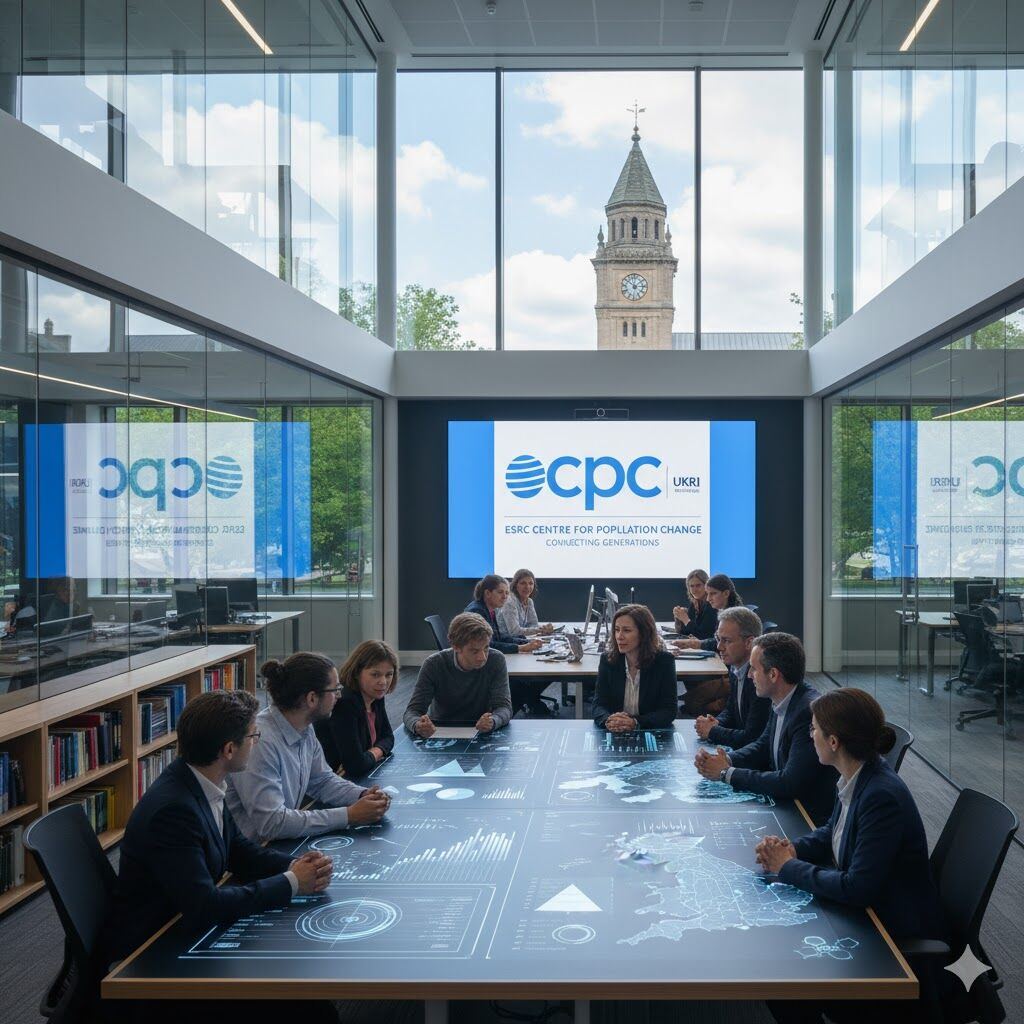
The ESRC Centre for Population Change (CPC) stands as a beacon of excellence in the field of social science. Established in 2009, this world-class research institution was founded to tackle one of the most pressing challenges of the 21st century: understanding the complex drivers and far-reaching implications of population change.
Headquartered at the University of Southampton in Hampshire, the CPC is a multidisciplinary powerhouse. It represents a strategic collaboration between the Universities of Southampton, St Andrews, and Stirling, working in close partnership with the Office for National Statistics (ONS) and National Records of Scotland (NRS). Under the leadership of Professor Jane Falkingham CBE, the Centre has spent over a decade providing the robust evidence base required for effective public policy and societal planning.
The Mission: Decoding Births, Deaths, and Migration
The primary mission of the CPC is to improve our collective understanding of how demographic shifts—specifically births, deaths, and migration—shape our communities, our economy, and our future. In an era defined by "the Great Transition," where fertility rates are shifting and lifespans are extending, the CPC’s work is more critical than ever.
Key Specializations
The Centre’s expertise is broad yet deeply specialized, focusing on:
Population Demography: Analyzing the structure and distribution of human populations.
Migration Studies: Investigating both internal and transnational movement and its socio-economic impact.
Fertility and Family Change: Understanding why household structures and childbearing patterns are evolving.
Ageing and Gerontology: Examining the challenges and opportunities presented by an increasingly older population.
Social Statistics: Utilizing advanced data modeling to forecast future demographic scenarios.
A Multidisciplinary Approach to Social Science
What sets the CPC apart is its interdisciplinary nature. By bringing together experts in demography, sociology, economics, and social statistics, the Centre provides a holistic view of societal change. This isn't just about numbers; it's about the lives behind the data.
Connecting Generations: A Landmark Partnership
One of the most significant recent initiatives is the "Connecting Generations" partnership. This collaboration analyzes the evolving life course, looking at how different age groups interact and support one another. As the UK prepares for future demographic challenges, "Connecting Generations" provides vital insights into intergenerational relations, wealth transfer, and the "sandwich generation" (those caring for both children and ageing parents).
Driving High-Impact Research and Policy
The CPC serves as a critical link for policymakers. Complex population data is often difficult to translate into practical solutions; the CPC bridges this gap through:
Policy Briefings: Concise reports that turn data into actionable advice for the government.
Population Forecasting: Helping local and national authorities plan for schools, hospitals, and housing.
Professional Workshops: Training the next generation of demographers and data scientists.
Open Access Publications: Ensuring that world-class research is available to the public and the third sector.
Institutional Strength and Global Reach
While the Centre is rooted in the United Kingdom, its impact is international. As a founding partner of Population Europe, the CPC collaborates with leading research centers across the continent. Its funding from the Economic and Social Research Council (ESRC), part of UK Research and Innovation (UKRI), underscores its status as a cornerstone of the UK's national research infrastructure.
With a dedicated team of 50 employees and a network that includes the Russell Group and national statistical offices, the CPC continues to set the standard for demographic excellence.
Business Information At a Glance
Founder: Professor Jane Falkingham CBE
Founded: January 1, 2009
Headquarters: Building 58, Room 2001, University of Southampton, SO17 1BJ
Contact: 02380592579 | cpc@soton.ac.uk
Website: www.cpc.ac.uk
Frequently Asked Questions
1. What does the ESRC Centre for Population Change do?
The CPC investigates the drivers and implications of population change, focusing on fertility, migration, ageing, and how these factors influence social and economic policy in the UK and globally.
2. Who funds the CPC?
The Centre is primarily funded by the Economic and Social Research Council (ESRC), which is part of UK Research and Innovation (UKRI).
3. Which universities are involved in the CPC?
The CPC is a collaboration between the University of Southampton, the University of St Andrews, and the University of Stirling.
4. How does the CPC influence government policy?
The CPC provides data-driven research, policy briefings, and population projections to organizations like the Office for National Statistics (ONS) and various government departments to help them plan for future demographic shifts.
5. What is the "Connecting Generations" partnership?
It is a research program led by the CPC in partnership with other institutions to study how different generations support each other and how life courses are changing in modern society.
6. Can I access CPC research for free?
Yes, the CPC is committed to open-access research. Most of their publications, working papers, and policy briefings are available for free on their website.
7. Does the CPC offer workshops?
Yes, the Centre hosts professional workshops and seminars aimed at researchers, policymakers, and practitioners in the field of social statistics and demography.
8. Where is the CPC headquartered?
The main administrative hub is located at the University of Southampton’s Highfield Campus in Building 58.
9. Who is the director of the CPC?
The Director and Principal Investigator is Professor Jane Falkingham CBE, a renowned expert in demography and social policy.
10. How can I contact the CPC helpdesk?
You can reach the CPC helpdesk at 02380592579 or via email at cpc@soton.ac.uk.
Southampton
3 Views
Educational Services
Apr 06, 2026
LLAS Centre: Leading Global Language Education
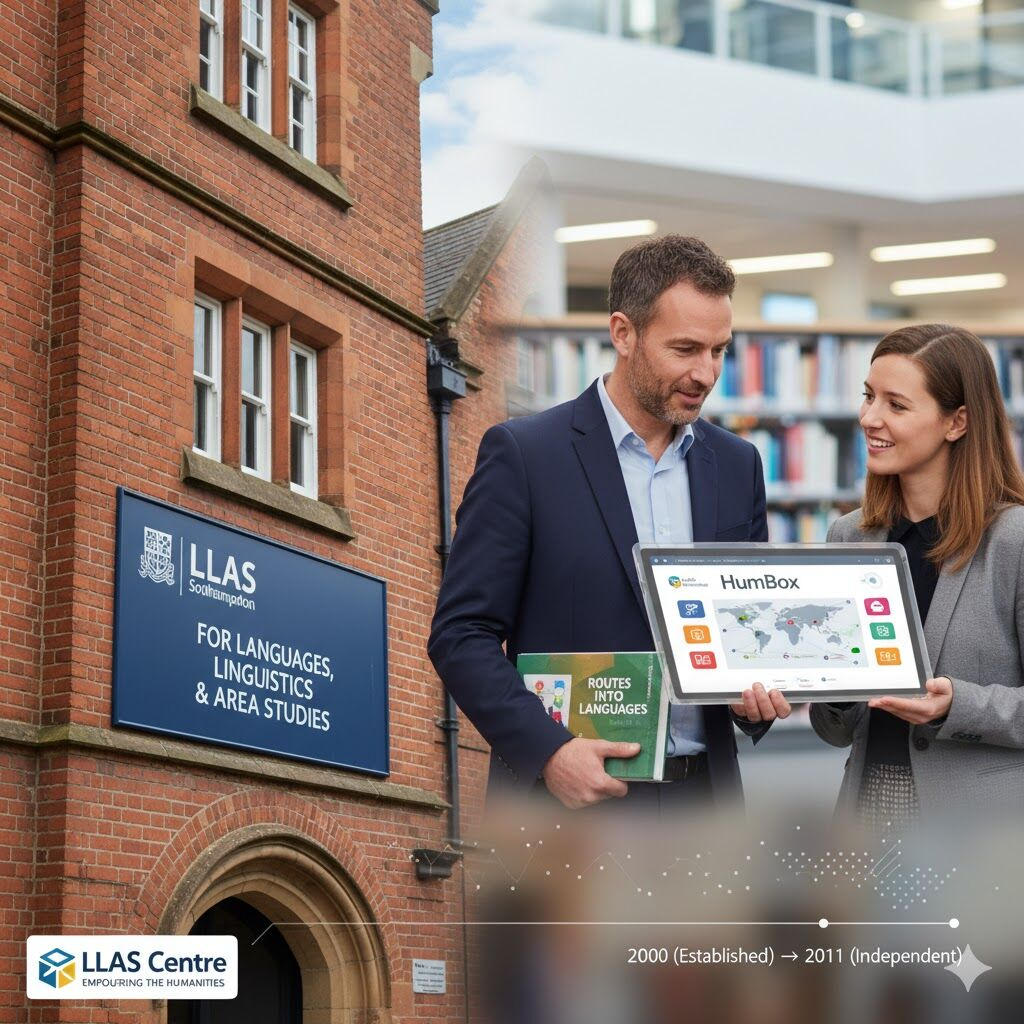
In the rapidly evolving landscape of global education, the ability to communicate across borders and understand the intricate nuances of diverse cultures has never been more critical. At the heart of this mission in the United Kingdom stands the LLAS Centre for Languages, Linguistics and Area Studies. Based at the University of Southampton, LLAS has transitioned from a government-funded subject centre into a premier independent research and enterprise group that sets the gold standard for pedagogical innovation in the humanities.
The Mission of LLAS
The LLAS Centre is not merely an academic department; it is a bridge between high-level government policy and the practical realities of the modern classroom. Since its inception, the Centre has been dedicated to fostering world-class education by promoting good practice, identifying emerging pedagogical issues, and providing the academic leadership necessary to protect the study of languages and area studies in an increasingly STEM-focused world.
The Core Pillars of LLAS
The Centre operates through four primary service areas:
Professional Development: Empowering educators with the latest tools and methodologies.
Educational Research & Evaluation: Providing evidence-based insights into how students learn languages.
Project Management: Leading massive national initiatives like "Routes into Languages."
Open Educational Resources (OER): Democratizing access to high-quality teaching materials.
A Storied History: From HEA to Independence
The journey of the LLAS Centre began in 2000. Originally established as the "Subject Centre for Languages, Linguistics and Area Studies," it was one of 24 subject-specific centers within the Higher Education Academy (HEA) Network. During this first decade, LLAS was instrumental in creating a unified voice for humanities educators across the UK.
In 2011, following shifts in national funding models for higher education, LLAS evolved into an independent research and enterprise group. Under the leadership of Professor Mike Kelly, the Centre maintained its headquarters at the University of Southampton’s Avenue Campus, continuing its work with a more agile, project-focused approach. This transition allowed LLAS to expand its remit, working more closely with international partners and private educational entities while remaining a vital component of the University of Southampton's Faculty of Humanities.
Specialist Areas: Languages, Linguistics, and Area Studies
To understand the impact of the Centre, one must look at the three distinct yet overlapping disciplines it supports.
Languages
LLAS supports the teaching of over 70 different languages. While traditional European languages like French, German, and Spanish remain staples, the Centre has been a vocal advocate for "less widely taught languages" (LWTLs) and community languages. Their research often focuses on "Ab-initio" (from scratch) learning and the transition from secondary school to university.
Linguistics
The study of language itself—how it is formed, how it is processed by the brain, and how it functions in society—is a core focus. LLAS provides resources for both theoretical and applied linguistics, helping lecturers teach complex concepts like phonology, syntax, and sociolinguistics through engaging, digital-first methods.
Area Studies
Area Studies is an interdisciplinary field that looks at the history, politics, and culture of specific regions. LLAS has played a crucial role in defining the "State of the Subjects" in this field, ensuring that students do not just learn a language, but understand the geopolitical context of the people who speak it.
Major Projects and Initiatives
The LLAS Centre is perhaps most famous for its large-scale projects that have changed the face of UK language education.
Routes into Languages
Managing a multimillion-pound budget, LLAS led the Routes into Languages program. This initiative was designed to reverse the decline in language uptake in schools. By creating a network of university-school partnerships and utilizing "Student Language Ambassadors," the project reached hundreds of thousands of young people, showing them the career benefits and personal joys of multilingualism.
The HumBox and LanguageBox Repositories
In the digital age, LLAS recognized the need for shared resources. HumBox and LanguageBox are award-winning repositories for Open Educational Resources (OER). Unlike traditional academic databases, these platforms encourage a "social" approach to teaching. Educators can upload their slides, podcasts, and exercises, allowing others to download, "remix," and improve them. This spirit of collaboration has saved countless hours for lecturers and improved the quality of materials available to students globally.
Professional Development and Event Management
One of the primary ways LLAS supports the sector is through its calendar of specialized workshops and conferences.
Training for the Modern Educator
From "E-learning in the Humanities" to "Teaching Translation Skills," LLAS workshops are highly targeted. They address the specific challenges of language lecturers, such as how to maintain student motivation or how to use Artificial Intelligence in language assessment.
International Conferences
The Centre regularly hosts international conferences that bring together the brightest minds in linguistics and pedagogy. These events serve as a melting pot for ideas, where a researcher from Tokyo can share insights with a practitioner from Edinburgh, facilitated by the LLAS team’s expertise in event management.
Research and Evaluation Services
Beyond teaching, LLAS is a powerhouse of educational research. They are frequently commissioned by funding councils, government bodies, and universities to evaluate the effectiveness of educational programs.
Their research methodology is rigorous, often involving:
National Surveys: Gathering data on student satisfaction and graduate outcomes.
Pedagogical Action Research: Testing new teaching theories in real-time classroom settings.
Policy Analysis: Examining how changes in government visa or funding policies affect language departments.
The Future of LLAS: Navigating the 21st Century
As we look forward, the LLAS Centre continues to adapt. With the rise of digital-only learning and the integration of AI in translation, the Centre is currently exploring how "Digital Humanities" can enhance traditional linguistics study. They remain committed to the "Avenue Campus" at Southampton, but their reach is truly global, providing a blueprint for how subject-specific expertise can be preserved and shared in the 21st century.
Why LLAS Matters
The LLAS Centre for Languages, Linguistics and Area Studies is more than just a repository of resources; it is a guardian of the humanities. By supporting teachers, they ultimately support students, ensuring that the UK continues to produce graduates who are culturally aware, linguistically capable, and ready for a globalized workforce.
Frequently Asked Questions
1. What does LLAS stand for?
LLAS stands for Languages, Linguistics and Area Studies.
2. Is the LLAS Centre part of the government?
No. While it was originally funded through the Higher Education Academy (a government-backed body), it has operated as an independent research and enterprise group within the University of Southampton since 2011.
3. Who can use the resources on HumBox and LanguageBox?
These are Open Educational Resources (OER), meaning they are free for teachers and students worldwide to use, download, and adapt, provided they follow the Creative Commons licensing.
4. Does LLAS offer degrees to students?
LLAS itself is a research and professional development group. However, it is based at the University of Southampton, which offers a wide range of undergraduate and postgraduate degrees in Languages and Linguistics.
5. How can I contact the LLAS helpdesk?
You can reach the LLAS helpdesk at 02380594814 or via email at llas@soton.ac.uk.
6. What is the "Routes into Languages" project?
It is a major initiative managed by LLAS to promote language learning in schools and colleges through partnerships between universities and local education authorities.
7. Where is the LLAS Centre physically located?
The Centre is located in Room 3011, Archaeology Building (65a), Avenue Campus, University of Southampton, SO17 1BF, United Kingdom.
8. Does LLAS provide support for primary schools?
Yes, LLAS works across all education sectors, including primary, secondary, and tertiary (higher education), to promote language acquisition from an early age.
9. What payment methods does LLAS accept for its services?
For professional development and project management services, they typically accept bank transfers, corporate invoicing, and grant funding.
10. Who is the current Director of LLAS?
The group is led by Professor Mike Kelly, a renowned expert in French studies and educational policy.
Southampton
8 Views
Article Posting
Sign In to Submit Your Content
Educational Services
Apr 06, 2026
European University Association: Future of Higher Education
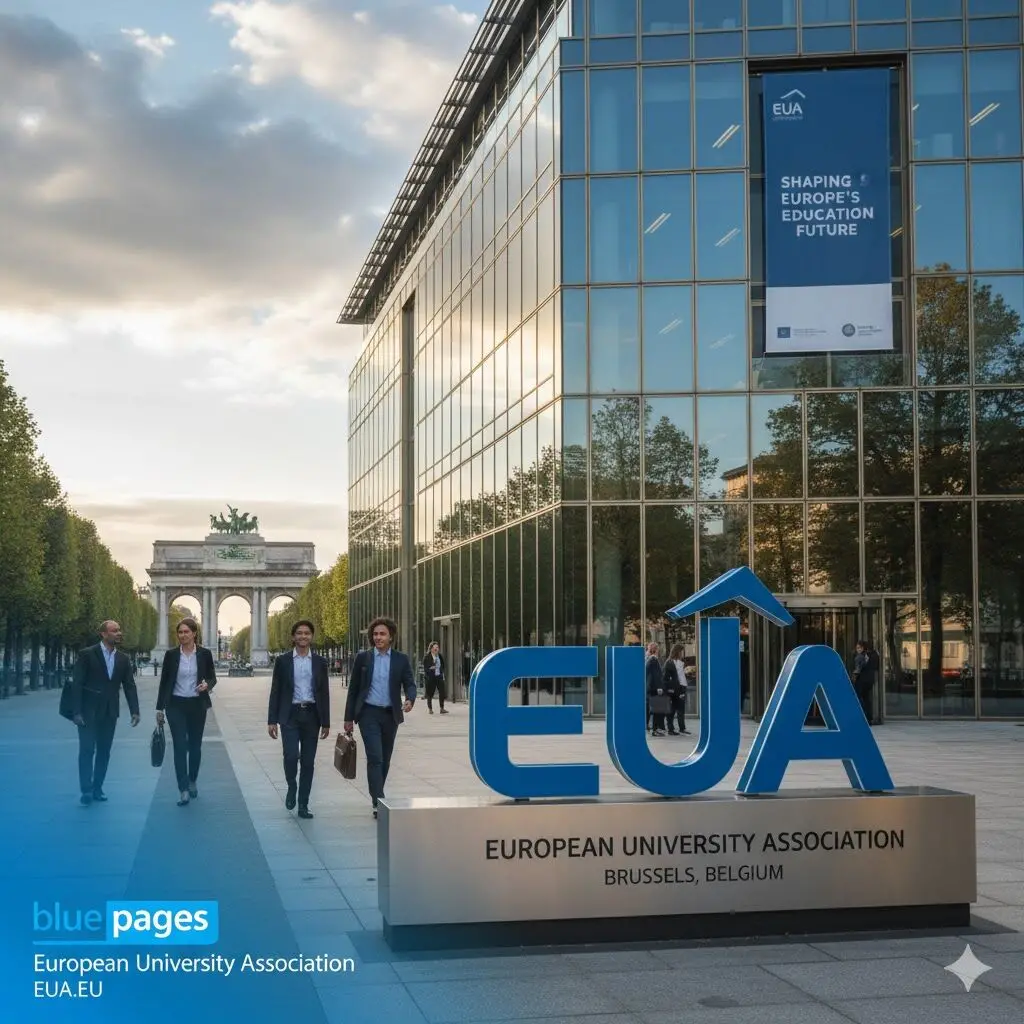
The European University Association (EUA) stands as the most influential representative body for higher education institutions across the continent. With a mandate covering 48 European countries, the EUA serves as the collective voice for more than 900 universities and national rectors’ conferences. Since its inception in 2001, the association has been the primary architect of a coherent European Higher Education Area (EHEA) and a relentless advocate for institutional autonomy and academic freedom.
Whether influencing multi-billion euro funding programs like Horizon Europe or shaping the mobility frameworks of Erasmus+, the EUA ensures that the expertise of university leaders directly informs the policy-making corridors of Brussels and beyond.
A Legacy of Collaboration: The History of EUA
The roots of the EUA are found in a landmark strategic merger on March 31, 2001. Two pre-existing powerhouses—the Association of European Universities (CRE) and the Confederation of European Union Rectors' Conferences—joined forces in Salamanca, Spain. This merger was not merely administrative; it was a response to the growing need for a unified European voice in a globalized academic landscape.
Under the current leadership of President Josep M. Garrell, the EUA continues to build on this foundation, operating from its headquarters in Brussels, Belgium, with a specialized secondary office in Geneva, Switzerland.
Core Pillars of Impact: Advocacy, Research, and Policy
1. Driving the Bologna Process
The EUA is a consultative member of the Bologna Process, the intergovernmental initiative that created the European Higher Education Area. By promoting the three-cycle degree system (Bachelor, Master, Doctorate) and the European Credit Transfer and Accumulation System (ECTS), the EUA has made cross-border student mobility a reality for millions.
2. Influencing EU Funding: Horizon Europe & Erasmus+
One of the most critical roles of the EUA is lobbying for robust investment in research and innovation. Through its Policy Advocacy & Lobbying arm, the association works closely with the European Commission and Parliament to:
Secure increased budgets for Horizon Europe.
Simplify the administration of Erasmus+ to benefit staff and students.
Advocate for the inclusion of non-EU partners like the UK and Switzerland in research frameworks.
3. Institutional Autonomy and Academic Freedom
In an era of shifting geopolitics, the EUA remains a steadfast guardian of university values. Its "Autonomy Scorecard" is a world-renowned tool that assesses the level of independence universities have from state interference, covering organizational, financial, staffing, and academic dimensions.
Specialized Services: IEP and EUA-CDE
The Institutional Evaluation Programme (IEP)
The Institutional Evaluation Programme (IEP) is an independent membership service that offers universities a comprehensive, peer-reviewed assessment of their strategic leadership. Unlike traditional rankings, the IEP focuses on:
Self-Evaluation: Helping institutions identify their own strengths and weaknesses.
Improvement Orientation: Providing actionable recommendations rather than mere scores.
Global Recognition: Over 450 evaluations have been conducted in 50+ countries, granting institutions the "Evaluated by EUA-IEP" hallmark of quality.
The Council for Doctoral Education (EUA-CDE)
Launched in 2008, the EUA-CDE is the largest network for doctoral education in Europe. It brings together over 260 universities to set the gold standard for PhD training. Key focus areas include:
The Salzburg Principles: Defining the core tenets of modern doctoral education.
Career Tracking: Understanding where doctorate holders go after graduation.
Research Integrity: Promoting ethical standards in early-career research.
Membership and Community
EUA membership is a mark of institutional prestige and commitment to European values. Eligibility is primarily reserved for:
Higher education institutions awarding degrees at both Master’s and Doctoral levels.
National rectors’ conferences.
Affiliated organizations committed to the development of higher education.
Members gain access to expert policy forums, member-only newsletters, and the Annual Leadership Congress, which serves as the premier networking event for university presidents and rectors worldwide.
Business Information & Contact Details
Headquarters: Avenue de l'Yser, 24, 1040 Brussels, Belgium
Swiss Office: Geneva, Switzerland
Phone: +32 (0) 2 230 55 44
Email: info@eua.eu / membership@eua.eu
Website: https://eua.eu
EU Transparency Register: 81122172998-09
Working Hours: Monday–Friday, 9:00 AM – 6:00 PM (CET)
Frequently Asked Questions
1. What is the main purpose of the European University Association?
The EUA represents and supports over 900 higher education institutions across 48 countries, acting as their voice in European policy-making and fostering collaboration through peer-to-peer platforms.
2. How do the Institutional Evaluation Programme (IEP) services work?
The IEP is a voluntary peer-review process where a team of international experts evaluates an institution’s strategic management and internal quality culture to support long-term improvement.
3. What is the EUA Council for Doctoral Education (EUA-CDE)?
It is a specialized branch of the EUA focused on doctoral education, promoting the "Salzburg Principles" and providing a forum for universities to improve PhD programs and research training.
4. How does the EUA influence EU funding for universities?
EUA lobbies the European Commission and Parliament to ensure programs like Horizon Europe and Erasmus+ are well-funded, accessible, and aligned with the needs of the research community.
5. Can any university join the EUA?
Membership is generally open to universities that award both Master’s and Doctoral degrees and demonstrate a significant commitment to research and European academic values.
6. Is the EUA involved in the Bologna Process?
Yes, the EUA is a consultative member of the Bologna Process and plays a key role in implementing the European Higher Education Area (EHEA).
7. Where is the EUA headquartered?
The primary headquarters is in Brussels, Belgium, near the Parc du Cinquantenaire, with a secondary office in Geneva, Switzerland.
8. What is the "Autonomy Scorecard"?
It is a tool developed by the EUA to measure and compare the level of institutional autonomy (financial, academic, etc.) across different European higher education systems.
9. Does the EUA provide scholarships to students?
No, the EUA is a representative body for institutions. For student scholarships, individuals should look into the Erasmus+ program or specific university offerings.
10. How can I contact the EUA membership department?
You can reach out via email at membership@eua.eu or call the Brussels office at +32 (0) 2 230 55 44.
Southampton
5 Views
Educational Services
Apr 06, 2026
Wessex Institute: A Global Hub for Engineering Innovation
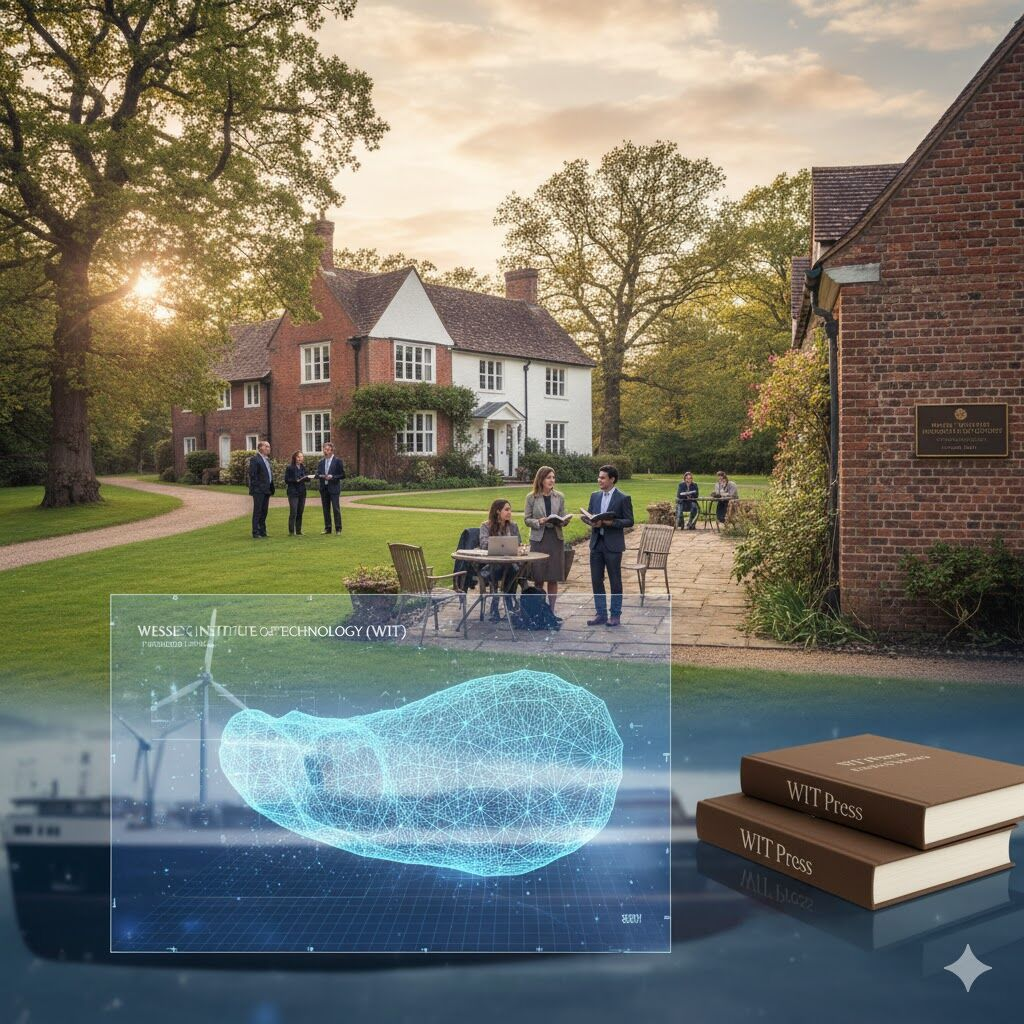
The Wessex Institute of Technology (WIT) stands as a beacon of excellence in the international scientific community. Nestled within the serene landscapes of the New Forest National Park in Hampshire, United Kingdom, this postgraduate research centre has spent nearly four decades redefining the boundaries of computational mechanics, environmental modelling, and sustainable development. Founded in 1986 by the visionary Professor Carlos Brebbia, WIT has evolved from a specialized research cell into a multi-faceted global institution that encompasses academic publishing, international conferencing, and advanced engineering consultancy.
The Vision of Professor Carlos Brebbia and the Birth of WIT
To understand the Wessex Institute, one must first understand the legacy of its founder. Professor Carlos Brebbia was a titan in the field of engineering, widely recognized as the primary developer of the Boundary Element Method (BEM). After an illustrious academic career that took him from Argentina to Southampton University, MIT, and Princeton, Brebbia realized that the traditional academic structure often lacked the agility to translate complex mathematical theories into practical industrial tools.
In 1986, he incorporated the Wessex Institute of Technology to fill this void. His mission was clear: to create a "Knowledge Transfer" hub. The institute was designed to act as a bridge, ensuring that cutting-edge research in physical sciences and engineering didn't remain trapped in journals but instead solved real-world challenges in aerospace, naval engineering, and environmental management.
The Boundary Element Method (BEM): A Computational Revolution
At the heart of WIT’s scientific identity is the Boundary Element Method. While the Finite Element Method (FEM) remains a common standard for many, BEM offers a sophisticated alternative that simplifies the modelling process.
Why BEM Matters
Unlike domain-based methods that require a complex mesh of the entire volume of a structure, BEM focuses exclusively on the surface or "boundary." This leads to:
Reduced Dimensionality: A 3D problem is reduced to a 2D surface problem, significantly lowering the time required for mesh generation.
High Precision: BEM is particularly superior in dealing with infinite domains and areas with high-stress concentrations, such as crack tips in fracture mechanics.
Efficiency in Design Iteration: Because only the surface needs to be meshed, engineers can modify designs and re-run simulations much faster than with traditional methods.
WIT remains the world's leading authority on BEM, continuing to refine the mathematics that powers modern engineering simulation.
WIT Press: Empowering Global Scientific Communication
A core pillar of the institute is its publishing arm, WIT Press. As an independent publisher of science and technology, WIT Press ensures that high-quality research is accessible to the global community.
Academic Journals and Transactions
WIT Press produces a diverse array of peer-reviewed journals, including:
International Journal of Design & Nature and Ecodynamics: Exploring the intersection of nature’s efficiency and engineering design.
International Journal of Sustainable Development and Planning: Addressing the urgent need for green infrastructure and environmental policy.
International Journal of Computational Methods and Experimental Measurements: Bridging the gap between theoretical code and laboratory results.
The WIT Transactions series serves as a permanent record of the papers presented at the Institute’s prestigious international conferences, providing a massive digital library for researchers worldwide.
A Global Stage: The International Conference Programme
Every year, the Wessex Institute organizes a rigorous schedule of international conferences. These are not merely academic gatherings; they are strategic forums where delegates from over 60 countries meet to discuss the world’s most pressing technical issues.
Key conference themes include:
Sustainability & The Built Environment: Focus on carbon-neutral construction and urban resilience.
Environmental Management: Innovations in water pollution control, air quality modelling, and waste management.
Advanced Computing: The latest developments in Big Data, AI in engineering, and high-performance simulation.
By hosting these events in various global locations—from the UK and Europe to the Americas and Asia—WIT fosters a truly international collaborative network.
BEASY: Turning Theory into Industry-Standard Software
The practical application of WIT's research is most evident in BEASY (Boundary Element Analysis System). This associated software company provides specialized tools used by top-tier engineering firms and government agencies.
Key Industrial Solutions:
Corrosion & Cathodic Protection: BEASY is the industry leader in simulating galvanic corrosion, particularly for naval vessels and offshore oil rigs.
Fracture Mechanics & Fatigue: Predicting how cracks grow in aircraft components or bridge structures is vital for safety; BEASY’s BEM-based approach provides unparalleled accuracy in these life-critical simulations.
Acoustics & Signature Management: Helping naval engineers manage the underwater signatures of ships and submarines.
The Ashurst Lodge Experience: A Unique Research Campus
The physical home of WIT, Ashurst Lodge, is far from a typical grey university building. Located near the Ashurst New Forest Railway Station, the campus offers a residential environment that encourages deep focus and "quiet innovation."
PhD students and visiting researchers benefit from:
An IET-Accredited Library: One of the finest collections of computational mechanics literature.
On-site Mentoring: Direct access to senior academic staff and industry experts.
Collaborative Spaces: Conference facilities and common rooms designed to spark interdisciplinary dialogue.
Specialist Short Courses and Postgraduate Excellence
WIT offers a range of specialized short courses designed for both PhD students and professional engineers looking to upskill. These courses often focus on niche areas such as Damage Mechanics, Environmental Modelling, and of course, advanced applications of BEM. The institute’s status as an accredited postgraduate research centre means that its training is recognized for its technical rigor and industrial relevance.
Commitment to Sustainability and the Future
In recent years, the Wessex Institute has pivoted its research focus toward the global challenge of sustainability. Through the Prigogine Medal—an award established by WIT and the University of Siena to honor the memory of Nobel Laureate Ilya Prigogine—the institute champions "Ecodynamics" and the study of complex systems. This commitment ensures that WIT remains at the forefront of the green engineering revolution.
The Wessex Institute of Technology is more than an educational establishment; it is a vital engine for scientific progress. By maintaining a niche focus on the Boundary Element Method while expanding its reach through WIT Press and global conferences, it ensures that the "bridge" between academic theory and industrial reality remains stronger than ever. For researchers, engineers, and students, WIT offers a unique ecosystem where innovation is nurtured by history and driven by the challenges of tomorrow.
Frequently Asked Questions
1. What is the Wessex Institute of Technology (WIT)?
WIT is an international postgraduate research and educational institution based in the UK, specializing in computational engineering and the exchange of scientific information.
2. Who founded the Wessex Institute?
The Institute was founded in 1986 by Professor Carlos Brebbia, a world-renowned expert in the Boundary Element Method.
3. What is the Boundary Element Method (BEM)?
BEM is a sophisticated computational technique used to solve engineering and physical science problems by discretizing only the surfaces (boundaries) of a model, rather than the entire volume.
4. What is BEASY software used for?
BEASY is a simulation tool based on BEM used by engineers for corrosion control, cathodic protection, fracture mechanics, and fatigue life prediction in sectors like aerospace and offshore energy.
5. How can I publish my research with WIT?
You can submit papers to WIT Press, which publishes several peer-reviewed international journals and transaction volumes related to engineering and environmental sciences.
6. Does WIT offer PhD programs?
Yes, WIT is a recognized postgraduate research centre that supports PhD students in specialized fields of engineering and computational science.
7. Where is the Wessex Institute located?
The institute is headquartered at Ashurst Lodge, located in the New Forest National Park, Southampton, Hampshire, United Kingdom.
8. What kind of conferences does WIT organize?
WIT hosts an annual program of international conferences covering topics such as sustainability, water resources, urban transport, and damage mechanics.
9. Is the Wessex Institute library open to the public?
The library is an IET-accredited facility primarily for the use of its researchers and students, though it serves as a major resource for the institute’s global network.
10. How do I contact the Wessex Institute for consulting?
You can reach the institute via phone at +44 (0) 23 8029 3223 or by emailing wit@wessex.ac.uk for inquiries regarding research, publishing, or software services.
Southampton
3 Views
Educational Services
Apr 06, 2026
Academic Registrars Council: Shaping UK Higher Education
In the intricate machinery of United Kingdom higher education, the role of academic administration is often the unsung hero of institutional success. At the heart of this sector stands the Academic Registrars Council (ARC), the premier national forum for senior managers responsible for the academic administration of student matters. Representing over 100 member institutions, ARC serves as the vital connective tissue between individual university leadership and national policy-makers.
What is the Academic Registrars Council?
The Academic Registrars Council (ARC) is a professional membership organization dedicated to promoting excellence in the administration of publicly funded Universities and Colleges of Higher Education across the UK. Founded in the 1990s as a collective of expert practitioners and formalized as a Charitable Incorporated Organisation (CIO) in 2024, ARC has evolved into a powerhouse of advocacy and professional development.
From its headquarters in the historic George Begg Building at the University of Manchester, ARC coordinates a national network that spans England, Scotland, Wales, and Northern Ireland. Its influence is felt in every corner of the student lifecycle—from the moment a student submits an application via UCAS to the day they cross the graduation stage.
The Mission and Value Proposition of ARC
ARC’s mission is clear: to foster a collaborative environment where best practices are shared, national policies are influenced, and critical debates on the future of the sector are stimulated.
Bridging the Gap
The organization’s unique value proposition lies in its "bridge" functionality. While individual universities focus on their specific institutional goals, ARC looks at the macro-level. It translates complex government mandates—such as those from the Home Office regarding UK Visas & Immigration (UKVI) or from the Office for Students (OfS)—into actionable administrative frameworks.
A Collective Voice
By harnessing the extensive experience of its membership, ARC provides a collective voice. When the government proposes changes to funding, student casework regulations, or data reporting (HESA), ARC is at the table, ensuring that the administrative reality of these changes is understood by legislators.
Specialized Practitioner Groups: The Engine of ARC
One of the most distinctive features of the Council is its array of Specialized Practitioner Groups. These groups allow for a "deep-dive" into technical exchanges that are too specific for general leadership meetings but too critical to ignore.
Admissions and Recruitment
The Admissions Practitioner Group works closely with UCAS and other statutory bodies. They handle the complexities of fair admissions, widening participation, and the administrative hurdles of international recruitment.
Student Records and SROC
The Student Records Officers' Conference (SROC) is one of ARC’s most recognizable brands. This group focuses on the integrity of student data, the implementation of new student record systems (SRS), and the transition toward more digital-centric administrative models.
UK Visas & Immigration (UKVI)
In an era of shifting immigration landscapes, the ARC UKVI group is essential. They ensure that member institutions remain compliant with Tier 4 (now Student Route) sponsorship duties, protecting both the institution's license and the student's right to study.
Assessment and Quality Assurance
Ensuring that a UK degree maintains its global prestige requires rigorous assessment standards. The Assessment group shares best practices on everything from exam integrity to the management of "extenuating circumstances" in a post-pandemic world.
Policy Advocacy and National Influence
ARC does not operate in a vacuum. It maintains active associations with Universities UK (UUK), the Association of Higher Education Professionals (AHEP), and international bodies like EUROSIM.
Influencing Statutory Bodies
ARC members often sit on national working groups and committees. Their expertise informs the development of the Quality Code by the Quality Assurance Agency (QAA) and the data collection requirements set by the Higher Education Statistics Agency (HESA).
Responding to Crisis
Whether navigating the administrative fallout of Brexit or the rapid shift to online learning during global lockdowns, ARC has been the central node for rapid information dissemination. The Council’s "mailbases" (discussion forums) allow Registrars to ask, "How are you handling this?" and receive answers from peers within minutes.
Membership Benefits: Why Institutions Join ARC
Membership in the Academic Registrars Council is institutional, meaning that once a university joins, its staff can access a wealth of resources.
Professional Networking: Access to a peer group of the highest caliber.
Member-only Portal: A repository of policy templates, benchmarking data, and internal reports.
Annual Conferences: The ARC Annual Conference is a highlight of the HE calendar, featuring keynote speakers from government and industry.
Professional Development: Junior staff within Registries are encouraged to participate in Practitioner Groups, providing a clear pathway for career progression.
Case Study: The Transition to a Registered Charity
In 2024, ARC reached a significant milestone by becoming a Registered Charity (Charity Number: 1208634). This move from an informal council to a Charitable Incorporated Organisation (CIO) reflects the growing maturity and responsibility of the organization. It provides a more robust governance framework, ensuring that ARC can continue to serve the public benefit—specifically the advancement of education—for decades to come.
The Future of Academic Administration
As we look toward 2030, the challenges facing UK Higher Education are significant. Artificial Intelligence in assessment, the "Lifelong Learning Entitlement," and increasing scrutiny on student outcomes are all on the horizon.
ARC is already preparing for these shifts. By stimulating debate today, they are shaping the administrative standards of tomorrow. The Council remains committed to ensuring that the UK stays at the forefront of global administrative standards, providing a world-class experience for every student.
The Academic Registrars Council (ARC) is more than just a networking group; it is a vital pillar of the UK’s educational infrastructure. Through its specialized groups, policy advocacy, and commitment to excellence, it ensures that the "Academic Registry" is not just a department, but a center of strategic excellence.
Frequently Asked Questions
1. What does ARC stand for in the context of UK Universities?
ARC stands for the Academic Registrars Council, the national forum for senior managers in academic and student administration.
2. How do I become a member of the Academic Registrars Council?
Membership is institutional. Publicly funded UK Universities and Colleges of Higher Education are eligible to join. Inquiries can be made via info@arc.ac.uk.
3. What is SROC?
SROC stands for the Student Records Officers' Conference, a major brand and practitioner group under the ARC umbrella focusing on student data and record management.
4. Is ARC a government body?
No, ARC is an independent professional membership organization and a Registered Charity, though it works closely with government ministries and statutory bodies.
5. Where is the ARC headquarters located?
The ARC secretariat is based at the University of Manchester, specifically in the George Begg Building on Sackville Street.
6. Does ARC handle student complaints directly?
No, ARC is a professional body for administrators. Student casework issues are handled by individual institutions or the Office of the Independent Adjudicator (OIA). ARC provides a forum for administrators to discuss the policies surrounding casework.
7. How does ARC influence national HE policy?
ARC influences policy by responding to government consultations, participating in national working groups, and maintaining a collective voice that represents over 100 HE institutions.
8. What are the main "Practitioner Groups" within ARC?
Key groups include Admissions, Assessment, Quality Assurance, Student Records (SROC), and UK Visas & Immigration (UKVI).
9. When was ARC founded?
ARC has existed as a collective since the 1990s and was formally registered as a Charitable Incorporated Organisation in 2024.
10. How can I contact the ARC Helpdesk?
You can reach the ARC administration at +44 (0)161 528 0485 or via email at info@arc.ac.uk.
Contact Information:
Website: https://arc.ac.uk
LinkedIn: linkedin.com/company/academic-registrars-council
Address: B1, George Begg Building, University of Manchester, Sackville Street, Manchester, M1 3BB, UK.
Lisburn
8 Views
Educational Services
Apr 06, 2026
Queen's University Belfast: A Global Research Powerhouse
Queen’s University Belfast (QUB) stands as a beacon of academic excellence and historical significance in the heart of Northern Ireland. Established by Royal Charter in 1845 by Queen Victoria, it is the ninth oldest university in the United Kingdom. As a member of the prestigious Russell Group, Queen’s is part of an elite network of 24 research-intensive universities dedicated to maintaining the highest standards of research and education.
For nearly two centuries, the university has shaped the cultural and economic landscape of Belfast and beyond. Today, it is a global top 200 institution, attracting over 25,000 students from more than 80 countries. Whether you are an aspiring undergraduate, a professional seeking executive education, or a researcher looking to solve global challenges, Queen’s provides a world-class platform for growth.
The Heritage and Evolution of QUB
The architectural soul of the university is the iconic Lanyon Building, a red-brick masterpiece that has become a symbol of Belfast. However, Queen’s is far more than its historic facade. Since its founding, the university has evolved into a modern powerhouse.
A Legacy of Innovation
From the development of the portable defibrillator to pioneering work in green chemistry, Queen’s has a long-standing history of "research with impact." This legacy is carried forward by a dedicated staff of over 4,000 employees who work across three main faculties:
Arts, Humanities & Social Sciences
Engineering & Physical Sciences
Medicine, Health & Life Sciences
World-Class Research and Specializations
Queen’s University Belfast is renowned for its research intensity, recently ranked 13th in the UK by the Complete University Guide. An impressive 99% of its research environment was assessed as world-leading or internationally excellent in the latest Research Excellence Framework (REF).
1. Global Peace, Security, and Justice
The Senator George J. Mitchell Institute is a flagship for the university. Named after the primary architect of the Good Friday Agreement, the institute focuses on how societies emerging from conflict can establish lasting peace. It is a unique place to study international relations, given Belfast’s own transformative history.
2. Cyber Security (CSIT)
The Centre for Secure Information Technologies (CSIT) is the UK’s largest Innovation and Knowledge Centre for cyber security. It sits at the forefront of protecting digital infrastructure, working with global partners like Intel, Cisco, and BAE Systems.
3. Life Sciences and Green Chemistry
From tackling global food security to developing sustainable chemical processes, QUB researchers are addressing the climate crisis and public health challenges with cutting-edge technology and interdisciplinary collaboration.
Academic Excellence: Over 200 Degree Programs
Queen’s offers a comprehensive portfolio of programs designed to prepare students for the global job market.
Undergraduate Degrees: From Law and Medicine to Aerospace Engineering and Creative Arts.
Postgraduate Taught & Research: Specialized Master's programs and PhD opportunities that benefit from the university’s massive research funding.
Professional Development: Executive education through the Queen's Business School, which holds the prestigious AACSB accreditation.
Knowledge Transfer Partnerships (KTP): Bridging the gap between academia and industry to drive business innovation.
Campus Life and Amenities
The student experience at Queen’s is centered around a vibrant urban campus located near the scenic Botanic Gardens and the Ulster Museum.
The McClay Library
A £50 million investment, the McClay Library is one of the finest in the UK, combining traditional library services with 21st-century technology. It offers 2,000 reader seats and specialized zones for quiet study and collaborative work.
One Elmwood: The Student Hub
Opened in 2022, One Elmwood is the new home of the Students' Union and the Student Guidance Centre. It is a one-stop-shop for student support, offering everything from career advice and financial guidance to a vibrant social space with bars, cafes, and the Mandela Hall music venue.
Physical Education Centre (PEC)
For those interested in sports, the PEC is a state-of-the-art facility featuring swimming pools, fitness suites, and climbing walls. The university’s "Gameplan" initiative ensures that sport is accessible to everyone, from elite athletes to casual gym-goers.
Living in Belfast: Affordable and Welcoming
Belfast is consistently ranked as one of the most affordable student cities in the UK. International students often find that their money goes much further here compared to cities like London or Manchester.
Accommodation Options
Queen’s offers a range of high-quality, university-managed accommodation:
Elms BT9: A purpose-built student village offering a social atmosphere.
Elms BT1 & BT2: Modern, city-center apartments just a short walk from the main campus.
Willow Walk: Quiet, mature living ideal for postgraduate and international students.
Admissions and Global Reach
Queen’s University Belfast is a truly international institution. The university provides extensive support for international applicants, including:
Scholarships: Various awards ranging from £2,500 to 50% tuition fee waivers for high-achieving students.
English Language Support: Dedicated programs to help non-native speakers excel in their studies.
Admissions Helpdesk: Reachable at admissions@qub.ac.uk for any queries regarding the application process.
Why Choose Queen's University Belfast?
Choosing a university is about more than just a degree; it’s about the environment you grow in. Queen’s offers:
A Prestigious Network: Being part of the Russell Group opens doors to global employers.
Tangible Impact: Your education is informed by research that is changing the world.
A Thriving Community: A diverse, inclusive, and supportive campus in one of the UK's most historic cities.
Frequently Asked Questions
1. Is Queen’s University Belfast part of the Russell Group?
Yes, Queen’s is a proud member of the Russell Group, which represents 24 of the UK’s leading research-intensive universities.
2. What are the most popular subjects at QUB?
Some of the most highly-regarded subjects include Cyber Security, Global Peace & Security, Pharmacy, Architecture, and Creative Arts.
3. Is Belfast an expensive city for students?
No, Belfast is known for having some of the lowest student living costs in the UK, particularly regarding rent and household bills.
4. What is the McClay Library?
The McClay Library is the university’s main library, offering world-class study facilities, extensive digital resources, and 24/7 computing access.
5. How do I apply for a scholarship at Queen's?
Many international scholarships are awarded automatically based on academic merit upon enrolment, while others (like the Vice-Chancellor's Excellence Award) require a separate application.
6. Does the university offer accommodation for international students?
Yes, Queen's offers a range of accommodation options, including city-center apartments and student villages, with support specifically for international arrivals.
7. Who founded Queen’s University Belfast?
The university was founded by Queen Victoria in 1845 via a Royal Charter.
8. What is the "One Elmwood" building?
One Elmwood is the university's new student hub, housing both the Students' Union and all major student support services in a single modern facility.
9. Can I work while studying at Queen’s?
Most international students on a student visa can work up to 20 hours per week during term time, though you should always check your specific visa conditions.
10. What amenities are available for sports and fitness?
The Physical Education Centre (PEC) offers world-class facilities, including a 25m swimming pool, multiple gyms, and outdoor pitches at Upper Malone.
Business Contact Information
Address: University Road, Belfast, Northern Ireland, BT7 1NN, United Kingdom
Phone: +44 (0)28 9024 5133
Helpdesk: +44 (0)28 9097 3004
Email: admissions@qub.ac.uk
Website: www.qub.ac.uk
Lisburn
7 Views
Article Posting
Contact us today and let us help you grow your business.
Share This Page
My Page
Scan QR to open
Barcode