
Activated Carbon Filters Improve Water Quality for UK Homes
Did you know that the refreshing glass of water you pour from your kitchen tap has likely travelled through miles of Victorian era pipework before reaching your glass. While British tap water is among the safest in the world it often contains trace elements of chlorine organic compounds and sediment that can affect both the taste and the overall purity of your drinking supply. Many residents across the United Kingdom are now turning to activated carbon filters to enhance their domestic water supply and ensure a higher standard of hydration for their families. Understanding how activated carbon filters improve water quality is essential for anyone looking to invest in a sustainable and effective filtration system for their home or workplace.

The Fundamental Science of Water Filtration in Britain
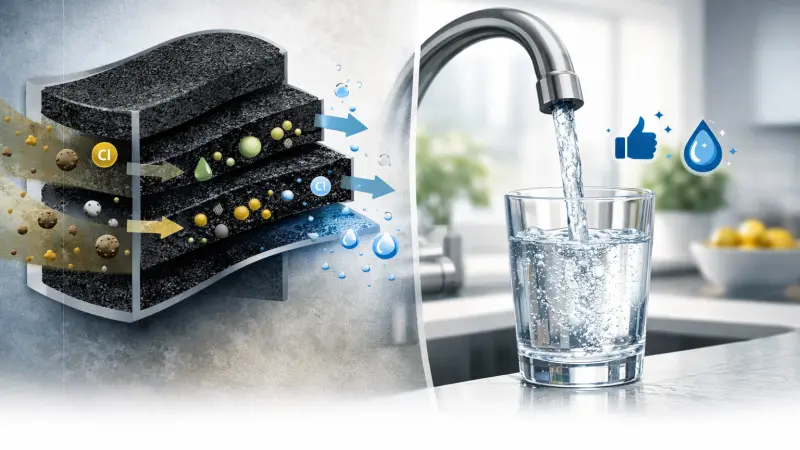
Water treatment in the United Kingdom is a complex industrial process involving several stages of purification before the liquid enters the national grid. However the final journey from the treatment works to your household can introduce various contaminants. Activated carbon is a form of carbon processed to have small low volume pores that increase the surface area available for adsorption or chemical reactions. This massive surface area acts like a microscopic sponge trapping impurities that other filtration methods might miss. When we look at the specific needs of British households we see a high demand for systems that can remove the lingering taste of chlorine which is added at treatment plants to keep water sterile during its transit through the mains.
The efficacy of these filters relies on a process known as adsorption. Unlike absorption where a substance is taken into the body of another material adsorption involves the adhesion of molecules from a gas or liquid to a surface. Because activated carbon is so porous a single gram of the material can have a surface area in excess of three thousand square metres. This incredible physical property allows it to bind with a vast array of organic chemicals and synthetic substances that are common in modern environments. For the average consumer in England Scotland Wales or Northern Ireland this means a significant reduction in pesticides herbicides and industrial solvents that might occasionally leach into the groundwater.
Common Contaminants Removed by Carbon Systems
One of the primary reasons people choose this technology is the removal of volatile organic compounds or VOCs. These are often found in herbicides and pesticides used in large scale agriculture across the British countryside. As rainwater washes over treated fields small amounts of these chemicals can find their way into the reservoirs and rivers that supply our towns and cities. Activated carbon is exceptionally good at identifying and trapping these carbon based molecules. By implementing a high quality filtration system you are effectively creating a final barrier of protection against these unwanted agricultural byproducts.
Chlorine is another significant factor in the UK water landscape. While it is vital for public health to prevent waterborne diseases the residual chlorine can leave a distinct chemical smell and a sharp metallic taste. Furthermore chlorine can react with naturally occurring organic matter to create disinfection byproducts such as trihalomethanes. Scientific studies have suggested that long term exposure to these byproducts should be minimised. Carbon filters excel at removing these compounds through a chemical reaction on the surface of the carbon which turns the chlorine into a harmless chloride ion that does not affect the flavour or safety of the liquid.
Addressing Heavy Metals and Microplastics
While standard activated carbon is mostly focused on organic compounds many modern UK filter units use specially treated carbon blocks to address heavy metals like lead. Lead pipes are still present in many older properties across London Manchester Birmingham and other historic cities. Even if the main supply pipes are modern the internal plumbing of a pre 1970s house might still contain lead solder or lead piping. Specialized carbon blocks can significantly reduce the concentration of these metals providing peace of mind for parents with young children. Additionally the growing concern regarding microplastics in the global water supply has made carbon filtration even more relevant. The fine pore structure of a compressed carbon block can physically strain out tiny plastic particles that are becoming increasingly prevalent in our environment.
The Different Types of Carbon Filters Available
There are two main configurations used in British homes which are granular activated carbon and carbon block filters. Granular systems consist of loose particles of carbon that allow water to flow through relatively quickly. These are often found in simple jug filters or basic under sink units.
While effective for basic taste and odour improvement they may have a lower contact time which means they might not catch every single impurity during a fast flow of water. They are however very affordable and easy to maintain for a small household.
Carbon block filters are made from fine carbon powder that has been compressed into a solid form. This structure forces the water to navigate a much more tortuous path ensuring that every drop comes into contact with the carbon surface for a longer duration. This increased contact time leads to a much higher rate of contaminant removal. Carbon blocks are generally considered the gold standard for domestic water purification because they combine chemical adsorption with physical mechanical filtration. This dual action is particularly useful for tackling stubborn contaminants like cysts or bacteria that might occasionally bypass standard municipal treatments during periods of heavy rainfall or infrastructure maintenance.
Environmental Benefits of Home Filtration
Switching to a home filtration system offers profound environmental advantages that resonate with the current UK sustainability goals. Every year billions of plastic water bottles are sold across the country and a significant portion ends up in landfills or our oceans. By using an activated carbon filter to produce high quality drinking water directly from the tap you are removing the need for single use plastics. This not only reduces your carbon footprint but also saves a considerable amount of money over the course of a year. The energy required to bottle transport and refrigerate commercial water is immense compared to the simple process of filtering your existing supply at the point of use.
Furthermore the longevity of these filters makes them a responsible choice. Most high quality cartridges only need to be replaced every six to twelve months depending on the volume of usage. Some local recycling schemes in Britain now even accept used carbon filters ensuring that the plastic casing and the spent carbon are processed responsibly. This circular approach to water consumption aligns with the broader movement towards a zero waste lifestyle which is gaining momentum in communities across the UK.
Installation and Maintenance in the UK Context
Installing a water filter does not necessarily require a professional plumber. Many modern systems are designed for easy DIY installation especially the counter top models or those that attach directly to the end of a standard kitchen faucet. For those who prefer a more integrated look under sink systems are becoming the standard. These units often come with a dedicated tap for filtered water allowing you to keep your main tap for washing dishes and general cleaning. This preserves the life of the filter cartridge by only using the purified water for drinking and cooking.
Maintenance is straightforward but critical for maintaining water quality. Over time the pores of the carbon become saturated with the impurities they have trapped. If a filter is left for too long it can become a breeding ground for bacteria or may even start to release trapped contaminants back into the water flow. It is recommended to follow the manufacturer guidelines strictly regarding replacement intervals. Most UK households will find that a bi annual change is sufficient to keep the water tasting fresh and ensuring the chemical removal remains at peak efficiency. It is also helpful to flush the system for a minute or two if it has not been used for several days such as after a holiday to ensure the water is fresh and the carbon is primed.
How Pure Water Enhances Your Daily Life
The impact of improved water quality goes beyond just safety. Many tea and coffee enthusiasts in Britain find that using filtered water significantly enhances the flavour profile of their favourite beverages. Hard water or water with high chlorine levels can dull the delicate notes of a high quality tea or a specialty coffee bean. Furthermore removing the minerals and chemicals that cause scaling can extend the life of your kettle and coffee machine preventing the build up of limescale that is so common in hard water areas like the South East of England.
Cooking also benefits from the use of purified water. When you boil vegetables or prepare pasta the water used is absorbed by the food. Using water that is free from chlorine and organic impurities ensures that the natural flavours of your ingredients are not masked by chemical aftertastes.
Professional chefs have long advocated for the use of filtered water in the kitchen to maintain the integrity of their dishes. For families looking to encourage more water consumption among children the improved taste of filtered water can make it a much more attractive alternative to sugary soft drinks or squashes.
Health Considerations and Long Term Wellness
While the UK government ensures that our water is safe to drink by legal standards many health conscious individuals prefer to take extra precautions. Reducing the intake of trace pharmaceuticals and industrial chemicals is a common goal for many. Although these substances are present in only minute quantities the cumulative effect of consuming them over several decades is a topic of ongoing research. Activated carbon provides a reliable and cost effective way to mitigate this potential risk. It acts as an insurance policy for your health ensuring that your primary source of hydration is as clean as possible.
Hydration is the cornerstone of physical and mental performance. When water tastes better we are more likely to drink the recommended daily amount. Proper hydration supports skin health kidney function and cognitive clarity. By making high quality water easily accessible in your home you are supporting the long term wellness of everyone in your household. In a busy modern world where we are often exposed to various environmental toxins having a sanctuary of purity in our own kitchens is a valuable asset.
As we look towards the future of water management in the United Kingdom it is clear that individual responsibility for water quality will continue to grow. With an aging infrastructure and the challenges posed by climate change the demands on our municipal systems are increasing. Taking the step to install an activated carbon filter is a proactive way to manage your environment. It represents a commitment to quality sustainability and health that will pay dividends for years to come. Whether you live in a rural cottage or a city apartment the benefits of this technology are universal and easily accessible to all.
Finding Trusted Water Quality Experts
Finding reliable information about local services and water quality specialists can be challenging in a crowded digital landscape. Many homeowners turn to a business listing uk to quickly locate reputable experts nearby. Platforms like Local Page UK improve the online visibility of local businesses while connecting residents with essential services for water filtration and purification.
Boosting Your Business Visibility with Free Directories
For companies looking to expand their reach, obtaining a listing in a free business directories UKcan make a significant difference in how potential customers discover them. Being visible on an online business directory UK free helps businesses attract new clients, improve their online presence, and foster trust within the local community.
As more individuals seek ways to enhance their domestic environment, directories that are free and accessible to all play a vital role in supporting local commerce and connecting customers with high-quality water purification solutions.
Finding Trusted Water Quality Experts
Finding reliable information about local services and water quality experts can be a challenge in a crowded digital landscape. Many people find that using a business listing uk is the most efficient way to locate reputable specialists in their area who can assist with water filtration needs. Improving the online visibility of local businesses is essential for creating a thriving community and platforms like Local page UK help connect residents with the services they need. For companies looking to expand their reach obtaining a free business directories uk entry can make a significant difference in how they are found by potential customers. As more individuals seek out ways to improve their domestic environment the role of a uk business directory free and accessible to all becomes increasingly vital for fostering local commerce and ensuring that high quality solutions for water purification are easy to find on an online business directory uk free for everyone to use.
Frequently Asked Questions
How long does an activated carbon filter last in a typical UK home
Most activated carbon filters are designed to last between six and twelve months depending on the specific model and the volume of water your household consumes. You should always check the manufacturer instructions for the exact replacement schedule.
Can a carbon filter remove limescale from hard water
Standard activated carbon filters are excellent at removing chemicals and organic compounds but they do not typically remove the minerals that cause limescale. For limescale reduction you would usually need an ion exchange filter or a water softener in addition to the carbon system.
Is it difficult to install an under sink water filter
Many modern under sink kits are designed for DIY enthusiasts and come with push fit connectors that do not require soldering. If you are comfortable with basic household maintenance you can likely install one yourself in under an hour.
Does activated carbon remove fluoride from the water
While activated carbon can remove a small amount of fluoride it is generally not considered an effective method for significant fluoride reduction. For that purpose reverse osmosis or activated alumina filters are usually recommended.
Is filtered water better for my indoor plants
Yes many indoor plants are sensitive to the chlorine and fluoride found in tap water. Using filtered water can help prevent the browning of leaf tips and promote healthier growth for your more delicate botanical specimens.
Will a carbon filter affect the water pressure in my kitchen
A high quality carbon block filter will cause a very slight reduction in flow rate because of the density of the
carbon but in most cases this change is barely noticeable and does not interfere with normal kitchen activities.
Can I recycle my used water filter cartridges in the UK
Many major brands offer take back schemes where you can post your used filters back to them or drop them off at designated collection points in major retailers to be recycled responsibly.

Disclaimer: The information provided in this article is for general informational and research purposes only. Company details, features, services, and market positions may change over time. Readers are advised to visit official company websites and conduct independent research before making any business decisions or purchasing services.
Most Searchable Keywords

Recent Blogs



Related Listings




Categories
- Accountants (295)
- Advertising Agencies (559)
- Architects (149)
- Automobiles (376)
- Beauty (300)
- Carpenters (146)
- Cleaning Services (386)
- Dentists (189)
- Driving (61)
- Electricians (215)
- Energy (8)
- Event Organiser (684)
- Finance (598)
- Guide (3363)
- Health (2205)
- Information technology (206)
- Legal Services (352)
- Logistics (6)
- Maintenance (65)
- Manufacturing (35)

Sponsored Listings in Plumbers

Related Blogs

Bristol Firework Displays Every Local Should...
Read this insightful article "Bristol Firework Displays Every Local Should Experience" to expand your knowledge!

Self Assessment Registration 2026 Common Erro...
Read this insightful article "Self Assessment Registration 2026 Common Errors and Rules" to expand your knowledge!

Calculate Your 2026 Employer National Insuran...
Read this insightful article "Calculate Your 2026 Employer National Insurance Bill Easily" to expand your knowledge!
Questions & Answers – Find What
You Need, Instantly!
How can I update my business listing?
Is it free to manage my business listing?
How long does it take for my updates to reflect?
Why is it important to keep my listing updated?
