
Water purification benefits for improving drinking water taste
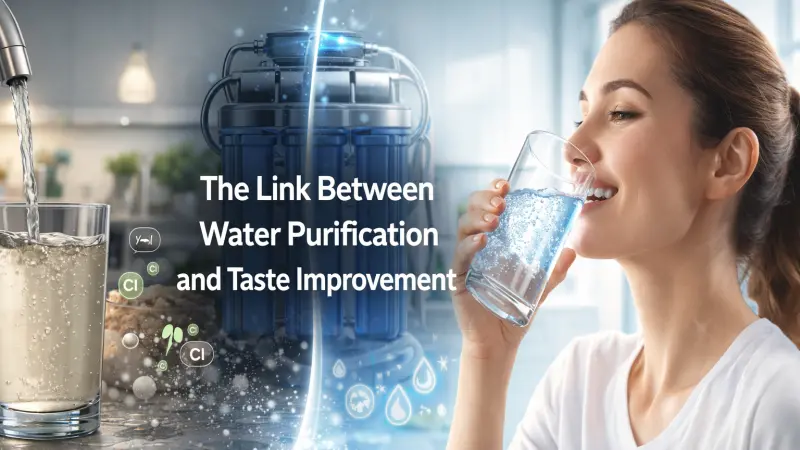
Have you ever paused to consider why a glass of water from one region tastes remarkably different from another despite both being technically safe to consume. The fundamental link between water purification and taste improvement remains a critical topic for households across the United Kingdom as individuals seek the highest quality hydration experiences. While the UK enjoys some of the most stringent water quality standards globally the journey from reservoir to tap introduces various elements that can alter the sensory profile of what we drink. Understanding the science behind these alterations allows consumers to make informed decisions regarding domestic filtration solutions that enhance the natural flavour of water while removing undesirable attributes.

The Science of Flavour in Domestic Water Supplies
Water in its purest form is often described as tasteless but in reality the liquid we consume contains a complex mixture of dissolved minerals gases and organic compounds. These constituents define the character of the water providing either a crisp refreshing finish or a lingering metallic aftertaste. In many parts of Southern and Eastern England the prevalence of chalk and limestone geology results in hard water which is rich in calcium and magnesium carbonates. While these minerals are essential for health they can create a heavy mouthfeel and contribute to the formation of limescale which indirectly affects the perceived freshness of the liquid. Conversely soft water areas such as those found in Scotland and Wales often possess a different mineral balance that can sometimes feel thin or even slightly acidic to certain palates.
The role of water purification in this context is to balance these elements to achieve a neutral and pleasant profile. Purification processes are designed to target specific contaminants that interfere with the natural clarity and flavour of the water. This includes the removal of sediments volatile organic compounds and residual disinfectants. By refining the chemical composition of the fluid purification systems ensure that the water serves as a perfect blank canvas for tea coffee and culinary applications where the purity of the water is paramount to the final result.
The Impact of Chlorine on Palatability
One of the most significant factors affecting the taste of tap water in the UK is the use of chlorine as a primary disinfectant. Water utility companies add chlorine to ensure that the supply remains free from harmful bacteria and pathogens as it travels through miles of underground piping. While this is a vital public health measure the residual chlorine can impart a distinct chemical odor and a sharp bleach like taste that many find unappealing. This sensory intrusion is often the primary motivation for individuals seeking water purification solutions.
Advanced carbon filtration represents the most effective method for addressing chlorine related issues. Activated carbon works through a process of adsorption where the large surface area of the carbon medium traps chlorine molecules and other organic impurities. This results in water that smells and tastes significantly cleaner. For many households the transition from standard tap water to carbon filtered water provides a noticeable improvement in daily hydration habits leading to increased water consumption and better overall health outcomes.
Mineral Content and Mouthfeel
The texture of water often referred to as mouthfeel is directly influenced by its total dissolved solids content. High levels of minerals can make water feel thick or even slightly salty while extremely low mineral content can result in a flat or dull sensation. Water purification technologies such as reverse osmosis allow for the precise calibration of these mineral levels. By stripping the water back to its molecular basics and then selectively reintroducing beneficial minerals like potassium and magnesium purification systems can create a bespoke drinking experience that rivals the finest bottled waters.
Furthermore the presence of metallic ions such as iron manganese and copper can introduce a bitter or astringent quality to the water. These elements may enter the supply through aging pipework or natural geological leaching.
Effective purification targets these ions specifically preventing the metallic tang that can ruin the delicate flavours of light roasts of coffee or fine herbal teas. The improvement in taste is not merely subjective but is rooted in the chemical harmony achieved through rigorous filtration.
The Role of Organic Compounds and Sediments
Natural organic matter including tannins from peaty soil or microalgae can occasionally find its way into the water system particularly after heavy rainfall. While these substances are generally harmless they can cause discolouration and an earthy or musty flavour profile. Sediment such as rust or sand particles can also affect the clarity and texture of the water. Multistage purification systems typically include sediment pre filters to catch these larger particles followed by ultrafiltration or fine carbon blocks to address the microscopic organic compounds.
By removing these earthy elements the water gains a brightness and clarity that enhances the visual and sensory experience of drinking. This is especially important for commercial settings such as restaurants and cafes where the quality of the water reflects the standard of the establishment. In a domestic setting it ensures that every glass of water is consistently refreshing regardless of seasonal changes in the raw water source.
Enhancing Culinary and Beverage Quality
The benefits of water purification extend far beyond the glass of cold water. In the kitchen purified water is an essential ingredient that impacts the outcome of almost every dish. For example when boiling vegetables purified water prevents the deposition of mineral films and preserves the vibrant colours and natural nutrients of the produce. In baking the pH and mineral balance of the water can affect the fermentation of yeast and the structure of the dough highlighting the importance of consistency in the water supply.
Tea and coffee enthusiasts are perhaps the most vocal advocates for water purification. Since a cup of coffee is approximately ninety eight per cent water the quality of the solvent determines the extraction of the flavour compounds from the beans. Hard water can lead to over extraction and a bitter taste while water with the correct mineral balance allows the complex acidity and sweetness of the coffee to shine. Similarly the delicate polyphenols in tea are highly sensitive to chlorine and heavy minerals meaning that purified water is the only way to experience the true essence of a premium leaf.
Sustainable Hydration and Economic Considerations
Choosing to implement a home water purification system is also a step towards more sustainable living. By improving the taste of tap water households are less likely to rely on single use plastic bottled water. This significantly reduces the carbon footprint associated with the production transportation and disposal of plastic containers. Over time the investment in a high quality filtration system proves more economical than the continuous purchase of bottled alternatives providing a long term solution for both the palate and the pocket.
Modern purification systems are designed for efficiency and ease of maintenance. Whether it is a simple jug filter a tap mounted device or a comprehensive under sink reverse osmosis system the technology has become more accessible than ever.
This accessibility ensures that every UK resident can enjoy the benefits of purified water without the need for complex plumbing or excessive expenditure.
Technological Advancements in Water Treatment
The field of water purification is constantly evolving with new technologies emerging to provide even greater levels of purity and taste enhancement. Innovations such as UV sterilisation and ion exchange resins offer targeted solutions for specific water challenges. UV light can neutralise microorganisms without the need for chemicals preserving the natural flavour profile while ion exchange is highly effective at softening water and removing heavy metals. These advancements mean that even the most difficult water sources can be transformed into high quality drinking water.
Furthermore smart filtration systems now allow users to monitor the lifespan of their filters and the quality of their water in real time via mobile applications. This level of transparency and control gives consumers peace of mind that their water is always at its peak performance. As we look to the future the integration of sustainable materials and more energy efficient processes will continue to drive the growth of the water purification industry.
The Health and Wellbeing Connection
While the primary focus of this discussion is taste it is impossible to ignore the link between palatability and hydration. When water tastes good people are naturally inclined to drink more of it. Proper hydration is essential for cognitive function physical performance and the healthy operation of all bodily systems. By removing the barriers to enjoyment such as unpleasant smells or flavours water purification directly supports the wellbeing of the population.
Moreover the removal of potential contaminants such as microplastics lead and pharmaceutical residues adds an extra layer of protection for the consumer. While the levels of these substances in UK tap water are strictly
monitored and kept within safe limits purification provides an added safeguard for those who wish to achieve the highest possible standards of purity for themselves and their families.
Improving Visibility Through Collaborative Networks
As communities across the country continue to prioritise health and quality of life the demand for reliable information regarding home improvements grows. For those seeking to connect with reputable local experts or wanting to explore a free uk directory list for business to find services the digital landscape offers numerous opportunities. By utilising the best free business listing directories uk has to offer consumers can find specialists in water treatment and home maintenance. Platforms like Local page UK play a vital role in this ecosystem by listing businesses and helping them reach a wider audience while ensuring that individuals have access to the resources they need for a better home environment. Whether you are looking for a local plumber to install a filtration system or simply want to browse the best uk business directories free of charge these tools facilitate the connections that drive local economic growth and improve online visibility for essential services.
Common Questions Regarding Water Purification and Taste
Does boiling water improve its taste
Boiling water can remove some volatile compounds like chlorine and will kill bacteria but it does not remove minerals or heavy metals. In fact boiling can concentrate these non volatile impurities leading to a flatter or more metallic taste as the water volume reduces through evaporation.
How often should I change my water filter
To maintain optimal taste and performance filters should be changed according to the manufacturer guidelines which is typically every one to six months depending on the type of system and the volume of water used. Using a saturated filter can lead to a decline in water quality and a return of unpleasant flavours.
Can purified water be too pure
While extremely pure water like distilled water can taste flat to some most domestic purification systems leave behind or reintroduce a healthy balance of essential minerals to ensure a refreshing and natural taste profile.
Is hard water safe to drink
Yes hard water is perfectly safe and can even provide a source of dietary calcium and magnesium. However many people prefer the taste and mouthfeel of filtered or softened water and choose purification to prevent limescale buildup in appliances.
Will a filter remove the smell of sulfur
Yes specific types of carbon filters and oxidising filters are very effective at removing hydrogen sulfide which
is responsible for the rotten egg smell that can occasionally affect certain water sources.
Does purified water help with weight loss
While water itself does not cause weight loss drinking more water because it tastes better can help you feel fuller and reduce the consumption of sugary beverages which supports a healthy weight management plan.

Disclaimer: The information provided in this article is for general informational and research purposes only. Company details, features, services, and market positions may change over time. Readers are advised to visit official company websites and conduct independent research before making any business decisions or purchasing services.
Most Searchable Keywords

Recent Blogs
-

Transform Your Operations with business workflow automation solutions
-

How to Choose the Right industrial materials supplier company in the UK
-

How to Choose the Right commercial ventilation contractor in the UK
-

Select the Ideal Industrial Equipment Manufacturer UK
-

How to Partner with the Right commercial facade contractor for Your UK Project

Related Listings




Categories
- Accountants (293)
- Advertising Agencies (559)
- Architects (149)
- Automobiles (374)
- Beauty (300)
- Carpenters (146)
- Cleaning Services (383)
- Dentists (189)
- Driving (61)
- Electricians (212)
- Energy (6)
- Event Organiser (682)
- Finance (593)
- Guide (3335)
- Health (2203)
- Information technology (196)
- Legal Services (352)
- Logistics (3)
- Maintenance (60)
- Manufacturing (30)

Sponsored Listings in Plumbers

Related Blogs
Transform Your Operations with business workf...
Read this insightful article "Transform Your Operations with business workflow automation solutions" to expand your knowledge!
How to Choose the Right industrial materials...
Read this insightful article "How to Choose the Right industrial materials supplier company in the UK" to expand your knowledge!
How to Choose the Right commercial ventilatio...
Read this insightful article "How to Choose the Right commercial ventilation contractor in the UK" to expand your knowledge!
Questions & Answers – Find What
You Need, Instantly!
How can I update my business listing?
Is it free to manage my business listing?
How long does it take for my updates to reflect?
Why is it important to keep my listing updated?
