
Agricultural Vehicles UK: Models, Regulations & Dealer Networks
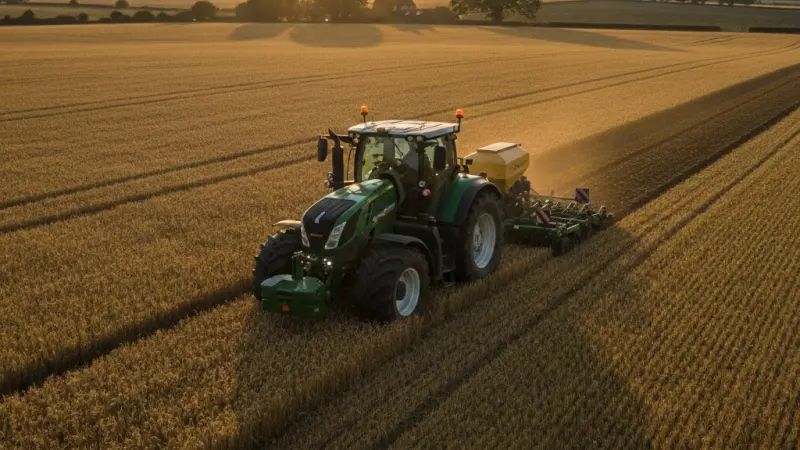
The agricultural vehicle sector remains a foundational pillar of the British economy, serving as the mechanical heartbeat of a food production industry that contributes billions to the national GDP. From the rolling hills of the South West to the vast arable expanses of East Anglia, the machinery that traverses our landscape is more than just hardware; it represents a sophisticated intersection of heavy engineering and digital innovation. In 2024 and 2025, the sector has faced unique pressures, ranging from fluctuating commodity prices to a radical shift in how the government supports farm productivity.
As the UK navigates its post-Brexit landscape, the role of agricultural vehicles has evolved. They are no longer viewed simply as tools for tillage or harvest, but as data-gathering hubs critical for "precision farming." For the thousands of businesses supporting this ecosystem—from independent repair shops to sprawling multi-franchise dealerships—visibility in a uk local business directory has become essential for connecting with a modern, tech-savvy farming community. This guide provides an exhaustive analysis of the current market, the regulatory framework governing it, and the dealer networks that keep the British countryside moving.
The Landscape of Agricultural Vehicles in the UK
The UK agricultural machinery market is currently valued at approximately £3.3 billion, reflecting a resilient, albeit complex, recovery path. Following the pandemic, the industry witnessed a significant disruption in supply chains, leading to a "backlog effect" that saw lead times for new tractors and combine harvesters extend to over twelve months. However, as we enter 2026, the market has stabilised, though it is now characterised by a trend toward higher-specification, more powerful machinery to offset chronic labour shortages.
Key regions of activity remain concentrated in East Anglia (the "breadbasket" of England), the East Midlands, and the North East, where large-scale cereal production demands high-horsepower tractors and high-capacity harvesters. Conversely, the South West and Wales maintain a steady demand for mid-range, versatile utility tractors suited for livestock and dairy operations. Despite a slight dip in total unit registrations in early 2025, the total value of the market remains high as farmers invest in "smart" machines.
The evolution of the industry is also marked by a shift in ownership models. We are seeing a rise in machinery sharing and contract farming, where specialised contractors provide the latest equipment as a service. To find these specialists, many farmers now rely on a uk local business search to identify reliable operators in their immediate vicinity. This regional concentration of expertise ensures that even in remote areas, the agricultural sector remains supported by a robust network of professionals.
Comprehensive Services Breakdown
The agricultural vehicle niche encompasses a diverse array of products and services that extend far beyond the initial sale of a tractor. To maintain a competitive edge, businesses must offer a holistic suite of solutions.
Sales and Franchising: The UK is dominated by a few "power brands"—John Deere, CNH Industrial (New Holland/Case IH), and AGCO (Massey Ferguson/Fendt/Valtra). Dealers often operate as exclusive franchisees, providing a gateway to the latest European and American engineering.
Precision Farming Technology: This is the fastest-growing sub-sector. It includes the installation and calibration of GPS steering systems, ISOBUS-compatible implements, and telematics that allow for real-time fleet monitoring.
Aftersales and Maintenance: Given the high cost of downtime during harvest, 24/7 mobile repair services are a staple. This includes hydraulic specialists, engine remapping, and routine servicing.
Hire and Leasing: Short-term hire for seasonal peaks (like silage or harvest) is increasingly popular. Businesses offering these services often list themselves in a uk online business directory to capture the attention of farmers looking for flexible capital expenditure.
Parts and Salvage: There is a thriving market for both OEM parts and used/reconditioned components. The circular economy within UK farming is strong, with many older machines being maintained through a network of specialized salvage yards.
Certification and Training: As vehicles become more complex, the demand for operator training and health and safety certification has surged.
This includes specialist "Category F" training for young drivers and LANTRA-approved courses for advanced machinery.
How to Choose the Right Service Provider
Selecting a machinery partner or service provider is a high-stakes decision for any agricultural business. A combine harvester costing upwards of £400,000 is an investment that requires more than just a low price tag; it requires long-term trust.
When evaluating a provider, look for uk verified business listings that highlight long-standing reputations within the local farming community. Key metrics for selection should include:
Accreditations: Are they members of the Agricultural Engineers Association (AEA) or the British Agricultural and Garden Machinery Association (BAGMA)? These memberships signify a commitment to professional standards.
Response Times: In the farming world, a "local" reputation is built on how quickly a technician can get to a broken-down tractor on a Sunday afternoon in July. Check reviews for specific mentions of emergency service reliability.
Insurance and Liability: Ensure the provider has comprehensive trade insurance, especially if they are transporting your heavy machinery between sites.
Technical Proficiency: With the rise of electric and hybrid tractors, ensure your chosen garage has the diagnostic tools and training to handle high-voltage systems.
For those searching for new partners, using a local businesses list uk can help filter providers by distance and specific service categories, ensuring you find a local expert who understands the unique terrain of your county.
Industry Challenges & Future Outlook
The "Green Revolution" is no longer a distant prospect for the UK agricultural sector—it is the current reality. One of the most significant challenges is the transition to Net Zero. While heavy-duty tractors still rely on diesel (specifically red diesel, which saw significant tax changes in recent years), there is an accelerating shift toward alternative fuels. Methane-powered tractors and hydrogen-powered prototypes are already being trialled on British soil.
Sustainability initiatives are also driving the "Reduced Tillage" movement. This requires a different class of machinery—low-compaction vehicles and direct-drill seeders—designed to protect soil health and sequester carbon. Furthermore, the regulatory landscape is shifting. The introduction of the "Farming Equipment and Technology Fund" (FETF) provides grants for farmers to purchase equipment that improves productivity or environmental outcomes.
The future outlook is dominated by the "Robotisation" of the field. Small, autonomous "swarm" robots for weeding and scouting are beginning to replace large, heavy sprayers. These shifts require agricultural professionals to constantly update their digital presence. By securing a business listing uk, smaller tech startups in the agri-robotics space can gain the visibility needed to compete with established giants.
Business Tips for Agricultural Vehicles Professionals
In an industry traditionally built on "handshake deals" and word-of-mouth, the digital shift can feel daunting. However, the modern farmer is increasingly using mobile devices to source parts and services while in the field. To succeed, local agricultural businesses must prioritize digital visibility.
Claim Your Digital Real Estate: The first step is to ensure your business is present where your customers are looking.
Registering for a business listing uk on a reputable platform ensures that when a farmer searches for "tractor repair near me," your name appears.
Content Marketing: Share your expertise. Write blog posts about winter maintenance for sprayers or how to calibrate GPS systems for the upcoming season. This establishes authority and improves SEO.
Visual Proof: Use high-quality images of your workshop, your fleet, and your team. In a trade-based industry, seeing the quality of the facility builds immense trust.
Local SEO: Ensure your contact details are consistent across all platforms. A consistent presence in a uk local business directory helps search engines verify your location, making you more likely to appear in local search results.
Digital marketing is no longer optional. It is the modern version of the roadside sign, but with a significantly higher reach and a lower cost of acquisition.
Wrapping Up & Local Page Integration
The UK agricultural vehicle sector is a testament to the resilience and adaptability of the British rural economy. As we move further into a decade defined by technological disruption and environmental accountability, the relationship between farmers and their machinery providers will only deepen. To maintain this momentum, the industry requires a bridge between traditional service and modern accessibility.
Local Page UK serves as that bridge. By providing a centralized, high-authority platform for the uk b2b business directory market, it allows agricultural engineers, dealerships, and parts suppliers to showcase their value to a national audience. Whether you are a small-scale repair shop in Shropshire or a major harvester distributor in Lincolnshire, your digital footprint is your most valuable asset.
Boost Your Visibility with Local Page UK
For businesses operating within the Agricultural Vehicles niche, being found online is no longer just a luxury—it is a critical business requirement. Farmers are busy, and their first port of call for a new service provider is almost always a search engine. By choosing to claim your business listing uk, you are ensuring that your expertise is visible to those who need it most. Join the thousands of UK service providers who are already benefiting from the reach and authority of the Local Page network.
Frequently Asked Questions
What are the main types of agricultural vehicles used in the UK? The UK agricultural sector utilizes a vast range of machinery tailored to specific farming types. The most common is the tractor, which serves as a multi-purpose power unit. For arable farms, combine harvesters are essential for grain collection. Livestock farmers frequently use telehandlers (telescopic handlers) for moving fodder and bedding, while quad bikes and ATVs are indispensable for stock management and traversing difficult terrain.
What driving licence do I need for a tractor in the UK? To drive a tractor on public roads, you generally need a Category F entitlement. This is automatically granted if you hold a full Category B (car) licence.
At age 16, you can take a tractor-only test, which restricts you to machines under 2.45m wide. For larger agricultural vehicles over 7.5 tonnes, specific age restrictions (usually 21) and additional training may apply depending on the vehicle's use and weight.
Are there grants available for buying new farm machinery? Yes, the UK government frequently offers support through the Farming Equipment and Technology Fund (FETF). These grants are designed to help farmers invest in equipment that improves productivity, animal health, and environmental sustainability. Eligible items often include precision farming tools, low-emission slurry applicators, and specialized livestock handling equipment. It is advisable to check the latest DEFRA guidance for application windows.
Can I use "Red Diesel" in all agricultural vehicles? Red diesel (Gas Oil) can be used in vehicles specifically used for "agricultural purposes." This includes tractors, harvesters, and certain "light" agricultural vehicles like ATVs when used for farming, forestry, or horticulture. However, strict rules apply to the type of journey; using red diesel for non-agricultural work, such as commercial haulage or snow clearing for a fee (in some cases), can lead to heavy fines from HMRC.
How often should agricultural vehicles be serviced? Maintenance schedules vary significantly by machine type and usage. Most modern tractors require an engine oil and filter change every 500 to 600 hours of operation. Transmission and hydraulic fluids usually have longer intervals (1,200+ hours). However, for seasonal machines like combines, a "winterization" service and a pre-harvest inspection are critical to prevent costly breakdowns during the narrow harvest window.
What is "Precision Farming" and why is it important? Precision farming involves using GPS, sensors, and data analytics to optimize crop production. By using auto-steer systems on tractors, farmers can reduce "overlap" during spraying or seeding, saving on fuel and chemicals. This technology increases efficiency, reduces the environmental footprint of farming, and allows for more accurate yield mapping, which informs future management decisions.
How do I find a reliable local tractor repair shop? Finding a reliable specialist is easiest when using a verified uk local business directory. Look for shops that have positive reviews from other farmers and check if they hold franchises for major brands. A good repair shop should offer mobile on-farm support, have access to modern diagnostic software, and maintain a stock of common wear-parts to minimize your downtime.
What are the regulations for wide agricultural vehicles on UK roads? Agricultural vehicles over 2.55m wide (up to 3.5m) can travel on most roads but are subject to a 20mph speed limit. If the vehicle or its implement exceeds 3.5m, you may need to provide a 24-hour notice to the police and potentially use an escort vehicle. It is essential to ensure all beacons and "wide load" markers are clean and functional before entering a public highway.
Are electric tractors available in the UK? Electric tractors are beginning to enter the UK market, primarily in the lower horsepower (compact) range suitable for orchards, vineyards, and equestrian use. Major manufacturers like Fendt and Kubota have released or are trialling fully electric models. While high-horsepower electric tractors face challenges with battery weight and charging infrastructure, they offer zero-emissions and lower noise levels for sensitive environments.
What is the resale value of a used tractor in the UK? Used tractors in the UK hold their value remarkably well, particularly those from "premium" brands like John Deere or Fendt with a full service history. Factors affecting resale value include total engine hours, the condition of the cab and tyres, and whether the machine is "GPS-ready." Many farmers trade in their machines every 3 to 5 years to stay within the manufacturer's warranty period.
Do I need an MOT for my tractor? Generally, agricultural tractors that are used solely for agricultural purposes are exempt from the standard MOT test. However, "high-speed" tractors (capable of over 40km/h) used for commercial haulage may be subject to testing requirements. Regardless of MOT status, all vehicles used on public roads must be in a roadworthy condition, with functional lights, brakes, and tyres that meet legal tread depth requirements.
How can I list my agricultural business online for free? You can reach more local customers by securing a business listing uk on specialized directories like Local Page. This allows you to list your services, location, and contact details, making it easier for farmers in your region to find you when they need urgent repairs, parts, or a new machinery quote.
What are the safety requirements for carrying passengers in a tractor? In the UK, it is illegal to carry a child under the age of 13 in the cab of a tractor or any agricultural vehicle. For adults, passengers should only be carried if the vehicle is fitted with a factory-installed passenger seat and seatbelt. Carrying passengers on the mudguards, drawbars, or inside trailers (unless specifically modified for personnel transport) is a major safety violation and highly dangerous.
How has Brexit affected the agricultural machinery market? Brexit has led to changes in how machinery is certified (the transition from CE marking to the UKCA mark). It has also introduced additional customs paperwork for parts and machinery imported from the EU, which can sometimes lead to delays.
However, the UK market remains a priority for global manufacturers, and many have established dedicated UK headquarters to manage these regulatory transitions.
What is the Agricultural Engineers Association (AEA)? The AEA is the leading trade body representing manufacturers and importers of agricultural machinery and outdoor power equipment in the UK. They provide market data, advocate for the industry in government policy, and promote technical standards. Buying from an AEA-member dealer provides an additional layer of assurance regarding the professional conduct and technical competence of the business.
Disclaimer: The information provided in this article is for general informational and research purposes only. Company details, features, services, and market positions may change over time. Readers are advised to visit official company websites and conduct independent research before making any business decisions or purchasing services.
Most Searchable Keywords
Recent Blogs


Related Listings
Categories
- Accountants (295)
- Advertising Agencies (559)
- Architects (149)
- Automobiles (377)
- Beauty (300)
- Carpenters (146)
- Cleaning Services (387)
- Dentists (189)
- Driving (62)
- Electricians (215)
- Energy (8)
- Event Organiser (686)
- Finance (602)
- Guide (3373)
- Health (2207)
- Information technology (206)
- Legal Services (353)
- Logistics (6)
- Maintenance (65)
- Manufacturing (35)
Sponsored Listings in Travel Agencies



Related Blogs
Explore Dog Friendly Walks in the Cotswolds f...
Read this insightful article "Explore Dog Friendly Walks in the Cotswolds for 2026" to expand your knowledge!

How Much Do UK Actors Really Earn Full Indust...
Read this insightful article "How Much Do UK Actors Really Earn Full Industry Breakdown" to expand your knowledge!

Blue Light Card UK 2026 Check Eligibility and...
Read this insightful article "Blue Light Card UK 2026 Check Eligibility and Claim" to expand your knowledge!
Questions & Answers – Find What
You Need, Instantly!
How can I update my business listing?
Is it free to manage my business listing?
How long does it take for my updates to reflect?
Why is it important to keep my listing updated?
