
Agricultural Engineers UK: Equipment Maintenance, Innovations & Repairs
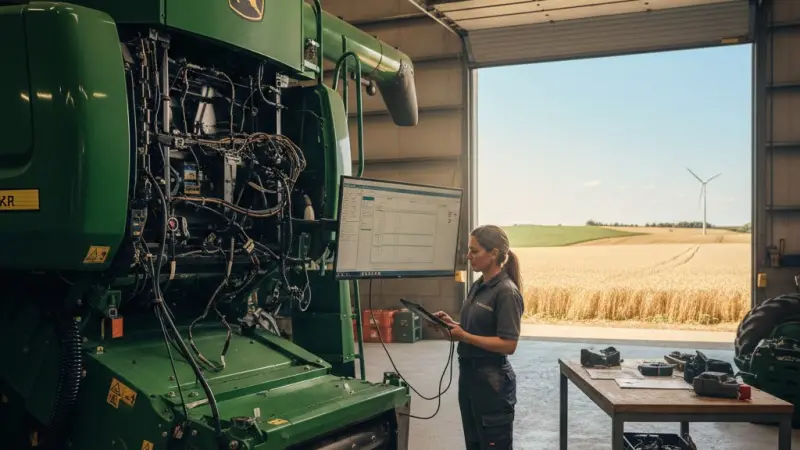
The agricultural engineering sector is the unsung backbone of the United Kingdom’s economy. Far from the traditional image of a grease-stained mechanic in a drafty barn, modern agricultural engineers are high-tech specialists managing assets worth billions. With the UK agricultural machinery market valued at approximately £2.5 billion in 2024, the maintenance and repair of these sophisticated machines are paramount.
Beyond just fixing tractors, these professionals ensure that the UK's 17 million hectares of agricultural land remain productive. As the global population rises and the demand for sustainable food production intensifies, the role of the agricultural engineer has shifted from simple mechanical repair to complex systems management. They are the gatekeepers of food security, ensuring that during the high-stakes windows of planting and harvest, the machinery—and by extension, the British food supply chain—never falters.
The Landscape of Agricultural Engineers in the UK
The landscape of agricultural engineering in Britain has undergone a seismic shift since 2020. Post-pandemic, the industry has grappled with supply chain disruptions that made new machinery scarce, leading to a massive surge in demand for high-quality repairs and maintenance of existing fleets.
Currently, activity is concentrated in high-output arable regions such as East Anglia and the East Midlands, while the South West and Scotland remain hubs for livestock-specific engineering. Post-Brexit, the industry has also become a focal point for the UK’s Industrial Strategy. As farmers transition away from EU-style subsidies toward the Environmental Land Management (ELM) scheme, engineers are helping them adapt by retrofitting older equipment with precision technology.
To find these specialized providers, many estate managers now use a uk business directory to identify local talent that understands the specific soil and climate challenges of their county. The evolution of the sector is clear: it is no longer just about horsepower; it is about data power and mechanical resilience.
Comprehensive Services Breakdown
The modern service portfolio of a British agricultural engineer is incredibly diverse. It typically spans three primary pillars:
Mechanical & Hydraulic Repairs: This remains the core of the trade. From gearbox rebuilds to emergency hydraulic hose replacements on-site, engineers provide a 24/7 lifeline. Specialists often cover major brands like John Deere, Massey Ferguson, and New Holland.
Precision Technology Integration: Modern farming relies on GPS, IoT sensors, and autonomous steering. Engineers now spend as much time with a laptop as they do with a wrench, calibrating software and ensuring that "Smart Farming" tools are communicating correctly across the fleet.
Preventative Maintenance & Compliance: Under the Provision and Use of Work Equipment Regulations (PUWER), farmers have a legal obligation to ensure machinery is safe. Engineers provide scheduled servicing and maintenance logs that are vital for insurance and safety audits.
For those looking to explore specialized trades, a uk service providers directory can offer a detailed breakdown of local workshops that specialize in specific areas like irrigation systems or forage harvester maintenance.
How to Choose the Right Service Provider
Selecting an engineering partner is a critical business decision for any farm. Reliability is the
primary currency in this industry. When vetting a provider, look for the following:
Accreditations: Look for members of the Institution of Agricultural Engineers (IAgrE) or those with ISO 9001 certifications.
Mobile Capabilities: During harvest, you cannot afford to transport a combine 50 miles. Ensure the provider has a fleet of fully equipped mobile service vans.
Reviews and Local Reputation: In the rural economy, word-of-mouth is powerful, but digital verification is becoming the norm. Use a local page uk business directory to check for verified reviews and years in business.
Insurance: Ensure they have comprehensive public liability and professional indemnity insurance, specifically covering agricultural work.
Industry Challenges & Future Outlook
The "Green Revolution" is the biggest challenge and opportunity for the sector. The shift toward carbon-neutral farming means engineers are now working on electric and hydrogen-powered prototypes. Sustainability is no longer a buzzword; it is a regulatory requirement.
Regulatory changes, such as the UK’s commitment to net-zero by 2050, are forcing a rethink of traditional diesel-heavy operations. Furthermore, the labor shortage in skilled trades means that the next generation of engineers must be recruited through high-tech apprenticeships. Those looking for career opportunities or specialized services often turn to uk professional services listings to see which firms are expanding and leading the way in "Agriculture 4.0."
Business Tips for Agricultural Engineers Professionals
For the independent engineer or the regional dealership, local visibility is everything. In an era where even the most traditional farmer uses a smartphone, having a digital footprint is non-negotiable.
Claim Your Presence: Every local engineer should ensure they have a business listing uk to appear in local search results.
Showcase Your Expertise: Use social media to show "before and after" shots of complex rebuilds. This builds trust in your technical ability.
Local SEO: Ensure your business is listed in a uk local business directory so that when a
farmer searches for "tractor repair near me," your workshop is the first one they see.
Network Digitally: Use B2B platforms to connect with parts suppliers and larger agricultural groups.
Wrapping Up & Local Page Integration
Agricultural engineering is a vital, high-tech, and evolving sector that keeps the United Kingdom fed and its rural economy thriving. From the smallest family farm to the largest commercial estate, the expertise of these engineers is the difference between profit and loss.
For business owners in this sector, standing out in a crowded market requires the right tools. Local Page UK serves as the premier solution for connecting British agricultural professionals with the farmers who need them most. By utilizing a business listing uk, you can ensure your expertise is visible to your local community and beyond.
Boost Your Visibility with Local Page UK
In the competitive world of agricultural services, being invisible online is as bad as having a broken-down tractor in the middle of harvest. Whether you provide emergency repairs, precision tech installations, or routine maintenance, your customers are looking for you online. Claim your business listing uk today on Local Page UK and ensure your business is part of the most trusted local business listings uk.
Frequently Asked Questions
What exactly does an agricultural engineer do? Agricultural engineers apply engineering technology and biological science to agricultural problems. They design, maintain, and repair agricultural machinery, equipment, and structures. In the UK, this often involves working with advanced GPS systems, hydraulic systems, and traditional mechanical components to ensure farming operations run efficiently and safely.
Why is regular maintenance important for farm machinery? Regular maintenance prevents unexpected breakdowns during critical windows like harvest or planting. It also ensures compliance with UK safety regulations (PUWER), extends the lifespan of expensive assets, and maintains the resale value of the machinery. Early diagnosis of faults by a professional can save thousands in emergency repair costs later.
How has the industry changed since Brexit and the Pandemic? Post-pandemic, supply chain issues made new machinery harder to source, increasing the value of skilled repair services. Post-Brexit, the shift toward Environmental Land Management (ELM) schemes has pushed engineers to focus more on precision farming tools that help farmers reduce their environmental footprint and qualify for new government subsidies.
What qualifications should I look for in an agricultural engineer? Look for engineers who are members of the Institution of Agricultural Engineers (IAgrE). Many also hold specific manufacturer certifications (e.g., from Fendt or John Deere) and NVQ/SVQ levels in Land-based Engineering.
Professional registration as an Engineering Technician (EngTech) or Incorporated Engineer (IEng) is also a mark of high standards.
Can agricultural engineers perform on-site repairs? Yes, most reputable UK agricultural engineering firms offer mobile service units. These vans are equipped with diagnostic software, tools, and common spare parts to perform emergency repairs directly in the field, which is essential for minimizing downtime during busy seasons.
What is "Agriculture 4.0" in the context of engineering? Agriculture 4.0 refers to the fourth industrial revolution in farming, characterized by the use of Big Data, IoT, robotics, and AI. Engineers in this space are responsible for installing and maintaining autonomous steering, drone technology, and soil sensors that allow for "variable rate" application of seeds and fertilizers.
How can I find a reliable local agricultural engineer? The best way is to use a verified uk local business search. This allows you to see local providers, read customer reviews, and check their service offerings before making contact.
Are there specific safety regulations for agricultural machinery in the UK? Yes, the Provision and Use of Work Equipment Regulations 1998 (PUWER) apply to all work equipment, including farm machinery. It requires that equipment is suitable for use, maintained in a safe condition, and inspected by competent persons.
What are the most common repairs for tractors? Common issues include hydraulic system failures, transmission problems, electrical faults related to modern ECU units, and standard wear-and-tear on tires and hitches. Prompt attention to leaks or unusual noises is key to preventing total engine failure.
Do engineers help with vintage tractor restoration? Many agricultural engineers specialize in heritage machinery. This requires a different set of skills—often involving fabrication of parts that are no longer in production. Such specialists are highly sought after for both hobbyists and working heritage farms.
How much does a typical call-out cost? Costs vary by region and the time of year. Emergency harvest call-outs usually carry a premium. Most engineers charge a base call-out fee plus an hourly rate. It is always best to get a transparent quote via a uk online business directory before the work begins.
Is there a shortage of agricultural engineers in the UK? There is currently a high demand for skilled technicians. The industry is working hard to attract young people into the sector through apprenticeships that combine traditional mechanical skills with high-level computer science and electronics.
Can engineers help me reduce my farm's carbon footprint? Absolutely. Engineers can calibrate your machinery for maximum fuel efficiency and install precision systems that prevent the over-application of chemicals. They are also at the forefront of the transition to alternative fuels like methane or electricity.
What insurance does an agricultural engineer need? A professional should have Public Liability insurance (usually at least £5
million for farm work) and Professional Indemnity insurance if they are providing consultancy or design services.
How can I list my engineering business on Local Page UK? Simply visit the "Free Listing" section of the website. It takes just a few minutes to set up your profile, allowing you to reach thousands of potential customers looking for local trade services.
Disclaimer: The information provided in this article is for general informational and research purposes only. Company details, features, services, and market positions may change over time. Readers are advised to visit official company websites and conduct independent research before making any business decisions or purchasing services.
Most Searchable Keywords
Recent Blogs


Related Listings

Categories
- Accountants (295)
- Advertising Agencies (559)
- Architects (149)
- Automobiles (377)
- Beauty (300)
- Carpenters (146)
- Cleaning Services (387)
- Dentists (189)
- Driving (62)
- Electricians (215)
- Energy (8)
- Event Organiser (686)
- Finance (602)
- Guide (3373)
- Health (2207)
- Information technology (206)
- Legal Services (353)
- Logistics (6)
- Maintenance (65)
- Manufacturing (35)
Sponsored Listings in Travel Agencies


Related Blogs

Explore Dog Friendly Walks in the Cotswolds f...
Read this insightful article "Explore Dog Friendly Walks in the Cotswolds for 2026" to expand your knowledge!

How Much Do UK Actors Really Earn Full Indust...
Read this insightful article "How Much Do UK Actors Really Earn Full Industry Breakdown" to expand your knowledge!

Blue Light Card UK 2026 Check Eligibility and...
Read this insightful article "Blue Light Card UK 2026 Check Eligibility and Claim" to expand your knowledge!
Questions & Answers – Find What
You Need, Instantly!
How can I update my business listing?
Is it free to manage my business listing?
How long does it take for my updates to reflect?
Why is it important to keep my listing updated?
