
Arsenal Fixture List: Track the Gunners’ Journey and Champions League Nights
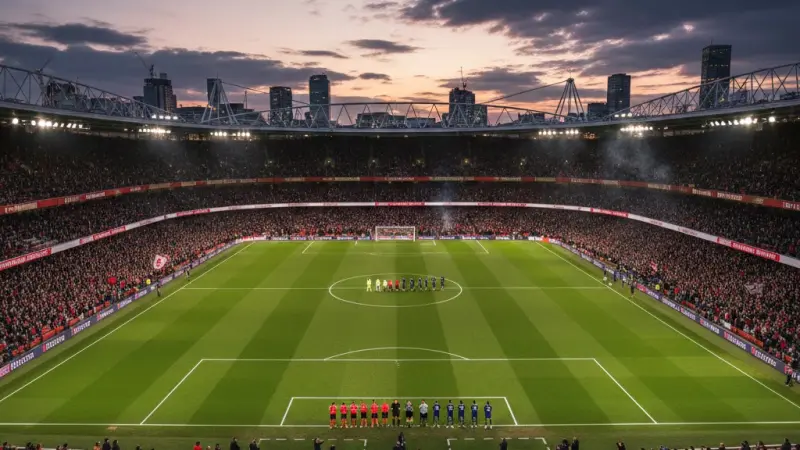
Keeping track of Arsenal fixtures is essential for any supporter aiming to follow the Gunners’ quest for silverware across multiple fronts. This season, Mikel Arteta’s squad faces a demanding schedule spanning the Premier League, the revamped Champions League format, and domestic trophies like the FA Cup and League Cup. Fans can expect a relentless run of matches, particularly during the winter months, with kick-off times often subject to change due to television broadcasting selections by Sky Sports and TNT Sports. Whether you are looking for home matches at the Emirates Stadium or crucial away trips to rivals, the calendar is packed with high-stakes encounters. Arsenal matches typically take place on Saturday afternoons or Sunday periods, though European commitments often push league games to Sundays or Monday nights. Staying informed on the latest schedule updates ensures you never miss a moment of the action as the North London giants strive to dominate both at home and abroad.

The definitive Arsenal fixture list consists of thirty-eight Premier League matches, at least eight guaranteed Champions League league phase games, and various domestic cup entries. Most matches are confirmed several weeks in advance, though fans should remain wary of late shifts in the schedule. Key dates to watch include the festive period, where games come thick and fast, and the final run-in during April and May when the title race reaches its peak intensity.
Strategic Outlook for the Current Campaign
The roadmap for the current season reveals a squad built for endurance and high-intensity tactical execution. Arsenal’s calendar is not merely a list of dates but a strategic puzzle that the coaching staff must navigate to maintain player fitness. The balance between domestic dominance and European progression is more delicate than ever, especially with the increased number of matches in the continental format. Fans should look at the blocks of fixtures surrounding international breaks, as these often dictate the momentum for the subsequent months of competition. The squad depth will be tested during the midweek rotations, making every fixture a vital component of the broader seasonal objective.
Navigating the Premier League Schedule
Domestic matches remain the bread and butter of the Arsenal experience, with the Premier League schedule forming the spine of the season. Each away trip presents a unique atmospheric challenge, while the home games at the Emirates serve as the fortress where points are non-negotiable. The league fixture list is meticulously planned but remains fluid, with broadcasters frequently moving games to accommodate the massive global audience. Supporters must keep a close eye on the "Gold" and "Silver" category designations for tickets, as these are often tied to the profile of the opposition in the upcoming fixture list.
League Match Dynamics
Away fixtures in the Premier League often require different tactical setups compared to home games. The Gunners have shown a remarkable ability to adapt their style based on the opponent's defensive block. When reviewing the upcoming schedule, it is wise to note the travel distance for the squad, as long trips to the north of England can impact recovery times before subsequent midweek matches in London.
Crucial Windows and Title Deciding Stretches
Identifying the most difficult periods in the Arsenal fixture list is key to understanding the team's trajectory. Traditionally, the period between December and February is regarded as the "make or break" window for any English club. During these months, the Gunners face a high density of matches with very little rest between kick-offs. This requires significant rotation from the manager and puts a spotlight on the fringe players of the first-team squad. Success during this winter gauntlet often sets the stage for a successful title charge come springtime, where the pressure shifts to maintaining consistency against lower-ranked teams fighting for survival.
The Intensity of the Festive Period
The Christmas and New Year period is a uniquely British footballing tradition that sees Arsenal playing multiple games in a single week. Boxing Day fixtures are a highlight for many families, but for the players, it is a time of maximum physical exertion and mental focus. The schedule during this time often includes back-to-back games with less than forty-eight hours of recovery, meaning the tactical preparation is often done through video analysis rather than on the training pitch. Points dropped during this frantic schedule are notoriously difficult to claw back later in the campaign.
Managing Player Fatigue
Monitoring the minutes played by key individuals like Bukayo Saka or Martin Ødegaard during heavy fixture blocks is essential. The medical department works overtime during these stretches to ensure that soft-tissue injuries are kept to a minimum. Supporters often see changes in the starting eleven during the third or fourth game of a busy week, reflecting the modern need for load management in professional football.
European Nights and Continental Travel
The return to the pinnacle of European football has added a sophisticated layer to the Arsenal fixture list. Midweek matches against the elite of Italy, Spain, and Germany bring a different kind of glamour to North London. These fixtures are played under the lights, often on Tuesdays or Wednesdays, and require the team to fly across the continent. The logistics of European travel can be taxing, especially when an away game in Eastern Europe is followed by a Sunday lunchtime kick-off in the Premier League. Adapting to the rhythms of the Champions League is a hallmark of an elite club, and Arsenal’s schedule reflects this ambition.
Impact of the New Champions League Format
The revised structure of European competition means more matches against a wider variety of opponents. Instead of the traditional group stages, the "league phase" provides a continuous stream of high-level fixtures throughout the autumn and into January.
This change has removed the "dead rubber" matches of previous years, ensuring that every midweek European fixture carries significant weight for qualification. For the fans, this means more opportunities to see the Gunners compete against diverse tactical systems and world-class talents from across the globe.
Continental Tactical Shifts
Playing on the continent often necessitates a more patient, possession-based approach to counter the technical proficiency of European opposition. Arteta’s tactical flexibility is frequently on display during these midweek encounters, as he balances the need for a result with the physical demands of the domestic league. These games are often the proving ground for the team's maturing defensive structure.
Domestic Cup Competitions and Silverware Hopes
While the league and Europe take centre stage, the FA Cup and League Cup remain vital avenues for glory. The Arsenal fixture list expands in January with the entry into the FA Cup, a competition the club has won more times than any other. These matches provide a platform for young academy prospects to showcase their talent alongside experienced professionals. Cup fixtures often introduce an element of unpredictability, with the potential for "giant-killings" or dramatic replays. Maintaining a deep run in these competitions adds more dates to the calendar but fosters a winning culture within the dressing room.
Balancing the Squad for Cup Runs
In the early rounds of domestic cups, the manager often opts for a blend of youth and experience. This strategy serves two purposes: resting key starters for more pressing league engagements and giving valuable competitive minutes to those returning from injury. However, as the competition reaches the quarter-final and semi-final stages, the strongest possible line-up is usually deployed. Winning a domestic trophy can provide a significant morale boost that carries over into the league form, making these "extra" fixtures highly valuable.
Cup Tie Atmosphere
There is a distinct atmosphere during cup matches, particularly evening games at the Emirates. The lower ticket prices often attract a different demographic of supporters, resulting in a vocal and passionate environment. For away cup ties, the smaller allocations and "all or nothing" nature of the knockout format create some of the most memorable moments for travelling fans.
The Significance of the North London Derby
No fixture in the Arsenal calendar carries as much emotional weight as the North London Derby against Tottenham Hotspur. These games are more than just a fight for three points; they are a battle for local pride and bragging rights. The dates for these fixtures are the first ones fans look for when the schedule is released in June. The intensity of the rivalry translates to a frantic pace on the pitch and a feverish atmosphere in the stands. Whether the game is at the Emirates or the Tottenham Hotspur Stadium, the stakes are always at their absolute maximum.
Preparing for High Stakes Rivalries
The week leading up to a derby is marked by increased media scrutiny and heightened tension within the fan base. Tactically, these games are often decided by small margins and individual moments of brilliance. The manager must ensure the players remain disciplined despite the high emotions of the occasion. In the context of the season’s fixtures, a victory in the derby can act as a catalyst for a long winning streak, while a defeat requires a swift mental recovery to avoid a slump.
Emotional Management of Derbies
Maintaining composure under the pressure of a hostile away crowd or the expectation of a home derby is a skill in itself. The Arsenal squad has increasingly shown the maturity required to handle these occasions. From a scheduling perspective, these games are almost always moved to a "super Sunday" slot to satisfy the massive television demand in the UK and internationally.
Common Mistakes to Avoid for Matchday Fans
When planning around Arsenal fixtures, several common pitfalls can ruin the experience for supporters. The most frequent mistake is failing to check for fixture changes after the initial schedule release. Television picks are usually announced in monthly batches, meaning a game originally slated for Saturday at 3:00 PM could easily move to Sunday evening or even Monday night. Another error is neglecting the impact of rail strikes or weekend engineering works, which are common in London and can significantly increase travel time to the stadium. Fans should always verify the final kick-off time and transport status forty-eight hours before the game.
Ticketing and Official Channels
Purchasing tickets from unofficial "touts" or secondary marketplaces is a risky endeavour that often leads to disappointment. Arsenal operates a strict membership-based ticketing system, and fans should always use the official Ticket Exchange to ensure their entry is valid.
Furthermore, arriving too close to kick-off at the Emirates can result in missing the start of the match due to the rigorous security checks at the turnstiles. Planning to be in the vicinity of the stadium at least ninety minutes before the game is the gold standard for a stress-free experience.
Travel and Logistics Planning
London’s transport network is generally efficient, but the sheer volume of fans heading to Highbury and Islington can overwhelm local stations. Using alternative routes like walking from Finsbury Park or Holloway Road can often save time. Additionally, fans travelling from outside London should book their train tickets well in advance to avoid the exorbitant prices associated with on-the-day travel during peak football hours.
Step by Step Guide to Following the Schedule
To stay perfectly in sync with the Arsenal fixture list, fans should follow a structured approach to information gathering. First, sync the official Arsenal digital calendar to your smartphone; this provides automatic updates whenever a kick-off time is changed. Second, monitor the Premier League’s official announcements regarding broadcasting windows, typically released six to eight weeks in advance. Third, follow reputable club journalists and official social media channels for real-time alerts on cup draws and potential postponements due to weather or other unforeseen circumstances. By centralising your sources of information, you eliminate the risk of relying on outdated third-party websites.
Digital Integration and Alerts
Most modern fans use apps to track live scores and schedules, but the official Arsenal App remains the most reliable source for confirmed data. Setting up "push notifications" for fixture news ensures you are among the first to know about ticket sale dates and hospitality availability. For those who enjoy the tactical side of the game, reviewing the fixture list alongside player injury news can provide a clearer picture of likely team selections and match outcomes.
Integrating Personal Commitments
Planning your social and professional life around the Gunners requires a bit of foresight. Many supporters use a "rolling three-month" plan, where they lock in travel and accommodation only after the television picks for that period have been finalised. This prevents the costly mistake of booking a hotel for a Saturday night only for the game to be moved to a Sunday afternoon kick-off.
The Future Outlook of the Arsenal Calendar
Looking ahead, the Arsenal fixture list is set to become even more congested as global football continues to expand. Future seasons may see more international mid-season tournaments and an even busier European schedule. However, the club’s investment in sports science and squad depth suggests they are prepared for this evolution. The long-term vision involves consistently competing at the business end of all four major competitions, meaning fans can expect high-quality football almost every three days for the foreseeable future. The Emirates Stadium will remain the heartbeat of this journey, hosting the world’s best teams in the most prestigious competitions.
Evolution of the Matchday Experience
As the schedule grows, so does the technology surrounding the matchday experience. Digital ticketing and enhanced stadium connectivity are making it easier for fans to engage with the club on matchdays. The future may see even more flexible kick-off times to cater to various time zones, but the core essence of a Saturday in North London remains the target for many traditionalists. Arsenal’s commitment to sustainability also means that future fixtures may involve more "green" travel initiatives for both the team and the supporters.
Infrastructure and Capacity Growth
While the stadium itself is a modern masterpiece, there are always discussions about how to accommodate the ever-growing demand for tickets. The fixture list is the engine that drives the club's commercial success, and a consistently full house at the Emirates
is essential for competing with the financial might of other European giants. The relationship between the schedule, the fans, and the club’s growth is a virtuous cycle that shows no signs of slowing down.
Frequently Asked Questions
When are Arsenal fixtures usually confirmed for TV?
Premier League fixtures are typically selected for live television broadcast approximately six to eight weeks in advance. These announcements are made in batches throughout the season. For example, October fixtures are usually confirmed by mid-August. Supporters should wait for these official announcements before booking non-refundable travel or accommodation, as games frequently move from Saturday to Sunday or Monday to accommodate broadcasters like Sky Sports.
How can I get tickets for Arsenal home fixtures?
Tickets for home matches at the Emirates Stadium are primarily sold to club members. Red, Silver, and Gold members have priority access through a ballot system. It is highly recommended to join the official membership scheme to have a realistic chance of securing seats. For high-demand games like the North London Derby, tickets often sell out during the initial ballot stages, making early application essential for fans.
Do Arsenal fixtures change because of cup competitions?
Yes, Premier League matches are frequently postponed or rescheduled if they clash with the latter stages of the FA Cup or League Cup. If Arsenal or their opponent progresses deep into a tournament, the original league date will be moved to a midweek slot later in the season. These changes often happen with only a few weeks' notice, requiring fans to stay flexible with their schedules.
What happens to fixtures during the international break?
During designated FIFA international windows, usually in September, October, November, and March, no Arsenal fixtures take place. Most of the first-team squad joins their respective national teams for qualifiers or friendlies. These breaks provide a pause in the domestic calendar but can lead to a heavy fixture congestion immediately after, as the team looks to catch up on league and European commitments over a shorter period.
Where can I find the most reliable Arsenal fixture updates?
The most accurate and up-to-date source for Arsenal fixtures is the official club website and mobile app. While third-party sports news sites and search engines provide schedules, they may not reflect the very latest changes made by the Premier League or UEFA. Syncing the official calendar to your personal device is the most efficient way to ensure you are alerted to every timing shift as it happens.

Disclaimer: The information provided in this article is for general informational and research purposes only. Company details, features, services, and market positions may change over time. Readers are advised to visit official company websites and conduct independent research before making any business decisions or purchasing services.
Most Searchable Keywords

Recent Blogs



Related Listings


Categories
- Accountants (295)
- Advertising Agencies (559)
- Architects (149)
- Automobiles (377)
- Beauty (300)
- Carpenters (146)
- Cleaning Services (386)
- Dentists (189)
- Driving (62)
- Electricians (215)
- Energy (8)
- Event Organiser (685)
- Finance (598)
- Guide (3364)
- Health (2207)
- Information technology (206)
- Legal Services (353)
- Logistics (6)
- Maintenance (65)
- Manufacturing (35)

Sponsored Listings in Locksmith Services


Related Blogs

Where to Find the Best Summer Festivals in Br...
Read this insightful article "Where to Find the Best Summer Festivals in Bristol" to expand your knowledge!

Provisional Driving Licence UK Benefits and L...
Read this insightful article "Provisional Driving Licence UK Benefits and Limits Explained" to expand your knowledge!

Ross on Wye Minibus Hire for Group Travel Mad...
Read this insightful article "Ross on Wye Minibus Hire for Group Travel Made Simple" to expand your knowledge!
Questions & Answers – Find What
You Need, Instantly!
How can I update my business listing?
Is it free to manage my business listing?
How long does it take for my updates to reflect?
Why is it important to keep my listing updated?
