
UK High Street Businesses in 2026-27: Which Sectors Are Growing?
- 👤 Ryan Reynolds
- 👁️ 14 Views
- Last Updated: August 26, 2026
- 🏷️ Guide
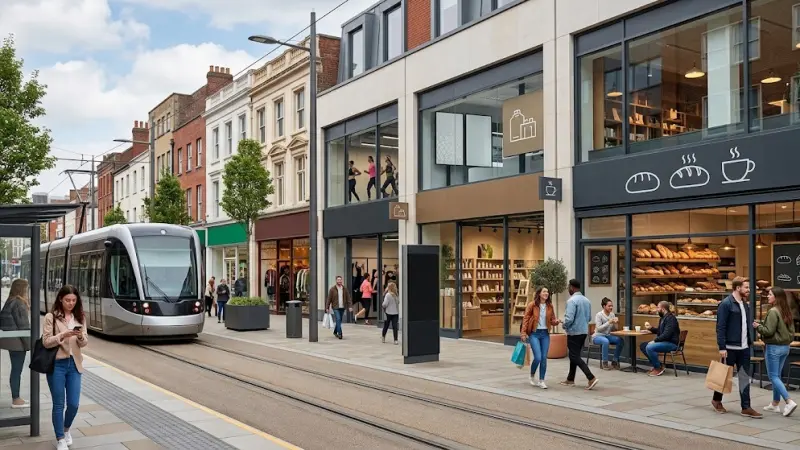
Welcome to the definitive commercial analysis of UK High Street Businesses in 2026-27: Which Sectors Are Growing? As we navigate the mid-to-late 2020s, the narrative surrounding the British high street has decisively shifted from one of terminal decline to one of strategic reinvention. For B2B suppliers, commercial property developers, retail tech vendors, and franchise operators, understanding these shifting dynamics is no longer optional; it is a critical prerequisite for capital allocation and market positioning. This comprehensive report unpacks the data, emerging business models, and procurement trends defining the next era of UK physical retail and services.
The high street is dead; long live the high street. The spaces once dominated by sprawling, multi-floor department stores are being subdivided and repurposed. This evolution presents massive procurement and partnership opportunities for B2B enterprises ready to supply the next generation of high street occupants.
Decoding UK High Street Businesses in 2026-27: Which Sectors Are Growing?
To answer the fundamental question of UK High Street Businesses in 2026-27: Which Sectors Are Growing?, we must first look at the macroeconomic indicators specific to the United Kingdom. Following the economic volatility of the early 2020s, 2026 represents a period of stabilisation. Inflation has largely normalised, but consumer spending habits have been permanently altered. The modern UK consumer demands either ultimate convenience or an irreplicable experience; the middle ground is where businesses fail.
For B2B service providers, this means your target clientele on the high street is changing. You are no longer just pitching to traditional retail procurement officers. You are now selling to clinic managers, hospitality tech directors, and independent franchise owners. Understanding specific UK retail sector growth trends is vital for realigning your B2B marketing and sales pipelines.
The Shift from 'Commodity' to 'Community and Experience'
The core driver of growth on the 2026 high street is the pivot away from transactional retail (buying a standard product that could easily be purchased on Amazon) towards experiential and service-led occupancy. Businesses that offer a physical service, social interaction, or immediate gratification are securing the longest leases and driving the highest footfall.
This transition is heavily supported by various high street regeneration initiatives funded by both local councils and private equity, aiming to create '15-minute cities' where work, leisure, and essential services are hyper-localised.
Sector 1: The Explosion of Advanced Health, Wellness, and Diagnostics
Perhaps the most significant shift on the UK high street is the corporatisation and expansion of health and wellness services. With the NHS facing ongoing capacity challenges, the private sector has aggressively moved into prime high street real estate.
Private Diagnostic Hubs and Niche Clinics
We are seeing former retail units transformed into high-tech diagnostic centres offering MRI scans, blood testing, and preventative health screenings. Alongside these are specialised clinics focusing on longevity, advanced dermatology, and physiotherapy.
B2B Procurement Opportunities in Healthcare Retail:
-
Medical Fit-Out Contractors: There is a surge in demand for construction firms capable of converting standard Class E commercial units into clinically compliant environments.
-
Specialised HVAC and Sanitisation Suppliers: Clinical environments require hospital-grade air filtration and climate control systems.
-
Diagnostic Equipment Manufacturers: B2B sales of imaging machines, phlebotomy chairs, and laboratory refrigeration units to high street locations are at an all-time high.
The Business of 'Biohacking' and Recovery
Wellness is no longer just gyms and spas. The 2026 high street features dedicated recovery centres offering hyperbaric oxygen therapy, cryotherapy, and IV drip treatments. These businesses require highly specialised equipment and stringent maintenance contracts, creating a lucrative recurring revenue model for B2B engineering and maintenance firms.
Sector 2: Next-Generation Hospitality and Competitive Socialising
The hospitality sector has always been a high street staple, but the formats experiencing growth in 2026-27 are highly evolved. The traditional pub or standard chain restaurant is facing stiff competition from multifaceted, tech-enabled venues.
Competitive Socialising Venues
Venues combining food and beverage with activities like augmented reality (AR) darts, indoor immersive golf, high-tech shuffleboard, and escape rooms are acting as new anchor tenants in declining shopping centres and high streets.
Comparing B2B Suppliers for Competitive Socialising:
| Supplier Category | Key B2B Requirements | Evaluation Criteria for High Street Operators |
|
A/V and Tech Integrators |
Installation of experiential retail technologies (AR projectors, sensory lighting, spatial audio). |
Uptime guarantees, rapid on-site support SLA (Service Level Agreements), scalability. |
|
Commercial Kitchen Fitters |
High-throughput, space-optimised kitchen equipment for fast-casual dining. |
Energy efficiency, modular design, lease-to-buy financing options. |
|
Specialist Furniture Makers |
Durable, bespoke seating and gaming tables that withstand heavy commercial use. |
Stain-resistant materials, ergonomic design, UK-based manufacturing for faster lead times. |
The Premium 'Grab-and-Go' and Automated QSR
Conversely, for time-poor consumers, the Quick Service Restaurant (QSR) sector is automating rapidly. We are seeing the rise of cashier-less cafes and premium automated food dispensaries. This growth is heavily reliant on advanced omnichannel retail solutions that seamlessly link a customer's mobile app with the physical store environment, allowing for order-ahead and frictionless collection.
Sector 3: The Circular Economy and Sustainable Retail Models
Sustainability is no longer a marketing buzzword; it is a stringent consumer demand and a regulatory requirement. The UK high street is reflecting this with a surge in businesses dedicated to the circular economy.
Repair, Resale, and Refurbishment Hubs
Brands are opening dedicated high street locations for product repairs, garment alterations, and authenticated resale. High-end fashion brands are reclaiming their secondary market by opening physical vintage and archive stores alongside their primary boutiques.
This shift relies heavily on robust B2B supply chain resilience. Logistics providers must now handle complex reverse logistics—bringing used items back from the consumer, grading them, refurbishing them, and redistributing them to high street stores.
Furthermore, the operational architecture of these stores requires entirely new sustainable high street models, heavily featuring B2B partnerships with local waste management firms, textile recyclers, and eco-friendly packaging suppliers.
Sector 4: The Resurgence of the 'Hyper-Local' and Speciality Independent
While major chains consolidate their physical footprints into regional flagship stores, smaller, more agile independent businesses are filling the gaps left in secondary and tertiary towns.
The Modern Convenience Store and Artisan Grocer
The "convenience" sector has been elevated. Gone are the days of the dingy corner shop; 2026 sees the rise of hyper-localised, data-driven convenience stores stocking artisan local produce alongside everyday essentials.
These operators are prime targets for B2B wholesalers and FMCG (Fast-Moving Consumer Goods) brands. However, selling to them requires a different approach. They do not have massive warehousing space. Therefore, B2B distributors offering localised inventory management facilitating smaller, more frequent drops tailored to hyper-local demand—are winning the lion's share of these contracts.
Evaluating Franchise Models
For aspiring entrepreneurs and institutional investors alike, independent retail franchise opportunities are highly attractive in 2026.
The franchise model provides a proven operational framework and brand recognition, significantly lowering the barrier to entry for high street occupancy.
B2B service providers, particularly marketing agencies, legal firms, and accounting software vendors, should actively target franchise networks, as securing a contract at the franchisor level often cascades down to dozens of high street franchisees.
The Role of B2B Commercial Real Estate and Property Tech
The physical nature of the high street is governed by commercial property dynamics. The way leases are negotiated and spaces are managed has fundamentally changed, creating a boom in specific B2B property services.
Flexible Leasing and Risk Sharing
Landlords can no longer demand rigid, 10-year upward-only leases. The market has shifted towards turnover-based rents and shorter, more flexible terms. This environment necessitates expert B2B commercial real estate advisors who can navigate these complex agreements, ensuring fair risk-sharing between the tenant and the landlord.
Furthermore, as businesses experiment with new concepts, the demand for pop-up shop infrastructure has skyrocketed. B2B companies that supply modular shelving, temporary point-of-sale systems, and rapid-deployment internet connectivity are crucial to this agile retail environment.
The Importance of Spatial Analytics
You cannot manage what you cannot measure. The most successful high street businesses in 2026-27 operate with e-commerce levels of data analytics applied to their physical spaces.
Landlords and large retail groups are investing heavily in footfall data analytics. This goes far beyond simple door counters. Modern B2B analytics providers utilise AI-powered camera systems (fully GDPR compliant) and Wi-Fi sniffing to track customer dwell times, demographic profiles, and path-to-purchase within a store.
If you are a B2B software vendor, integrating your platform with these spatial analytics tools provides an immense value-add, allowing retailers to adjust staffing, lighting, and inventory dynamically based on real-time high street footfall.
Essential Technology Procurement for 2026 High Street Success
For any business expanding on the UK high street, technology procurement is the largest capital expenditure after property acquisition. The ecosystem of B2B tech vendors is vast, and operators must carefully evaluate their tech stack to ensure seamless operations.
Next-Generation Point of Sale (POS) and Payment Gateways
The traditional till is obsolete. Modern high street businesses require unified commerce platforms.
Key Considerations for B2B Tech Procurement:
-
Hardware Agnosticism: Can the software run on standard tablets and mobile devices, or are you locked into proprietary, expensive hardware?
-
API Extensibility: How easily does the POS integrate with third-party accounting software (like Xero or QuickBooks), loyalty apps, and inventory management systems?
-
Offline Capabilities: High street internet connections can fail. Can the system process
payments and store data locally until the connection is restored?
Automated Staff Scheduling and Workforce Management
With the National Living Wage continuing to rise in the UK, efficient labour deployment is critical for high street survival. B2B workforce management software is a high-growth sector. The best platforms use predictive AI, analysing historical sales data, local weather forecasts, and even local event calendars to automatically generate optimal staff rotas, ensuring businesses are never overstaffed during quiet periods or understaffed during a rush.
Legal and Regulatory Considerations for High Street Expansion
Navigating the UK regulatory landscape requires strategic partnerships with B2B legal and compliance experts.
Planning Use Classes (Class E)
The introduction of Class E (Commercial, Business and Service) in the UK fundamentally reshaped high street planning permissions. Class E encompasses retail, food, financial services, indoor sport, medical services, and offices.
This deregulation allows a building to change from a shop to a clinic to a cafe without requiring formal planning permission. However, complexities still exist regarding listed buildings, conservation areas, and extraction systems for hot food. Businesses expanding rapidly require B2B planning consultants to conduct due diligence and manage commercial property lease renegotiations to ensure the premises fit their specific operational needs.
Data Protection and Consumer Privacy
As physical stores become more digitally integrated (using facial recognition for age verification, or tracking MAC addresses for footfall), strict adherence to UK GDPR is paramount. B2B cybersecurity firms and legal consultants specializing in data privacy are essential partners for any high street business deploying advanced in-store tracking or automated marketing technologies.
B2B Marketing and Lead Generation in the High Street Ecosystem
If you are a B2B company looking to sell to these growing high street sectors, traditional marketing methods are often ineffective. Spray-and-pray email campaigns to generic "info@" addresses yield negligible results.
Account-Based Marketing (ABM) for Retail Portfolios
The most effective strategy is Account-Based Marketing (ABM). Instead of targeting individual store managers, B2B sales teams must identify the operations directors, CTOs, and procurement heads at the group or franchise level.
-
Hyper-Personalisation: B2B marketing must speak directly to the pain points of the specific sector. A pitch to a private diagnostic clinic regarding HVAC systems will look entirely different to a pitch to a competitive socialising venue for the same equipment.
-
Demonstrating ROI: High street margins are often tight. B2B vendors must clearly articulate how their product or service will either drive footfall, increase average transaction value (ATV), or reduce operational overheads.
Leveraging Industry Trade Shows and B2B Publications
While digital marketing is crucial, the retail and hospitality sectors remain highly relationship-driven. Exhibiting at key UK B2B trade shows (such as the Retail Technology Show in London, or Northern Restaurant & Bar in Manchester) is vital for demonstrating physical hardware, software integrations, and building trust with key procurement decision-makers.
Frequently Asked Questions
1. Why are traditional retail stores closing while other businesses are expanding on the UK high street?
Traditional retail that solely focuses on transactional sales (selling a commodity) struggles to compete with the convenience and pricing of e-commerce. The sectors growing on the high street are those that offer something the internet cannot provide: immediate physical experiences, hands-on services (like healthcare or beauty), competitive socialising, and hyper-localised convenience. The successful 2026 high street is a service and leisure destination, not just a shopping destination.
2. How does the 'Class E' planning use affect businesses looking for high street premises?
Introduced by the UK government, Class E groups together various commercial, business, and service uses. It allows a premises to change its use (e.g., from a retail shop to a cafe, office, or medical clinic) without needing to apply for a change of use planning permission. This flexibility massively benefits businesses looking to expand quickly and allows landlords to pivot their tenant strategy without lengthy bureaucratic delays, driving high street regeneration.
3. What role does B2B technology play in modern high street hospitality and retail?
Technology is no longer just for the back office; it is the operational backbone of the modern high street. B2B technology—such as cloud-based POS systems, automated workforce scheduling, predictive inventory management, and footfall data analytics—allows businesses to operate with incredibly tight margins, optimise their staffing, understand customer behaviour in real-time, and offer frictionless omnichannel purchasing experiences.
4. Are short-term or 'pop-up' leases becoming standard in UK commercial real estate?
While long-term leases still exist for major anchor tenants, landlords are increasingly embracing shorter, flexible leases and turnover-based rent models. This lowers the barrier to entry for independent brands and allows established brands to test new markets or experiential concepts with minimal risk. This trend has created a booming B2B market for temporary shop fit-outs, modular infrastructure, and flexible legal services.
5. How can B2B suppliers successfully sell their services to high street franchises?
Selling to franchises requires a dual approach. First, B2B suppliers must often secure approval or preferred supplier status from the national franchisor by proving the scalability, reliability, and ROI of their product. Once approved, the supplier must then market directly to individual franchisees, demonstrating how their service solves local operational headaches, improves local profitability, and integrates seamlessly with the mandatory systems mandated by the franchisor.
Disclaimer: The information provided in this article is for general informational and research purposes only. Company details, features, services, and market positions may change over time. Readers are advised to visit official company websites and conduct independent research before making any business decisions or purchasing services.
Most Searchable Keywords
Recent Blogs


Related Listings

Categories
- Accountants (295)
- Advertising Agencies (559)
- Architects (149)
- Automobiles (377)
- Beauty (300)
- Carpenters (146)
- Cleaning Services (387)
- Dentists (189)
- Driving (62)
- Education (1)
- Electricians (215)
- Energy (8)
- Event Organiser (689)
- Finance (602)
- Guide (3492)
- Health (2207)
- Information technology (207)
- Legal Services (361)
- Logistics (6)
- Maintenance (65)
Sponsored Listings in Information Technology


Related Blogs

Creamfields Daresbury: Impact on Local Reside...
Read this insightful article "Creamfields Daresbury: Impact on Local Residents" to expand your knowledge!
UK High Street Businesses in 2026-27: Which S...
Read this insightful article "UK High Street Businesses in 2026-27: Which Sectors Are Growing?" to expand your knowledge!

Why Complete Business Listings Matter More Th...
Read this insightful article "Why Complete Business Listings Matter More Than You Think" to expand your knowledge!
Questions & Answers – Find What You Need, Instantly!
Connect with local business experts, share verified insights, and find trusted answers across the Local Page UK network.
Ask Community
Ask questions to the Local Page UK community
Share Knowledge
Share your knowledge to help out others
Find Solutions
Find answers or offer instant solutions
Some of the most popular fantasy TV shows include "Game of Thrones," known for its epic battles and political intrigue, "The Witcher," which features monster hunting and magic, and "Stranger Things," blending supernatural elements with 1980s nostalgia. Other notable mentions are "His Dark Materials," "Shadow and Bone," and "The Mandalorian," each offering unique worlds and captivating storytelling that have garnered large fan bases.
When seeking bathroom renovation providers that handle both plumbing and tiling, it's advisable to look for licensed contractors who specialize in comprehensive bathroom remodels. Companies such as Home Depot, Lowe's, and Bath Fitter offer these services, often providing a seamless experience by managing all aspects of the renovation process. Additionally, local contractors with positive reviews in platforms like Angie's List or Houzz may also offer tailored solutions for your bathroom needs.
Absolutely, there are several distributors that supply crash mats and soft play equipment to gymnastics clubs in and around Birmingham. National companies like Gymnova, S & G (Spieth Gymnastics), and Jaques of London offer a wide range of crash mats, foam pits, and soft play pieces, and they typically deliver to the Birmingham area. For more local options, you might try The Gym Equipment Company, which has a showroom in the West Midlands, or check out smaller specialist suppliers like Playtime UK. Many of these distributors cater specifically to clubs, offering high-density foam mats that meet safety standards. I'd recommend reaching out to a few to compare pricing, delivery times, and whether they offer custom sizes or installation services. It's also worth checking if any of them have a physical showroom near Birmingham so you can test the equipment before buying. Happy tumbling!
For professionals seeking a reliable sanitaryware supplier in Manchester with trade account facilities, several established merchants combine extensive product ranges, competitive pricing, and dedicated trade support. The most reputable option is Graham Plumbers Merchant, which operates multiple branches across Manchester, including Salford Quays and Oldham. They offer a dedicated trade account service with preferential pricing, priority delivery scheduling, and access to a vast inventory of leading sanitaryware brands such as Villeroy & Boch, Duravit, Ideal Standard, and Roca. Their trade accounts typically include net 30-day payment terms, online account management, and a tailored project quotation system. Similarly, City Plumbing Supplies has several Manchester-based depots (such as Ashton-under-Lyne and Stockport) that cater specifically to trade customers, providing a rapid order-and-collect service, trade-only promotions, and a loyalty programme offering rebates on repeat purchases. Their product range covers everything from basins and WCs to complete bathroom suites and brassware, with in-house technical advisors available for specification support. Another key player is Plumb Center, part of the Wolseley Group, which offers trade accounts with bespoke pricing structures, direct-to-site deliveries within the Greater Manchester area, and access to over 10,000 lines of sanitaryware, including premium brands like Grohe and Hansgrohe. Their trade portal allows for real-time stock checking and order history tracking, facilitating efficient project management. For those seeking a more specialist or high-end option, Bathroom Spares in Manchester provides trade accounts with a focus on hard-to-find sanitaryware and discontinued ranges, which can be invaluable for refurbishment projects. Additionally, independent merchants such as M&B Plumbase in Trafford Park offer flexible trade terms, personalised service, and competitive pricing on both mainstream and luxury sanitaryware. When evaluating suppliers, trade customers should consider factors beyond price: reliability of stock availability, delivery timescales within Manchester’s often congested zones, clarity of returns policies, and the quality of after-sales support for warranty claims. It is advisable to request a trade account application from at least two to three suppliers to compare discounts, minimum order values, and payment terms. Many suppliers also offer showroom access for trade clients, allowing you to inspect finishes and dimensions before committing to large orders. For ongoing projects, establishing a relationship with a single supplier who offers consolidated invoicing and dedicated account management can streamline procurement. Ultimately, the most reliable supplier for your trade account in Manchester will be one that aligns with your volume requirements, preferred brands, and service expectations, so a site visit to their local branch and a discussion about your specific trade needs is highly recommended before committing to an account.
People in Leeds are loving their local florists—customers often mention gorgeous, fresh arrangements and super friendly service. Many rave about reliable same-day delivery and creative wedding bouquets. A few note pricing can vary, but overall, the buzz is all about quality and that personal touch making every order feel special.
Common problems for commercial gardening in Bristol include weed overgrowth, soil degradation, pest infestations, and irrigation malfunctions. Additionally, managing seasonal transitions, adhering to sustainability regulations, and maintaining consistent aesthetics pose significant challenges. Expert services mitigate these via structured maintenance, integrated pest management, and soil analysis to ensure long-term landscape health.