
Art Galleries & Fine Art Dealers UK: Collections, Markets & Buying Advice
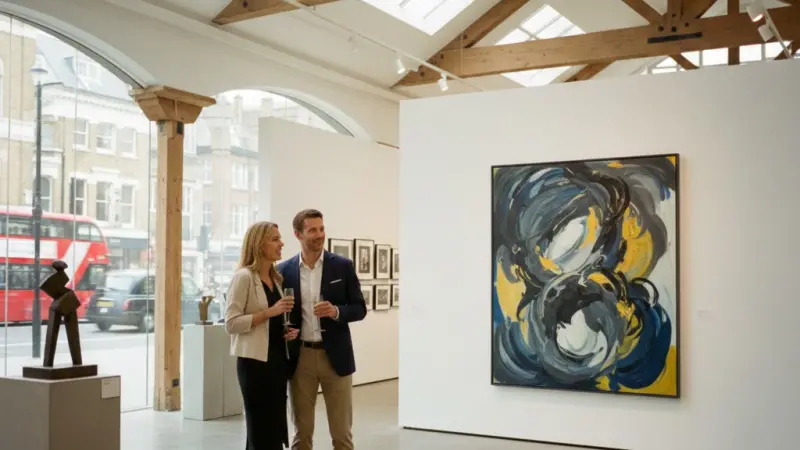
The United Kingdom has long been a global cornerstone for the arts, with London consistently ranking alongside New York and Hong Kong as one of the world’s three most significant art markets. The sector comprising art galleries and fine art dealers is not merely a cultural asset; it is a vital economic engine. In the UK, this industry facilitates billions of pounds in annual turnover, supporting thousands of highly skilled jobs ranging from curators and conservators to logistics specialists and insurers. For the astute investor or the passionate collector, navigating this space requires an understanding of how traditional connoisseurship meets modern market dynamics.
Whether you are looking for a contemporary masterpiece in Mayfair or a traditional landscape in the Cotswolds, the UK’s network of dealers provides unparalleled access to global heritage. As digital transformation continues to reshape how we discover art, many galleries are leveraging a business listing uk to ensure they remain visible to a new generation of digital-native collectors. This intersection of physical heritage and digital accessibility is what defines the modern British art market, making it more robust and diverse than ever before.
The Landscape of Art Galleries & Fine Art Dealers in the UK
The UK art market is a complex ecosystem that has shown remarkable resilience. Currently, the market size is estimated to be worth billions, with the UK accounting for a significant percentage of the global art trade by value. While London—specifically the "Golden Triangle" of Bond Street, St. James’s, and Mayfair—remains the undisputed hub, there has been a significant decentralisation of art activity. Cities like Edinburgh, Bristol, Manchester, and Leeds have seen a surge in "Blue Chip" secondary market dealers and experimental primary market spaces.
Post-pandemic, the evolution of the industry has been marked by a "phygital" approach. While the physical experience of viewing art remains paramount, the reliance on digital discovery has sky-rocketed. Galleries have moved beyond simple websites to immersive viewing rooms and augmented reality previews. This shift has made local visibility more crucial than ever. Collectors often start their journey with a uk local business search to find specialists in their immediate vicinity before committing to a physical visit. This regional strength, supported by international art fairs like Frieze London, ensures that the UK remains a top-tier destination for fine art, even amidst shifting global trade regulations and post-Brexit customs adjustments.
Comprehensive Services Breakdown
The services provided by UK art dealers and galleries go far beyond the simple transaction of buying and selling. The industry is built on a foundation of trust, expertise, and long-term stewardship of cultural objects.
1. Primary Market Representation
Contemporary galleries represent living artists, managing their careers, organising exhibitions, and building their "catalogue raisonné." For a collector, buying from a primary gallery is an opportunity to support the cultural output of the present day. These institutions often provide a uk local business directory presence to attract local footfall during exhibition openings and "First Thursday" events.
2. Secondary Market Dealing
Dealers in the secondary market specialise in reselling works that have been previously owned. This requires deep archival research, provenance verification, and an intimate knowledge of auction house trends.
3. Valuation and Appraisal
Professional dealers provide formal valuations for insurance, probate, and capital gains tax purposes. Ensuring your collection is correctly valued is a fundamental part of art ownership.
4. Conservation and Restoration
Many high-end dealers offer or facilitate expert restoration services. In a market where condition is everything, the ability to clean a 17th-century oil painting or stabilise a modern sculpture is invaluable.
5. Art Advisory and Consultancy
For corporate clients or high-net-worth individuals, dealers act as consultants, building cohesive collections that serve as both aesthetic delights and financial hedges.
To find these specialists, many clients turn to a business listing uk to verify the credentials and physical locations of consultants.
How to Choose the Right Service Provider
Choosing a dealer or gallery is a significant decision that involves financial risk and emotional investment. In the UK, the "gold standard" of accreditation is membership in professional bodies such as the British Antique Dealers' Association (BADA) or the Society of London Art Dealers (SLAD). These organisations require members to adhere to a strict code of conduct regarding authenticity and ethical trading.
When vetting a provider, look for transparency in pricing and a willingness to provide a full history of ownership (provenance). Insurance is another critical factor; any reputable gallery should have comprehensive "nail-to-nail" insurance covering the artwork while it is in their care or in transit to you. Furthermore, checking local business listings uk can provide insights into a gallery’s reputation within the local community. Reviews and long-standing physical presence are often the best indicators of a dealer’s reliability. Always ask for a certificate of authenticity and ensure that the dealer has a clear policy on returns if a work is later found to be significantly different from its description.
Industry Challenges & Future Outlook
The UK art market faces a unique set of challenges as we move further into the decade. Regulatory changes, particularly regarding Anti-Money Laundering (AML) legislation, have increased the administrative burden on galleries. Dealers must now perform "Know Your Customer" (KYC) checks on transactions exceeding certain thresholds, which has changed the traditionally anonymous nature of art sales.
Technologically, the rise of Blockchain for provenance and the fractional ownership of art are disrupting traditional models. While some see these as threats, many savvy professionals view them as opportunities to broaden the market. Sustainability is also becoming a core pillar of the industry. The "Gallery Climate Coalition" is a UK-led initiative helping businesses reduce their carbon footprint, from sustainable packaging to lower-energy lighting in showrooms.
Businesses that adapt to these shifts by listing themselves on a uk business directory website and engaging with digital-first transparency are likely to thrive. Moreover, for those seeking to list their services, a business listing uk can help smaller, independent galleries compete with the marketing budgets of the global giants.
Business Tips for Art Galleries & Fine Art Dealers Professionals
For professionals in this sector, marketing a gallery in the 2020s requires a blend of high-touch personal networking and high-tech digital visibility. Art is a visual medium, making Instagram and Pinterest essential tools, but "search intent" is where the actual sales often begin.
Local SEO is the secret weapon for independent dealers. When a potential collector searches for "art restoration near me" or "contemporary art gallery in [City]," you need to appear at the top of the results. Ensuring your business is included in uk service listings is a non-negotiable step in this process.
Marketing Strategies for Success:
Content is King: Write about the artists you represent. Explain the "why" behind the work.
Email Marketing: High-net-worth individuals value exclusivity. Use targeted newsletters to offer "first looks" at new acquisitions.
Local Partnerships: Collaborate with local interior designers or luxury property developers to showcase art in "staged" environments.
Digital Directories: Don't underestimate the power of backlinking. Getting your gallery listed on a reputable uk online business directory improves your domain authority and helps collectors find your physical location.
Wrapping Up & Local Page Integration
The UK art gallery and fine art dealer sector is a testament to the enduring power of human creativity and the sophistication of the British professional services market. From the high-stakes rooms of London to the boutique galleries of the coastal towns, art remains a primary way we define our spaces and our legacies. As the market becomes more transparent and accessible, the tools used to find these businesses must also evolve.
For any gallery or dealer looking to cement their place in this competitive landscape, visibility is the currency of the realm. Platforms like local page uk business directory provide the essential bridge between the artist’s studio and the collector’s home. By ensuring your business is correctly categorised and easily found, you are not just selling a product; you are inviting the world to experience culture.
Boost Your Visibility with Local Page UK
In the world of fine art, your reputation and visibility are your most valuable assets. While your physical gallery may be a masterpiece of design, it needs to be discoverable by the modern collector who starts their search online. Local Page UK offers a dedicated platform designed to put British businesses in front of the right audience. Whether you are a restorer, a dealer, or a gallery owner, you should claim your business listing uk today. Join the most trusted network of UK professionals and ensure that when the next great collector looks for art, they find you first.
Frequently Asked Questions
1. How do I verify the authenticity of a painting bought from a UK dealer?
Authenticity is verified through a combination of provenance research, stylistic analysis (connoisseurship), and scientific testing. A reputable dealer should provide a "Certificate of Authenticity" and a detailed history of the work’s previous owners. In the UK, dealers belonging to associations like BADA are bound by strict codes to ensure they only sell authentic works.
2. What is the "Droit de Suite" or Artist's Resale Right in the UK?
The Artist’s Resale Right (ARR) entitles creators of original artworks to a royalty each time their work is resold through an art market professional, provided the sale price exceeds a certain threshold (usually €1,000). This applies to living artists and those who have died within the last 70 years, ensuring they or their heirs benefit from the increasing value of their work.
3. Do I need specialized insurance for my art collection?
Yes. Standard home insurance often has low limits for single items and may not cover "accidental damage" or "loss in value" following a restoration. Specialized fine art insurance provides "all-risk" coverage, including transit, and often operates on an "agreed value" basis rather than "market value" at the time of loss.
4. How has Brexit affected buying art from the EU?
Since Brexit, art imported from the EU to the UK is subject to import VAT (typically 5% for works of art, which is a reduced rate).
There is also increased paperwork regarding customs declarations. However, the UK remains a competitive place to sell art due to its established infrastructure and lower import VAT compared to many EU nations.
5. What are the benefits of buying art from a gallery vs. an auction house?
Galleries offer a curated experience, a fixed price, and the opportunity to build a long-term relationship with a dealer who understands your taste. Auctions are more transparent in terms of "market price" but involve "buyer's premiums" (often 25%+) and the pressure of a timed sale where you cannot return the item once the hammer falls.
6. Can art be considered a "liquid" investment?
Generally, no. Art is considered an illiquid asset. It can take months or even years to sell a high-value piece at the right price. Transaction costs (commissions) are also high compared to stocks or bonds, meaning art should be viewed as a long-term hold, typically 10 years or more.
7. How do I find a local art restorer in the UK?
The best way is to consult the Institute of Conservation (Icon) Register or ask a local reputable gallery for their "black book" of contacts. You can also use a uk local business search to find highly-rated specialists in your county who have verified reviews and physical premises.
8. What is "Provenance" and why is it so important?
Provenance is the documented history of an object’s ownership. Good provenance increases the value of a work and provides peace of mind regarding its authenticity and legal title. It is particularly crucial for works that may have been displaced during the WWII era or those from sensitive archaeological sites.
9. Are there tax advantages to buying art in the UK?
While buying art itself isn't a tax-deductible expense for individuals, there are schemes like the "Cultural Gifts Scheme" or "Acceptance in Lieu," where significant works can be given to the nation to offset Inheritance Tax. Always consult with a UK tax professional regarding capital gains and estate planning.
10. What is a "Buyer's Premium"?
This is an additional fee charged by auction houses to the winning bidder on top of the "hammer price." In the UK, this is usually between 20% and 30%, and VAT is often charged on the premium itself, so it is vital to calculate the "all-in" price before bidding.
11. How do I start a career as an art dealer?
Most dealers start with a degree in Art History, followed by an internship at an auction house or a gallery. Networking is essential. Understanding the business side—such as logistics, VAT margin schemes, and digital marketing—is just as important as having an "eye" for quality.
12. What is the difference between a primary and secondary art market?
The primary market refers to the first time an artwork is sold, usually through a gallery representing the artist. The secondary market refers to all subsequent sales of that work. Prices in the primary market are set by the gallery, whereas secondary market prices are determined by supply and demand.
13. How do I value a collection for probate?
For probate (Inheritance Tax) purposes, the HMRC requires a professional valuation based on the "Open Market Value" at the date of death. You should hire a RICS-qualified surveyor or an experienced dealer who can provide a formal written report that will stand up to scrutiny by the District Valuer.
14. Is digital art or NFTs still a significant part of the UK market?
While the "hype" phase has cooled, digital art and blockchain technology remain integral. Many traditional UK galleries now use NFTs as digital
certificates of authenticity or sell "phygital" works that include both a physical object and a unique digital token.
15. Why should a local art gallery list on a business directory?
Digital visibility is the primary way new collectors discover galleries. A listing on a uk business directory improves your local SEO, provides a backlink to your website, and ensures your opening hours and location are accurate across the web, leading to more footfall and inquiries.
Disclaimer: The information provided in this article is for general informational and research purposes only. Company details, features, services, and market positions may change over time. Readers are advised to visit official company websites and conduct independent research before making any business decisions or purchasing services.
Most Searchable Keywords
Recent Blogs



Categories
- Accountants (295)
- Advertising Agencies (559)
- Architects (149)
- Automobiles (377)
- Beauty (300)
- Carpenters (146)
- Cleaning Services (387)
- Dentists (189)
- Driving (62)
- Education (1)
- Electricians (215)
- Energy (8)
- Event Organiser (689)
- Finance (602)
- Guide (3492)
- Health (2207)
- Information technology (207)
- Legal Services (361)
- Logistics (6)
- Maintenance (65)
Sponsored Listings in Educational Services


Related Blogs

Creamfields Daresbury: Impact on Local Reside...
Read this insightful article "Creamfields Daresbury: Impact on Local Residents" to expand your knowledge!

UK High Street Businesses in 2026-27: Which S...
Read this insightful article "UK High Street Businesses in 2026-27: Which Sectors Are Growing?" to expand your knowledge!

Why Complete Business Listings Matter More Th...
Read this insightful article "Why Complete Business Listings Matter More Than You Think" to expand your knowledge!
Questions & Answers – Find What You Need, Instantly!
Connect with local business experts, share verified insights, and find trusted answers across the Local Page UK network.
Ask Community
Ask questions to the Local Page UK community
Share Knowledge
Share your knowledge to help out others
Find Solutions
Find answers or offer instant solutions
Some of the most popular fantasy TV shows include "Game of Thrones," known for its epic battles and political intrigue, "The Witcher," which features monster hunting and magic, and "Stranger Things," blending supernatural elements with 1980s nostalgia. Other notable mentions are "His Dark Materials," "Shadow and Bone," and "The Mandalorian," each offering unique worlds and captivating storytelling that have garnered large fan bases.
When seeking bathroom renovation providers that handle both plumbing and tiling, it's advisable to look for licensed contractors who specialize in comprehensive bathroom remodels. Companies such as Home Depot, Lowe's, and Bath Fitter offer these services, often providing a seamless experience by managing all aspects of the renovation process. Additionally, local contractors with positive reviews in platforms like Angie's List or Houzz may also offer tailored solutions for your bathroom needs.
Absolutely, there are several distributors that supply crash mats and soft play equipment to gymnastics clubs in and around Birmingham. National companies like Gymnova, S & G (Spieth Gymnastics), and Jaques of London offer a wide range of crash mats, foam pits, and soft play pieces, and they typically deliver to the Birmingham area. For more local options, you might try The Gym Equipment Company, which has a showroom in the West Midlands, or check out smaller specialist suppliers like Playtime UK. Many of these distributors cater specifically to clubs, offering high-density foam mats that meet safety standards. I'd recommend reaching out to a few to compare pricing, delivery times, and whether they offer custom sizes or installation services. It's also worth checking if any of them have a physical showroom near Birmingham so you can test the equipment before buying. Happy tumbling!
For professionals seeking a reliable sanitaryware supplier in Manchester with trade account facilities, several established merchants combine extensive product ranges, competitive pricing, and dedicated trade support. The most reputable option is Graham Plumbers Merchant, which operates multiple branches across Manchester, including Salford Quays and Oldham. They offer a dedicated trade account service with preferential pricing, priority delivery scheduling, and access to a vast inventory of leading sanitaryware brands such as Villeroy & Boch, Duravit, Ideal Standard, and Roca. Their trade accounts typically include net 30-day payment terms, online account management, and a tailored project quotation system. Similarly, City Plumbing Supplies has several Manchester-based depots (such as Ashton-under-Lyne and Stockport) that cater specifically to trade customers, providing a rapid order-and-collect service, trade-only promotions, and a loyalty programme offering rebates on repeat purchases. Their product range covers everything from basins and WCs to complete bathroom suites and brassware, with in-house technical advisors available for specification support. Another key player is Plumb Center, part of the Wolseley Group, which offers trade accounts with bespoke pricing structures, direct-to-site deliveries within the Greater Manchester area, and access to over 10,000 lines of sanitaryware, including premium brands like Grohe and Hansgrohe. Their trade portal allows for real-time stock checking and order history tracking, facilitating efficient project management. For those seeking a more specialist or high-end option, Bathroom Spares in Manchester provides trade accounts with a focus on hard-to-find sanitaryware and discontinued ranges, which can be invaluable for refurbishment projects. Additionally, independent merchants such as M&B Plumbase in Trafford Park offer flexible trade terms, personalised service, and competitive pricing on both mainstream and luxury sanitaryware. When evaluating suppliers, trade customers should consider factors beyond price: reliability of stock availability, delivery timescales within Manchester’s often congested zones, clarity of returns policies, and the quality of after-sales support for warranty claims. It is advisable to request a trade account application from at least two to three suppliers to compare discounts, minimum order values, and payment terms. Many suppliers also offer showroom access for trade clients, allowing you to inspect finishes and dimensions before committing to large orders. For ongoing projects, establishing a relationship with a single supplier who offers consolidated invoicing and dedicated account management can streamline procurement. Ultimately, the most reliable supplier for your trade account in Manchester will be one that aligns with your volume requirements, preferred brands, and service expectations, so a site visit to their local branch and a discussion about your specific trade needs is highly recommended before committing to an account.
People in Leeds are loving their local florists—customers often mention gorgeous, fresh arrangements and super friendly service. Many rave about reliable same-day delivery and creative wedding bouquets. A few note pricing can vary, but overall, the buzz is all about quality and that personal touch making every order feel special.
Common problems for commercial gardening in Bristol include weed overgrowth, soil degradation, pest infestations, and irrigation malfunctions. Additionally, managing seasonal transitions, adhering to sustainability regulations, and maintaining consistent aesthetics pose significant challenges. Expert services mitigate these via structured maintenance, integrated pest management, and soil analysis to ensure long-term landscape health.