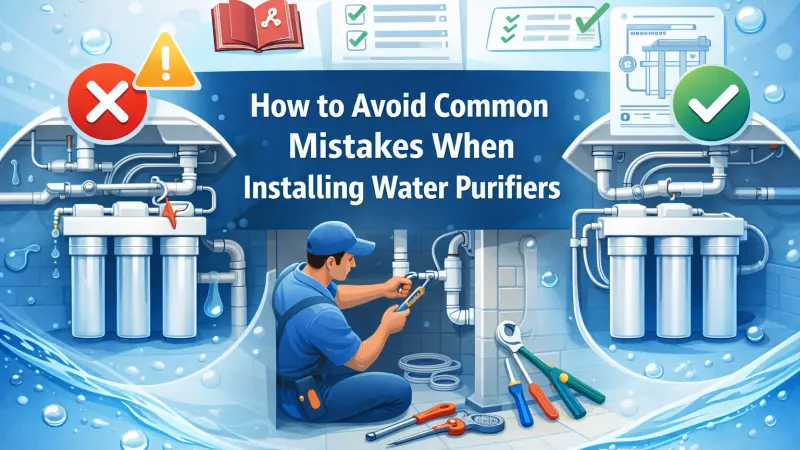
Did you know that a significant percentage of household water filtration issues stem not from the quality of the device itself but from errors made during the initial setup process? Ensuring access to clean, potable water is a priority for many homeowners across the United Kingdom, yet the technical nuances of plumbing and filtration mechanics often lead to overlooked details. A successful installation requires a blend of mechanical precision, spatial awareness, and an understanding of local water pressure dynamics. When these factors are ignored, the result is often reduced flow rates, premature filter exhaustion, or even costly structural damage due to leaks.

The Importance of Professional Standards in Water Treatment
In the United Kingdom, the quality of mains water is generally high, but the journey from the treatment works to the domestic tap can introduce various particulates and minerals. Homeowners frequently opt for point-of-use or point-of-entry systems to further refine their drinking supply. However, the complexity of modern multi-stage systems means that a "plug-and-play" mentality is rarely sufficient. Adhering to high standards during setup ensures the longevity of the appliance and the safety of the inhabitants. Businesses and residents alike benefit from these systems by reducing reliance on single-use plastics and ensuring consistent appliance performance. Many users find that consulting with experienced service providers helps in navigating the specific requirements of their property's plumbing infrastructure.
Understanding Your Domestic Plumbing Infrastructure
Before any physical work begins, one must understand the existing pipework. A frequent error is attempting to fit a high-spec reverse osmosis system or a heavy-duty UV filter onto aged lead or copper piping without assessing compatibility. In many older British properties, the internal diameter of pipes may vary, or the water pressure might fluctuate significantly between the ground floor and upper storeys.
Assessing Water Pressure and Flow Rates
Most sophisticated filtration units require a specific minimum pressure to function. If the pressure is too low, the water will struggle to pass through the semi-permeable membranes, leading to excessive waste water. Conversely, excessively high pressure can burst seals and cause internal flooding. Installing a pressure-reducing valve is a common step that DIY installers often skip, leading to catastrophic failure during the night when mains pressure typically peaks.
Common Physical Installation Errors
The physical placement of the unit is the next hurdle. It is common to see units squeezed into inaccessible corners under the kitchen sink where future maintenance becomes an impossible chore.
Every filter requires periodic replacement; if there is no room to unscrew the housing or reach the bypass valve, the system will eventually be neglected.
Incorrect Orientation of Filter Cartridges
While it may seem elementary, installing cartridges upside down or in the wrong sequence is a recurring issue. In a multi-stage system, the sediment filter must always come first to protect the more expensive carbon blocks and membranes from clogging. Reversing this order significantly reduces the lifespan of the entire system. Most manufacturers provide directional arrows, yet in the haste of installation, these are frequently ignored.
Overtightening Fittings and Connections
A natural instinct when dealing with plumbing is to tighten every connection as much as possible to prevent leaks. In the world of plastic filter housings and John Guest-style push-fit connectors, overtightening is a recipe for disaster. It can crack the plastic threads or deform the O-rings, creating the very leaks the installer was trying to avoid. Hand-tightening followed by a quarter turn with a wrench is usually the recommended maximum for most domestic units.
The Role of Sanitation During Setup
Hygiene is paramount when dealing with drinking water. A common mistake is handling new filter cartridges with bare, unwashed hands. The oils and bacteria from skin can contaminate the sterile environment of the filter housing, leading to biofilm growth inside the system. Furthermore, many installers fail to flush the system adequately before the first use. Carbon fines—tiny black particles of charcoal—are common in new filters and must be rinsed away for several minutes before the water is considered palatable.
Managing the Drainage and Waste Water
Reverse osmosis systems, in particular, produce a stream of "brine" or waste water that contains the rejected contaminants. A common error is the improper installation of the drain saddle. If the hole drilled into the waste pipe is too small or misaligned, the waste water will back up into the unit, potentially contaminating the clean water side or causing the system to run continuously, wasting hundreds of litres of water per day.
Ignoring the Necessity of a Bypass Loop
Many homeowners forget to install a bypass valve. This simple addition allows the user to divert water around the filtration system in the event of a leak or during specific maintenance tasks.
Without a bypass, a minor issue with the filter can leave the entire household without any water until a professional can attend. In the UK context, where plumbing repairs can be expensive, this foresight is invaluable for long-term property management.
The Impact of Temperature on Filtration Efficiency
Placing a water purifier too close to a heat source, such as a dishwasher or an uninsulated hot water pipe, can encourage bacterial growth and degrade the integrity of the filter housing. Similarly, in outdoor or garage installations, failing to protect the unit from frost can lead to the water freezing and cracking the housings. Temperature stability is a key component of maintaining a safe and effective water treatment solution.
Long-Term Maintenance and Calibration
The installation is not finished once the water starts flowing. A major oversight is the failure to set up a monitoring schedule. Whether it is a simple calendar reminder or a smart TDS (Total Dissolved Solids) meter, tracking performance is essential. Many users assume the filter is working as long as water comes out of the tap, but chemical filtration capabilities often decline long before the flow rate is affected.
Navigating the Professional Landscape
While DIY installation is popular, the risks associated with improper plumbing mean that many choose to rely on experts. For those providing these essential services, being found by local customers is vital for business growth. When homeowners seek assistance, they often look for reliable local professionals who can ensure their systems meet all British safety standards. This connection between the consumer and the expert is the foundation of a reliable home service industry. Ensuring that your company is visible in a relevant contextual anchor or through broad digital platforms ensures that those in need of water treatment solutions can find the right help quickly. Businesses that maintain a strong presence on a **uk directory list free** or similar resources often see higher engagement from their local community. By appearing on a **free business directory uk list**, service providers can showcase their expertise to a wider audience, while a **free uk listing directory** helps bridge the gap between technical complexity and consumer peace of mind. Ultimately, the goal is to foster a safe environment through proper installation, which is made easier when the right information and the right experts are easily discoverable via **Local Page UK** and other reputable networks.
Frequently Asked Questions
How often should I change my water filter?
Typically, sediment and carbon filters should be replaced every six to twelve
months, depending on your local water quality and usage volume.
Do I need a plumber to install a water purifier?
While many systems are designed for DIY installation, if you are uncomfortable with cutting pipes or installing drain saddles, hiring a qualified plumber is recommended to avoid leaks.
Can a water purifier remove limescale?
Standard filters may reduce some minerals, but a dedicated water softener or a reverse osmosis system is usually required to effectively manage hard water and limescale.
Is it normal for a new filter to make noise?
Yes, it is common to hear air escaping or "sputtering" when a new system is first turned on. This should subside after flushing the system for several minutes.
What should I do if my system is leaking from a connection?
First, turn off the water supply. Check if the tubing is cut squarely and pushed all the way into the fitting.
If it is a threaded connection, ensure the O-ring is seated correctly.
Why is the water from my new filter cloudy?
This is usually caused by tiny air bubbles trapped in the filter media. It is harmless and will disappear as the system settles and is used over the first few days.