
How to Schedule Home Water Purification Maintenance in the UK
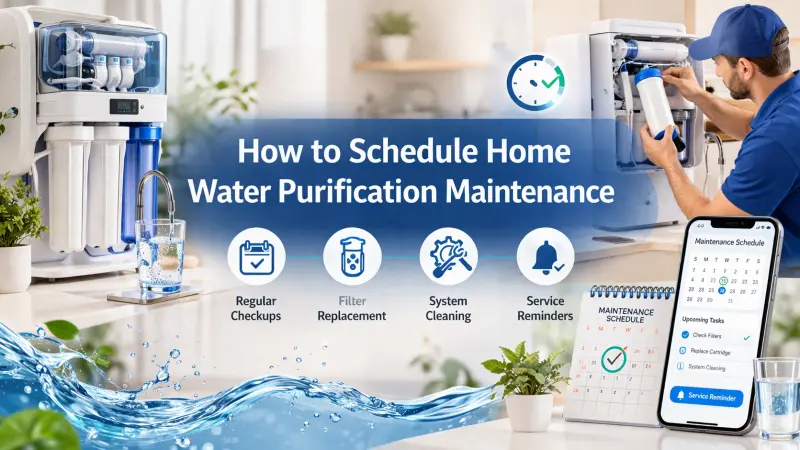
Have you ever considered the complex journey water takes before it reaches your kitchen tap or the intricate mechanisms that ensure its purity within your own home? Maintaining a domestic water filtration system is not merely a matter of convenience but a fundamental aspect of household management that ensures the longevity of plumbing infrastructure and the consistent quality of the liquid consumed by the inhabitants. In the United Kingdom, where water hardness and mineral content vary significantly from the Scottish Highlands to the South East of England, a structured approach to equipment care is essential for every homeowner.

The Importance of Regular System Oversight
A water purification system is an investment in the health of a building's internal environment. Over time, filters become saturated with particulates, membranes may suffer from mineral scaling, and ultraviolet lamps lose the intensity required to neutralise microscopic organisms. Without a rigorous schedule, these systems can transition from being a solution to becoming a source of restriction or even a potential site for bacterial proliferation. Systematic maintenance prevents the degradation of flow rates and protects expensive appliances like boilers and dishwashers from the corrosive effects of untreated water.
In a professional UK context, ensuring that water systems are operating at peak efficiency is vital for both residential comfort and the operational integrity of small-scale commercial ventures. Individuals benefit from reduced long-term repair costs, while businesses that rely on high-quality water, such as boutique cafes or independent laboratories, find that consistent maintenance is the backbone of their quality control. Reliable service providers across Britain play a crucial role in supporting these systems, offering the technical expertise necessary to handle complex configurations that go beyond simple jug filters.
Determining Your Specific Maintenance Requirements
Every household has unique needs based on the volume of water used and the baseline quality of the local supply. A large family in London will likely require more frequent filter changes than a single occupant in a soft-water area like Wales. Understanding the specifications provided by the manufacturer is the first step in creating a workable schedule. Most modern systems include indicators, but these should be supplemented by a manual calendar or digital reminders to ensure no service window is missed.
Analysing Water Usage Patterns
The frequency of maintenance is often a direct reflection of throughput. If your household consumes a high volume of water for cooking, drinking, and bathing, the mechanical strain on the purification media increases. It is advisable to review your annual water bills to estimate daily usage. This data allows you to adjust the manufacturer's "average" recommendations to suit your specific reality. For instance, if a carbon block filter is rated for 5,000 litres, a high-usage home might reach that limit in four months rather than the projected six.
Assessing Local Water Characteristics
British geography dictates much of the maintenance workload. Those living in "hard water" regions, particularly in the south and east, will face challenges with calcium and magnesium deposits. These minerals can quickly clog delicate membranes in reverse osmosis units or coat the quartz sleeves of UV sterilisers. In contrast, users in "soft water" areas may focus more on removing sediment or chlorine by-products. Conducting a basic water test once a year can provide insights into whether your current maintenance frequency is adequate or needs to be intensified.
The Core Components of a Maintenance Routine
A comprehensive maintenance plan covers several distinct areas of the system. While some tasks are simple enough for a homeowner to perform, others may require the steady hand of a qualified technician.
Breaking the system down into its constituent parts makes the process of scheduling far less daunting.
Sediment Filter Replacement
Often acting as the first line of defence, sediment filters trap physical debris such as rust, sand, and silt. In many parts of the UK, older mains pipes can shed particulates that quickly saturate these pre-filters. Failure to replace them on time results in a noticeable drop in water pressure throughout the property. Generally, these should be inspected every three to six months and replaced whenever visual discolouration becomes significant.
Activated Carbon Maintenance
Carbon filters are essential for removing chemical tastes and odours, specifically chlorine which is used by UK water authorities for disinfection. Unlike sediment filters, carbon filters do not always show physical signs of exhaustion. Instead, the chemical bonding sites within the carbon become occupied. Scheduling a replacement every six months is a standard industry recommendation to prevent "breakthrough," where chemicals begin to pass through the filter unhindered.
Reverse Osmosis (RO) Membrane Care
The RO membrane is the heart of many high-end purification systems. It is a semi-permeable barrier that removes a vast array of dissolved solids. These membranes are sensitive; they can be damaged by chlorine or fouled by minerals. While the pre-filters protect the membrane, the membrane itself usually requires replacement every two to three years. Scheduling a professional TDS (Total Dissolved Solids) test annually will help determine if the membrane is still performing at its rated rejection percentage.
Developing a Seasonal Maintenance Calendar
Organising tasks by season helps integrate water system care into general home maintenance. This approach ensures that the workload is spread throughout the year, making it easier to manage both time and budget.
- Spring: Perform a deep clean of the system housing. Check all connections for leaks that may have developed during the colder months when pipes can slightly contract and expand.
- Summer: Monitor water usage. In warmer months, hydration needs increase, and garden use might put extra demand on the system. Check if filters need an early change.
- Autumn: Sanitize the storage tanks. If your system includes a pressurised tank, it is important to ensure it remains free of biofilm. This is also a good time to check the air pressure in the tank.
- Winter: Inspect UV lamps. As the days shorten and biological activity in some source waters changes, ensuring your disinfection stage is fully operational is critical. Replace UV bulbs annually, as their effectiveness wanes even if they are still glowing.
Technical Procedures and Safety Standards
When performing maintenance, safety and hygiene are paramount. The goal is to improve water quality, not introduce contaminants. Always wash hands thoroughly and use food-grade lubricants on O-rings. If a system has been idle for an extended period, such as during a holiday, it should be flushed for several minutes before use. Following the British Standards for plumbing and water installations ensures that any modifications or repairs do not adversely affect the safety of the wider water network.
System Sanitisation Techniques
Simply changing a filter is sometimes insufficient. Over years of use, the internal housings can develop a layer of biofilm. Periodically, the system should be bypassed and treated with a mild sanitising solution, typically a diluted food-grade hydrogen peroxide or a specific manufacturer-approved tablet.
This process should be scheduled at least once a year, ideally during a major filter changeover, to ensure the entire pathway remains sterile.
Pressure Regulator Calibration
High water pressure is a common issue in many UK urban areas. While high pressure is good for showers, it can be detrimental to purification equipment, leading to burst housings or leaks. A pressure-reducing valve should be part of the installation. Part of your annual maintenance should involve checking that this valve is still correctly calibrated to the manufacturer's recommended PSI (pounds per square inch).
Identifying Professional Support in the United Kingdom
While the DIY spirit is strong, there are moments when professional intervention is the safest course of action. Complicated issues such as malfunctioning pumps, electrical faults in UV systems, or persistent leaks require a qualified plumber or a specialist water treatment engineer. Scheduling a professional audit every few years can catch issues that a layperson might overlook, such as subtle changes in water chemistry or hidden structural fatigue in the system.
For those managing multiple properties or a small business, service contracts are an effective way to outsource this responsibility. These contracts often include regular site visits, emergency call-outs, and the automatic delivery of replacement media. This ensures that the water supply remains a silent, reliable utility rather than a source of administrative stress.
Integrating Digital Tools for Record Keeping
In the modern era, paper logs are being replaced by digital solutions. Utilising smartphone apps or simple spreadsheet trackers can significantly improve the accuracy of your maintenance schedule. Record the date of every filter change, the batch number of the replacement parts, and any observations regarding the condition of the used filters. If you notice that filters are consistently "cleaner" or "dirtier" than expected, you can use this historical data to refine your schedule, potentially saving money or improving safety.
Long-Term Sustainability and Waste Management
Responsible maintenance also involves the proper disposal of exhausted components. Many modern filter cartridges are made of plastic and contain various media like ion-exchange resin or carbon. In the UK, many manufacturers offer recycling schemes where used cartridges can be returned for processing.
Scheduling your maintenance to coincide with local recycling collections or manufacturer "take-back" windows is an excellent way to reduce the environmental footprint of your home water treatment.
Enhancing Domestic Water Infrastructure Discoverability
As we have explored, the systematic care of water treatment facilities is a cornerstone of modern household management. In the United Kingdom, the relationship between a reliable water supply and the technical services that support it is vital for both residential stability and the growth of the local economy. When service providers maintain a high level of transparency and documentation, it becomes significantly easier for homeowners to find the expertise they require. For those seeking to connect with reputable professionals, a small business directory uk free of charge can be an invaluable resource for locating local specialists who understand the unique water challenges of a specific region. Furthermore, for a business to flourish in this competitive sector, appearing in a uk small business directory free listing is essential to ensure that customers can easily access high-quality maintenance services. Improving the visibility of these essential services through a Local Page UK helps bridge the gap between complex technical needs and the consumers who rely on them daily, ensuring that every household can maintain a safe and efficient water supply with confidence.
Frequently Asked Questions
How often should I change my carbon filter? Typically, carbon filters should be replaced every six months to prevent the accumulation of organic matter and ensure effective chlorine removal.
What are the signs that my water purifier needs immediate maintenance? A significant drop in water pressure, unusual tastes or odours, or a change in the colour of the water are all indicators that the filters may be blocked or exhausted.
Do I need a professional to change my UV lamp? While many systems allow for DIY replacement, if you are uncomfortable handling delicate quartz sleeves or electrical components, it is best to hire a technician.
Can I wash and reuse my sediment filters? Most modern sediment filters are designed to be disposable. Attempting to wash them often damages the integrity of the filter media, allowing contaminants to pass through.
Why is my reverse osmosis system making a vibrating noise? This is often caused by air trapped in the system or a vibrating check valve.
If it persists after flushing, it may require a professional inspection.
Is hard water harmful to my purification system? Hard water is not harmful to health, but the mineral scale it produces can significantly shorten the lifespan of filters and membranes if not managed properly.

Disclaimer: The information provided in this article is for general informational and research purposes only. Company details, features, services, and market positions may change over time. Readers are advised to visit official company websites and conduct independent research before making any business decisions or purchasing services.
Most Searchable Keywords

Recent Blogs
-

Explore Supermarkets in Chepstow and the Surrounding Wye Valley
-
Elite Guide to Taxi and Private Hire Services in Hereford
-
Explore Fuel and Roadside Convenience Across Beckington Today
-
Explore Abergavenny Tyre Services with Expert Local Fitters
-
Claim Your HMRC UK Tax Refund Before Application Deadlines



Related Listings




Categories
- Accountants (295)
- Advertising Agencies (559)
- Architects (149)
- Automobiles (376)
- Beauty (300)
- Carpenters (146)
- Cleaning Services (386)
- Dentists (189)
- Driving (61)
- Electricians (215)
- Energy (7)
- Event Organiser (683)
- Finance (597)
- Guide (3358)
- Health (2205)
- Information technology (206)
- Legal Services (352)
- Logistics (6)
- Maintenance (65)
- Manufacturing (35)

Sponsored Listings in Plumbers


Related Blogs

Explore Supermarkets in Chepstow and the Surr...
Read this insightful article "Explore Supermarkets in Chepstow and the Surrounding Wye Valley" to expand your knowledge!

Elite Guide to Taxi and Private Hire Services...
Read this insightful article "Elite Guide to Taxi and Private Hire Services in Hereford" to expand your knowledge!

Explore Fuel and Roadside Convenience Across...
Read this insightful article "Explore Fuel and Roadside Convenience Across Beckington Today" to expand your knowledge!
Questions & Answers – Find What
You Need, Instantly!
How can I update my business listing?
Is it free to manage my business listing?
How long does it take for my updates to reflect?
Why is it important to keep my listing updated?
