
Choosing Between Chemical and Natural Water Pest Control
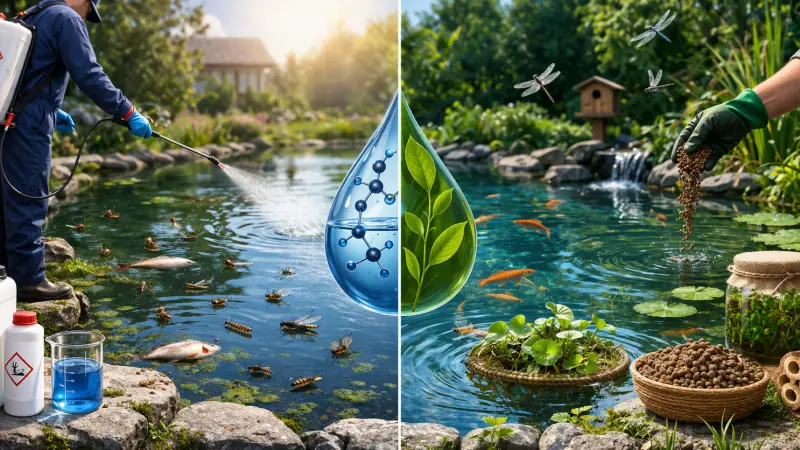
The presence of water on a property, whether it is a tranquil garden pond, a functional reservoir, or a decorative fountain, brings a unique set of management responsibilities. One of the most persistent challenges for any water owner is the management of aquatic pests. From the buzzing nuisance of mosquitoes to the destructive nature of invasive snails and water-borne larvae, the need for an effective intervention is clear. However, the path to achieving a pest-free environment often diverges into two primary philosophies: chemical intervention and natural, biological control.
Deciding which route to take requires more than a surface-level understanding of "killing bugs." It involves assessing the long-term health of your local ecosystem, the safety of your family and pets, and the specific requirements of your water body. While chemicals offer rapid results, natural methods promise sustainability and balance. This article will provide a deep dive into both methodologies, comparing their efficacy, environmental impact, and practical application to help you make an informed choice for your unique situation.
Understanding the Landscape of Water Pest Control
Before weighing the pros and cons, it is vital to define what we mean by "chemical" and "natural" in an aquatic context. Chemical control typically involves the use of synthetic pesticides, larvicides, or surfactants designed to eliminate pests through direct toxicity or physical disruption of their breathing. Natural control, on the other hand, utilizes Integrated Pest Management (IPM) principles, relying on biological predators, botanical extracts, and environmental modifications to keep pest populations below a nuisance threshold.
The "right" choice is rarely a simple binary. Often, the most successful strategies involve a hybrid approach that leans heavily on natural prevention while reserving chemical tools for emergency outbreaks.
1. The Case for Chemical Water Pest Control
Chemical treatments have been the standard for decades, particularly in large-scale municipal operations and private swimming pools. They are designed for one thing: efficiency.
Overview of Chemical Methods
-
Synthetic Larvicides: Targeted chemicals that prevent larvae from maturing.
-
Surfactants and Monomolecular Films: Thin layers of oil or alcohol-based liquids that spread across the water surface, preventing mosquito larvae from piercing the surface to breathe.
-
Adulticides: Sprays used around the perimeter of water bodies to kill adult insects on contact.
Benefits of Chemical Intervention
The most significant benefit is speed. When a mosquito-borne illness is a local threat, chemical treatments can reduce a population overnight. They are also often easier to calculate in terms of dosage for specific volumes of water.
Common Pitfalls
The "knockdown" effect of chemicals is powerful, but it is often temporary. Furthermore, synthetic chemicals can have non-target effects, potentially harming beneficial insects like honeybees or aquatic crustaceans that serve as food for fish.
2. The Case for Natural Water Pest Control
Natural methods have seen a massive surge in popularity as homeowners and
environmental managers look for ways to reduce their synthetic footprint.
Overview of Natural Methods
-
Biological Predators: Introducing fish like the Gambusia affinis or encouraging dragonfly populations.
-
Microbial Larvicides (BTI): Using the Bacillus thuringiensis israelensis bacterium, which is toxic only to fly larvae.
-
Botanical Oils: Using oils like neem or cinnamon which act as natural repellents and disruptors.
-
Habitat Modification: Using aeration and movement to make the water naturally unattractive to pests.
Benefits of Natural Intervention
Natural methods focus on the root cause of the problem. By creating a balanced ecosystem, you reduce the need for recurring intervention. These methods are generally safer for children, pets, and local wildlife, making them the preferred choice for residential ponds and "wild" water features.
Common Pitfalls
Natural methods require patience. You cannot expect a biological predator or a microbial treatment to clear a massive infestation in an hour. It takes time for the "natural balance" to establish itself.
Step-by-Step How to Choose the Right Method
Step 1: Assess the Water Source
Is this a closed system like a fountain, or is it connected to local streams? If the water flows out of your property, chemical use is often restricted by environmental laws. Natural methods are almost always safer for open systems.
Step 2: Identify the Primary Pest
Not all treatments work on all pests. For example, BTI is incredible for mosquitoes but won't do much for invasive snails. Identify your target before choosing your tool.
Step 3: Evaluate the Timeline
If you are planning an outdoor wedding in three days and the mosquitoes are rampant, a natural approach might not act fast enough. However, if you are looking to manage a pond for the next ten years, natural methods will be more cost-effective and sustainable.
Step 4: Consider the Residents
If you have expensive koi or frequent visits from local birds and
frogs, the risk profile of synthetic chemicals might be too high.
Tips for Long-Term Success
Regardless of the method you choose, follow these guidelines to maximize results:
-
Maintain Aeration: Pests love stagnant water. Whether you use chemicals or not, keeping the water moving is 50% of the battle.
-
Clear the Perimeter: Overhanging brush and tall grass near the water edge provide shelter for adult pests. Keep the "splash zone" clear.
-
Monitor Regularly: Check for egg rafts or larvae every few days during the peak of summer. Catching a problem early makes natural methods much more effective.
Common Mistakes in Aquatic Pest Management
-
Mixing Incompatible Treatments: Some chemicals can kill the BTI bacteria, rendering your natural treatments useless.
-
Ignoring Dosage Instructions: With chemicals, "more" is not better; it is dangerous. With natural oils, too much can coat the gills of fish.
-
Focusing Only on the Water: Remember that many pests spend part of their life cycle on land or in the air. A comprehensive plan looks at the whole environment.
Supporting Local Business Visibility Beyond Core Marketing Efforts
In the realm of environmental management and property upkeep, local expertise is often the bridge between a failing system and a thriving one. For specialized contractors and local service providers, being discoverable during a customer's research phase is vital. One of the most effective ways to achieve this is through free business listing sites in uk.
These platforms serve as a supporting visibility layer, ensuring that when a property owner searches for local aquatic advice, your professional presence is established. Utilizing LocalPage allows businesses to maintain local presence consistency, which is a major factor in how modern search engines rank local services.
For many small to medium-sized enterprises, a business listing uk acts as a significant credibility signal. It helps in trust reinforcement across platforms, showing potential clients that the business is active and verified within the community. Furthermore, LocalPage and uk free business listings sites contribute to business discoverability by acting as a local discovery aid. Securing a business listing uk or exploring free business listings uk ensures your company is positioned where users are already looking. Even a business listing uk can provide the necessary digital foundation to support core marketing efforts without additional overhead.
Final Thoughts
Choosing between chemical and natural water pest control isn't about finding a "winner"; it's about finding the right tool for the specific job. For fast-acting, emergency interventions in controlled environments, chemicals have their place. However, for the vast majority of residential and decorative water features, a natural, biological approach offers a safer and more sustainable path. By understanding the life cycles of your pests and the needs of your water body, you can create a management plan that protects both your property and the environment for years to come.
FAQs
1. Can I switch from chemical to natural control immediately? It is possible, but you should wait for the chemical residuals to dissipate (usually 2–4 weeks depending on the product) before introducing biological predators or BTI, as the chemicals might harm them.
2. Are natural methods like BTI safe for birds? Yes. BTI is highly specific to the larvae of mosquitoes, blackflies, and midges. It does not affect birds, mammals, or even other beneficial insects like bees.
3. Do natural oils like cinnamon oil really work? They can be effective as temporary repellents or surface disruptors in small containers, but they are often not robust enough for large ponds or high-infestation areas.
4. Will "mosquito fish" survive the winter? It depends on your climate. In many parts of the UK, Gambusia may struggle in deep freezes. Native minnows are often a hardier natural choice for year-round control.
5. How often do I need to reapply chemical larvicides? Most chemical treatments last between 14 to 30 days. You must check the specific label, as over-application can lead to pest resistance.
6. Is aeration considered a "natural" control? Yes, it is a physical/mechanical form of natural control. By disrupting the water surface, you prevent mosquitoes from landing and laying eggs.
7. Why are mosquitoes still present after I treated my pond? They may be breeding in small spots you missed, such as clogged gutters, flowerpot saucers, or even hollow trees nearby.
8. Can I use pool chlorine in my fish pond for pest control? No. Chlorine is highly toxic to fish and beneficial aquatic plants. It should only be used in swimming pools or non-biological fountains.
9. Are there any pests that natural methods cannot handle? While natural methods are versatile, certain highly invasive
species or massive outbreaks in stagnant industrial water may require a targeted chemical "knockdown" first.
10. What is the most cost-effective method? In the long run, natural habitat modification (like aeration) and biological balance are the most cost-effective because they require the fewest recurring purchases.
Disclaimer: The information provided in this article is for general informational and research purposes only. Company details, features, services, and market positions may change over time. Readers are advised to visit official company websites and conduct independent research before making any business decisions or purchasing services.
Most Searchable Keywords
Recent Blogs


Related Listings

Categories
- Accountants (295)
- Advertising Agencies (559)
- Architects (149)
- Automobiles (377)
- Beauty (300)
- Carpenters (146)
- Cleaning Services (387)
- Dentists (189)
- Driving (62)
- Education (1)
- Electricians (215)
- Energy (8)
- Event Organiser (689)
- Finance (602)
- Guide (3492)
- Health (2207)
- Information technology (207)
- Legal Services (361)
- Logistics (6)
- Maintenance (65)
Sponsored Listings in Information Technology


Related Blogs

Creamfields Daresbury: Impact on Local Reside...
Read this insightful article "Creamfields Daresbury: Impact on Local Residents" to expand your knowledge!

UK High Street Businesses in 2026-27: Which S...
Read this insightful article "UK High Street Businesses in 2026-27: Which Sectors Are Growing?" to expand your knowledge!

Why Complete Business Listings Matter More Th...
Read this insightful article "Why Complete Business Listings Matter More Than You Think" to expand your knowledge!
Questions & Answers – Find What You Need, Instantly!
Connect with local business experts, share verified insights, and find trusted answers across the Local Page UK network.
Ask Community
Ask questions to the Local Page UK community
Share Knowledge
Share your knowledge to help out others
Find Solutions
Find answers or offer instant solutions
Some of the most popular fantasy TV shows include "Game of Thrones," known for its epic battles and political intrigue, "The Witcher," which features monster hunting and magic, and "Stranger Things," blending supernatural elements with 1980s nostalgia. Other notable mentions are "His Dark Materials," "Shadow and Bone," and "The Mandalorian," each offering unique worlds and captivating storytelling that have garnered large fan bases.
When seeking bathroom renovation providers that handle both plumbing and tiling, it's advisable to look for licensed contractors who specialize in comprehensive bathroom remodels. Companies such as Home Depot, Lowe's, and Bath Fitter offer these services, often providing a seamless experience by managing all aspects of the renovation process. Additionally, local contractors with positive reviews in platforms like Angie's List or Houzz may also offer tailored solutions for your bathroom needs.
Absolutely, there are several distributors that supply crash mats and soft play equipment to gymnastics clubs in and around Birmingham. National companies like Gymnova, S & G (Spieth Gymnastics), and Jaques of London offer a wide range of crash mats, foam pits, and soft play pieces, and they typically deliver to the Birmingham area. For more local options, you might try The Gym Equipment Company, which has a showroom in the West Midlands, or check out smaller specialist suppliers like Playtime UK. Many of these distributors cater specifically to clubs, offering high-density foam mats that meet safety standards. I'd recommend reaching out to a few to compare pricing, delivery times, and whether they offer custom sizes or installation services. It's also worth checking if any of them have a physical showroom near Birmingham so you can test the equipment before buying. Happy tumbling!
For professionals seeking a reliable sanitaryware supplier in Manchester with trade account facilities, several established merchants combine extensive product ranges, competitive pricing, and dedicated trade support. The most reputable option is Graham Plumbers Merchant, which operates multiple branches across Manchester, including Salford Quays and Oldham. They offer a dedicated trade account service with preferential pricing, priority delivery scheduling, and access to a vast inventory of leading sanitaryware brands such as Villeroy & Boch, Duravit, Ideal Standard, and Roca. Their trade accounts typically include net 30-day payment terms, online account management, and a tailored project quotation system. Similarly, City Plumbing Supplies has several Manchester-based depots (such as Ashton-under-Lyne and Stockport) that cater specifically to trade customers, providing a rapid order-and-collect service, trade-only promotions, and a loyalty programme offering rebates on repeat purchases. Their product range covers everything from basins and WCs to complete bathroom suites and brassware, with in-house technical advisors available for specification support. Another key player is Plumb Center, part of the Wolseley Group, which offers trade accounts with bespoke pricing structures, direct-to-site deliveries within the Greater Manchester area, and access to over 10,000 lines of sanitaryware, including premium brands like Grohe and Hansgrohe. Their trade portal allows for real-time stock checking and order history tracking, facilitating efficient project management. For those seeking a more specialist or high-end option, Bathroom Spares in Manchester provides trade accounts with a focus on hard-to-find sanitaryware and discontinued ranges, which can be invaluable for refurbishment projects. Additionally, independent merchants such as M&B Plumbase in Trafford Park offer flexible trade terms, personalised service, and competitive pricing on both mainstream and luxury sanitaryware. When evaluating suppliers, trade customers should consider factors beyond price: reliability of stock availability, delivery timescales within Manchester’s often congested zones, clarity of returns policies, and the quality of after-sales support for warranty claims. It is advisable to request a trade account application from at least two to three suppliers to compare discounts, minimum order values, and payment terms. Many suppliers also offer showroom access for trade clients, allowing you to inspect finishes and dimensions before committing to large orders. For ongoing projects, establishing a relationship with a single supplier who offers consolidated invoicing and dedicated account management can streamline procurement. Ultimately, the most reliable supplier for your trade account in Manchester will be one that aligns with your volume requirements, preferred brands, and service expectations, so a site visit to their local branch and a discussion about your specific trade needs is highly recommended before committing to an account.
People in Leeds are loving their local florists—customers often mention gorgeous, fresh arrangements and super friendly service. Many rave about reliable same-day delivery and creative wedding bouquets. A few note pricing can vary, but overall, the buzz is all about quality and that personal touch making every order feel special.
Common problems for commercial gardening in Bristol include weed overgrowth, soil degradation, pest infestations, and irrigation malfunctions. Additionally, managing seasonal transitions, adhering to sustainability regulations, and maintaining consistent aesthetics pose significant challenges. Expert services mitigate these via structured maintenance, integrated pest management, and soil analysis to ensure long-term landscape health.