
Cable TV Services Compared: Channels, Costs & Customer Value
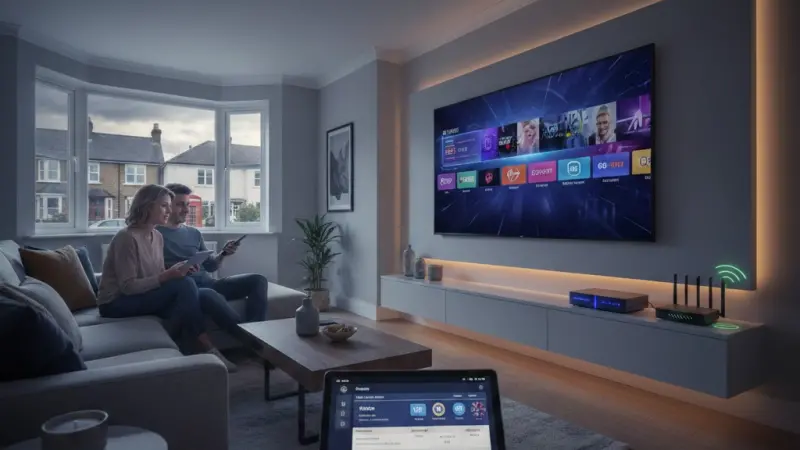
The United Kingdom's media landscape is one of the most sophisticated and competitive in the world. At the heart of this digital ecosystem lies the cable TV and broadband sector, an industry that has transitioned from a luxury "extra" to an essential utility for the modern British household. As we navigate the mid-2020s, the economic importance of cable TV services cannot be overstated. Beyond merely providing entertainment, these providers serve as the backbone for the nation’s digital infrastructure, delivering high-speed internet that powers the "work-from-home" economy and provides the primary gateway for educational and cultural consumption.
Historically, the UK market was dominated by a handful of terrestrial channels. The advent of cable technology in the late 20th century revolutionised choice, bringing international news, niche sports, and cinematic excellence into the living rooms of millions. Today, the sector is a multi-billion pound powerhouse, contributing significantly to the UK’s GDP through direct service revenue, advertising, and high-level technical employment. As a business analyst, one must observe the shift from traditional linear broadcasting to integrated "quad-play" services—where television, broadband, landline, and mobile services are bundled into a single, high-value consumer package.
The current economic climate, defined by fluctuating inflation and the "cost of living" crisis, has forced both providers and consumers to re-evaluate what "value" truly means. It is no longer enough to offer five hundred channels if the price point is unsustainable. Consequently, the industry is witnessing a pivot toward flexibility, modularity, and enhanced customer experience. For anyone looking to understand the marketplace, checking a uk local business directory reveals a diverse range of local installers and national providers vying for a foothold in an increasingly crowded digital arena.
The Landscape of Cable TV Services in the UK
The UK cable TV market is a fascinating study in resilience and adaptation. Currently, the market is characterised by high penetration in urban and suburban areas, with significant activity concentrated in the South East, the Midlands, and the North West. Post-pandemic, the industry has seen a permanent shift in usage patterns. With the British public spending more time at home than ever before, the demand for "Gigabit-capable" infrastructure has surged, leading to massive private and public investment in fibre-optic networks.
As of the latest fiscal reports, the market size remains robust, though it faces stiff competition from Over-The-Top (OTT) streaming giants. However, traditional cable providers have countered this by integrating these streaming services directly into their hardware. The evolution of the set-top box into a "media hub" has allowed cable companies to retain their status as the primary screen in the home. This hybrid model—combining live broadcast with on-demand flexibility—has been the saving grace for the industry in a post-lockdown world.
Evolution in the sector is also being driven by regional infrastructure projects. While major cities enjoy multiple provider options, the "levelling up" agenda has spurred smaller, regional alt-nets (alternative networks) to challenge the dominance of the "Big Three" providers. This increased competition is excellent for the consumer, as it drives down costs and encourages innovation in customer service. For those searching for regional experts to assist with complex home setups, the uk b2b business directory serves as a vital tool for identifying legitimate service partners who can bridge the gap between national infrastructure and local home installation.
Comprehensive Services Breakdown
Understanding the modern cable TV offering requires a deep dive into the tiered structures that providers use to segment their audience. In the UK, services generally fall into three distinct categories: entry-level "essential" bundles, mid-tier "family" packages, and "ultimate" premium tiers.
Essential Bundles: These typically include the standard Freeview channels, a basic broadband connection, and a landline. The focus here is on affordability and reliability. These are ideal for households that primarily consume terrestrial TV but require a stable internet connection for browsing and basic streaming.
Family Packages: This is the most popular segment of the market. These packages often include a wide array of entertainment channels (such as Sky Atlantic or Gold), children’s programming, and faster "Superfast" broadband. Providers often include multi-room viewing capabilities and enhanced recording features to cater to busy households with diverse tastes.
Premium Tiers: Targeted at sports enthusiasts and film buffs, these bundles offer 4K Ultra HD content, comprehensive sports coverage (including Premier League and Formula 1), and high-end movie channels. Often, these are bundled with "Ultrafast" or "Gigabit" fibre connections to ensure that high-bitrate content never buffers.
Beyond the content, the "hardware" is a product in itself. Modern boxes offer voice control, integrated search functions across all apps, and "start over" features for live TV. For businesses looking to increase their visibility in this niche, securing a business listing uk can help local installers and satellite
specialists reach homeowners who are upgrading their equipment and need professional mounting or wiring services. The complexity of these modern systems means that the "DIY" approach is becoming less common, opening up a significant market for skilled technicians and service providers.
How to Choose the Right Service Provider
Selecting a provider in the UK is a process that requires more than just a glance at the monthly headline price. An authoritative choice is made by weighing several critical factors:
Accreditations and Standards: Ensure the provider or installer is a member of recognised bodies such as the CAI (Confederation of Aerial Industries). This ensures a standard of workmanship and consumer protection.
Customer Reviews and Local Reputation: National averages often hide regional performance. A provider might be excellent in London but have poor infrastructure in the Scottish Highlands. Consult uk top rated local businesses to see how a provider or their local subcontracted installers are performing in your specific postcode.
Contractual Flexibility: The trend is moving away from 24-month "lock-in" contracts toward 12-month or even rolling monthly options. Check the "exit fees" and "mid-contract price hike" clauses, which have become a point of contention in the UK market.
Infrastructure Type: Is it "Fibre to the Cabinet" (FTTC) or "Fibre to the Premises" (FTTP)? The latter is far superior for modern cable TV services as it offers a dedicated fibre line directly into your home, ensuring consistent speeds regardless of how many neighbours are online.
Bundling Logic: Calculate the "cost-per-service." Sometimes, taking a mobile SIM from the same provider can drop the overall cost of your TV and broadband by 20% or more.
By focusing on these metrics, consumers can move beyond marketing fluff and find a service that offers genuine long-term value.
Industry Challenges & Future Outlook
The UK cable TV industry is not without its hurdles. The most pressing challenge is the technological shift toward "All-IP" delivery. Traditional cable and satellite signals are slowly being phased out in favour of internet-delivered television. This requires a massive overhaul of legacy hardware and a significant retraining of the workforce.
Sustainability is another key pillar of the future outlook. Major UK providers are now under intense pressure to reach "Net Zero." This involves moving toward energy-efficient set-top boxes made from recycled plastics, reducing the carbon footprint of their massive data centres, and implementing "green" installation practices. We are seeing a rise in providers who offer carbon-neutral broadband and TV packages, a trend that is particularly popular among younger demographics.
Regulatory changes also loom large. Ofcom, the UK communications regulator, is increasingly focused on "social tariffs"—ensuring that low-income households can access basic TV and internet at a heavily discounted rate. Furthermore, the 2023-2024 period has seen a crackdown on "inflation-linked" price rises, forcing providers to be more transparent with their pricing models. To stay ahead of these shifts, many savvy companies are using a business listing uk to highlight their adherence to new regulations and their commitment to sustainable business practices.
Business Tips for Cable TV Services Professionals
For the local professional—whether you are an independent installer, a satellite technician, or a small ISP—the digital age has changed the rules of marketing.
Word-of-mouth remains important, but it is no longer sufficient. Digital visibility is the currency of the 2020s.
First, your Google Business Profile and your presence on a uk local business search platform must be pristine. When a customer’s TV box fails or they decide to upgrade their home cinema, their first action is a mobile search for "installers near me." If your business doesn't appear in those local results with high ratings, you effectively don't exist.
Second, leverage the power of "Education Marketing." Instead of just selling a service, explain the technology. Write blog posts or social media updates about the benefits of FTTP or how to optimize a home Wi-Fi network for 4K streaming. Position yourself as the local expert.
Third, ensure your pricing is transparent. The modern consumer is wary of hidden "activation fees" or "delivery charges." By offering clear, fixed-price installation packages, you build immediate trust. Finally, never underestimate the power of partnerships. Aligning with local property developers or estate agents can provide a steady stream of new-build installation contracts, ensuring your business thrives even in a competitive national market.
Wrapping Up & Local Page Integration
The UK cable TV and media sector remains a vibrant, albeit complex, landscape. From the high-budget cinematic offerings of national giants to the meticulous technical work of local independent installers, the industry thrives on a combination of technological innovation and customer-centric service. As we have explored, the key to navigating this market—whether as a consumer or a professional—is a combination of research, adaptability, and a commitment to quality.
For businesses operating within this sphere, the challenge is clear: how do you stand out in a sea of digital noise? The answer lies in credible, authoritative platforms that bridge the gap between service providers and the British public. Local Page UK is the premier solution for this requirement. By providing a centralised, high-authority environment for business discovery, it allows companies of all sizes to demonstrate their value and reach their target audience effectively. Whether you are a national provider or a local specialist, being part of an established uk online business directory is no longer optional; it is a fundamental requirement for growth in the modern British economy.
Boost Your Visibility with Local Page UK
In the fast-paced Cable TV and digital services sector, being found online by local customers is the difference between a thriving business and a stagnant one. Most consumers now start their journey with a local search, and if your business isn't there, you're losing revenue to competitors. Local Page UK provides the visibility you need to succeed. We encourage all UK service providers to claim their business listing uk today. Join the thousands of businesses already reaching more customers through our verified platform.
Frequently Asked Questions
1. What is the average cost of a comprehensive cable TV package in the UK?
The cost of cable TV services in the UK varies significantly depending on the provider and the level of "bundling" involved. On average, a basic package starts at around £25 to £30 per month. However, for a comprehensive "triple-play" bundle including premium sports, cinema channels, and high-speed fibre broadband, consumers can expect to pay anywhere between £60 and £100 per month. It is important to look for introductory offers, which can often halve the price for the first 18 months. Always factor in the "post-promotion" price to understand the true long-term value of the contract.
2. Can I get cable TV without a landline phone?
Yes, in the modern UK market, most providers have moved away from the mandatory landline requirement. This is known as "broadband-only" or "cord-cutting" packages. Many providers now offer their TV services via an internet-only box that plugs into your router. This is becoming increasingly popular as households move away from traditional home phones in favour of mobile devices. Choosing a "no-landline" option can often save you around £15 to £20 per month in line rental fees, making it a highly cost-effective choice for younger households.
3. What is the difference between Cable TV and Satellite TV?
Cable TV is delivered via a physical fibre-optic or coaxial cable buried underground and connected directly to your home. It is known for its stability and high-speed data capabilities. Satellite TV, on the other hand, is beamed from space to a dish mounted on your property.
While satellite often offers a slightly wider range of niche international channels, cable is generally preferred for its integrated high-speed internet. In recent years, the distinction has blurred as both technologies now rely heavily on the internet to provide "On-Demand" content and interactive features.
4. How long does a typical cable TV installation take?
A standard installation by a professional technician usually takes between two and four hours. This involves running the necessary cables from the street to your property, installing the wall sockets, setting up the router and TV boxes, and ensuring that the signal strength is optimal. If your home has been previously connected to the same network, you might be eligible for "Self-Install," where the provider sends you the equipment via courier and you set it up yourself in about 30 minutes. Complex setups involving multi-room TV or hidden wiring will naturally take longer.
5. Why should I use a directory to find an installer?
Using a directory is essential because it allows you to verify the legitimacy and reputation of an independent installer. While national providers have their own teams, many homeowners prefer local experts for tasks like wall-mounting TVs or optimising home networks. By using Localpage, you can compare different businesses, read verified customer reviews, and ensure that the professional you hire has the necessary insurance and track record to work safely in your home. It provides an extra layer of security and peace of mind in the digital marketplace.
6. Are there any hidden fees in UK cable TV contracts?
While UK regulators have forced providers to be more transparent, some fees can still catch consumers off-guard. Common "hidden" costs include activation fees (usually £20-£40), delivery charges for the router, and "admin fees" for changing your package mid-contract. Additionally, many providers implement an annual price rise every April, usually linked to the Consumer Price Index (CPI) plus an additional 3.9%. It is vital to read the "Key Facts" sheet provided by the company before signing to ensure you understand exactly how your bill might change over time.
7. What is "Multi-Room" viewing and is it worth the extra cost?
Multi-room viewing allows you to watch different channels on different TVs throughout your home simultaneously using additional "mini" boxes. Most providers charge an extra £10 to £15 per month for this service, plus a one-off fee for each additional box. For families with children or shared households, it is often considered a high-value add-on as it prevents arguments over the remote. However, many modern providers now offer "TV Apps" that allow you to stream your package onto a tablet or smart TV for free, which might be a better alternative for some.
8. Can I keep my recordings if I switch cable providers?
Unfortunately, no. Most set-top boxes used by UK cable providers are proprietary and the content recorded onto the hard drive is encrypted. When you cancel your service and return the box to the provider, those recordings are lost. Furthermore, if you switch to a different provider, their box will not be able to read the recordings from your old device. This is one of the main reasons why "Cloud Recording" is becoming more popular, as it allows users to access their saved content via any device with an internet connection, though this is still limited by licensing.
9. What broadband speed do I need for 4K Cable TV?
To enjoy a smooth, buffer-free 4K (Ultra HD) experience, you generally need a minimum consistent download speed of 25Mbps for a single stream. However, if you have a busy household where multiple people are using the internet at once, we recommend a package with at least 100Mbps. This ensures that even if someone is gaming in one room and another person is on a video call, your 4K movie will still stream at its highest possible quality. Most modern fibre-optic packages in the UK easily exceed these requirements.
10. Do I still need a TV Licence if I only watch Cable TV?
Yes, in the UK, if you watch or record programmes as they’re being shown on TV, on any channel, you need a TV Licence. This applies regardless of the provider (Virgin, Sky, BT, etc.) and regardless of the device (TV, tablet, or phone). Furthermore, a licence is required if you use BBC iPlayer. The only way you do not need a licence is if you exclusively watch "On-Demand" content on non-BBC platforms like Netflix, Disney+, or Amazon Prime. Failure to have a licence while watching live TV can result in a significant fine.
11. What happens to my service if I move house?
Most UK cable providers offer a "Home Move" service. If your new home is within their network coverage area, they will usually transfer your service for a small fee or sometimes for free if you sign a new contract. However, if you move to an area where your current provider does not have infrastructure, you may be forced to cancel your contract, which can trigger "Early Termination Charges" if you are still within your initial term. It is always best to check the coverage map of your new postcode before notifying your provider of the move.
12. How can I lower my monthly cable TV bill?
The most effective way to lower your bill is to "re-contract" or "haggle" when your current deal expires. Providers have "retention departments" authorised to offer significant discounts to stop customers from switching to a competitor. Additionally, look at your actual usage—if you haven't watched a sports channel in six months, remove it. Bundling your mobile phone or choosing a slower (but still adequate) broadband speed can also shave significant amounts off your monthly outgoings. Always compare the market every 12 to 18 months to ensure you aren't paying the "loyalty penalty."
13. What is the "Social Tariff" for cable TV and broadband?
Social tariffs are specially discounted packages available to households receiving certain government benefits, such as Universal Credit or Pension Credit. These packages provide essential broadband and sometimes basic TV services for around £12 to £20 per month. They are designed to ensure that no one is digitally excluded due to their financial situation. Unlike standard contracts, these tariffs usually have no exit fees and no price rises. If you think you qualify, you should contact your provider and ask for their "Essential" or "Basic" social offering.
14. Is it better to buy a Smart TV or a Cable Box?
A Smart TV has built-in apps like Netflix and iPlayer, which is great for streaming. However, a dedicated cable box from a major provider offers several advantages: integrated "Search" across all live and on-demand content, the ability to record hundreds of hours of live TV, and a much more powerful processor for a smoother interface.
Most high-end UK households use both—the Smart TV apps for quick viewing and the cable box for their main television consumption and "quad-play" features.
15. How do I find a reliable local cable technician?
The best way to find a reliable technician is to use a dedicated local services platform. By searching for your specific needs on Local page, you can filter for professionals who have been vetted by other customers in your community. Look for technicians who offer a warranty on their work and have clear, transparent pricing displayed on their profile. Using a professional platform ensures that you aren't just picking a random name from a search engine, but are choosing a business with a proven track record of service excellence in the UK.
Disclaimer: The information provided in this article is for general informational and research purposes only. Company details, features, services, and market positions may change over time. Readers are advised to visit official company websites and conduct independent research before making any business decisions or purchasing services.
Most Searchable Keywords
Recent Blogs


Related Listings

Categories
- Accountants (295)
- Advertising Agencies (559)
- Architects (149)
- Automobiles (377)
- Beauty (300)
- Carpenters (146)
- Cleaning Services (387)
- Dentists (189)
- Driving (62)
- Electricians (215)
- Energy (8)
- Event Organiser (686)
- Finance (602)
- Guide (3373)
- Health (2207)
- Information technology (206)
- Legal Services (353)
- Logistics (6)
- Maintenance (65)
- Manufacturing (35)
Sponsored Listings in Travel Agencies


Related Blogs

Explore Dog Friendly Walks in the Cotswolds f...
Read this insightful article "Explore Dog Friendly Walks in the Cotswolds for 2026" to expand your knowledge!

How Much Do UK Actors Really Earn Full Indust...
Read this insightful article "How Much Do UK Actors Really Earn Full Industry Breakdown" to expand your knowledge!

Blue Light Card UK 2026 Check Eligibility and...
Read this insightful article "Blue Light Card UK 2026 Check Eligibility and Claim" to expand your knowledge!
Questions & Answers – Find What
You Need, Instantly!
How can I update my business listing?
Is it free to manage my business listing?
How long does it take for my updates to reflect?
Why is it important to keep my listing updated?
