
Certification Bodies Explained: Standards, Trust & Compliance
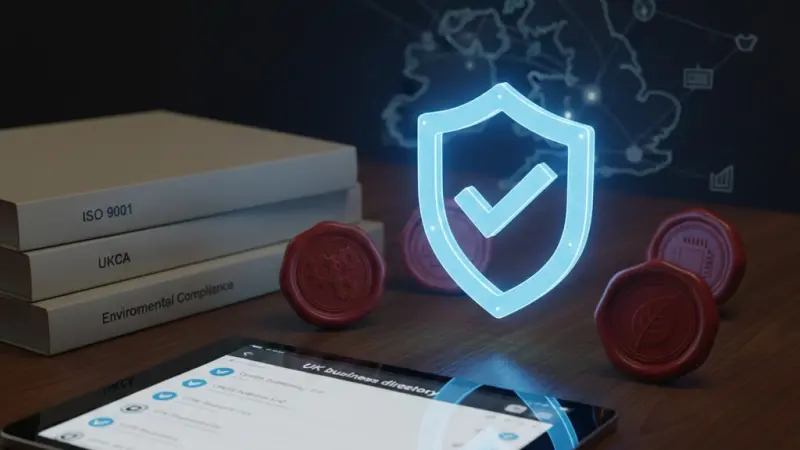
In the contemporary British economic landscape, the concept of "trust" has transitioned from a subjective quality to a measurable, auditable commodity. Certification bodies serve as the gatekeepers of this trust, acting as independent third-party entities that verify whether a product, process, or service adheres to specific international or national standards. From ISO 9001 quality management to specialized aerospace safety protocols, the certification sector is a foundational pillar of the UK’s industrial infrastructure.
The economic importance of this sector cannot be overstated. As the UK continues to refine its global trading position, the ability of British firms to demonstrate compliance with rigorous standards is essential for accessing international markets. Certification bodies provide the technical assurance that allows a small manufacturer in the Midlands to export to a multinational in Singapore with confidence. Furthermore, within the domestic market, these bodies protect consumers by ensuring that safety, environmental, and ethical claims are not merely marketing rhetoric but verified facts. For many enterprises, appearing in a uk local business directory is the first step toward visibility, but achieving formal certification is what converts that visibility into long-term commercial credibility.
The Landscape of Certification Bodies in the UK
The UK’S Testing, Inspection, and Certification (TIC) market is one of the most robust in Europe, with a projected revenue exceeding £18 billion by 2025. This sector has undergone a profound transformation over the last five years. Post-pandemic, the industry has shifted from traditional, on-site heavy auditing toward a hybrid model. The integration of remote auditing technologies—using drones for structural inspections and secure cloud-based document reviews—has streamlined the compliance journey for thousands of businesses.
Activity is densely concentrated in traditional industrial hubs such as the North West and West Midlands, but London remains the primary engine for service-based certifications, particularly in cybersecurity (Cyber Essentials) and financial standards. As the business population continues to grow, reaching approximately 5.7 million private sector enterprises, the demand for verified status has surged. Many firms now realize that to stand out, they must be listed among the local businesses list uk while simultaneously holding the badges of quality that certification provides. This evolution reflects a broader trend: a move toward "digital trust," where a company’s compliance status is as vital as its physical output.
Comprehensive Services Breakdown
Certification services are broadly categorized into three domains: Product, Management Systems, and Personnel.
Product Certification: This ensures specific goods meet safety and performance criteria. In the UK, the UKCA (UK Conformity Assessed) marking is now the mandatory requirement for most goods placed on the market in Great Britain, replacing the CE mark.
Management Systems: These are the "ISO" standards that most professionals recognize. ISO 9001 (Quality), ISO 14001 (Environmental), and ISO 45001 (Occupational Health and Safety) are the "Big Three."
Personnel Certification: This verifies the skills and competencies of individual professionals, such as certified welders, non-destructive testing technicians, or data protection officers.
For a new entrant or a small business, navigating these options can be daunting. However, many providers offer a business listing uk resource or introductory gap analyses to help firms identify which standards are relevant to their specific niche. In specialized sectors like healthcare or food production, certification includes rigorous laboratory testing and periodic surveillance audits to ensure that the initial high standards are maintained over time.
How to Choose the Right Service Provider
Selecting a certification body is a strategic business decision that carries significant weight. Not all certificates are created equal. The gold standard in the UK is accreditation by the United Kingdom Accreditation Service (UKAS). A UKAS-accredited body has been independenty audited to ensure they have the technical competence and impartiality to perform certifications.
When evaluating providers, businesses should look for:
UKAS Accreditation: This ensures your certificate will be recognized by government bodies and major international clients.
Industry Specialism: Some bodies specialize in construction (e.g., BSI), while others may focus on electronics or organic food.
Local Reputation: Check uk verified business listings to see how other local firms rate the provider’s efficiency and communication.
Transparent Pricing: Ensure the quote includes all "surveillance" fees (the annual checks) and not just the initial audit.
Insurance: Valid professional indemnity insurance is a non-negotiable requirement for any reputable certification entity.
Industry Challenges & Future Outlook
The certification industry is currently facing a "Green Revolution." With the UK government’s commitment to Net Zero by 2050, sustainability standards have moved from optional "nice-to-haves" to core regulatory requirements. The rise of UK Sustainability Reporting Standards (UK SRS) means that certification bodies are now becoming environmental auditors, verifying carbon footprint claims and supply chain ethics.
Technology is also a major disruptor. Artificial Intelligence is being used to predict failure points in manufacturing, potentially reducing the frequency of physical inspections. However, this shift requires certification professionals to upskill rapidly. For companies looking to expand their reach, finding the right partners in a business listing uk can help identify consultants who specialize in these new digital and green standards. The future will likely see a move toward "Real-time Compliance," where IoT sensors provide continuous data to certification bodies, replacing the "once-a-year" audit with ongoing assurance.
Business Tips for Certification Bodies Professionals
For professionals running a certification or consultancy business, the challenge is often "marketing the intangible." You are selling trust, not a physical product. Therefore, digital visibility is paramount. In a crowded marketplace, ensuring your firm appears in a uk local trades directory is essential for capturing local leads.
Key strategies include:
Educational Content: Write whitepapers on upcoming regulatory changes to position your firm as an authority.
Case Studies: Demonstrate how your certification helped a client win a major contract.
SEO & Directories: Maintain an active profile in a uk b2b business directory to ensure that when a procurement manager searches for "ISO 9001 auditor," your name appears.
Networking: Engage with local Chambers of Commerce and trade associations to build a reputation beyond the digital screen.
Wrapping Up & Local Page Integration
The certification sector is the bedrock of the UK’s "Quality Infrastructure." It enables innovation, facilitates trade, and ensures safety. As the regulatory environment becomes increasingly complex, the role of these bodies will only grow in importance. For any UK business, whether you are a provider of certification services or a company seeking to get certified, being part of a verified ecosystem is vital.
Local Page UK provides the premier platform for this connection. By bridging the gap between high-standard service providers and the businesses that need them, it ensures that "trust" is easily findable. In an era where digital presence is your modern shopfront, ensuring your business is correctly listed and verified is the first step toward achieving the compliance and growth your enterprise deserves.
Boost Your Visibility with Local Page UK
In the competitive world of certification and compliance, being invisible is as good as being non-compliant. To reach the 5.7 million businesses in the UK that require your expertise, you must be where they are searching. Claim your business listing uk today on Local Page UK and start building the digital trust that drives modern business success.
Frequently Asked Questions
1. What is the difference between accreditation and certification?
Accreditation is the formal recognition by an authoritative body (like UKAS in the UK) that a certification body is competent to perform specific tasks. Certification is the process by which that accredited body confirms that your company meets a specific standard. Think of accreditation as the "qualification" for the examiners themselves, ensuring they are impartial and technically capable.
2. Is ISO 9001 mandatory for small businesses in the UK?
ISO 9001 is not a legal requirement for most businesses. However, it is often a "commercial" requirement. Many government contracts and large private sector corporations will only work with suppliers who hold a valid ISO 9001 certificate. It serves as a universal language of quality that simplifies the vetting process for buyers.
3. How long does it take to get a business certified?
The timeline varies depending on the complexity of your business and the standard involved. For a small business seeking ISO 9001, the process usually takes 3 to 6 months.
This includes the "Gap Analysis," the implementation of required processes, and the two-stage audit process (Stage 1 documentation review and Stage 2 implementation audit).
4. What is the UKCA mark and do I need it?
The UKCA (UK Conformity Assessed) marking is a new UK product marking used for goods being placed on the market in Great Britain. It covers most goods that previously required the CE marking. If you manufacture or sell regulated goods in the UK, you likely need to ensure your products meet the standards verified by this mark.
5. Why should I list my certification services on a directory?
Digital visibility is key to lead generation. Most business owners start their search for professional services online. By having a presence on Localpage, you ensure that your firm is visible at the exact moment a business is looking for a compliance partner. It builds immediate trust through verified contact details and professional context.
6. What are the costs associated with certification?
Costs generally include the certification body’s audit fees, which depend on the number of days the audit takes (based on your company size and risk level). You may also have consultancy costs if you hire an expert to help you prepare. Finally, there are annual surveillance fees to maintain the certificate over its three-year cycle.
7. Can I lose my certification once I have it?
Yes. Certification is a continuous commitment. If a surveillance audit finds "major non-conformities" (serious failures in your system) that are not corrected within a specific timeframe, your certificate can be suspended or withdrawn. This highlights the importance of maintaining your management system daily, not just for the audit.
8. What is the role of UKAS in the UK?
UKAS is the sole national accreditation body for the United Kingdom. Its role is to assess and oversee certification bodies, testing laboratories, and inspection bodies. Using a UKAS-accredited body is highly recommended by the UK government because it guarantees a level of rigor and international acceptance that non-accredited bodies cannot match.
9. How do I transition to the new sustainability standards?
Transitioning involves mapping your current environmental impacts against the new UK Sustainability Reporting Standards. Many certification bodies now offer "Integrated Audits," where they check your environmental (ISO 14001) and sustainability reporting at the same time, saving your business time and money during the compliance process.
10. What are the "Big Three" ISO standards?
The three most common standards in the UK are ISO 9001 (Quality Management), ISO 14001 (Environmental Management), and ISO 45001 (Occupational Health and Safety). Together, they form an "Integrated Management System" that covers the core operational risks and quality requirements of almost any modern commercial organization.
11. Are remote audits as valid as in-person audits?
Yes, provided they are conducted by an accredited body using secure and appropriate technology. Remote audits became the norm during the pandemic and are still used for "low-risk" documentation reviews. However, for "high-risk" physical sites (like construction or chemical plants), some level of on-site inspection is usually still required.
12. How often must my certification be renewed?
Most management system certifications (like ISO) follow a three-year cycle. After the initial certification, you will have annual "surveillance" audits in years one and two. In year three, a more comprehensive "re-certification" audit is performed to issue a new three-year certificate and ensure continued compliance.
13. What is the Cyber Essentials certification?
Cyber Essentials is a UK government-backed scheme that helps protect organizations against a whole range of the most common cyber attacks. It is mandatory for many central government contracts and is a great way for small businesses to demonstrate to customers that they take data security seriously in an increasingly digital world.
14. What happens if I fail my initial audit?
Failing an audit is rarely a total "rejection." Usually, the auditor will identify "non-conformities." You will be given a specific period to provide evidence that you have corrected these issues (corrective actions).
Once the auditor is satisfied with the evidence, the certification can then be granted without starting the whole process over.
15. How do I find a reliable local consultant for certification?
The best way is to search through a verified Local page listing. Look for consultants with proven experience in your specific industry and check for client testimonials. A good consultant shouldn't just "do the work" for you; they should teach your team how to manage the system independently after the certification is achieved.
Disclaimer: The information provided in this article is for general informational and research purposes only. Company details, features, services, and market positions may change over time. Readers are advised to visit official company websites and conduct independent research before making any business decisions or purchasing services.
Most Searchable Keywords
Recent Blogs


Related Listings

Categories
- Accountants (295)
- Advertising Agencies (559)
- Architects (149)
- Automobiles (377)
- Beauty (300)
- Carpenters (146)
- Cleaning Services (387)
- Dentists (189)
- Driving (62)
- Electricians (215)
- Energy (8)
- Event Organiser (686)
- Finance (602)
- Guide (3374)
- Health (2207)
- Information technology (206)
- Legal Services (354)
- Logistics (6)
- Maintenance (65)
- Manufacturing (35)
Sponsored Listings in Travel Agencies


Related Blogs

Meet the Fair Work Agency Changing UK Work Ru...
Read this insightful article "Meet the Fair Work Agency Changing UK Work Rules in 2026" to expand your knowledge!

Collective Redundancy Errors Now Carry Higher...
Read this insightful article "Collective Redundancy Errors Now Carry Higher 2026 Penalties" to expand your knowledge!

Explore Dog Friendly Walks in the Cotswolds f...
Read this insightful article "Explore Dog Friendly Walks in the Cotswolds for 2026" to expand your knowledge!
Questions & Answers – Find What
You Need, Instantly!
How can I update my business listing?
Is it free to manage my business listing?
How long does it take for my updates to reflect?
Why is it important to keep my listing updated?
