
How to Paint a Room
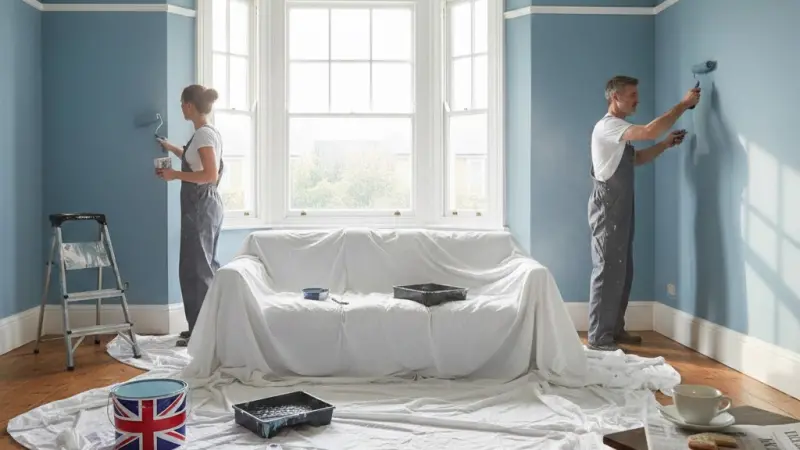
Professional Standards for Painting a Room in the UK
Published by LocalPage.uk Content Team | Updated for 2025-2026 | 2100 Words

In the contemporary UK business landscape, the physical environment of a workspace, retail unit, or hospitality venue is more than just a functional area; it is a direct reflection of brand identity and operational excellence. Whether you are a small business owner looking to refresh your boutique in Edinburgh or a tradesperson aiming to refine your professional finishing techniques in Cardiff, mastering the art of painting a room requires a blend of strategic planning, technical precision, and an understanding of the latest UK-wide industry standards.
385,000+ The number of active construction and trade businesses in the UK as of 2025, contributing significantly to the national infrastructure and local economies.
Assessing the Scope of Your Commercial Decorating Project
Before a single drop of paint is applied, a thorough assessment is required to ensure the longevity of the finish. For UK businesses, this often involves adhering to health and safety regulations, particularly when dealing with older properties in historic city centres like York or Bath where lead paint or specialized substrates might be present.
Analysing Surface Conditions and Substrate Suitability
A professional finish is 90% preparation. In high-traffic environments common in London or Birmingham, walls often suffer from indentations, moisture damage, or grease accumulation. Identifying whether the substrate is plasterboard, traditional lime plaster (frequently found in listed buildings across England and Wales), or masonry is the first step in selecting the correct primer-sealer. British Standards (BS 6150) provide the code of practice for painting buildings, which professional contractors endeavour to follow strictly.
Establishing a Budget and Timeline for Business Continuity
For a retail or hospitality business, downtime equates to lost revenue. Strategic planning must account for "curing times" as well as "drying times." Whilst a room may feel dry to the touch in four hours, the paint may take several days to reach full scrub resistance. In Scotland, where humidity can affect drying times significantly in the winter months, businesses often utilise dehumidifiers to ensure they can reopen to the public within the projected timeframe.
Impact of Environmental Humidity
It is worth noting that interior painting in Northern Ireland often requires specific focus on ventilation during the damp autumn months. Using moisture-meter readings ensures that the plaster is at or below the 10% threshold required for optimal paint adhesion.
Selecting the Right Materials for the Modern UK Office
The UK paint market has evolved rapidly towards sustainability. By 2026, it is projected that over 80% of specified commercial paints will be Low-VOC (Volatile Organic Compounds) or Zero-VOC, driven by both ICO workplace wellbeing guidelines and the UK Government's Net Zero targets.
Understanding Finish Types: Matt, Eggshell, and Gloss
The choice of finish is not merely aesthetic; it is functional. For high-traffic corridors in a Manchester business park, an "Acrylic Durable Matt" is often the preferred choice. It provides the contemporary flat look that obscures surface imperfections whilst offering the washability previously only found in higher-sheen finishes. Conversely, woodwork in traditional Welsh offices often benefits from a modern water-based satinwood, which maintains its colour better than old-fashioned oil-based alternatives that tend to yellow over time.
Calculating Coverage and Minimising Material Waste
Most standard UK emulsions offer a coverage rate of 10 to 12 square metres per litre. However, textured surfaces or drastic colour changes can halve this efficiency. Professional painters in the North East often use "Contract Matt" for first coats on new plaster to manage costs effectively, before applying high-pigment decorative finishes for the final two coats.
Pro Tip: Always check the "Batch Number" on paint tins. Even with modern digital mixing, slight variances can occur.
Using tins from different batches on the same wall can lead to "flashing," a subtle but visible difference in shade that can ruin a professional finish.
Essential Tooling for a Professional British Finish
Investing in high-quality tools is a hallmark of the professional UK tradesperson. Cheap brushes often shed bristles, whilst low-grade rollers result in "orange peel" textures that diminish the light-reflective qualities of the room.
Brushes vs Rollers: When to Use Which Tool
For "cutting in"—the process of painting the edges of walls against ceilings and skirting—a 2-inch angled synthetic brush is the industry standard in England. These brushes are designed for water-based paints, maintaining their stiffness and precision throughout the day. Rollers, specifically medium-pile microfibre versions, are used for the main expanses, ensuring a consistent film thickness across the surface.
The Role of Extension Poles and Professional Access Equipment
In commercial spaces with high ceilings, such as converted warehouses in East London, the use of telescopic extension poles is vital. Not only do they speed up the process, but they also allow the painter to maintain "constant pressure," resulting in a more even finish. For hospitality venues in the Scottish Highlands with vaulted ceilings, mobile towers or "hop-ups" must comply with the Work at Height Regulations 2005.
A Note on Taping and Protection
Whilst "cutting in" by hand is a mark of skill, many businesses opt for professional-grade blue painter's tape to ensure perfectly crisp lines. It is essential to remove this tape whilst the paint is slightly "tacky" to prevent the dried film from tearing.
Surface Preparation: The Secret to Longevity
In the UK's diverse climate, buildings "breathe" and move. Preparation must account for this structural reality. Failure to prepare the surface will inevitably lead to flaking or peeling, often within the first twelve months of completion.
Sanding, Filling, and Addressing Structural Imperfections
Small cracks, often caused by the settlement of the building, should be raked out and filled with a high-performance, shrink-resistant filler. For businesses in coastal areas like Brighton or Blackpool, salt air can sometimes lead to efflorescence on masonry walls; this must be treated with an acid-neutralising wash before any primer is applied. Sanding between coats is equally important, using fine-grit sandpaper (180-220 grit) to remove "nibs"—tiny dust particles that settle in the wet paint.
Degreasing and Cleaning in Commercial Environments
In hospitality settings, particularly kitchens or cafes in cities like Bristol, grease is a major contaminant. Painting over even a thin film of grease will cause the paint to "bead" or fail to bond. A solution of Sugar Soap is the traditional UK method for cleaning walls. After washing, the surface must be thoroughly rinsed with clean water and allowed to dry completely before the first coat of primer is applied.
76% of UK consumers research a local business online before visiting. A poorly maintained or dated interior can negatively impact this first impression, proving that professional decorating is a key marketing investment.
The Application Process: Mastering the 'W' Technique
Consistency is the primary goal during application. The "W" or "M" technique involves rolling a large letter onto the wall and then filling in the gaps without lifting the roller. This ensures that the paint is distributed evenly and prevents the formation of "track marks" or heavy ridges.
Managing the 'Wet Edge' to Avoid Lap Marks
Lap marks occur when a painter applies wet paint over a section that has already begun to dry. To avoid this, professionals work in vertical sections about one metre wide, always overlapping into the wet paint of the previous section. This is particularly challenging in larger commercial units in the Midlands, where central heating or air conditioning can accelerate drying times. Turning off climate control during application can help maintain a manageable "open time."
Second Coats and Final Inspection Protocols
A single coat is rarely sufficient for a professional finish. The second coat provides the depth of colour and the necessary durability. Before declaring the project complete, a "lighting test" should be conducted.
Using a high-powered work light held parallel to the wall will highlight any subtle shadows or missed spots that might be visible to customers under normal lighting conditions.
Regional Variation in Colour Trends
Data from 2025 suggests a rise in "biophilic" tones—greens and earthy browns—across offices in the South West of England, whilst tech hubs in Belfast and Cambridge continue to favour cooler, minimalist greys and off-whites that complement industrial-style architecture.
Health, Safety, and Environmental Compliance
UK businesses must operate within a strict regulatory framework. Painting projects are no exception. The Health and Safety Executive (HSE) provides clear guidelines on the use of ladders, ventilation, and the handling of hazardous substances (COSHH).
Managing VOC Emissions and Workplace Air Quality
Even low-VOC paints emit some fumes. For businesses in Northern Ireland, adhering to the DAERA (Department of Agriculture, Environment and Rural Affairs) guidelines on air quality is crucial. Ensuring adequate cross-ventilation—keeping windows open at opposite ends of the building—is the simplest way to mitigate risk. In modern, hermetically sealed London offices, air scrubbing machines may be required if painting is done during working hours.
Responsible Disposal of Paint and Solvents
It is illegal in the UK to pour excess paint down the drain. For businesses in Scotland, SEPA (Scottish Environment Protection Agency) regulates the disposal of commercial waste. Any leftover paint should be taken to a licensed waste disposal site or donated to "Community RePaint" schemes, which redistribute usable paint to charities and low-income households across the UK.
Regional Considerations for UK Business Owners
Whilst the basic principles of painting remain constant, regional nuances can affect your project. For instance, businesses in Wales may find that local authority grants are available for storefront improvements through "Town Centre Regeneration" schemes. Similarly, in Northern Ireland, businesses often navigate different supply chains for specific heritage paints required for Victorian-era commercial buildings.
In England, the Local Enterprise Partnerships (LEPs) often provide advice on sustainable business practices, including the selection of eco-friendly contractors. For Scottish businesses, Business Gateway offers resources on managing property maintenance costs as part of a wider growth strategy.
"Hey Google, how long does it take for commercial paint to dry in the UK?"
Standard emulsion is usually touch-dry in 2 to 4 hours, but UK humidity can extend this. For a professional finish, you should wait at least 4 hours between coats.
Full durability (curing) can take up to 30 days, especially in damp conditions common in coastal or northern regions.
"What is the best paint for a high-traffic UK office?"
An Acrylic Durable Matt or a scrubbable Eggshell finish is recommended. These are designed to withstand the frequent cleaning required in professional environments whilst maintaining a high-quality appearance under office lighting.
Frequently Asked Questions
Do I need to notify my landlord before painting a commercial premises in the UK?
Almost certainly. Most UK commercial leases contain "alteration clauses." Even minor decorative changes often require a "Licence for Alterations." It is vital to check your lease agreement and obtain written consent from the landlord to avoid a "dilapidations claim" at the end of your tenancy, which could result in significant costs to return the property to its original state.
How much should I expect to pay a professional painter per day in 2026?
In 2026, UK trade rates vary by region. In London and the South East, professional day rates typically range between £250 and £350. In the North of England, Scotland, and Wales, rates are slightly lower, often between £180 and £250. This excludes the cost of materials. Always ensure your contractor has valid Public Liability Insurance (minimum £2 million recommended).
Is it worth using a primer on walls that have been painted before?
Yes, especially if you are changing the paint type (e.g., from oil-based to water-based) or making a drastic colour change. A "transition primer" or "stain-blocker" ensures better adhesion and prevents the old colour from "bleeding" through. In older UK buildings, a primer also helps seal porous patches of plaster that have been recently repaired.
Can I claim the cost of painting my office against my business tax?
Generally, yes. Decorating is typically classified as a "revenue expenditure" (repairs and maintenance) rather than "capital expenditure," meaning it can be deducted from your business profits before tax is calculated. However, for a major renovation, you should consult with an accountant to ensure compliance with HMRC’s latest capital allowance rules.
What are the best colours for employee productivity in a UK office?
Current UK workplace psychology trends favour soft blues and greens for focus, and muted yellows for creative spaces. Avoid "pure brilliant white" in large expanses as it can lead to eye strain under modern LED office lighting. Instead, look for "off-white" tones with warm undertones to create a more comfortable environment for staff and visitors.
What is the difference between 'drying' and 'curing' times?
Drying refers to the evaporation of the liquid carrier (water or solvent), which usually takes a few hours. Curing is the chemical process where the paint film reaches its maximum hardness and water resistance. In the UK, most emulsions take 2-4 weeks to cure. Do not attempt to scrub or wash a wall until the curing process is complete.
Are there specific regulations for painting food-preparation areas?
Yes. Food safety regulations in England, Scotland, and Wales require surfaces to be "easy to clean and, where necessary, disinfected." You must use "Food Grade" or "Hygienic" coatings that are resistant to frequent cleaning with chemicals. Consult your local Environmental Health Officer (EHO) through your local authority for specific regional requirements.
How do I handle lead paint in a historic UK building?
If the building was built before the mid-1960s, there is a risk of lead-based paint. Do not sand it. The safest method is to "encapsulate" it by painting over it with a specialized primer. If removal is necessary, you must hire a professional who follows the HSE "Lead at Work" regulations and uses HEPA-filtered vacuum extraction.
Does the UK weather affect interior painting?
Yes. High humidity (common in the UK) slows down the drying process of water-based paints. Very cold temperatures (below 10°C) can prevent the paint film from
forming correctly, leading to "mud-cracking." Ideally, maintain a consistent indoor temperature of 15°C to 20°C during the painting process for the best results.
Should I use a mist coat on new plaster?
Absolutely. New plaster is highly porous. A "mist coat" is a watered-down emulsion (usually 70% paint, 30% water) that soaks into the plaster to create a bond. If you apply full-strength paint directly to new plaster, it will sit on the surface and eventually peel off in large sheets like wallpaper.

Disclaimer: The information provided in this article is for general informational and research purposes only. Company details, features, services, and market positions may change over time. Readers are advised to visit official company websites and conduct independent research before making any business decisions or purchasing services.
Most Searchable Keywords

Recent Blogs
-

Explore Supermarkets in Chepstow and the Surrounding Wye Valley
-
Elite Guide to Taxi and Private Hire Services in Hereford
-
Explore Fuel and Roadside Convenience Across Beckington Today
-
Explore Abergavenny Tyre Services with Expert Local Fitters
-
Claim Your HMRC UK Tax Refund Before Application Deadlines






Categories
- Accountants (295)
- Advertising Agencies (559)
- Architects (149)
- Automobiles (376)
- Beauty (300)
- Carpenters (146)
- Cleaning Services (386)
- Dentists (189)
- Driving (61)
- Electricians (215)
- Energy (7)
- Event Organiser (683)
- Finance (597)
- Guide (3358)
- Health (2205)
- Information technology (206)
- Legal Services (352)
- Logistics (6)
- Maintenance (65)
- Manufacturing (35)

Sponsored Listings in Accountants

Related Blogs

Explore Supermarkets in Chepstow and the Surr...
Read this insightful article "Explore Supermarkets in Chepstow and the Surrounding Wye Valley" to expand your knowledge!

Elite Guide to Taxi and Private Hire Services...
Read this insightful article "Elite Guide to Taxi and Private Hire Services in Hereford" to expand your knowledge!

Explore Fuel and Roadside Convenience Across...
Read this insightful article "Explore Fuel and Roadside Convenience Across Beckington Today" to expand your knowledge!
Questions & Answers – Find What
You Need, Instantly!
How can I update my business listing?
Is it free to manage my business listing?
How long does it take for my updates to reflect?
Why is it important to keep my listing updated?
